Outdoor motion lighting is often overlooked in many lighting projects, yet it serves as a crucial element that can enhance safety, security, and aesthetics. For lighting contractors, understanding the benefits and applications of motion lighting can significantly elevate the quality of their projects. This article delves into the importance of outdoor motion lighting, its various applications, and how it can be seamlessly integrated into existing designs.
The Importance of Outdoor Motion Lighting
In an age where outdoor spaces are increasingly utilized for leisure and entertainment, proper lighting becomes essential. Outdoor motion lighting not only illuminates pathways and entryways but also acts as a deterrent to potential intruders. The presence of motion-activated lights can create a sense of security for homeowners and businesses alike.
Enhancing Safety
Safety is one of the primary reasons for installing outdoor motion lighting. Well-lit areas reduce the risk of accidents, especially in dark or poorly lit spaces. Pathways, driveways, and staircases are common areas where motion lighting can provide immediate illumination when movement is detected. This not only helps prevent falls but also guides guests safely to their destinations.
Moreover, strategically placed motion lights can illuminate blind spots around a property, ensuring that all areas are visible. This added visibility can be particularly beneficial in residential neighborhoods and commercial properties, where safety is a top priority. Additionally, the presence of motion lighting can encourage outdoor activities during the evening hours, allowing families and friends to enjoy their gardens, patios, or yards without the fear of stumbling in the dark.
Boosting Security
Outdoor motion lighting serves as a powerful tool for enhancing security. The sudden activation of lights can startle potential intruders, making them think twice before proceeding. Many homeowners and businesses have reported a decrease in vandalism and theft after installing motion-activated lighting systems.
Integrating motion lighting with surveillance cameras can create a comprehensive security system. When motion is detected, not only do the lights turn on, but the cameras can also begin recording. This combination provides both deterrence and documentation, offering peace of mind to property owners. Furthermore, some advanced motion lighting systems can be connected to smart home technology, allowing users to receive alerts on their smartphones when motion is detected, thus enhancing their ability to monitor their property remotely.
Energy Efficiency
Energy efficiency is another significant advantage of outdoor motion lighting. Traditional outdoor lighting systems often remain on throughout the night, consuming unnecessary energy. In contrast, motion-activated lights only operate when needed, reducing energy consumption and lowering utility bills.
Many modern motion lights are equipped with LED technology, which further enhances energy efficiency. LEDs consume less power and have a longer lifespan compared to traditional bulbs, making them a smart choice for outdoor applications. Additionally, the use of solar-powered motion lights is becoming increasingly popular, as they harness energy from the sun during the day and provide illumination at night without relying on the electrical grid. This not only contributes to sustainability efforts but also offers a cost-effective solution for homeowners looking to enhance their outdoor lighting without incurring high energy costs.
Applications of Outdoor Motion Lighting
Outdoor motion lighting can be applied in various settings, each with its unique requirements and benefits. Understanding these applications allows lighting contractors to tailor solutions to meet specific client needs.
Residential Applications
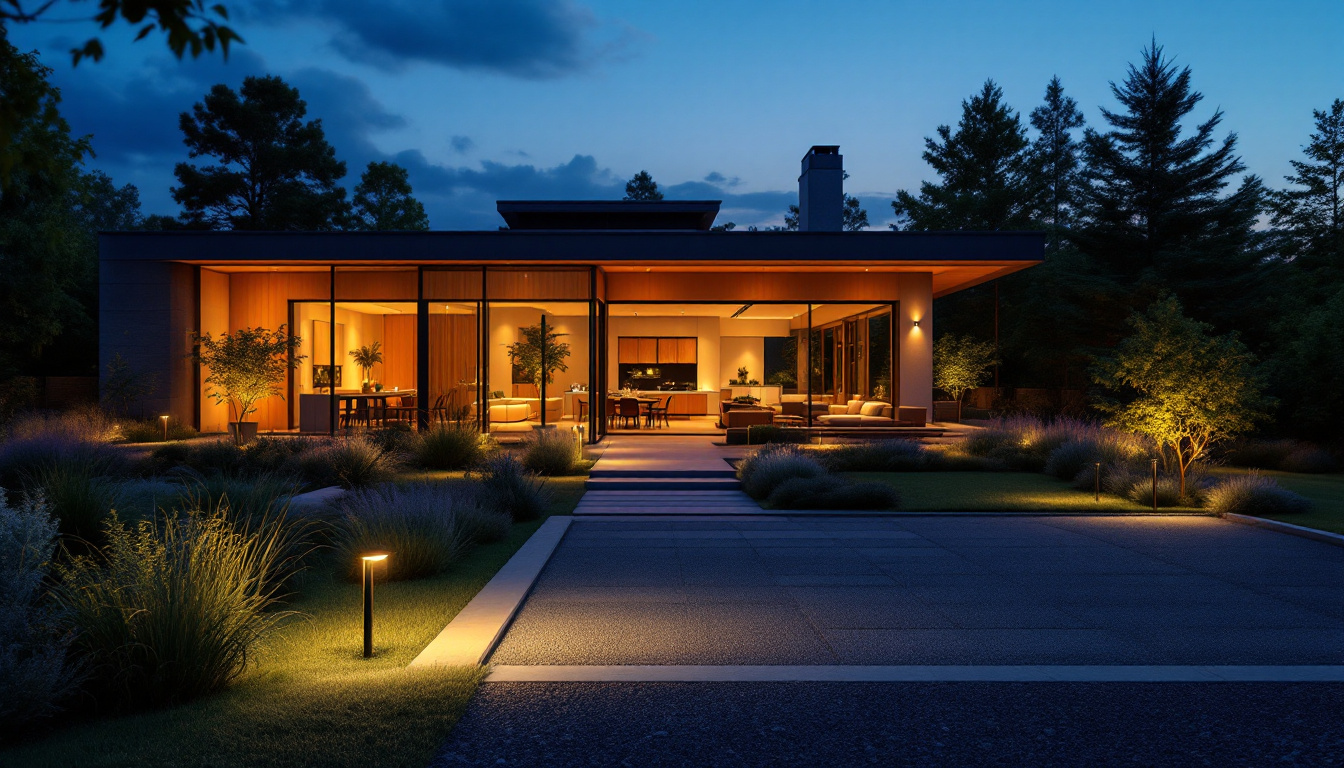
In residential settings, motion lighting can be used to enhance both safety and aesthetics. Homeowners often choose to install these lights around entry points, such as front doors and garages, to provide illumination when guests arrive. Additionally, motion lights can be placed along pathways and driveways, guiding visitors safely to the home.
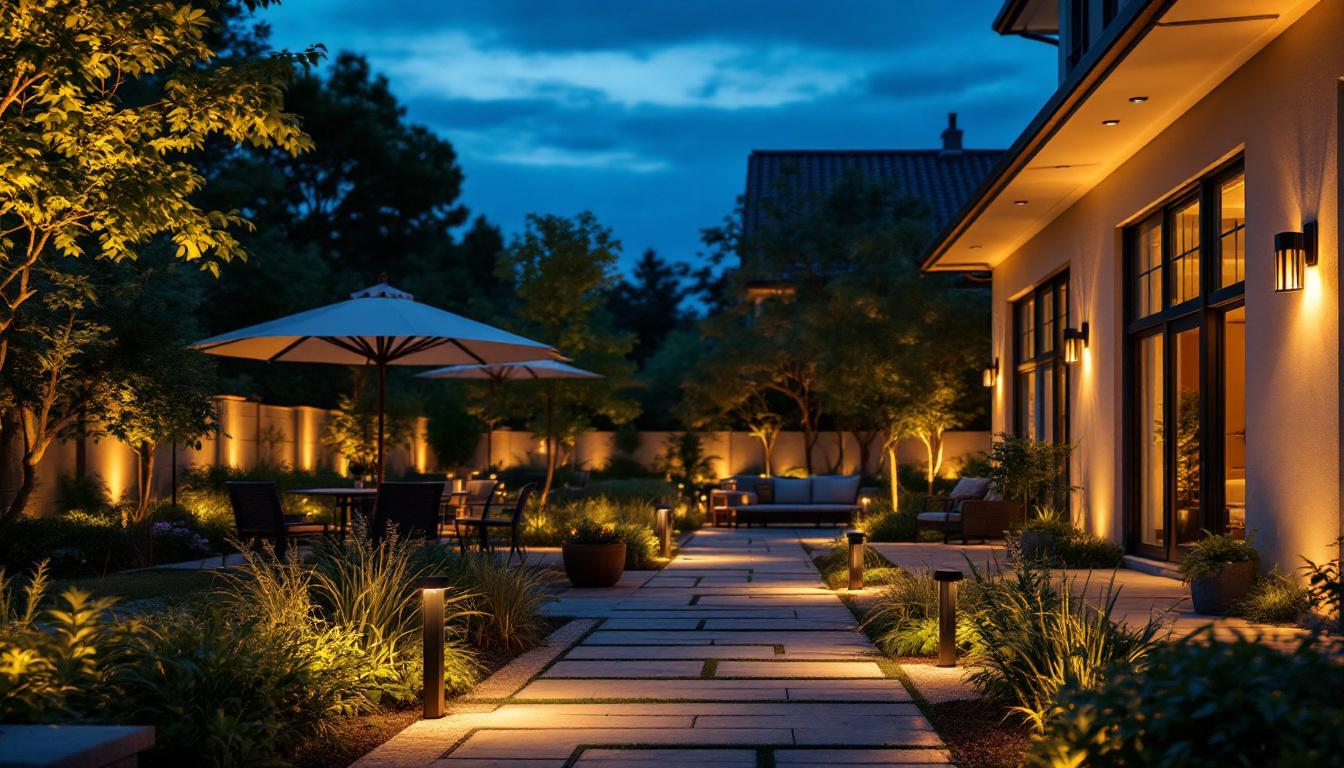
Garden and patio areas also benefit from motion lighting. These spaces can be transformed into inviting retreats with the right lighting, allowing homeowners to enjoy their outdoor areas even after sunset. Motion-activated lights can enhance the ambiance while ensuring safety, making outdoor gatherings more enjoyable. Furthermore, the use of smart motion lighting systems allows homeowners to customize settings through mobile applications, enabling them to adjust brightness levels or set specific schedules, thus enhancing both convenience and energy efficiency.
Commercial Applications
For commercial properties, outdoor motion lighting is essential for security and operational efficiency. Retail stores, office buildings, and warehouses often require robust lighting solutions to deter theft and ensure employee safety. Motion lights can be strategically placed around the perimeter of a property to create a well-lit environment that discourages unauthorized access.
Parking lots are another critical area for motion lighting in commercial settings. Well-lit parking areas not only enhance safety for customers and employees but also improve the overall perception of the business. A well-lit environment signals professionalism and care for customer safety, which can positively impact a company’s reputation. Additionally, integrating motion sensors with surveillance systems can provide an added layer of security, ensuring that any unusual activity is promptly detected and addressed, further safeguarding both assets and individuals on the premises.
Public Spaces
Outdoor motion lighting is equally important in public spaces such as parks, playgrounds, and community centers. These areas often see high foot traffic, especially during the evening hours. Motion lights can help illuminate pathways, ensuring that visitors feel safe and secure.
Moreover, public facilities can benefit from energy-efficient motion lighting systems. By only activating lights when movement is detected, municipalities can reduce energy costs while maintaining safety and accessibility for their communities. This not only contributes to sustainability efforts but also allows local governments to allocate resources more effectively, potentially redirecting savings towards other community enhancements. In addition, the aesthetic appeal of well-lit public spaces can encourage more community engagement, fostering a sense of belonging and encouraging residents to utilize these areas for social gatherings and recreational activities, thereby enhancing the quality of life in the community.
Integrating Outdoor Motion Lighting into Existing Designs
For lighting contractors, integrating outdoor motion lighting into existing projects can be a straightforward process. However, careful planning and consideration are necessary to ensure effective implementation.
Assessing the Space
The first step in integrating motion lighting is to assess the space. Understanding the layout, traffic patterns, and potential dark spots will help determine the best locations for motion lights. It is essential to consider both the functional and aesthetic aspects of the installation.
Contractors should also take into account the types of motion sensors available. Different sensors have varying detection ranges and angles, which can affect the performance of the lighting system. Selecting the right sensor for the specific application is critical for optimal results.
Design Considerations
Designing an outdoor motion lighting system involves more than just placement; it also requires consideration of the overall aesthetic. The style of the fixtures should complement the existing architecture and landscape. Whether opting for modern, traditional, or minimalist designs, ensuring that the lights blend seamlessly into the environment is key.
Additionally, contractors should think about the color temperature of the lights. Warmer tones can create a welcoming atmosphere, while cooler tones may be more suitable for security-focused applications. Balancing functionality and aesthetics will result in a more cohesive lighting design.
Installation and Maintenance
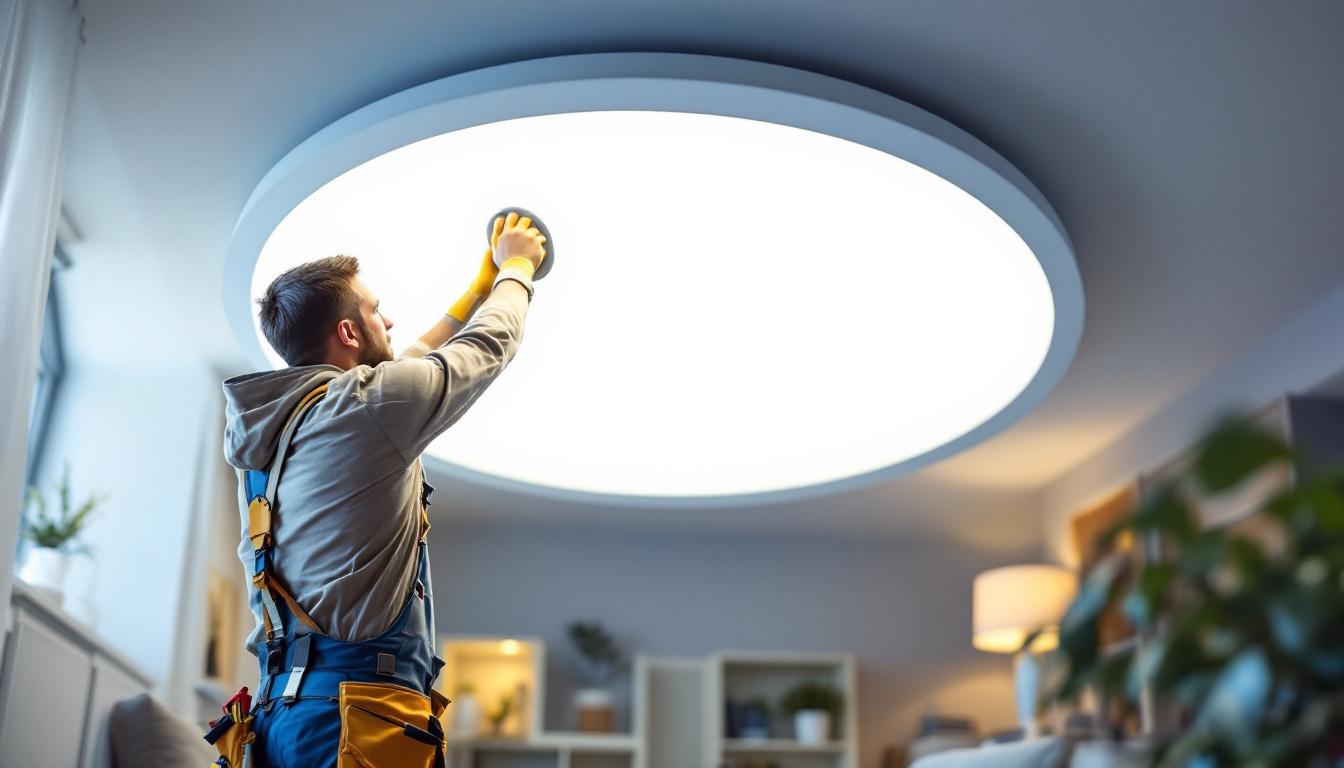
Proper installation is crucial for the effectiveness of outdoor motion lighting. Contractors should ensure that the lights are mounted at appropriate heights and angles to maximize their performance. It is also essential to test the motion sensors during installation to confirm that they are functioning correctly.
Maintenance is another important aspect to consider. Regularly checking the fixtures for dirt, debris, and malfunctions will help maintain their effectiveness over time. Educating clients about the importance of maintenance can also foster long-term relationships and trust.
Choosing the Right Products
With a myriad of outdoor motion lighting products available, selecting the right ones for specific projects can be overwhelming. However, understanding the key features and specifications can simplify the decision-making process.
Sensor Technology
When selecting motion lighting, the type of sensor technology is paramount. Passive infrared (PIR) sensors are the most common, detecting changes in heat emitted by moving objects. These sensors are effective for most applications, but they can be triggered by pets or passing vehicles, which may not always be desirable.
Another option is dual-tech sensors, which combine PIR with microwave technology. This combination increases accuracy, reducing false triggers while ensuring reliable activation. For areas with high foot traffic, dual-tech sensors may be the best choice.
Durability and Weather Resistance
Outdoor lighting fixtures must be durable and weather-resistant to withstand various environmental conditions. Look for products that are rated for outdoor use and made from materials that can resist corrosion, rust, and UV damage. This will ensure longevity and reduce the need for frequent replacements.
Smart Features
As technology advances, many outdoor motion lights now come equipped with smart features. These can include remote control capabilities, scheduling options, and integration with home automation systems. Offering clients smart lighting solutions can enhance their experience and provide added convenience.
Conclusion
Incorporating outdoor motion lighting into lighting projects is not just an afterthought; it is an essential component that can significantly enhance safety, security, and aesthetics. By understanding its importance and applications, lighting contractors can provide clients with comprehensive solutions that meet their needs.
From residential to commercial and public spaces, the benefits of outdoor motion lighting are vast. By assessing spaces, considering design elements, and choosing the right products, contractors can create effective and visually appealing lighting systems. As outdoor spaces continue to be utilized more frequently, the role of motion lighting will only grow in significance, making it a vital consideration in any lighting project.
Illuminate Your Projects with LumenWholesale
Ready to elevate your lighting projects with the best in outdoor motion lighting? At LumenWholesale, we offer the perfect combination of quality, affordability, and convenience to ensure your projects shine. Our spec-grade lighting products are designed to meet the highest industry standards, providing you with reliable, high-performance lighting at unbeatable wholesale prices. Say goodbye to middleman markups and hello to hassle-free bulk buying with free shipping. Don’t compromise on quality or value—choose LumenWholesale for Wholesale Lighting at the Best Value and make every lighting project a standout success.