Lighting installations are a vital aspect of both residential and commercial environments. However, the importance of light safety cannot be overstated. Ensuring that lighting systems are installed and maintained with safety as a priority is essential not only for the longevity of the equipment but also for the well-being of individuals who interact with these systems. This article delves into the critical aspects of light safety in lighting installations, providing insights that every lighting contractor should consider.
The Importance of Light Safety
Light safety encompasses a range of considerations, from electrical hazards to the potential for glare and inadequate illumination. Understanding these factors is crucial for contractors who aim to deliver high-quality installations that prioritize both functionality and safety. In addition to these technical aspects, light safety also plays a significant role in creating an environment that promotes well-being and comfort for occupants. A well-lit space can enhance mood, reduce stress, and even improve overall health, making it essential for contractors to approach lighting design holistically.
Electrical Hazards
One of the most pressing concerns in lighting installations is the risk of electrical hazards. Poorly installed wiring, faulty connections, and the use of substandard materials can lead to short circuits, electric shocks, or even fires. Contractors must ensure that all electrical components are compliant with local codes and standards. Regular inspections and adherence to safety protocols can significantly mitigate these risks. Furthermore, educating clients about the importance of routine maintenance and the signs of electrical issues can foster a culture of safety that extends beyond the initial installation.
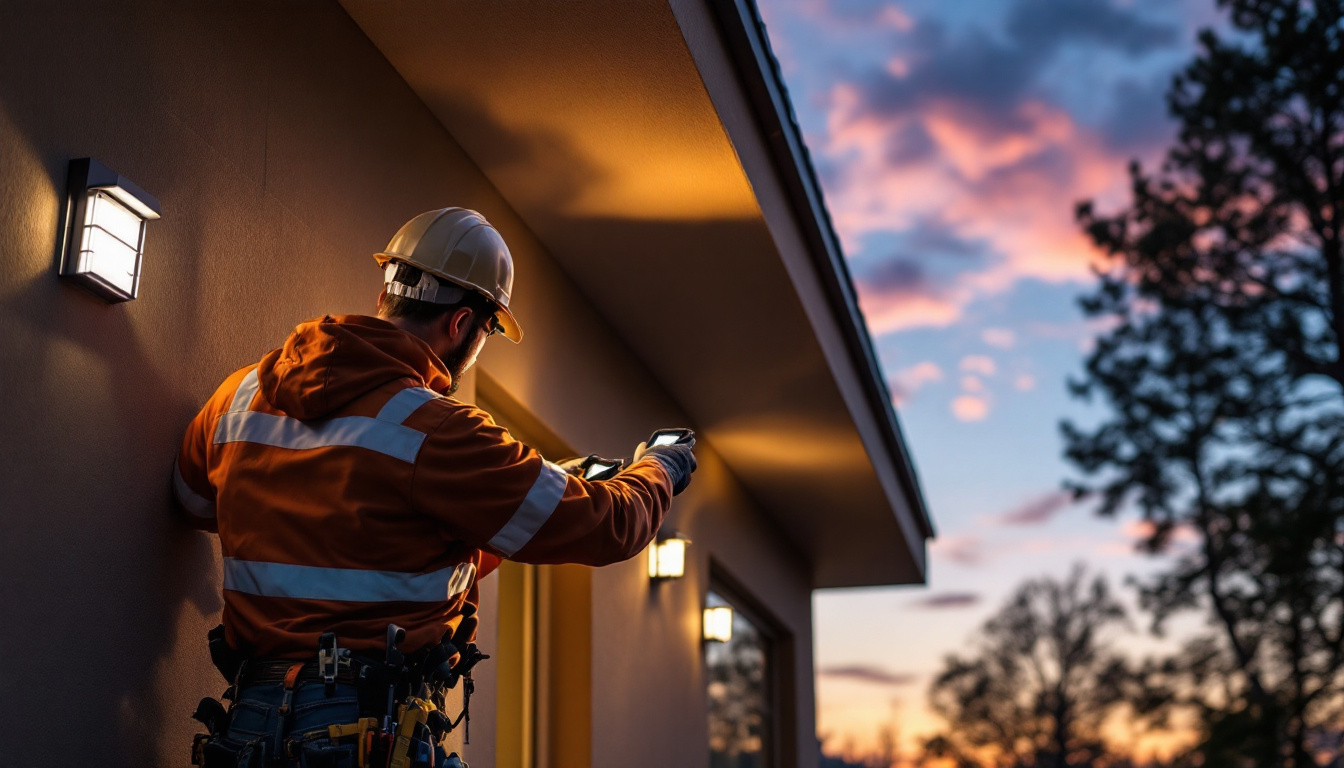
Moreover, it is essential to use appropriate protective gear during installation. This includes insulated tools and personal protective equipment (PPE) such as gloves and safety goggles. By prioritizing electrical safety, contractors can protect themselves and their clients from potential accidents. Additionally, incorporating safety training sessions for all team members can ensure that everyone is aware of the best practices in handling electrical components, thus minimizing the likelihood of mishaps on the job site.
Glare and Visual Comfort
Another critical aspect of light safety is the management of glare. Excessive brightness can cause discomfort and even impair visibility, leading to accidents. Contractors should be mindful of the placement and type of fixtures used in a space. For instance, using diffusers or selecting fixtures with lower brightness levels can help reduce glare and enhance visual comfort. Moreover, considering the color temperature of the lighting can also play a significant role in how occupants perceive their environment. Warmer tones can create a cozy atmosphere, while cooler tones may enhance alertness and focus.
Additionally, understanding the specific needs of different environments is crucial. For example, in areas where people perform detailed tasks, such as offices or workshops, lighting should be designed to minimize glare while providing adequate illumination. This consideration not only improves safety but also enhances productivity. Furthermore, incorporating adjustable lighting solutions can allow individuals to tailor the light to their specific tasks and preferences, leading to a more adaptable and user-friendly space. By taking these factors into account, contractors can create lighting solutions that not only meet safety standards but also contribute to the overall quality of life for users in the space.
Regulatory Standards and Compliance
Compliance with regulatory standards is a fundamental aspect of light safety. Various organizations and governmental bodies establish guidelines that govern electrical installations, including lighting systems. Familiarity with these regulations is essential for contractors to ensure that their work meets safety standards.
Understanding Local Codes
Local building codes often dictate specific requirements for electrical installations, including lighting. These codes may cover aspects such as wiring methods, fixture placement, and circuit load limits. Contractors should stay updated on local regulations to avoid penalties and ensure the safety of their installations.
In addition to local codes, contractors should also be aware of national standards, such as those set by the National Fire Protection Association (NFPA) and the National Electrical Code (NEC). Adhering to these guidelines not only enhances safety but also boosts the contractor’s credibility in the industry. It is crucial for contractors to regularly review these standards as they can be subject to updates and revisions, reflecting advancements in technology and safety practices. Engaging with local building authorities can also provide insights into any upcoming changes that may impact compliance.
Certification and Training
Obtaining relevant certifications can significantly enhance a contractor’s understanding of light safety. Many organizations offer training programs that cover electrical safety, lighting design principles, and compliance with regulations. These programs equip contractors with the knowledge and skills necessary to execute safe installations.
Furthermore, ongoing education is vital in a rapidly evolving industry. New technologies and materials are continuously emerging, and staying informed about these changes can help contractors implement safer and more efficient lighting solutions. For instance, advancements in LED technology not only improve energy efficiency but also require a different approach to installation and maintenance. Participation in workshops and seminars can provide valuable hands-on experience and networking opportunities with industry experts, fostering a culture of continuous learning and professional growth.
Best Practices for Safe Lighting Installations
Implementing best practices in lighting installations is key to ensuring safety. From the planning phase to the final inspection, attention to detail can prevent accidents and enhance the overall quality of the installation.
Thorough Planning and Design
The planning phase is critical in determining the safety of a lighting installation. Contractors should conduct a comprehensive assessment of the space, considering factors such as natural light sources, the purpose of the area, and the specific needs of the occupants. This assessment will inform decisions regarding fixture types, placements, and control systems.
Incorporating smart lighting solutions can also enhance safety. Automated systems that adjust lighting based on occupancy or time of day can reduce energy consumption and minimize the risk of accidents caused by inadequate illumination.
Quality Materials and Equipment
Using high-quality materials and equipment is non-negotiable for safe lighting installations. Contractors should source products from reputable manufacturers that adhere to industry standards. This includes selecting fixtures, wiring, and control systems that are designed for safety and longevity.
Additionally, regular maintenance of lighting systems is essential. Contractors should advise clients on the importance of routine inspections and replacements of worn-out components to prevent safety hazards. A proactive approach to maintenance can significantly extend the lifespan of lighting installations and ensure ongoing safety.
Addressing Specific Safety Concerns
Different environments present unique safety challenges that contractors must address. Understanding these specific concerns is crucial for delivering effective and safe lighting solutions.
Outdoor Lighting Safety
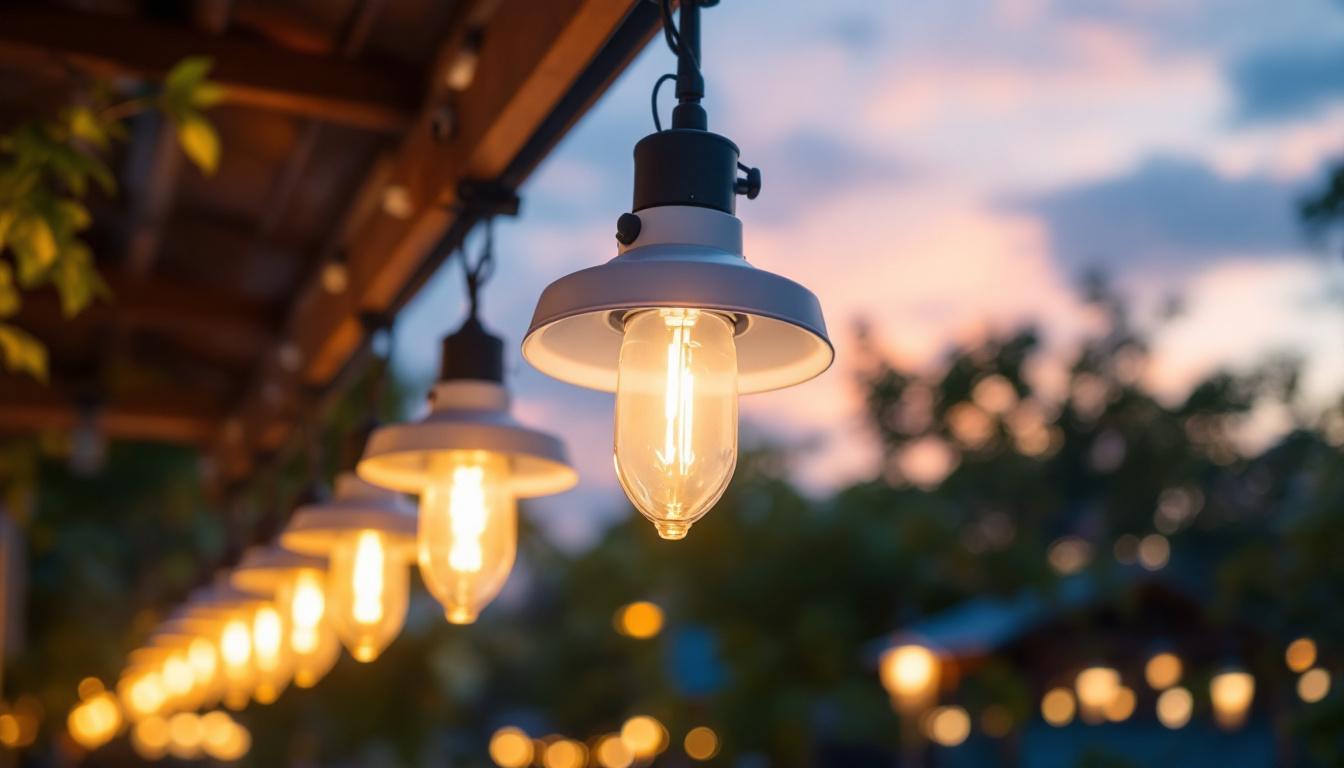
Outdoor lighting installations come with their own set of safety considerations. Weather resistance is paramount; fixtures must be designed to withstand environmental elements such as rain, snow, and extreme temperatures. Additionally, proper grounding and wiring practices are essential to prevent electrical hazards.
Moreover, outdoor lighting should be designed to enhance visibility without causing light pollution or glare. This is particularly important in residential areas where excessive brightness can disturb neighbors and wildlife. Thoughtful design can create safe outdoor spaces while respecting the surrounding environment.
Commercial Lighting Safety
In commercial settings, the safety of lighting installations is even more critical due to the higher foot traffic and diverse activities taking place. Proper illumination is essential for preventing accidents and ensuring that employees and customers can navigate the space safely.
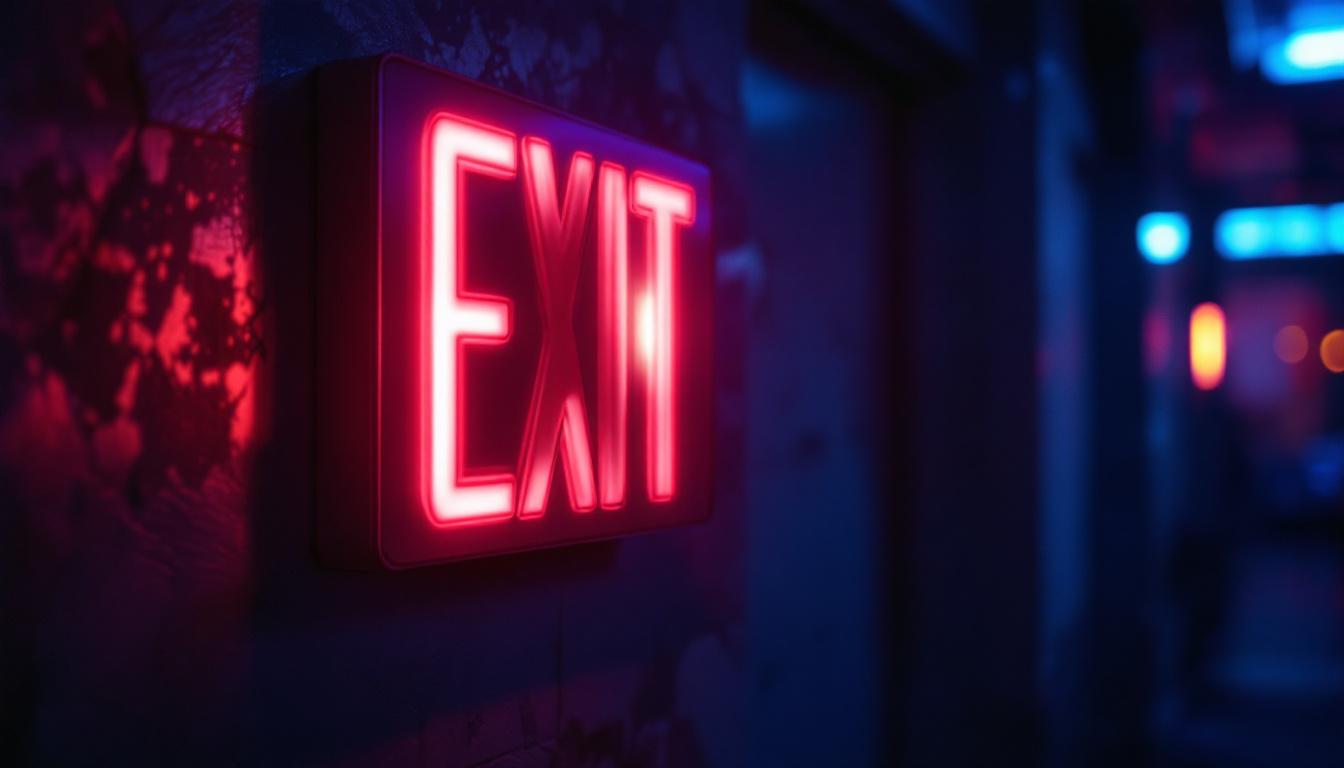
Contractors should consider the specific needs of different areas within a commercial space. For instance, high-traffic areas may require brighter lighting, while break rooms or lounges may benefit from softer, more ambient light. Additionally, emergency lighting systems must be installed in accordance with safety regulations to ensure that exits are clearly marked and accessible in case of an emergency.
Emerging Technologies and Their Impact on Light Safety
The lighting industry is continuously evolving, with new technologies emerging that can enhance safety in installations. Understanding these advancements can help contractors stay ahead of the curve and provide clients with the best solutions.
Smart Lighting Systems
Smart lighting systems offer numerous advantages when it comes to safety. These systems can be programmed to adjust automatically based on occupancy, ensuring that spaces are adequately illuminated when needed. This not only enhances safety but also contributes to energy efficiency.
Moreover, smart lighting can integrate with security systems, providing additional safety measures. For instance, lights can be programmed to turn on when motion is detected, deterring potential intruders and enhancing the overall security of a property.
LED Technology
LED lighting has transformed the industry, offering numerous benefits that contribute to safety. LEDs are more energy-efficient and have a longer lifespan compared to traditional lighting options. This longevity reduces the need for frequent replacements, minimizing the risk of accidents during maintenance.
Additionally, LED fixtures can be designed to provide uniform illumination, reducing the risk of glare and shadows that can lead to accidents. Their versatility allows for creative designs that enhance both aesthetics and safety in various environments.
Conclusion
Light safety is a critical consideration in lighting installations, impacting not only the functionality of the systems but also the well-being of individuals who interact with them. By understanding the importance of electrical safety, compliance with regulations, and best practices for installation, lighting contractors can deliver high-quality, safe solutions.
As the industry continues to evolve with emerging technologies, staying informed and adapting to new advancements will be essential. Prioritizing safety in every aspect of lighting installations not only protects clients and contractors but also enhances the overall quality and reliability of lighting systems.
In conclusion, light safety is not just a regulatory requirement; it is a commitment to excellence in the lighting industry. By embracing this commitment, contractors can ensure that their installations are safe, effective, and sustainable for years to come.
Illuminate with Confidence and Value
At LumenWholesale, we understand the critical role of light safety in every installation. That’s why we offer contractors an extensive selection of top-quality, spec-grade lighting products that meet the highest industry standards. With our unbeatable wholesale prices and commitment to cutting out the middleman, you can trust that you’re getting superior lighting products at the best value. Plus, with free shipping on bulk orders, you can stock up on reliable, high-performance lighting without worrying about hidden fees or compromises. Elevate your lighting installations with the perfect blend of quality, affordability, and convenience. Explore our wholesale lighting options today and make a commitment to excellence in every project.