In the realm of lighting design and installation, the efficiency of electrical outlets plays a pivotal role. Understanding how to optimize these outlets can lead to enhanced performance, reduced energy consumption, and improved overall satisfaction for clients. This article delves into the intricacies of electrical outlets, offering insights and strategies tailored for lighting contractors aiming to maximize efficiency.
Understanding Electrical Outlets in Lighting Systems
Electrical outlets are often overlooked in the broader context of lighting design. However, their configuration and placement can significantly impact the effectiveness of lighting installations. It is essential to recognize the types of outlets available and their specific applications in lighting systems.
Types of Electrical Outlets
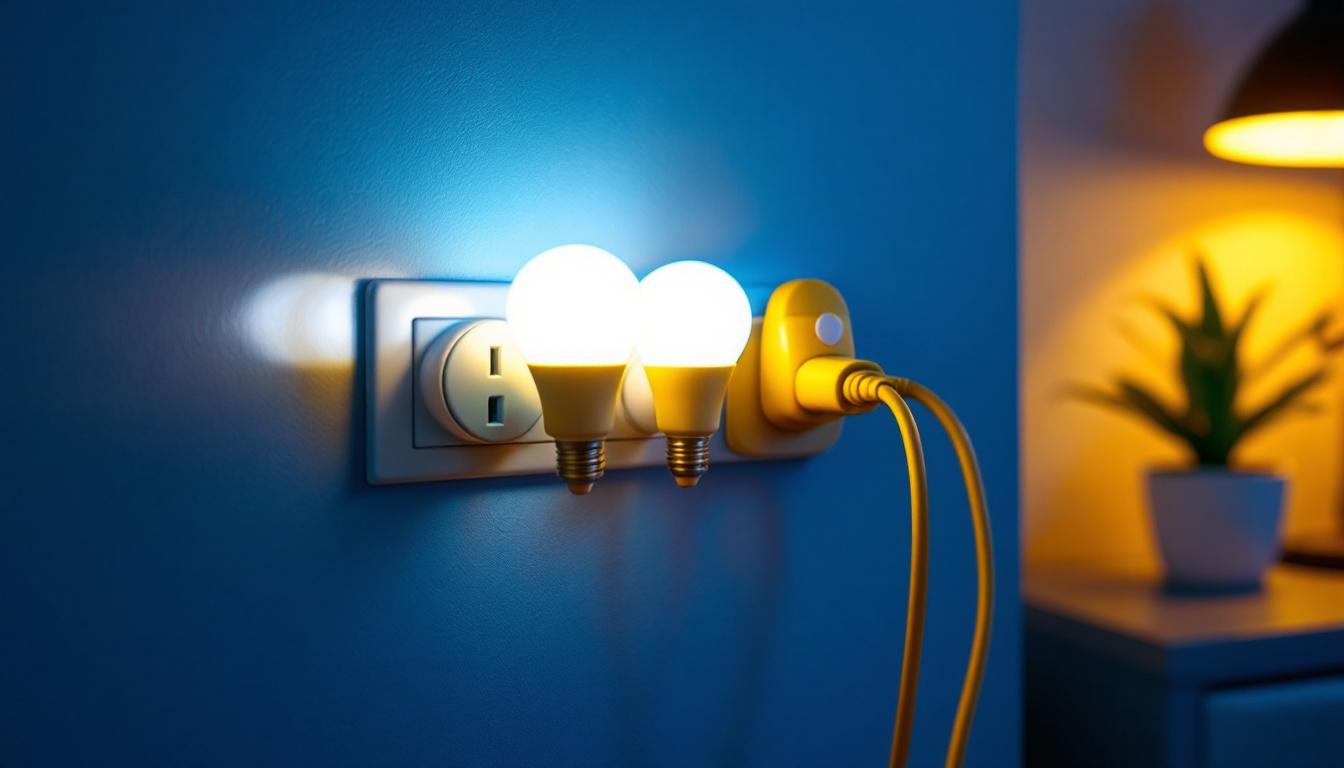
There are various types of electrical outlets, each designed for specific purposes. Standard outlets, GFCI outlets, and smart outlets are among the most common. Standard outlets are typically used for general lighting and appliance connections. GFCI outlets, which provide ground fault protection, are crucial in areas prone to moisture, such as kitchens and bathrooms. Smart outlets, on the other hand, allow for remote control and automation, making them ideal for modern lighting systems.
Choosing the right outlet type is essential for ensuring safety and efficiency. For instance, using GFCI outlets in wet locations not only complies with electrical codes but also enhances the longevity of lighting fixtures by preventing moisture-related damage. Moreover, the advent of smart technology has revolutionized how we interact with our lighting systems. Smart outlets can be integrated with home automation systems, enabling users to control lighting via smartphone apps or voice commands. This integration not only adds convenience but also promotes energy savings by allowing users to schedule lighting based on their daily routines.
Placement Considerations
The placement of electrical outlets can dramatically influence lighting efficiency. Outlets should be strategically located to minimize the length of wiring runs, which can lead to voltage drops and energy loss. Additionally, considering the height and accessibility of outlets is crucial for ease of use and maintenance.
When planning outlet placement, it is beneficial to collaborate with clients to understand their specific needs and preferences. This ensures that outlets are positioned in a way that complements the overall design and functionality of the space. For example, in a home office, placing outlets near the desk can facilitate easy access to power for task lighting and electronic devices. Furthermore, in larger spaces such as living rooms or open-concept areas, multiple outlets may be necessary to accommodate various lighting options, including floor lamps, wall sconces, and decorative fixtures. Thoughtful outlet placement not only enhances the aesthetic appeal of a room but also ensures that the lighting can be effectively utilized to create the desired ambiance and functionality throughout the space.
Maximizing Efficiency through Proper Wiring Techniques
Wiring techniques play a critical role in the efficiency of electrical outlets. Proper installation not only enhances performance but also reduces the risk of electrical issues in the future. Here are some key wiring techniques to consider.
Using Quality Materials
The choice of materials used in wiring can significantly impact efficiency. High-quality wiring and connectors reduce resistance, which in turn minimizes energy loss. It is advisable to use copper wiring, as it offers excellent conductivity compared to aluminum wiring.
Additionally, employing appropriate gauge wiring for the specific load requirements is essential. Using a wire gauge that is too small can lead to overheating and potential fire hazards, while using a gauge that is too large may be unnecessarily costly.
Moreover, the insulation material surrounding the wiring also plays a vital role in efficiency. Choosing insulation that can withstand higher temperatures and environmental conditions will not only prolong the lifespan of the wiring but also enhance overall safety. For instance, thermoplastic insulation is often preferred for its durability and resistance to moisture, making it ideal for various applications, including outdoor and industrial settings.
Implementing Circuit Optimization
Optimizing circuits is another effective way to enhance outlet efficiency. This involves ensuring that circuits are balanced and that the load is evenly distributed across outlets. Overloading a single circuit can lead to tripped breakers and reduced performance.
Consideration should also be given to the use of dedicated circuits for high-wattage lighting fixtures. This can prevent interference from other devices and ensure that lighting operates at peak efficiency.
In addition, implementing smart technology can further streamline circuit optimization. Smart circuit breakers and load management systems can monitor energy consumption in real-time, allowing homeowners and businesses to identify inefficiencies and adjust usage accordingly. This proactive approach not only maximizes efficiency but can also lead to significant cost savings on energy bills over time. Furthermore, integrating energy-efficient appliances and devices into these optimized circuits can create a comprehensive system that promotes sustainability and reduces the overall carbon footprint.
Incorporating Smart Technology
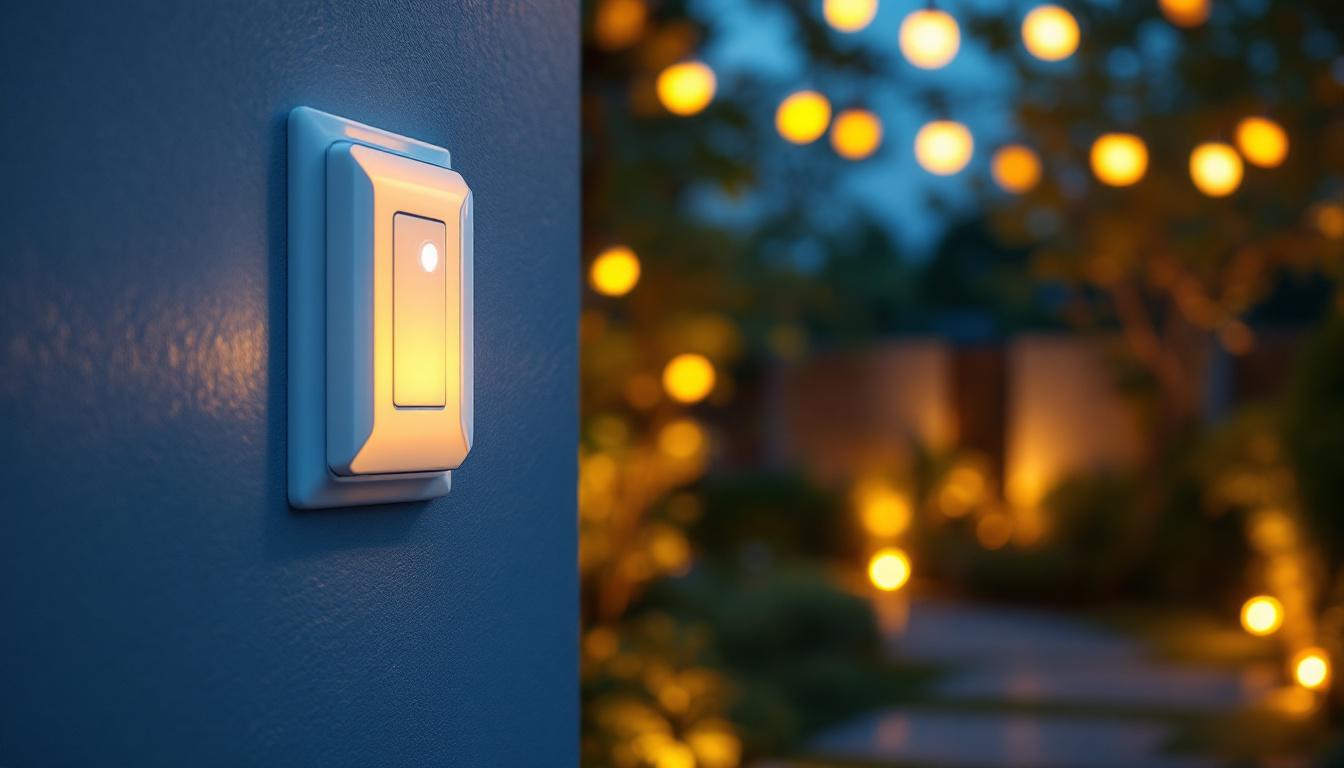
The integration of smart technology into lighting systems is becoming increasingly popular. Smart outlets and switches allow for greater control over lighting, enabling contractors to offer clients enhanced functionality and efficiency. As the demand for energy-efficient solutions grows, the adoption of these technologies is not just a trend but a significant shift towards sustainable living.
Benefits of Smart Outlets
Smart outlets provide numerous benefits, including remote control capabilities, energy monitoring, and scheduling features. These functionalities allow users to manage their lighting more effectively, reducing energy consumption when lights are not needed. The convenience of controlling lights from a smartphone or tablet means that homeowners can easily adjust their lighting settings from anywhere, ensuring that they never have to return home to a dark house or waste energy on lights left on unnecessarily.
Moreover, smart outlets can be integrated with home automation systems, enabling seamless control of lighting alongside other home devices. This not only enhances user experience but also contributes to energy savings. For example, when paired with smart thermostats, lighting can be programmed to adjust based on the heating or cooling needs of a home, optimizing energy use throughout the day. The ability to create customized lighting scenes for different activities—such as movie nights or dinner parties—further elevates the ambiance of a home while maximizing efficiency.
Energy Monitoring and Management
Energy monitoring features in smart outlets can provide valuable insights into energy usage patterns. By analyzing this data, contractors can make informed recommendations to clients on how to optimize their lighting systems further. These insights can reveal trends, such as peak usage times or specific fixtures that consume more energy than expected, allowing for targeted improvements that can lead to significant cost savings over time.
For instance, if energy monitoring indicates that certain lights are frequently left on unnecessarily, contractors can suggest the installation of motion sensors or timers to automate lighting control, thus enhancing efficiency. Additionally, the integration of smart technology can facilitate the use of renewable energy sources, such as solar panels, by allowing homeowners to schedule their lighting to operate during peak solar production hours. This not only reduces reliance on grid electricity but also supports a more sustainable lifestyle, aligning with the growing trend towards eco-conscious living. As smart technology continues to evolve, the possibilities for innovative lighting solutions seem limitless, paving the way for a future where energy management is both effortless and efficient.
Enhancing Aesthetics While Maintaining Efficiency
While efficiency is a primary concern, aesthetics should not be overlooked in lighting design. The visual appeal of lighting installations can significantly influence client satisfaction. Striking a balance between aesthetics and efficiency is key.
Choosing the Right Fixtures
The selection of lighting fixtures can impact both the efficiency of the electrical outlet and the overall design of the space. Energy-efficient fixtures, such as LED lights, consume less power while providing ample illumination.
Moreover, the design of the fixtures should complement the space’s aesthetic. Contractors should consider the style, color temperature, and brightness of the fixtures to ensure they align with the client’s vision.
Utilizing Dimmers and Controls
Dimmers and lighting controls are excellent tools for enhancing both efficiency and aesthetics. By allowing users to adjust the brightness of lights, dimmers can help reduce energy consumption while creating the desired ambiance.
Incorporating controls that allow for different lighting scenes can also enhance the functionality of a space. For example, a living room might benefit from bright lighting for activities and softer lighting for relaxation. This versatility can lead to increased client satisfaction and energy savings.
Regular Maintenance for Optimal Performance
Regular maintenance of electrical outlets and lighting systems is crucial for ensuring long-term efficiency. Neglecting maintenance can lead to performance issues and increased energy consumption over time.
Establishing a Maintenance Schedule
Contractors should encourage clients to establish a regular maintenance schedule for their lighting systems. This can include checking for loose connections, inspecting outlets for wear and tear, and testing smart technology features.
By proactively addressing potential issues, clients can avoid costly repairs and ensure their lighting systems operate at peak efficiency. Additionally, educating clients on the importance of maintenance can foster long-term relationships and repeat business.
Upgrading Outdated Systems
As technology advances, older lighting systems may become less efficient. Contractors should be prepared to recommend upgrades to clients when necessary. This could involve replacing outdated fixtures with energy-efficient options or upgrading electrical outlets to accommodate smart technology.
Staying informed about the latest advancements in lighting technology allows contractors to provide valuable insights to clients, ensuring they benefit from the most efficient solutions available.
Conclusion: The Path to Maximum Efficiency
Optimizing electrical outlets for maximum efficiency in lighting requires a multifaceted approach. By understanding the types of outlets, employing proper wiring techniques, incorporating smart technology, balancing aesthetics with functionality, and maintaining systems regularly, lighting contractors can significantly enhance the performance of their installations.
Ultimately, the goal is to create lighting solutions that not only meet the needs of clients but also contribute to energy savings and sustainability. By prioritizing efficiency in every aspect of lighting design and installation, contractors can position themselves as leaders in the industry, fostering trust and satisfaction among their clients.
In a world increasingly focused on energy conservation and smart technology, the role of the lighting contractor is evolving. Embracing these changes and implementing strategies to optimize electrical outlets will ensure success in delivering high-quality, efficient lighting solutions.
Get Your Lighting Essentials at LumenWholesale
Ready to elevate your lighting projects with efficiency and style? Look no further than LumenWholesale for all your lighting needs. We offer an extensive range of high-quality, spec-grade lighting products at unbeatable wholesale prices, ensuring you get the best value for your investment. Say goodbye to middleman markups and hello to reliable, high-performance lighting that meets the highest industry standards. Plus, with free shipping on bulk orders, you can stock up on premium lighting without worrying about hidden fees. Make your next lighting project a shining success with the perfect blend of quality, affordability, and convenience at LumenWholesale. Discover our selection and start optimizing your lighting efficiency today by visiting Wholesale Lighting at the Best Value.