Lighting plays a crucial role in enhancing the beauty and functionality of outdoor spaces, especially around the front door. For lighting contractors, understanding the best practices for outdoor lighting installation can significantly impact the aesthetic appeal and safety of residential properties. This article explores proven methods for effectively illuminating front doors, ensuring that contractors can deliver exceptional results to their clients.
Understanding the Importance of Outdoor Lighting
Outdoor lighting serves multiple purposes, from enhancing security to improving curb appeal. For homeowners, the front door is often the focal point of their property, making it essential to highlight this area effectively. Proper lighting not only welcomes guests but also deters potential intruders.
Moreover, outdoor lights can enhance the architectural features of a home, creating a warm and inviting atmosphere. When lighting contractors understand the significance of these elements, they can better advise their clients on the best solutions for their specific needs. The right outdoor lighting can also increase the value of a property, making it more appealing to potential buyers who appreciate the aesthetic and functional benefits of a well-lit exterior.
Enhancing Safety and Security
One of the primary reasons for installing outdoor lighting is to enhance safety and security. Well-lit entryways reduce the risk of accidents, such as trips and falls, especially during nighttime. Additionally, a well-illuminated front door area can deter unwanted visitors, making it less likely for intruders to approach a home.
Contractors should consider motion-sensor lights or timers that automatically turn on at dusk. These features not only provide convenience but also ensure that the front door remains illuminated when it is most needed. Furthermore, integrating smart lighting systems can allow homeowners to control their outdoor lights remotely, providing an added layer of security. For example, lights can be programmed to turn on and off at specific times, creating the illusion that someone is home even when the house is empty.
Creating an Inviting Atmosphere
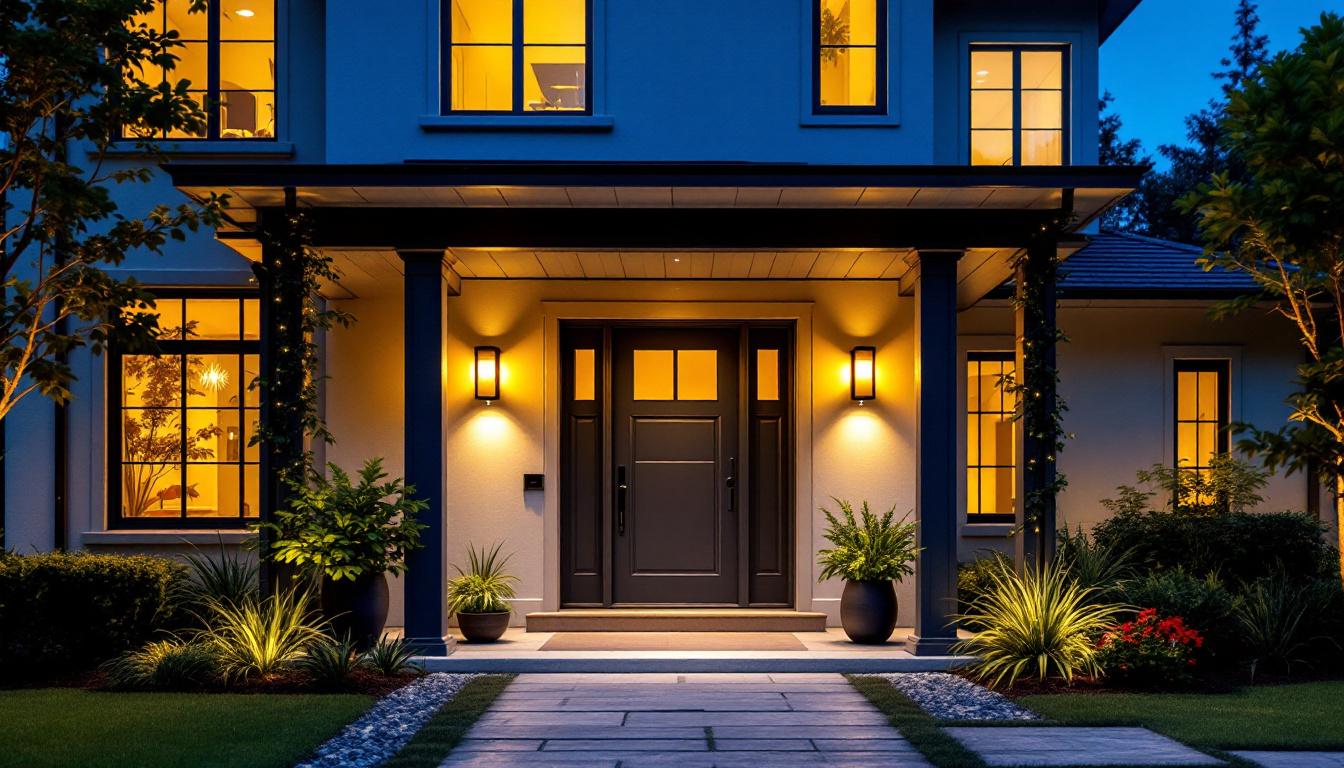
Outdoor lighting can transform a dull entryway into an inviting space. By strategically placing lights around the front door, contractors can create a warm ambiance that welcomes guests. Using a combination of ambient, task, and accent lighting can achieve this effect.
For instance, wall sconces flanking the door can provide soft illumination, while pathway lights leading up to the entrance can guide visitors safely. Additionally, uplighting on nearby trees or architectural features can add depth and interest to the overall design. Incorporating solar-powered lights can be an eco-friendly option that not only reduces energy costs but also enhances the sustainability of the home. Homeowners can choose from a variety of styles and finishes to ensure that the lighting complements the overall aesthetic of their property, whether it be modern, traditional, or somewhere in between. This thoughtful approach to outdoor lighting can elevate the overall experience of arriving at home, making it a more pleasurable and memorable moment for both residents and guests alike.
Choosing the Right Fixtures
Selecting the appropriate fixtures is crucial for achieving the desired lighting effect. Various styles and types of outdoor lights are available, each with its own advantages and aesthetic appeal. Lighting contractors must consider the architecture of the home, the surrounding landscape, and the specific needs of the homeowner when making recommendations. The right fixtures not only enhance the beauty of the property but also improve safety and functionality, creating a welcoming environment for both residents and visitors alike.
Wall Sconces
Wall sconces are a popular choice for illuminating front doors. They can be mounted on either side of the door to provide balanced lighting. When choosing sconces, contractors should consider the height at which they are installed, as well as the style and finish that complements the home’s exterior. The choice of materials, such as weather-resistant metals or glass, can also impact the longevity and maintenance of the fixtures.
Additionally, selecting fixtures with adjustable brightness can allow homeowners to customize the level of illumination based on their preferences and the time of day. This flexibility can significantly enhance the functionality of the lighting design. Moreover, incorporating dimmable options can create a cozy ambiance for evening gatherings or special occasions, making the entrance not just a point of access but a focal point of the home’s exterior.
Post Lanterns and Pathway Lights
Post lanterns and pathway lights are essential for guiding guests to the front door. These fixtures not only illuminate the path but also add character to the landscape. When installing pathway lights, contractors should ensure they are spaced evenly to create a cohesive look. The height and design of these lights can also influence the overall aesthetic, with options ranging from traditional lantern styles to sleek, modern designs that can complement various architectural themes.
Furthermore, using solar-powered lights can be an eco-friendly option that reduces energy costs. However, it’s essential to ensure that these lights receive adequate sunlight throughout the day to function effectively at night. Additionally, homeowners may want to consider fixtures that feature LED technology, which not only provides bright illumination but also has a longer lifespan and lower energy consumption compared to traditional bulbs, making them a sustainable choice for outdoor lighting.
Smart Lighting Solutions
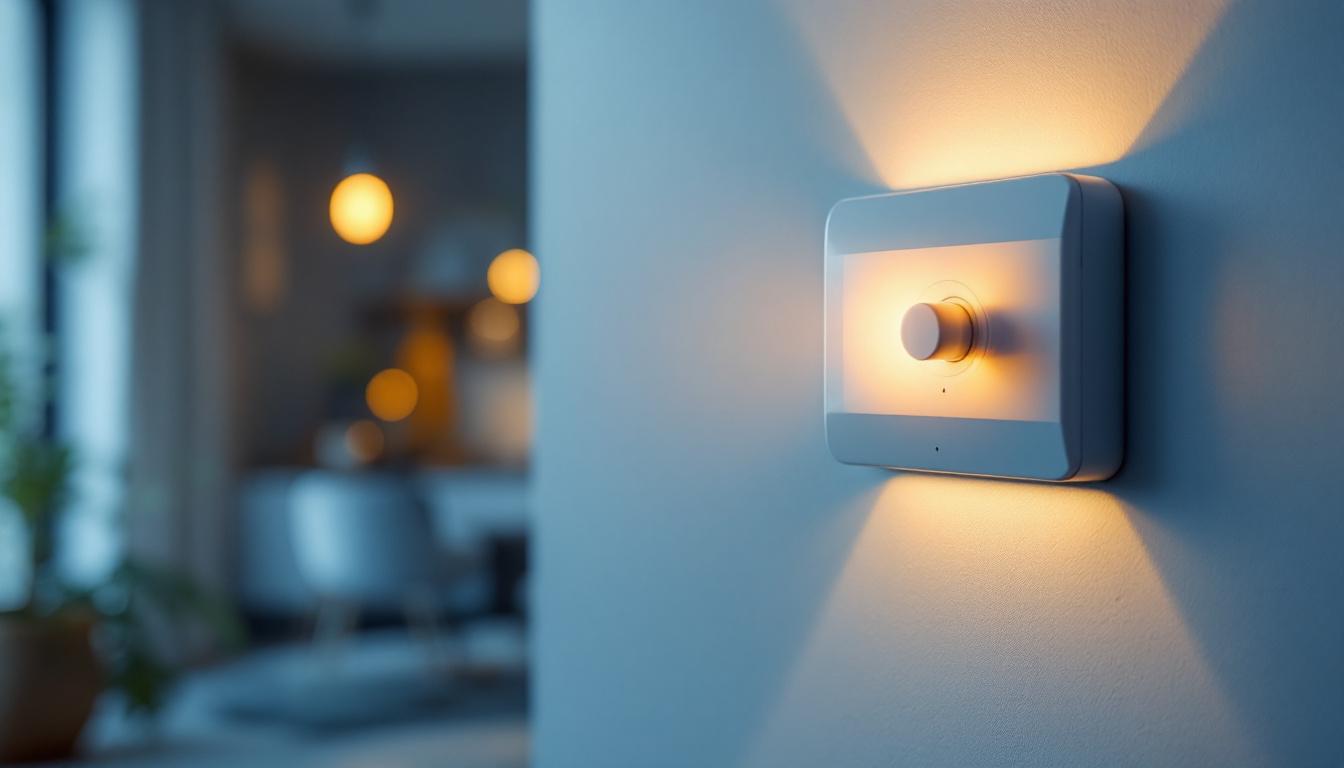
In today’s digital age, smart lighting solutions are becoming increasingly popular. These systems allow homeowners to control their outdoor lights remotely, set schedules, and adjust brightness levels through their smartphones or smart home devices. Lighting contractors should familiarize themselves with these technologies to offer clients modern and convenient options. The integration of smart lighting can also facilitate energy savings, as homeowners can program their lights to turn off when not in use or adjust them based on the time of day.
Integrating smart lighting can also enhance security features, such as setting lights to turn on automatically when motion is detected. This added layer of security can be a significant selling point for homeowners. Moreover, many smart lighting systems can be synchronized with other home automation devices, allowing for a seamless experience where outdoor lights can be part of a larger security or convenience system, providing peace of mind and enhancing the overall living experience.
Design Considerations for Outdoor Lighting
Designing an effective outdoor lighting scheme requires careful planning and consideration. Lighting contractors must take into account various factors, including the layout of the property, the surrounding landscape, and the preferences of the homeowner.
Layering Light
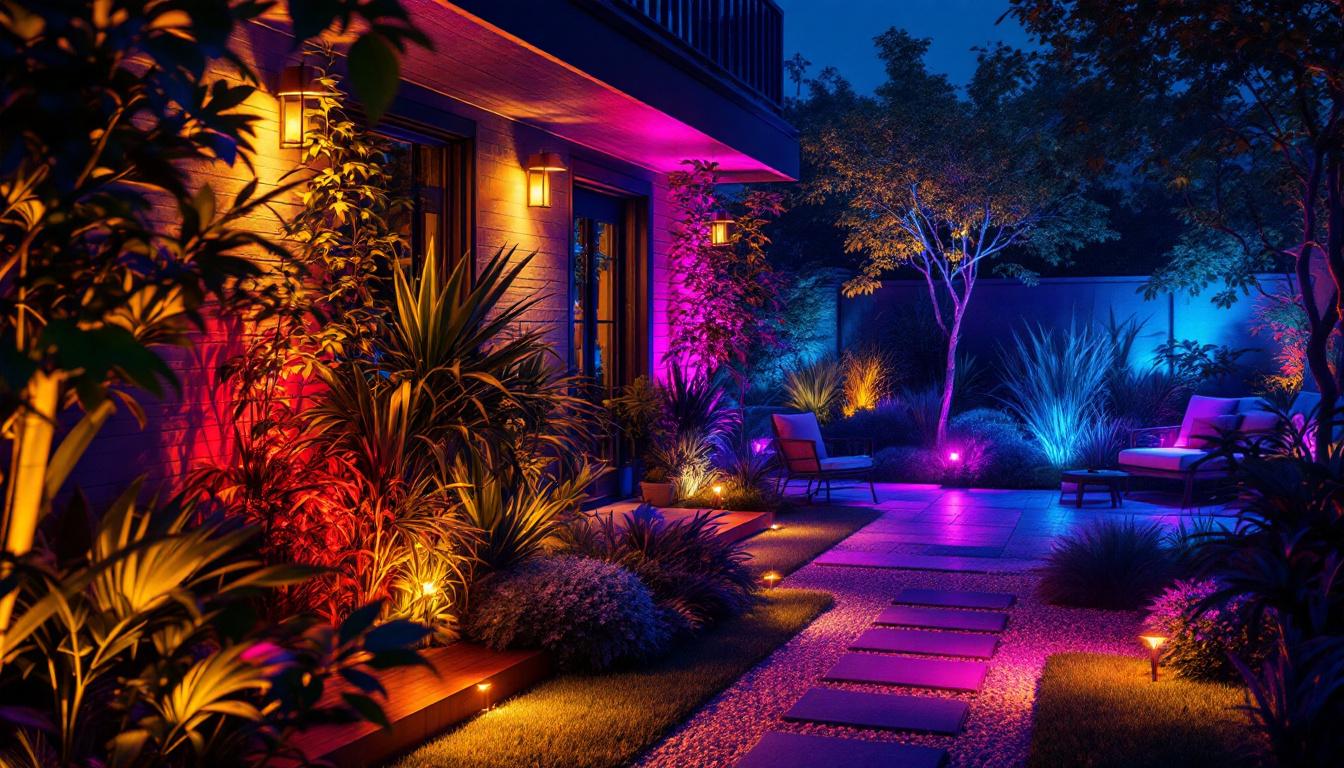
Layering light is a design technique that involves using multiple lighting sources to create depth and dimension. For outdoor spaces, this can include a combination of ambient, task, and accent lighting. By layering light, contractors can achieve a balanced and visually appealing effect.
For example, ambient lighting can provide overall illumination, while task lighting focuses on specific areas, such as the front door. Accent lighting can highlight architectural features or landscaping elements, adding interest to the design.
Considering Light Color and Temperature
The color and temperature of the light can significantly impact the overall ambiance of the outdoor space. Warm white lights (around 2700K to 3000K) create a cozy and inviting atmosphere, while cooler white lights (above 4000K) can produce a more modern and energetic feel.
Contractors should discuss light color options with homeowners to ensure the chosen fixtures align with their desired aesthetic. Additionally, considering the surrounding environment can help determine the most suitable light temperature for the space.
Addressing Local Regulations and Guidelines
Before proceeding with an outdoor lighting installation, contractors must be aware of any local regulations or guidelines regarding outdoor lighting. Many municipalities have specific rules regarding light pollution, fixture brightness, and placement to minimize the impact on neighboring properties and wildlife.
Staying informed about these regulations not only ensures compliance but also demonstrates professionalism and respect for the community. Educating clients about these guidelines can also help manage expectations and lead to a smoother installation process.
Installation Tips for Lighting Contractors
Successful outdoor lighting installations require attention to detail and adherence to best practices. Lighting contractors should follow specific tips to ensure a seamless and effective installation process.
Planning the Layout
Before installation begins, it’s essential to plan the layout of the lighting design. Contractors should walk the property with the homeowner to identify key areas that need illumination. This collaborative approach ensures that the homeowner’s preferences are considered while also allowing the contractor to provide professional insights.
Using a diagram or sketch can help visualize the placement of fixtures and the overall lighting effect. This planning phase is critical for avoiding mistakes and ensuring that all areas are adequately lit.
Testing Light Placement
Once the layout is planned, contractors should test the placement of lights before finalizing the installation. This can involve temporarily setting up fixtures and adjusting their positions to achieve the desired effect. Testing allows contractors to evaluate the brightness, angle, and overall impact of the lighting.
Soliciting feedback from the homeowner during this phase can help ensure satisfaction with the final result. Adjustments made at this stage can save time and resources in the long run.
Ensuring Proper Wiring and Safety
Safety is paramount when installing outdoor lighting. Contractors must ensure that all wiring is done correctly and complies with local electrical codes. Using weather-resistant materials and fixtures designed for outdoor use is essential to prevent damage and ensure longevity.
Additionally, contractors should educate homeowners about the importance of regular maintenance, such as checking for burnt-out bulbs and ensuring that fixtures remain clean and functional. Providing this information can enhance customer satisfaction and lead to future referrals.
Conclusion
Outdoor lighting by the front door is an essential aspect of residential design that enhances safety, security, and aesthetic appeal. For lighting contractors, mastering the art of outdoor lighting installation involves understanding the various fixtures, design principles, and installation techniques.
By implementing proven methods and staying informed about the latest trends and technologies, contractors can deliver exceptional results that meet the needs of their clients. Ultimately, effective outdoor lighting not only transforms properties but also creates welcoming spaces that invite guests and enhance the overall experience of homeownership.
Illuminate Your Projects with LumenWholesale
Ready to elevate your outdoor lighting installations with the finest selection of spec-grade fixtures? Look no further than LumenWholesale, where we provide lighting contractors with exceptional quality and value. Our extensive range of products is designed to meet the highest industry standards, ensuring that your projects shine with reliability and performance. With unbeatable wholesale prices and the convenience of free shipping on bulk orders, you can trust LumenWholesale to light up your work without the burden of hidden costs. Discover the perfect fusion of quality, affordability, and convenience. Wholesale Lighting at the Best Value is just a click away.