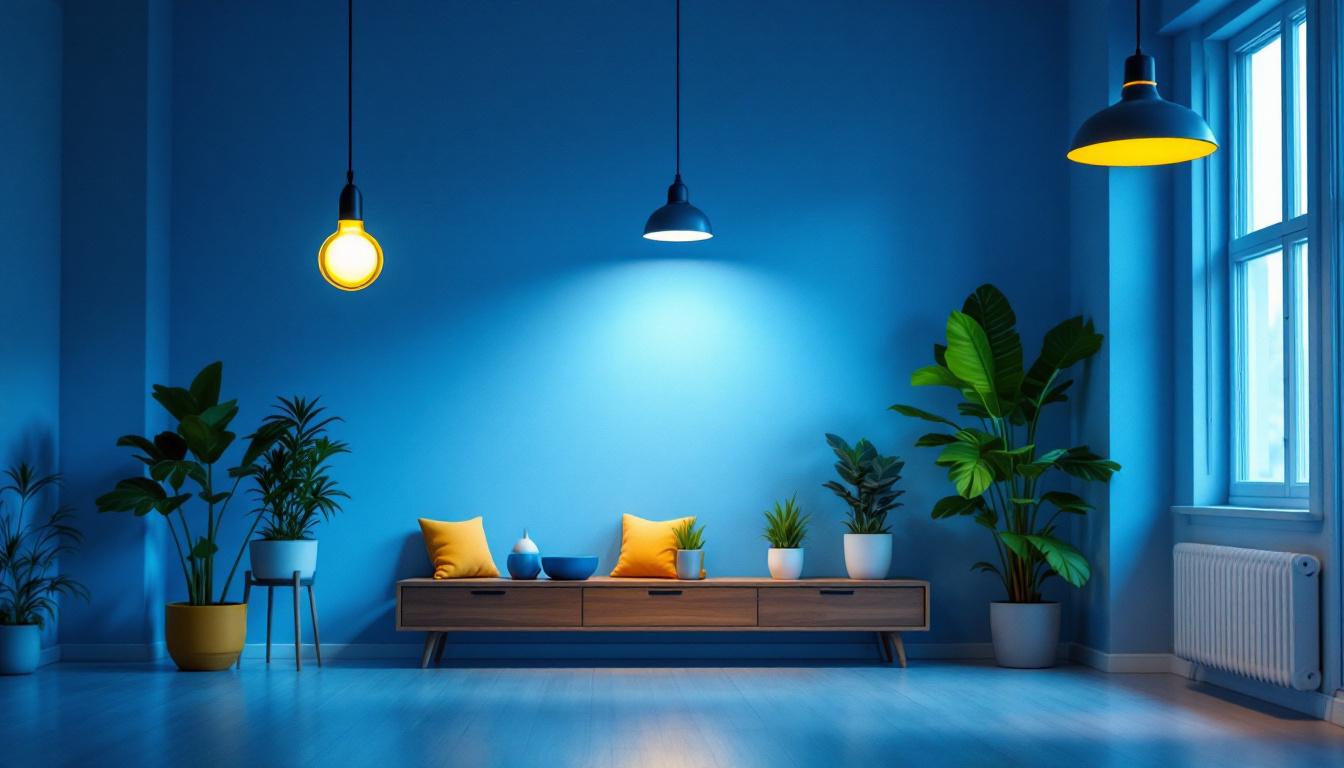
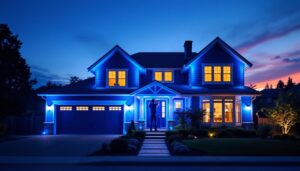
Lighting plays a crucial role in both residential and commercial spaces, impacting not only aesthetics but also energy consumption and overall efficiency. For lighting contractors, understanding how to optimize lighting systems for maximum efficiency is essential. This article delves into various strategies and technologies that can be utilized to enhance lighting efficiency, ensuring that projects meet client expectations while also adhering to sustainability practices.
Understanding Lighting Efficiency
Before diving into optimization techniques, it’s important to grasp the concept of lighting efficiency. This term refers to the amount of light produced per watt of electricity consumed. The higher the efficiency, the less energy is wasted, leading to lower utility bills and a reduced carbon footprint.
Lighting efficiency can be influenced by several factors, including the type of light source used, the design of the lighting system, and the control mechanisms in place. By focusing on these areas, contractors can significantly improve the performance of lighting installations. Additionally, advancements in technology have introduced smart lighting solutions that can further enhance efficiency by allowing for real-time adjustments based on occupancy and natural light levels.
Types of Light Sources
The choice of light source is one of the most critical decisions in optimizing lighting efficiency. Traditional incandescent bulbs are being replaced by more energy-efficient options such as LED and CFL (compact fluorescent lamp) bulbs. LEDs, in particular, stand out due to their longevity and low energy consumption. Furthermore, the rapid evolution of LED technology has led to the development of tunable white and color-changing options, providing even greater versatility for various applications.
When selecting light sources, it’s essential to consider the lumen output, color temperature, and the intended application. For example, LEDs can provide a wide range of color temperatures, which can influence the ambiance of a space. Understanding these characteristics allows contractors to make informed decisions that enhance both efficiency and aesthetics. Moreover, the integration of energy-efficient light sources with smart controls can lead to significant energy savings, as these systems can adjust brightness levels based on the time of day or occupancy, ensuring that energy is not wasted in unoccupied areas.
Lighting Design Principles
Effective lighting design is about more than just placing fixtures; it involves creating a balanced and functional lighting scheme. This includes considering the layout of the space, the purpose of the lighting, and the natural light available. A well-designed lighting system can reduce the number of fixtures needed, thereby lowering energy consumption. Additionally, the use of daylighting strategies—such as skylights and light tubes—can further enhance energy efficiency by maximizing the use of natural light throughout the day.
Utilizing techniques such as layering light—combining ambient, task, and accent lighting—can create a more versatile and efficient lighting solution. Additionally, employing reflective surfaces and strategic fixture placement can maximize light distribution while minimizing energy use. It’s also crucial to incorporate dimming capabilities and occupancy sensors, as these features not only contribute to energy savings but also enhance the user experience by allowing for customizable lighting scenarios that adapt to different activities and moods. By prioritizing these design principles, contractors can create spaces that are not only energy-efficient but also visually appealing and functional.
Utilizing Smart Lighting Controls
Smart lighting controls are revolutionizing the way lighting systems are managed. These technologies can significantly enhance efficiency by allowing for real-time adjustments based on occupancy, daylight availability, and user preferences.
By integrating smart controls, contractors can provide clients with systems that automatically dim or turn off lights in unoccupied areas, adjust brightness based on natural light levels, and even allow for remote management via smartphones or tablets. This level of control not only improves energy efficiency but also enhances user satisfaction. Furthermore, the integration of smart lighting can lead to a more personalized experience, where users can set specific lighting scenes for different activities, such as reading, working, or entertaining, all tailored to their individual preferences.
Occupancy Sensors
Occupancy sensors are a key component of smart lighting systems. These devices detect the presence of individuals in a space and can automatically turn lights on or off accordingly. This is particularly useful in areas like restrooms, conference rooms, and hallways where lights are often left on unnecessarily.
By implementing occupancy sensors, contractors can help clients achieve significant energy savings while also extending the lifespan of lighting fixtures. Additionally, these sensors can be combined with other control systems for even greater efficiency. For example, integrating occupancy sensors with HVAC systems can lead to further energy reductions, as heating and cooling can be adjusted based on occupancy patterns, creating a comprehensive energy management strategy that maximizes comfort and minimizes waste.
Daylight Harvesting
Daylight harvesting is another effective strategy for optimizing lighting efficiency. This approach involves using natural light to supplement artificial lighting, thereby reducing energy consumption. By incorporating skylights, windows, and light tubes, contractors can maximize the use of available daylight.
Smart controls can play a vital role in daylight harvesting by automatically adjusting artificial lighting levels based on the amount of natural light entering a space. This not only conserves energy but also creates a more pleasant environment for occupants. Moreover, the psychological benefits of natural light are well-documented, contributing to improved mood, productivity, and overall well-being. By harnessing daylight effectively, spaces can feel more inviting and vibrant, encouraging occupants to engage more fully with their surroundings. Additionally, smart systems can be programmed to provide alerts or notifications when natural light levels are optimal, allowing users to take full advantage of the sunlight throughout the day.
Choosing the Right Fixtures
The selection of lighting fixtures is crucial in achieving maximum efficiency. Energy-efficient fixtures not only consume less power but also have longer lifespans, reducing the need for replacements and maintenance. This is particularly important in commercial settings where downtime can lead to significant productivity losses and increased operational costs. By investing in high-quality fixtures, businesses can ensure a more reliable lighting solution that supports their daily operations.
When choosing fixtures, contractors should consider factors such as the fixture’s efficiency rating, compatibility with smart controls, and the specific lighting needs of the space. For instance, recessed lighting may be ideal for low ceilings, while pendant lights can enhance aesthetics in higher spaces. Additionally, the color temperature of the fixtures can greatly influence the ambiance of a room. Warmer tones can create a cozy atmosphere in residential areas, while cooler tones are often preferred in workspaces to promote alertness and focus.
LED Fixtures
LED fixtures are among the most efficient options available today. They offer a longer lifespan than traditional bulbs and consume significantly less energy. Additionally, advancements in LED technology have led to improved color rendering and light quality, making them suitable for a variety of applications. The versatility of LED fixtures allows them to be used in everything from task lighting in offices to accent lighting in retail environments, showcasing products in the best possible light.
Contractors should also consider the design and aesthetic appeal of LED fixtures, as these can enhance the overall look of a space while providing energy savings. By showcasing the benefits of LED fixtures to clients, contractors can encourage the adoption of more efficient lighting solutions. Furthermore, the availability of LED fixtures in various styles and finishes means that they can seamlessly blend into any design scheme, whether it be modern, industrial, or traditional, thus catering to diverse client preferences.
Integration with Other Systems
Integrating lighting systems with other building systems, such as HVAC and security, can lead to even greater efficiency. For example, a building management system that coordinates lighting with heating and cooling can optimize energy use based on occupancy patterns and environmental conditions. This not only reduces energy consumption but also enhances the comfort of occupants, as lighting can be adjusted dynamically to suit their needs throughout the day.
This holistic approach not only improves energy efficiency but also enhances the overall functionality of the building. Contractors should explore opportunities for integration when designing lighting systems, as this can provide clients with comprehensive solutions that address multiple aspects of building performance. Moreover, the integration of lighting with smart technology can allow for remote control and monitoring, providing clients with the ability to manage their energy use proactively and make informed decisions based on real-time data. This level of control can lead to significant cost savings and a reduced environmental footprint, aligning with the growing emphasis on sustainability in building design.
Regular Maintenance and Upgrades
Even the most efficient lighting systems require regular maintenance to ensure optimal performance. Contractors should emphasize the importance of routine inspections and upgrades to clients, as this can prevent energy waste and prolong the lifespan of fixtures.
Regular maintenance includes cleaning fixtures, checking for burnt-out bulbs, and ensuring that controls are functioning correctly. Additionally, as technology advances, upgrading to newer, more efficient lighting solutions can yield significant energy savings over time.
Energy Audits
Conducting energy audits is an effective way to identify areas for improvement in existing lighting systems. These audits assess the current energy consumption of lighting and can reveal opportunities for optimization, such as replacing outdated fixtures or implementing smart controls.
Contractors can provide valuable insights to clients through energy audits, helping them understand the potential savings and benefits of upgrading their lighting systems. This proactive approach not only enhances client relationships but also positions contractors as trusted advisors in the field of energy efficiency.
Staying Informed on Industry Trends
The lighting industry is constantly evolving, with new technologies and practices emerging regularly. Staying informed about the latest trends and developments is essential for contractors looking to provide the best solutions to their clients.
Participating in industry conferences, subscribing to relevant publications, and engaging with professional organizations can help contractors remain up-to-date on advancements in lighting technology, energy efficiency standards, and best practices. This knowledge can be leveraged to enhance service offerings and improve client satisfaction.
Conclusion
Optimizing lighting for maximum efficiency is a multifaceted process that involves careful consideration of light sources, design principles, smart controls, and ongoing maintenance. By adopting a comprehensive approach, lighting contractors can create systems that not only meet client needs but also contribute to sustainability efforts.
As the demand for energy-efficient solutions continues to grow, contractors who prioritize optimization will be well-positioned to succeed in the evolving landscape of the lighting industry. Embracing innovation and staying informed about best practices will ensure that lighting projects are both effective and environmentally responsible.
Illuminate Your Projects with LumenWholesale
Ready to take your lighting projects to the next level? At LumenWholesale, we provide lighting contractors with the superior, spec-grade lighting products you need to optimize efficiency and sustainability. With our competitive wholesale prices and commitment to quality, you’ll find everything required to exceed your clients’ expectations. Say goodbye to inflated markups and hello to a vast selection of reliable lighting solutions that meet the highest industry standards. Plus, with free shipping on bulk orders, you can trust that you’re getting the best value without any hidden fees. Elevate your lighting game and experience the ultimate in affordability and convenience. Visit LumenWholesale today for wholesale lighting at the best value.