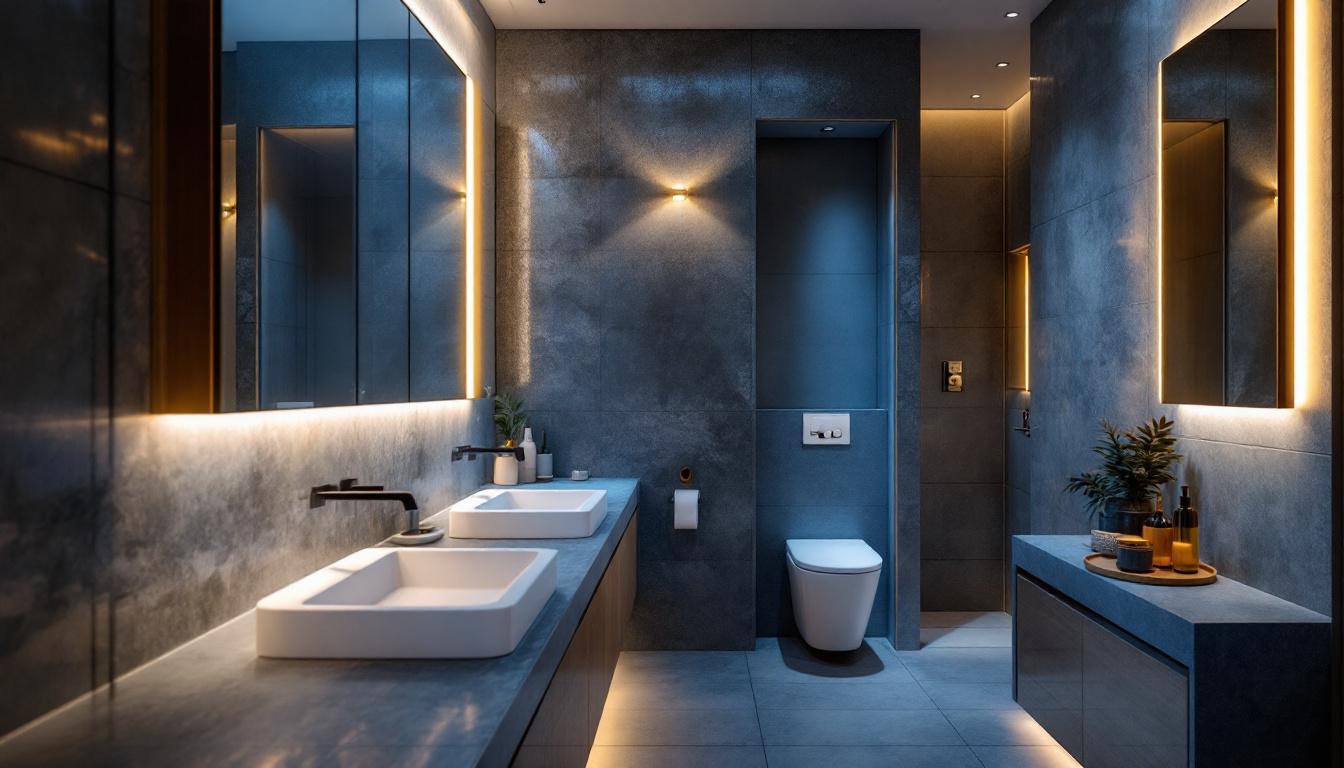
In the ever-evolving world of lighting technology, the introduction of new light bulbs has transformed how installations are approached. Among the various innovations, flickering technology has emerged as a significant development, offering unique advantages for lighting contractors. Understanding how this feature can enhance lighting installation projects is crucial for professionals looking to stay ahead in the industry.
The Mechanics of Flickering Light Bulbs
Flickering light bulbs utilize advanced technology that allows them to create a dynamic lighting effect. This feature can be particularly beneficial in various settings, from residential to commercial spaces. By understanding the mechanics behind flickering bulbs, contractors can leverage them to improve their projects. The versatility of flickering bulbs means they can be used to enhance mood, create visual interest, or even serve functional purposes in different environments.
How Flickering Works
At its core, flickering involves the modulation of light output, which can be achieved through various methods such as pulse-width modulation (PWM) or rapid on-off cycling. These techniques allow the bulb to create a visual effect that can mimic natural light patterns or enhance specific atmospheres. The science behind flickering also taps into the psychological effects of light on human behavior, as varying light intensities can influence mood and perception.
For instance, flickering can simulate the gentle glow of candlelight, providing a warm and inviting ambiance in a dining area. This effect can enhance romantic dinners or family gatherings, making the space feel more intimate. Alternatively, it can be used to create dramatic effects in commercial spaces, drawing attention to specific displays or areas. Retailers often employ flickering lights to highlight sales or new products, effectively guiding customer attention and enhancing the shopping experience.
Types of Flickering Light Bulbs
There are several types of flickering light bulbs available on the market, each designed for specific applications. LED bulbs are among the most popular due to their energy efficiency and versatility. Some models come equipped with built-in flickering features, allowing for easy integration into existing lighting systems. These bulbs often have adjustable settings, enabling users to customize the flicker rate and intensity to match their desired atmosphere.
Incandescent and halogen bulbs can also be designed to flicker, although they may not offer the same level of energy efficiency as LEDs. These traditional bulbs can provide a more vintage feel, making them ideal for settings that aim to evoke nostalgia or a classic aesthetic. Understanding the different types of flickering bulbs will enable contractors to select the most suitable option for their projects. Additionally, the choice of bulb can impact the overall energy consumption of a space, making it essential to consider both the functional and aesthetic aspects when planning lighting designs.
Benefits of Using Flickering Light Bulbs
Incorporating flickering light bulbs into lighting installation projects can offer a range of benefits. From aesthetic enhancements to energy savings, these bulbs can significantly impact the overall quality of a lighting design.
Enhanced Aesthetics
One of the most immediate benefits of flickering light bulbs is their ability to enhance the aesthetic appeal of a space. The dynamic lighting effect can create a more engaging environment, making it particularly useful in settings such as restaurants, theaters, and retail stores.
By using flickering bulbs, contractors can craft unique lighting designs that capture attention and evoke emotion. This can be particularly advantageous in competitive markets where ambiance plays a crucial role in customer experience. For instance, in a cozy café, the soft flicker of light can mimic the warmth of candlelight, inviting patrons to linger longer and enjoy their surroundings. Similarly, in a boutique, flickering lights can highlight merchandise in an artistic way, drawing customers in and encouraging purchases.
Energy Efficiency
Flickering light bulbs, especially LEDs, are designed to be energy-efficient. They consume less power than traditional incandescent bulbs while providing the same or even enhanced lighting effects. This not only reduces energy costs for clients but also aligns with sustainability goals that many businesses are now prioritizing.
Moreover, the longevity of LED flickering bulbs means less frequent replacements, further contributing to cost savings over time. Lighting contractors can promote these benefits to clients, showcasing the economic advantages of adopting modern lighting technologies. Additionally, the reduced heat output of LED flickering bulbs makes them safer to use in various settings, minimizing the risk of overheating and potential fire hazards. This safety aspect is particularly important in environments where flammable materials may be present, such as in art galleries or craft stores, where the interplay of light and shadow can enhance the visual experience without compromising safety.
Applications of Flickering Light Bulbs
Flickering light bulbs can be applied in various settings, making them a versatile choice for contractors. Understanding the specific applications can help in tailoring solutions to meet client needs.
Residential Spaces
In residential settings, flickering light bulbs can create a cozy and inviting atmosphere. They are ideal for living rooms, dining areas, and bedrooms, where mood lighting is essential. For example, flickering bulbs can be used in chandeliers or wall sconces to provide a warm glow that enhances the overall decor.
Additionally, these bulbs can be integrated into smart home systems, allowing homeowners to customize their lighting preferences. This level of personalization can significantly enhance the user experience and satisfaction.
Commercial Spaces
In commercial environments, flickering light bulbs can be used strategically to highlight products or create specific moods. Retailers can use flickering lights to draw attention to sales or new arrivals, while restaurants can create an intimate dining experience with soft flickering lights.
Moreover, flickering bulbs can be employed in event spaces to set the tone for gatherings, whether it be a wedding, corporate event, or art exhibition. The adaptability of flickering light bulbs makes them an invaluable tool for lighting contractors working in diverse commercial settings.
Installation Considerations
While flickering light bulbs offer numerous benefits, proper installation is crucial to ensure optimal performance. Lighting contractors must consider various factors to achieve the best results.
Compatibility with Existing Fixtures
Before installing flickering light bulbs, it is essential to assess the compatibility with existing fixtures and wiring. Some older fixtures may not support the technology used in modern flickering bulbs, which could lead to performance issues.
Contractors should conduct thorough assessments and, if necessary, recommend upgrades to fixtures or wiring to ensure seamless integration. This proactive approach can prevent potential complications during installation and enhance client satisfaction.
Control Systems
Flickering light bulbs often come with advanced control systems that allow for customization of flickering patterns and intensities. Contractors should familiarize themselves with these systems to provide clients with comprehensive solutions.
Integrating smart controls can enhance the user experience, allowing clients to adjust lighting settings based on their preferences or activities. Educating clients on how to use these systems can further enhance their satisfaction with the installation.
Challenges and Solutions
Despite the advantages of flickering light bulbs, there are challenges that contractors may encounter during installation. Identifying these challenges and knowing how to address them is essential for successful project execution.
Flickering Issues
One of the most common challenges with flickering light bulbs is the potential for unwanted flickering, which can be distracting or uncomfortable. This issue can arise from various factors, including incompatible dimmer switches or poor-quality bulbs.
To mitigate this issue, contractors should recommend high-quality bulbs and compatible dimmers. Conducting tests before finalizing installations can also help identify any flickering issues early on, allowing for timely adjustments.
Client Education
Educating clients about the benefits and functionalities of flickering light bulbs is crucial for ensuring satisfaction. Many clients may be unfamiliar with this technology and its advantages, leading to hesitance in adopting it.
Contractors should take the time to explain how flickering bulbs work, their benefits, and how to operate any control systems. Providing demonstrations or visual examples can help clients understand the value of incorporating flickering technology into their lighting designs.
Future Trends in Flickering Lighting Technology
The lighting industry is constantly evolving, and flickering technology is no exception. Staying informed about emerging trends can help contractors remain competitive and offer cutting-edge solutions to clients.
Integration with Smart Home Systems
As smart home technology continues to advance, the integration of flickering light bulbs with these systems is expected to become more prevalent. Homeowners will increasingly seek lighting solutions that can be controlled remotely or programmed for specific scenarios.
Contractors should keep abreast of developments in smart lighting technology to provide clients with the most innovative solutions. This may include partnerships with smart home technology providers or training on the latest integration techniques.
Advancements in Energy Efficiency
Future advancements in energy efficiency will likely further enhance the appeal of flickering light bulbs. As manufacturers continue to innovate, new bulbs may offer even greater energy savings and longer lifespans, making them an attractive option for both residential and commercial applications.
Contractors should be prepared to adapt to these changes and educate clients on the benefits of newer technologies as they become available. This proactive approach will help maintain a competitive edge in the lighting industry.
Conclusion
Flickering light bulbs represent a significant advancement in lighting technology, offering numerous benefits for lighting installation projects. From enhancing aesthetics to improving energy efficiency, these bulbs can transform spaces and elevate the overall quality of lighting designs.
By understanding the mechanics, applications, and installation considerations of flickering light bulbs, lighting contractors can effectively leverage this technology to meet client needs. As the industry continues to evolve, staying informed about trends and advancements will be crucial for maintaining a competitive edge.
Incorporating flickering light bulbs into projects not only enhances the visual appeal but also aligns with the growing demand for energy-efficient solutions. By embracing this innovative technology, contractors can ensure they remain at the forefront of the lighting industry, delivering exceptional results for their clients.
Illuminate Your Projects with LumenWholesale
Ready to elevate your lighting installations with the latest flickering light bulb technology? At LumenWholesale, we provide lighting contractors with the highest quality, spec-grade lighting products at prices that can’t be beaten. Say goodbye to inflated markups and hello to a vast selection of reliable lighting solutions that meet rigorous industry standards. Plus, enjoy the convenience of bulk purchases with free shipping, ensuring you get the best value without any hidden costs. Transform your lighting projects with the perfect combination of quality, affordability, and ease. Wholesale Lighting at the Best Value is just a click away!