As the demand for energy-efficient lighting solutions continues to grow, lighting contractors play a pivotal role in helping clients transition to more sustainable options. However, there are common pitfalls that can hinder the effectiveness of these installations. This guide aims to highlight key mistakes to avoid, ensuring that contractors can provide optimal solutions for their clients while maximizing energy efficiency.
Understanding Energy-Efficient Lighting
Energy-efficient lighting encompasses a variety of technologies designed to reduce energy consumption while maintaining or enhancing light quality. This includes LED (Light Emitting Diode) systems, CFL (Compact Fluorescent Lamp) fixtures, and other advanced lighting solutions. By understanding the benefits and limitations of each type, contractors can make informed decisions that align with their clients’ needs.
Benefits of Energy-Efficient Lighting
One of the primary advantages of energy-efficient lighting is the significant reduction in energy costs. LEDs, for instance, consume up to 80% less energy than traditional incandescent bulbs. This not only translates to lower electricity bills but also contributes to a reduced carbon footprint, aligning with global sustainability goals. Moreover, many energy-efficient lighting options qualify for rebates and incentives from utility companies, further enhancing their financial appeal.
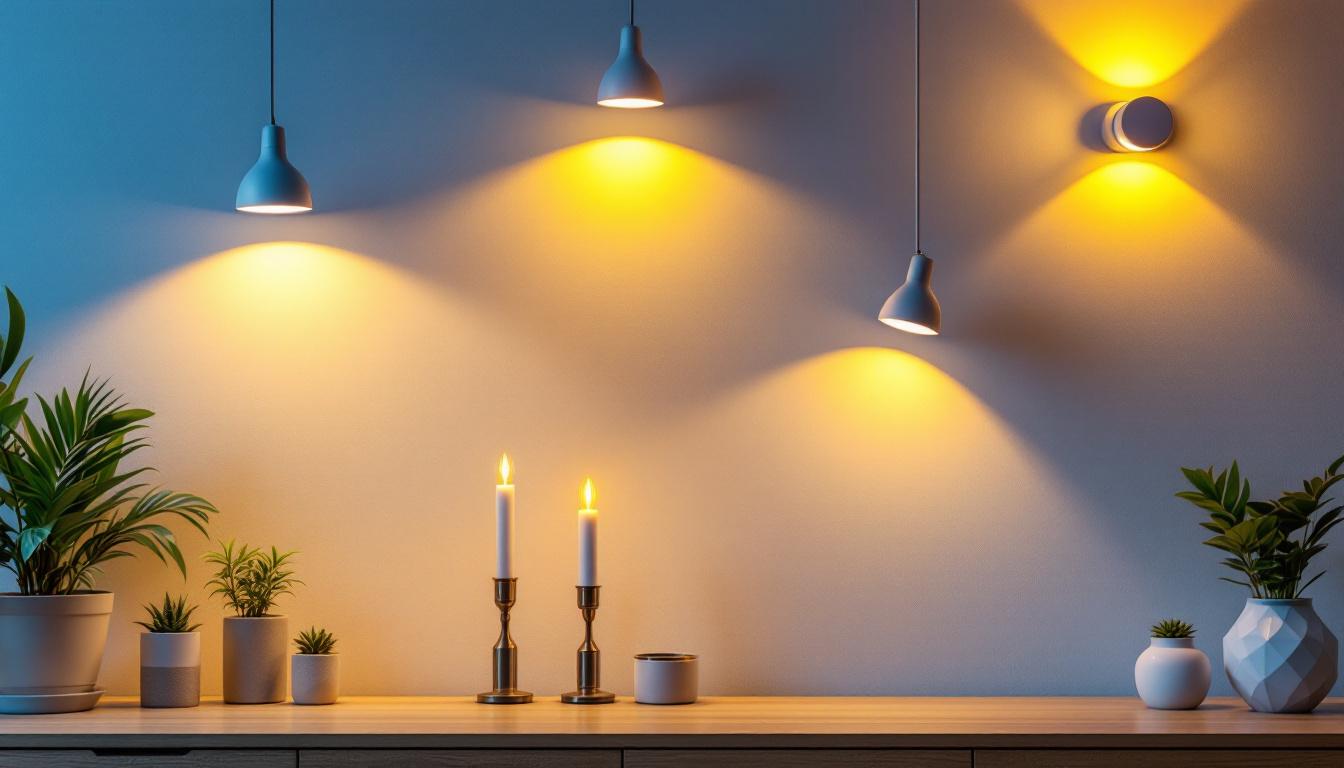
Additionally, energy-efficient lighting often boasts a longer lifespan compared to conventional options. This means fewer replacements and less waste, providing both economic and environmental benefits. Clients appreciate the longevity and reliability of these systems, which can enhance customer satisfaction and loyalty. Furthermore, energy-efficient lighting can improve the overall ambiance of a space, as many modern fixtures offer adjustable brightness and color temperature settings, allowing for tailored lighting solutions that enhance both functionality and aesthetics.
Common Misconceptions
Despite the clear advantages, misconceptions about energy-efficient lighting persist. Some clients may believe that these solutions provide inadequate brightness or color quality, leading to resistance against switching from traditional options. Lighting contractors must be prepared to educate clients on the advancements in technology that have significantly improved these aspects. For instance, the latest LED technology can now replicate the warm glow of incandescent bulbs while providing a full spectrum of color rendering, making them suitable for a variety of applications, from residential to commercial settings.
Another common misconception is that energy-efficient lighting is more expensive upfront. While the initial investment can be higher, the long-term savings in energy costs and maintenance often outweigh these initial expenses. Contractors should emphasize the total cost of ownership to help clients understand the financial benefits over time. Additionally, it is important to highlight that many energy-efficient products are designed with smart technology integration, allowing for automated controls and energy monitoring, which can further optimize energy use and enhance convenience for users.
Common Mistakes to Avoid
Even seasoned lighting contractors can fall into traps that compromise the efficiency and effectiveness of their installations. Identifying and avoiding these mistakes is crucial for delivering high-quality service and ensuring client satisfaction.
1. Neglecting Proper Lighting Design
A common mistake is overlooking the importance of a well-thought-out lighting design. Each space has unique requirements based on its function, size, and layout. Failing to assess these factors can lead to inadequate lighting levels, resulting in discomfort and dissatisfaction for the end-users.
Contractors should conduct thorough assessments and consider factors such as the purpose of the space, the color of walls and furnishings, and the natural light available. Utilizing lighting design software can aid in visualizing the end result and ensuring that the lighting meets the specific needs of the environment. Furthermore, it’s essential to engage with clients during the design phase to understand their vision and preferences. This collaborative approach not only fosters a sense of ownership but also helps in creating a tailored lighting solution that enhances the aesthetic appeal and functionality of the space.
2. Ignoring Dimming and Control Options
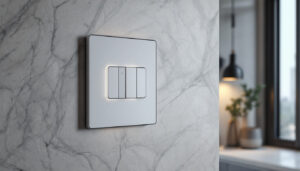
Another frequent oversight is not incorporating dimming and control options into lighting designs. Dimmers and smart controls allow users to adjust lighting levels based on their preferences and activities, enhancing comfort and energy savings. By failing to include these features, contractors miss an opportunity to provide a more versatile and user-friendly lighting system.
Moreover, integrating advanced control systems can lead to significant energy savings by allowing lights to be turned off or dimmed in unoccupied spaces. Educating clients about the benefits of these technologies can lead to increased satisfaction and a more sustainable lighting solution. Additionally, showcasing the latest innovations in smart lighting—such as app-controlled systems or voice-activated features—can impress clients and position the contractor as a forward-thinking professional in a rapidly evolving industry.
3. Underestimating Maintenance Needs
Energy-efficient lighting systems, particularly LEDs, require minimal maintenance compared to traditional options. However, neglecting maintenance considerations during the installation phase can lead to issues down the line. Contractors should inform clients about the importance of regular maintenance checks to ensure optimal performance and longevity of the lighting systems.
Additionally, providing clients with a maintenance schedule and educating them on how to care for their lighting can enhance the overall experience and prevent potential problems. This proactive approach can also establish the contractor as a trusted advisor in the eyes of the client. Furthermore, offering a maintenance service package can create an ongoing relationship with clients, ensuring they receive the best performance from their lighting systems while also providing a steady stream of revenue for the contractor. By emphasizing the long-term benefits of maintenance, contractors can foster loyalty and encourage repeat business, ultimately enhancing their reputation in the industry.
Choosing the Right Products
Selecting the appropriate lighting products is critical for achieving energy efficiency and meeting client expectations. With a myriad of options available, contractors must navigate this landscape carefully to avoid pitfalls that could compromise the project.
1. Prioritizing Quality Over Cost
While it may be tempting to choose lower-cost options to save on initial expenses, this approach can backfire. Cheaper products may not offer the same efficiency, longevity, or light quality as higher-quality alternatives. Contractors should prioritize quality and reliability when selecting products, as this will ultimately lead to greater client satisfaction and fewer service calls.
Investing in reputable brands known for their energy-efficient products can enhance the overall project outcome. It’s essential to communicate the value of quality products to clients, emphasizing the long-term benefits of durability and performance.
2. Failing to Check for Certifications
Another critical aspect to consider is the certification of lighting products. Products that meet recognized energy efficiency standards, such as ENERGY STAR or DesignLights Consortium (DLC) certifications, ensure that they deliver on their promises. Failing to verify these certifications can lead to subpar performance and dissatisfaction.
Contractors should familiarize themselves with the various certifications available and ensure that the products they recommend meet these standards. This not only enhances the credibility of the installation but also provides clients with peace of mind regarding their investment.
3. Overlooking Compatibility with Existing Systems
When integrating energy-efficient lighting into existing systems, compatibility is crucial. Contractors must assess whether new products can work seamlessly with current fixtures, controls, and infrastructure. Overlooking this aspect can lead to operational issues and additional costs for retrofitting or replacing incompatible components.
Conducting a thorough evaluation of the existing lighting system before proposing upgrades can save time and resources. By ensuring compatibility, contractors can provide a smoother transition to energy-efficient solutions and enhance client satisfaction.
Educating Clients on Energy Efficiency
Education plays a vital role in the successful implementation of energy-efficient lighting. Lighting contractors should take the initiative to inform clients about the benefits, technologies, and best practices associated with energy-efficient solutions.
1. Providing Comprehensive Information
Contractors should equip clients with detailed information about energy-efficient lighting options, including their advantages, potential savings, and maintenance requirements. This knowledge empowers clients to make informed decisions and fosters trust in the contractor’s expertise.
Utilizing brochures, presentations, or even workshops can be effective methods for educating clients. The more informed clients are, the more likely they are to embrace energy-efficient solutions and appreciate the contractor’s recommendations.
2. Demonstrating Real-World Applications
Real-world examples can be powerful tools for illustrating the benefits of energy-efficient lighting. Contractors can showcase successful projects, highlighting energy savings, improved aesthetics, and enhanced functionality. Case studies can serve as compelling evidence of the advantages of making the switch.
By demonstrating tangible results, contractors can help clients visualize the potential impact of energy-efficient lighting in their own spaces. This approach can significantly influence decision-making and encourage clients to invest in sustainable solutions.
3. Offering Post-Installation Support
Post-installation support is essential for ensuring that clients feel confident in their new lighting systems. Contractors should be available to answer questions, provide troubleshooting assistance, and offer maintenance guidance. This ongoing support can enhance the client experience and foster long-term relationships.
Additionally, follow-up visits or check-ins can provide valuable opportunities to assess the performance of the lighting systems and address any concerns. By demonstrating commitment to client satisfaction, contractors can build a reputation for reliability and expertise in energy-efficient lighting.
Conclusion
Energy-efficient lighting presents a wealth of opportunities for lighting contractors to enhance their services and meet the growing demand for sustainable solutions. By avoiding common mistakes, selecting quality products, and educating clients, contractors can ensure successful installations that maximize energy efficiency and client satisfaction.
As the industry continues to evolve, staying informed about advancements in technology and best practices will be essential for contractors looking to thrive in this competitive landscape. Embracing energy efficiency not only benefits clients but also contributes to a more sustainable future for all.
Get Your Energy-Efficient Lighting Supplies at LumenWholesale
Ready to take your lighting projects to the next level with energy-efficient solutions that promise quality and affordability? Look no further than LumenWholesale. Our extensive range of spec-grade lighting products is designed to meet the highest industry standards, ensuring you deliver exceptional value to your clients. With unbeatable wholesale prices and the convenience of free shipping on bulk orders, you can trust LumenWholesale to provide premium lighting without the premium price tag. Elevate your lighting installations today by visiting Wholesale Lighting at the Best Value and experience the difference that quality and cost-efficiency can make.