Hydroponics has revolutionized the way we think about agriculture, allowing for efficient plant growth without soil. One of the critical components of this innovative growing method is lighting, particularly LED lights. As a lighting contractor, understanding how to optimize LED lights for hydroponics can significantly enhance plant growth and energy efficiency. This article explores the various aspects of LED lighting in hydroponics, offering insights on maximizing efficiency.
Understanding the Basics of LED Lighting
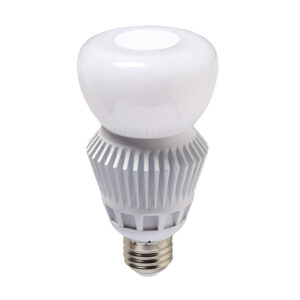
LED (Light Emitting Diode) lights have gained popularity in hydroponics due to their energy efficiency, longevity, and ability to emit specific wavelengths of light. Unlike traditional lighting options, LEDs can be designed to produce light in the spectrum that plants need most for photosynthesis. This tailored approach allows growers to optimize their setups for various plant species, making LED lights a versatile choice for both amateur and professional horticulturists.
The Science Behind Plant Growth and Light
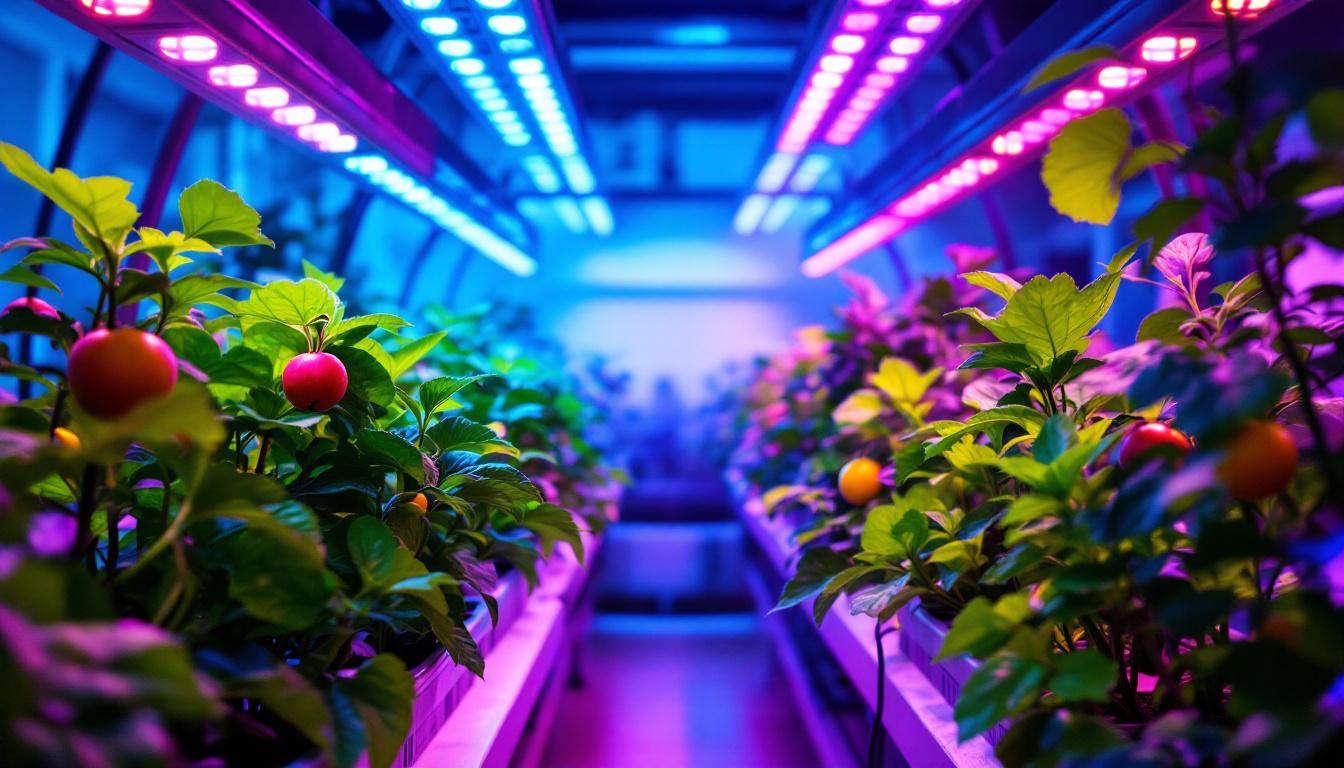
Plants utilize light for photosynthesis, a process that converts light energy into chemical energy. The most effective wavelengths for this process fall within the blue (400-500 nm) and red (600-700 nm) spectrums. Blue light promotes vegetative growth, while red light encourages flowering and fruiting. Understanding these wavelengths is crucial for optimizing LED lights in hydroponic systems. Additionally, some advanced LED systems incorporate full-spectrum lighting, which mimics natural sunlight and can enhance plant growth throughout all stages of development, providing a more holistic approach to indoor gardening.
Advantages of Using LED Lights in Hydroponics
LED lights offer several advantages over traditional lighting solutions. They consume less energy, produce less heat, and have a longer lifespan, which translates into lower operational costs. Moreover, their ability to focus on specific light spectrums can lead to healthier plants and higher yields. The low heat output of LEDs also reduces the risk of overheating plants, allowing for closer placement of lights without damaging delicate foliage. Furthermore, because they are available in various configurations and intensities, growers can customize their lighting setups to cater to the specific needs of different crops, enhancing not just growth rates but also the quality of the produce.
Another significant benefit of LED lights is their environmental impact. As they consume less electricity, they contribute to lower carbon emissions when compared to conventional lighting systems. This energy efficiency is particularly important in hydroponics, where the indoor growing environment often requires substantial energy for lighting. Additionally, many LED products are designed to be recyclable, further minimizing their ecological footprint. As the demand for sustainable agricultural practices grows, the adoption of LED technology in hydroponics not only supports efficient plant growth but also aligns with broader environmental goals, making it a forward-thinking choice for modern growers.
Choosing the Right LED Lights for Hydroponics
Selecting the appropriate LED lights for a hydroponic system involves considering various factors, including the type of plants being grown, the growth stage, and the size of the growing area.
Types of LED Grow Lights
There are several types of LED grow lights available, each designed for different applications. Full-spectrum LED lights provide a balanced range of wavelengths, making them suitable for all growth stages. Alternatively, specialized lights may focus on specific spectrums, such as blue for vegetative growth or red for flowering. Understanding the needs of the plants can guide the selection process. For example, some growers may opt for a combination of both full-spectrum and specialized lights to optimize growth throughout different phases, ensuring that plants receive the precise light they require at each stage of development.
Light Intensity and Coverage
Light intensity is a crucial factor in plant growth. Different plants have varying light intensity requirements, which can be influenced by their growth stage. For instance, seedlings may thrive under lower light intensities, while mature plants often require more. Additionally, ensuring adequate light coverage across the growing area is essential to prevent uneven growth. The distance between the light source and the plants also plays a significant role; too far away can lead to insufficient light, while too close can cause heat stress. Growers should consider using light meters to measure intensity and adjust the height of their LED fixtures accordingly, creating an optimal environment for their plants.
Moreover, the efficiency of LED lights can significantly impact energy consumption and operational costs. Many modern LED grow lights are designed with energy efficiency in mind, providing higher output with lower energy input compared to traditional lighting options. This not only reduces electricity bills but also contributes to a more sustainable growing practice. Additionally, many LED systems come with adjustable settings that allow growers to customize the light spectrum and intensity based on specific plant needs, further enhancing growth potential while minimizing waste. As technology advances, new features such as programmable timers and remote control options are becoming increasingly popular, allowing for greater flexibility and control over the hydroponic environment.
Optimizing LED Light Placement
The placement of LED lights can significantly impact their effectiveness. Proper positioning ensures that plants receive uniform light exposure, which is vital for healthy growth.
Distance from Plants
Maintaining the right distance between the LED lights and plants is crucial. If lights are too close, they can cause heat stress or light burn, while being too far can lead to insufficient light exposure. A general rule of thumb is to start with the lights 12 to 24 inches above the plants and adjust based on the specific needs of the crops.
Adjusting for Growth Stages
As plants grow, their light requirements change. During the seedling stage, lights can be placed closer to provide adequate light without overwhelming the young plants. As they mature, gradually raising the lights can help meet their increasing light demands while preventing stress.
Utilizing Light Cycles for Maximum Efficiency
Implementing effective light cycles is essential for optimizing plant growth and energy usage. Plants have specific light and dark periods that mimic natural conditions, which can enhance their growth and yield.
Understanding Photoperiodism
Photoperiodism refers to how plants respond to the length of day and night. Some plants require long days (more than 12 hours of light) to flower, while others may need shorter days. Understanding the photoperiod requirements of the plants being grown can help in scheduling light cycles effectively.
Implementing Timers and Controllers
Using timers and controllers can automate light cycles, ensuring that plants receive consistent light exposure. This not only saves time but also helps maintain optimal growing conditions, leading to healthier plants and higher yields.
Monitoring and Adjusting Environmental Conditions
Lighting is just one aspect of a successful hydroponic system. Environmental conditions such as temperature, humidity, and CO2 levels also play a significant role in plant growth. Monitoring these factors ensures that the lighting system operates at maximum efficiency.
Temperature Control
LED lights produce less heat than traditional lighting, but they can still raise the temperature in a growing area. Maintaining an optimal temperature range is essential for plant health. If temperatures rise too high, it may be necessary to adjust the light intensity or increase ventilation to prevent heat stress.
Humidity and CO2 Levels
Humidity levels can affect how plants transpire and take up nutrients. High humidity can lead to mold growth, while low humidity can cause plants to wilt. Additionally, CO2 levels are crucial for photosynthesis. Monitoring and adjusting these environmental factors can enhance the effectiveness of the LED lighting system.
Energy Efficiency and Cost Considerations
While LED lights are generally more energy-efficient than traditional lighting, maximizing this efficiency can lead to significant cost savings over time. Understanding energy consumption and implementing strategies for efficiency can benefit both growers and lighting contractors.
Calculating Energy Consumption
Calculating the energy consumption of LED lights involves understanding their wattage and the duration of use. By assessing the total wattage of the lighting system and the number of hours they operate daily, one can estimate monthly energy costs. This information can help in making informed decisions about lighting systems.
Investing in Quality LED Lights
While the initial investment in high-quality LED lights may be higher, the long-term savings in energy costs and reduced replacement frequency can make them a more economical choice. Investing in reputable brands with proven efficiency ratings can lead to better outcomes for hydroponic growers.
Future Trends in LED Lighting for Hydroponics
The field of LED lighting for hydroponics is continually evolving, with new technologies and innovations emerging regularly. Staying informed about these trends can help lighting contractors provide the best solutions for their clients.
Advancements in Spectrum Control
Future developments may include more sophisticated spectrum control technologies, allowing growers to fine-tune the light spectrum based on the specific needs of their plants. This could lead to even more efficient growth and higher yields.
Integration with Smart Technologies
The integration of LED lighting systems with smart technologies is another trend to watch. Automated systems that adjust lighting based on real-time data from sensors can optimize growth conditions and reduce energy consumption, making hydroponics even more efficient.
Conclusion
Optimizing LED lights for hydroponics is a multifaceted process that involves understanding plant needs, selecting the right lighting solutions, and monitoring environmental conditions. By focusing on these key areas, lighting contractors can significantly enhance the efficiency and effectiveness of hydroponic systems. As technology continues to advance, staying informed about new developments in LED lighting will be essential for providing the best solutions to clients.
Ultimately, the goal is to create an environment where plants can thrive, leading to healthier crops and higher yields. By leveraging the benefits of LED lighting and implementing best practices, the future of hydroponics looks bright.
Illuminate Your Hydroponic Success with LumenWholesale
Ready to elevate your hydroponic lighting solutions? Look no further than LumenWholesale, where we provide lighting contractors with the highest quality, spec-grade LED lights at unbeatable wholesale prices. Say goodbye to local distributor markups and hello to superior products that meet the strictest industry standards. With our commitment to reliability and high-performance, your hydroponic systems will not only thrive but also become more energy-efficient. Plus, with the convenience of free shipping on bulk orders, you can stock up on premium lighting without any hidden fees. Make the smart choice for your projects and experience the best value in lighting with LumenWholesale. Wholesale Lighting at the Best Value is just a click away.