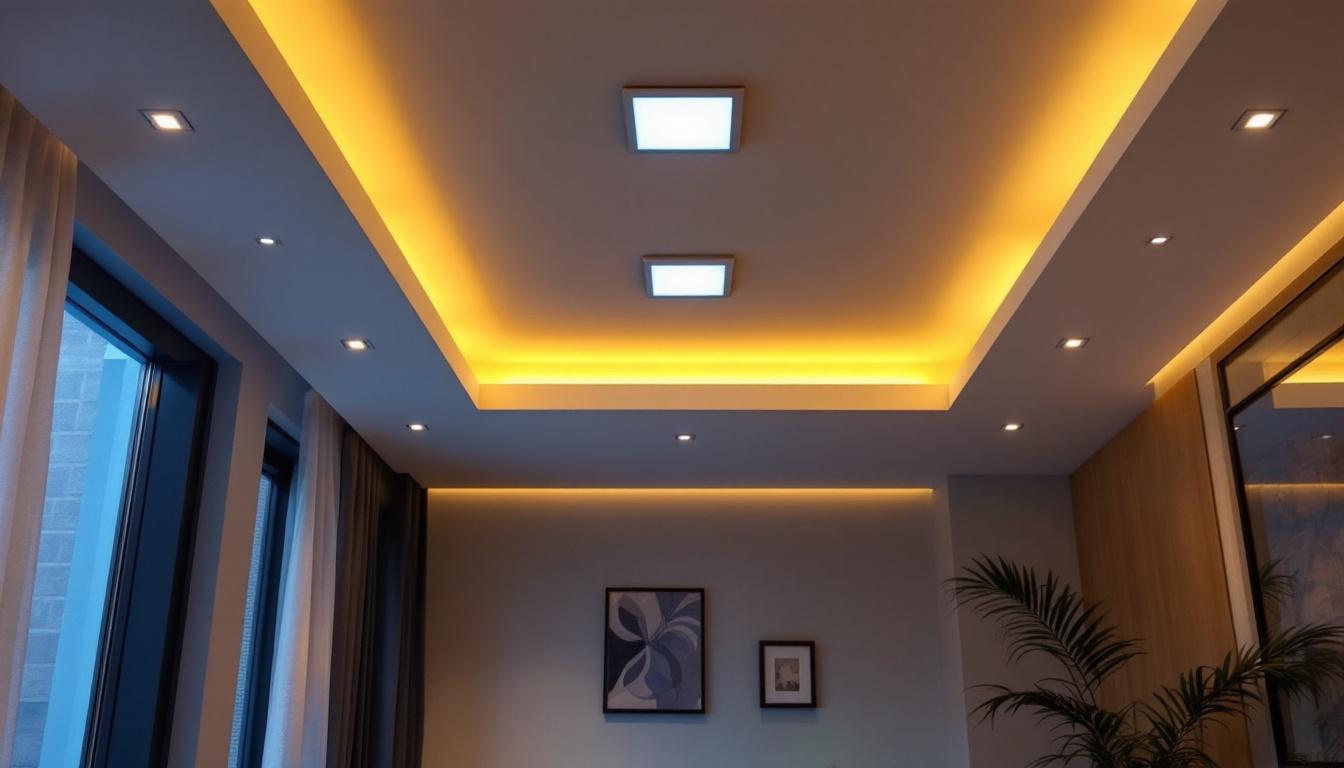
Recessed lighting has become a popular choice in modern interior design, offering a sleek and unobtrusive way to illuminate spaces. Among the various components of recessed lighting systems, the square cover plays a crucial role not only in aesthetics but also in functionality. This article delves into everything lighting contractors need to know about recessed lighting square covers, from their design and installation to their impact on lighting quality.
Understanding Recessed Lighting
Before diving into square covers specifically, it’s essential to understand what recessed lighting is and how it functions. Recessed lighting, often referred to as can lighting or pot lighting, involves fixtures that are installed into the ceiling, creating a clean and modern look. These fixtures can be used for various applications, including general lighting, task lighting, and accent lighting. The versatility of recessed lighting makes it suitable for various rooms in a home, from kitchens and living rooms to bathrooms and hallways, providing a seamless integration into the architecture.
The primary advantage of recessed lighting is its ability to provide ample illumination without occupying visual space. This feature makes it an ideal choice for residential and commercial settings alike. However, the effectiveness of recessed lighting largely depends on the quality of the fixtures and covers used. Proper placement and spacing of recessed lights can also enhance the overall ambiance of a room, allowing for creative lighting designs that highlight specific areas or features, such as artwork or architectural details.
The Importance of Square Covers
Square covers are a specific type of trim used in recessed lighting installations. They serve multiple purposes, including enhancing the aesthetic appeal of the fixture and helping to control light distribution. The choice between square and round covers often comes down to the design preferences of the space and the overall architectural style. Square covers tend to lend a more contemporary feel, making them a popular choice in modern homes and commercial spaces where clean lines and geometric shapes are favored.
In addition to aesthetics, square covers can also influence the efficiency of the lighting. A well-designed cover can help to minimize glare and direct light where it is needed most. Understanding the various options available in square covers can significantly impact the quality of the lighting in a space. For instance, some square covers come with adjustable features that allow users to tilt or rotate the light direction, providing flexibility in how light is distributed. Furthermore, materials used in these covers can vary, from sleek metals to textured finishes, allowing homeowners to match their lighting fixtures with other design elements in the room, thereby creating a cohesive and polished look.
Types of Recessed Lighting Square Covers
When selecting square covers for recessed lighting, contractors will encounter a variety of styles and materials. Each type offers unique benefits and can be chosen based on the specific needs of the project.
Material Choices
Square covers are available in several materials, including metal, plastic, and glass. Metal covers, often made of aluminum or steel, are durable and can withstand wear and tear. They are ideal for high-traffic areas or commercial settings where longevity is a priority.
Plastic covers, on the other hand, are lightweight and often more affordable. They can be a great choice for residential applications where budget constraints are a consideration. However, they may not offer the same level of durability as metal options.
Glass covers provide a sophisticated look and can enhance the overall aesthetic of a space. They are often used in upscale environments where design is a key consideration. However, care must be taken during installation to avoid breakage.
Design Variations
In addition to material choices, square covers come in various designs. Some covers feature a flat profile, which provides a minimalist look that blends seamlessly with the ceiling. Others may have decorative elements, such as intricate patterns or finishes that add a touch of elegance to the fixture.
Contractors should consider the overall design theme of the space when selecting square covers. A well-chosen cover can enhance the lighting design and contribute to the room’s ambiance.
Finishes and Colors
The finish of a square cover can also affect its appearance and functionality. Common finishes include matte, glossy, and brushed options. Matte finishes tend to minimize glare, making them suitable for spaces where direct light may be uncomfortable. Glossy finishes, while visually striking, can sometimes create unwanted reflections.
Color is another important factor. While white is the most common color for recessed lighting covers, options are available in black, bronze, and other hues. Selecting a color that complements the ceiling and surrounding decor can enhance the overall look of the installation.
Installation Considerations
Proper installation of recessed lighting square covers is crucial for achieving the desired lighting effect. Contractors should be aware of several key factors to ensure a successful installation.
Compatibility with Fixtures
Before purchasing square covers, it’s essential to verify their compatibility with the recessed lighting fixtures being used. Not all covers fit all fixtures, and using incompatible components can lead to issues such as improper fit or inadequate light distribution.
Contractors should consult manufacturer specifications and guidelines to ensure that the selected covers are designed for the specific fixtures in use. This step can save time and prevent complications during installation.
Ceiling Type and Height
The type and height of the ceiling can also influence the choice of square covers and their installation. For example, in rooms with high ceilings, larger square covers may be more appropriate to ensure adequate light distribution. Conversely, in lower ceilings, smaller covers may be more suitable to maintain a balanced look.
Additionally, the ceiling material can affect installation techniques. Contractors should be prepared to adjust their installation methods based on whether they are working with drywall, plaster, or other materials.
Electrical Considerations
Electrical wiring and connections are critical aspects of recessed lighting installations. Contractors must ensure that the wiring is properly configured to support the chosen square covers and fixtures. This includes verifying that the correct wattage and voltage are being used to prevent overheating and potential hazards.
Furthermore, it’s essential to follow local building codes and regulations when installing recessed lighting. Compliance with these standards not only ensures safety but also contributes to the overall quality of the installation.
Benefits of Using Square Covers
Incorporating square covers into recessed lighting systems offers numerous benefits that can enhance both functionality and aesthetics.
Aesthetic Appeal
Square covers provide a contemporary look that can elevate the design of any space. Their clean lines and geometric shapes can complement modern interiors, making them a popular choice among designers and homeowners alike.
Moreover, square covers can be used to create a cohesive design throughout a space. By selecting covers that match or complement other design elements, contractors can help achieve a unified aesthetic that enhances the overall ambiance.
Improved Light Control
One of the primary functions of square covers is to control light distribution. A well-designed cover can help direct light more effectively, reducing glare and ensuring that illumination is focused where it is needed most. This is particularly important in spaces where tasks are performed, such as kitchens or work areas.
Additionally, square covers can help to soften the light output, creating a more inviting atmosphere. This is especially beneficial in residential settings where comfort and ambiance are priorities.
Energy Efficiency
Choosing the right square covers can also contribute to energy efficiency. Many modern covers are designed to work seamlessly with LED lighting, which is known for its low energy consumption and long lifespan. By pairing energy-efficient fixtures with appropriate covers, contractors can help clients reduce their energy bills while still enjoying high-quality lighting.
Furthermore, some square covers are designed to minimize heat loss, further enhancing the energy efficiency of the lighting system. This consideration can be particularly important in commercial applications where energy costs can significantly impact the bottom line.
Maintenance and Care for Square Covers
To ensure longevity and optimal performance, regular maintenance of recessed lighting square covers is essential. Contractors should educate clients on proper care techniques to keep their lighting systems looking and functioning their best.
Cleaning Techniques
Cleaning square covers is a straightforward process that can significantly enhance their appearance. Depending on the material, different cleaning methods may be required. For metal covers, a damp cloth and mild detergent can effectively remove dust and grime. Plastic covers may require a gentler approach to avoid scratching.
Glass covers should be handled with care, and using a glass cleaner can help maintain their clarity and shine. It’s essential to ensure that all cleaning products are safe for the specific material to prevent damage.
Inspecting for Damage
Regular inspections of square covers can help identify any signs of wear or damage. Contractors should advise clients to check for cracks, discoloration, or loose fittings. Addressing these issues promptly can prevent further damage and ensure the continued effectiveness of the lighting system.
In cases where damage is found, replacing the square cover may be necessary. Contractors should be prepared to recommend suitable replacements that match the existing fixtures and maintain the overall design aesthetic.
Conclusion
Recessed lighting square covers are an essential component of modern lighting design, offering both functionality and aesthetic appeal. Understanding the various types, materials, and installation considerations is crucial for lighting contractors looking to provide the best solutions for their clients.
By selecting the right square covers and ensuring proper installation and maintenance, contractors can enhance the quality of the lighting in any space. Whether for residential or commercial applications, the right choice of square cover can make a significant difference in the overall effectiveness and beauty of recessed lighting systems.
In a world where lighting plays a pivotal role in design and functionality, staying informed about the latest trends and best practices in recessed lighting square covers is essential for any lighting contractor aiming for excellence.
Illuminate Your Projects with LumenWholesale
Ready to elevate your lighting projects with the finest square covers and recessed lighting solutions? Look no further than LumenWholesale. Our commitment to quality and affordability ensures that you have access to the best spec-grade lighting products at wholesale prices. Say goodbye to inflated markups and hello to a vast selection of industry-standard options that will bring your designs to life. With the added convenience of free shipping on bulk orders, LumenWholesale is your go-to source for premium lighting without the premium price tag. Don’t compromise on quality or value—Wholesale Lighting at the Best Value is just a click away.