Introduction to Decorative Recessed Lighting Trim
In the world of lighting design, the importance of aesthetics cannot be overstated. Decorative recessed lighting trim has emerged as a pivotal element that not only enhances the visual appeal of a space but also elevates the functionality of lighting installations. For lighting contractors, understanding the nuances of these trims can significantly influence project outcomes and client satisfaction.
Recessed lighting, often referred to as can lights or pot lights, has long been favored for its ability to provide ambient illumination without occupying visual space. However, the introduction of decorative trims has transformed these fixtures into stylish design elements that can complement various interior styles. This article delves into the impact of decorative recessed lighting trim on the work of lighting contractors, exploring its benefits, types, and installation considerations.
One of the most compelling advantages of decorative recessed lighting trim is its versatility. Available in a myriad of finishes, shapes, and styles, these trims can seamlessly integrate into any design theme, whether it be modern, traditional, or eclectic. For instance, a sleek, chrome trim can add a touch of contemporary elegance to a minimalist space, while a vintage-inspired bronze trim can evoke a sense of warmth and nostalgia in a rustic setting. This adaptability not only allows contractors to meet diverse client preferences but also encourages creative experimentation in lighting design.
Furthermore, the installation of decorative trims can significantly enhance the overall lighting experience. Many trims are designed to accommodate different beam angles and light distribution patterns, allowing for tailored illumination that highlights architectural features or artwork. This level of customization can transform an ordinary room into a captivating environment, making it essential for contractors to stay informed about the latest trends and technologies in decorative trims. By doing so, they can provide clients with innovative solutions that not only fulfill their practical lighting needs but also reflect their personal style and enhance the ambiance of their spaces.
Benefits of Decorative Recessed Lighting Trim
Enhanced Aesthetic Appeal
One of the most significant advantages of decorative recessed lighting trim is its ability to enhance the overall aesthetic appeal of a room. These trims come in various styles, materials, and finishes, allowing contractors to tailor their selections to match the specific design themes of their projects. Whether it’s a sleek modern finish or a more ornate traditional design, decorative trims can seamlessly integrate with the surrounding decor.
Moreover, the right trim can draw attention to architectural features, artwork, or other focal points within a space. By choosing decorative trims that complement the overall design, contractors can create a cohesive look that elevates the entire environment.
Improved Versatility
Decorative recessed lighting trims offer an impressive range of versatility. They can be utilized in various settings, from residential homes to commercial spaces, and can adapt to different lighting needs. Whether the goal is to create a warm and inviting atmosphere in a living room or a bright and functional workspace in an office, the right trim can help achieve these objectives.
This versatility extends to the types of bulbs and fixtures that can be used with decorative trims. Many trims are designed to accommodate various lighting technologies, including LED, incandescent, and halogen, allowing contractors to choose the most suitable option for their clients’ needs.
Increased Energy Efficiency
As energy efficiency becomes a primary concern for many homeowners and businesses, decorative recessed lighting trims can play a role in achieving these goals. Many modern trims are designed to work with energy-efficient LED bulbs, which consume significantly less energy than traditional lighting options. By promoting the use of these trims, contractors can help clients reduce their energy consumption and lower their utility bills.
Additionally, energy-efficient trims often come with features such as improved insulation and heat dissipation, further enhancing their efficiency. This not only benefits the environment but also positions contractors as knowledgeable professionals who prioritize sustainable solutions.
Types of Decorative Recessed Lighting Trim
Trim Styles
When it comes to decorative recessed lighting trim, there is a plethora of styles available to choose from. Each style serves a unique purpose and can dramatically alter the appearance of the lighting fixture. Some popular trim styles include:
- Reflector Trims: These trims are designed to maximize light output by reflecting more light into the room. They are ideal for areas where bright illumination is necessary.
- Baffle Trims: Featuring a ribbed inner surface, baffle trims help to reduce glare while providing a softer light. They are often used in living spaces and bedrooms.
- Gimbal Trims: These trims allow for adjustable angles, making them perfect for highlighting artwork or architectural features.
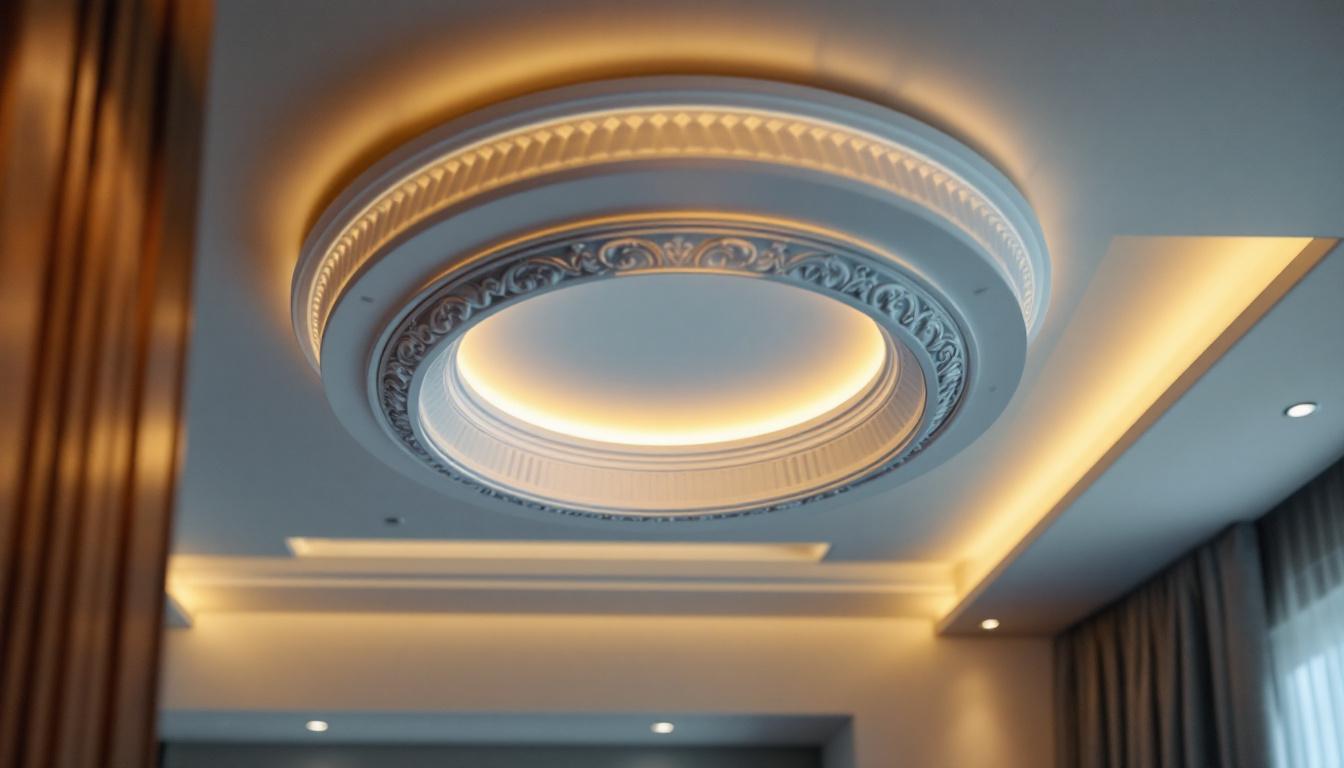
- Decorative Trims: Available in various finishes and designs, these trims serve as a statement piece, adding character to the lighting installation.
Material Choices
The materials used in decorative recessed lighting trims can significantly impact both their appearance and performance. Common materials include:
- Metal: Often used for modern and industrial designs, metal trims are durable and can be finished in various ways, including brushed nickel, chrome, or matte black.
- Plastic: Lightweight and cost-effective, plastic trims are available in numerous colors and styles, making them a versatile choice for many applications.
- Wood: For a more organic and warm aesthetic, wood trims can add a unique touch to a space. They are often used in rustic or traditional designs.
Finishes and Colors
The finish and color of recessed lighting trim can dramatically influence the overall ambiance of a room. From sleek metallic finishes that convey a contemporary feel to matte white options that blend seamlessly with ceilings, the choices are vast. Contractors should consider the existing color palette and design elements of a space when selecting trims.
Furthermore, custom finishes are also available, allowing for even greater personalization. This level of customization can be a selling point for contractors looking to provide unique solutions to their clients.
Installation Considerations
Compatibility with Fixtures
When selecting decorative recessed lighting trims, compatibility with existing fixtures is paramount. Not all trims are universally compatible with every type of recessed housing. Contractors should ensure that the trims chosen can be easily integrated with the lighting fixtures on-site. This may involve checking the specifications of the housing and the trim to avoid installation issues.
Additionally, understanding the electrical requirements of the chosen trim is essential. Some trims may require specific wattages or types of bulbs, which can influence the overall design and functionality of the lighting installation.
Ceiling Types and Heights
The type and height of the ceiling can also impact the choice of decorative recessed lighting trim. For example, higher ceilings may benefit from trims that offer adjustable features, allowing for better light distribution. Conversely, in spaces with lower ceilings, trims that minimize glare and provide softer illumination may be more appropriate.
Contractors should also consider the ceiling material, as this can affect the installation process. Different ceiling types, such as drywall, plaster, or suspended ceilings, may require specific installation techniques or additional support for the trims.
Code Compliance and Safety
Safety and compliance with local building codes are critical aspects of any lighting installation. Decorative recessed lighting trims must meet specific safety standards to ensure they do not pose a fire hazard or electrical risk. Contractors should stay informed about local regulations and ensure that all products used in their installations comply with these codes.
Additionally, proper installation techniques should be followed to minimize risks. This includes ensuring adequate ventilation for fixtures that generate heat and using appropriate insulation materials to prevent overheating.
Marketing Decorative Recessed Lighting Trim
Educating Clients
For lighting contractors, effectively marketing decorative recessed lighting trims involves educating clients about their benefits and possibilities. Many clients may not be aware of the various styles, materials, and energy-efficient options available. By providing informative materials and showcasing examples of previous work, contractors can help clients understand the value of investing in decorative trims.
Offering consultations where clients can see samples and discuss their design preferences can also be beneficial. This personalized approach not only builds trust but also positions contractors as experts in their field.
Showcasing Projects
One of the most effective ways to market decorative recessed lighting trims is by showcasing completed projects. High-quality photographs that highlight the beauty and functionality of the trims can attract potential clients. Before-and-after images can also demonstrate the transformative power of decorative trims in various settings.
Utilizing social media platforms and online portfolios can extend the reach of these showcases, allowing contractors to connect with a broader audience. Engaging with followers by sharing tips, trends, and design inspiration can further establish a contractor’s reputation as a knowledgeable resource in the lighting industry.
Networking with Suppliers
Building strong relationships with suppliers of decorative recessed lighting trims can provide contractors with access to the latest products and trends. Suppliers often have valuable insights into emerging styles and technologies, which can help contractors stay ahead of the competition.
Additionally, suppliers may offer training sessions or workshops that can enhance a contractor’s knowledge and skills. This ongoing education can be invaluable in providing clients with the best options available and ensuring high-quality installations.
Conclusion
Decorative recessed lighting trim has revolutionized the way lighting contractors approach their projects. By combining functionality with aesthetic appeal, these trims offer numerous benefits that can enhance the overall quality of lighting installations. From improved energy efficiency to increased versatility, the advantages are clear.
As the demand for stylish and functional lighting solutions continues to grow, contractors who embrace decorative recessed lighting trims will be well-positioned to meet their clients’ needs. By understanding the various types, installation considerations, and marketing strategies, lighting professionals can transform their work and elevate their projects to new heights.
In a competitive industry, staying informed and adaptable is essential. Decorative recessed lighting trim represents not just a trend but a powerful tool for lighting contractors looking to innovate and excel in their craft.
Get Your Premium Lighting Supplies at LumenWholesale
Ready to elevate your lighting projects with the finest decorative recessed lighting trims? Look no further than LumenWholesale, where we provide lighting contractors with exceptional, spec-grade lighting products at unparalleled wholesale prices. Our commitment to quality and affordability means you can access a vast array of industry-standard lighting options to meet the unique demands of your clients. Say goodbye to middleman markups and hello to free shipping on bulk orders, ensuring you get the best value without any hidden costs. Transform your lighting installations with the perfect combination of style, efficiency, and value. Wholesale Lighting at the Best Value is just a click away.