In the realm of modern lighting solutions, photocell light sensors have emerged as a pivotal technology, enabling smarter and more efficient lighting systems. These sensors, which automatically adjust lighting based on ambient light levels, offer a range of benefits for both residential and commercial applications. For lighting contractors, understanding how to effectively utilize photocell light sensors can lead to enhanced project outcomes and satisfied clients.
Understanding Photocell Light Sensors
Photocell light sensors, also known as photoelectric sensors or light sensors, are devices that detect the intensity of surrounding light. They play a crucial role in automating lighting systems, allowing lights to turn on or off based on the amount of natural light available. This not only conserves energy but also enhances the functionality of lighting installations. By utilizing these sensors, homeowners and businesses can significantly reduce their electricity bills while also contributing to environmental sustainability by minimizing unnecessary energy consumption.
How Photocell Sensors Work
At the core of a photocell sensor is a light-sensitive component that responds to changes in light levels. When the ambient light falls below a predetermined threshold, the sensor activates the connected lighting system. Conversely, when the light levels rise above the threshold, the sensor deactivates the lights. This simple yet effective mechanism is what makes photocell sensors a popular choice for various lighting applications. The technology behind these sensors often involves photodiodes or phototransistors, which convert light energy into electrical energy, allowing for precise and reliable operation.
Typically, these sensors can be found in outdoor lighting fixtures, streetlights, and even indoor applications where natural light varies significantly throughout the day. The ability to automate lighting not only improves convenience but also plays a vital role in energy conservation. For instance, in commercial settings, photocell sensors can help maintain optimal lighting levels in large spaces, ensuring that areas are well-lit when needed without wasting energy during daylight hours.
Types of Photocell Sensors
There are several types of photocell sensors available, each designed for specific applications. The most common types include:
- Standard Photocells: These are the most basic form of photocell sensors, designed to turn lights on at dusk and off at dawn.
- Adjustable Photocells: These sensors allow contractors to set the light threshold, providing flexibility in various lighting scenarios.
- Smart Photocells: Integrated with smart home systems, these sensors can be controlled remotely and programmed for specific lighting schedules.
Choosing the right type of photocell sensor is essential for optimizing lighting performance and ensuring that the system meets the specific needs of the project. For instance, in residential applications, homeowners may prefer adjustable photocells to tailor their outdoor lighting to their specific lifestyle, while businesses might lean towards smart photocells for enhanced control and integration with other smart devices. Additionally, the installation location can influence the choice of sensor; for example, sensors placed in shaded areas may require different specifications compared to those exposed to direct sunlight, further emphasizing the importance of selecting the appropriate type for each unique situation.
Benefits of Using Photocell Light Sensors
Incorporating photocell light sensors into lighting designs offers numerous advantages that can significantly enhance project outcomes. Understanding these benefits can help lighting contractors make informed decisions when specifying lighting solutions.
Energy Efficiency
One of the primary benefits of photocell light sensors is their ability to improve energy efficiency. By automatically adjusting lighting based on ambient light levels, these sensors help reduce unnecessary energy consumption. This not only lowers utility bills for clients but also contributes to a more sustainable environment.
In commercial settings, where lighting can account for a significant portion of energy use, the implementation of photocell sensors can lead to substantial cost savings over time. For contractors, promoting energy-efficient solutions can be a strong selling point when bidding for projects. Additionally, many utility companies offer rebates or incentives for the installation of energy-efficient technologies, further enhancing the financial appeal of using photocell sensors in lighting designs.
Enhanced Security
Photocell light sensors can also enhance security in both residential and commercial environments. By ensuring that outdoor areas are adequately lit during the night, these sensors deter potential intruders and provide a sense of safety for occupants.
Incorporating photocell sensors into outdoor lighting designs can create well-lit pathways, driveways, and entrances, making properties safer and more inviting. This added security feature can be particularly appealing to clients looking to enhance their properties’ safety measures. Moreover, the integration of photocell sensors with other security systems, such as cameras and alarms, can create a comprehensive security solution that not only protects property but also provides peace of mind for homeowners and business operators alike.
Convenience and Automation
The convenience of automated lighting cannot be overstated. Photocell light sensors eliminate the need for manual operation, allowing lights to function seamlessly based on natural light conditions. This is especially beneficial in areas where lighting needs fluctuate throughout the day.
For instance, in commercial spaces, photocell sensors can adjust lighting levels based on the time of day or occupancy, ensuring optimal lighting conditions without requiring constant adjustments. This level of automation not only enhances user experience but also reduces the workload for facility managers. Furthermore, the integration of photocell sensors with smart home systems allows for even greater control, enabling users to program lighting preferences remotely or set specific schedules that align with their daily routines. This adaptability makes photocell sensors an ideal choice for modern lighting solutions, catering to the evolving needs of both residential and commercial clients.
Applications of Photocell Light Sensors
Photocell light sensors are versatile devices that can be applied in a variety of settings. Understanding the different applications can help contractors tailor their solutions to meet client needs effectively.
Outdoor Lighting
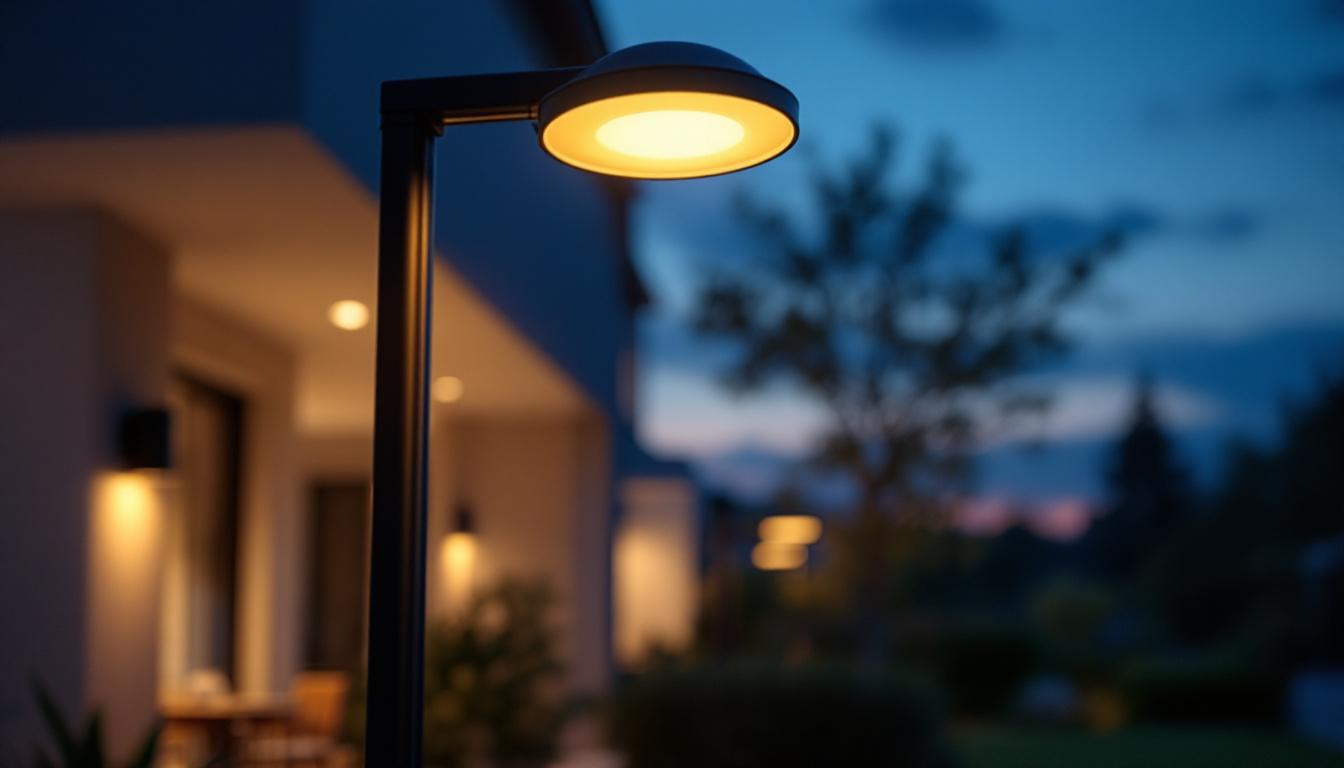
One of the most common applications for photocell light sensors is in outdoor lighting systems. From streetlights to garden lights, these sensors ensure that outdoor areas are illuminated when natural light is insufficient. This is particularly important for enhancing safety and visibility during nighttime hours.
In residential applications, photocell sensors can be integrated into landscape lighting, ensuring that gardens and pathways are well-lit after dark. This not only improves aesthetics but also enhances the usability of outdoor spaces.
Commercial and Industrial Settings
In commercial and industrial environments, photocell light sensors can be used to control lighting in warehouses, parking lots, and office buildings. By automating lighting based on occupancy and natural light levels, businesses can optimize energy usage and reduce operational costs.
For example, in a warehouse setting, photocell sensors can be used to ensure that lights are only on when the space is occupied, further enhancing energy efficiency. This is a crucial consideration for businesses looking to minimize expenses and improve their sustainability practices.
Smart Home Integration
With the rise of smart home technology, photocell light sensors are increasingly being integrated into home automation systems. This allows homeowners to control their lighting remotely and set schedules that align with their lifestyle.
For contractors, promoting smart home integration can be a valuable selling point. Clients are often looking for ways to enhance convenience and efficiency in their homes, and incorporating photocell sensors into smart systems can provide a seamless solution.
Installation Considerations
While photocell light sensors offer numerous benefits, proper installation is crucial to ensure optimal performance. Lighting contractors should consider several factors during the installation process to maximize the effectiveness of these sensors.
Location and Orientation
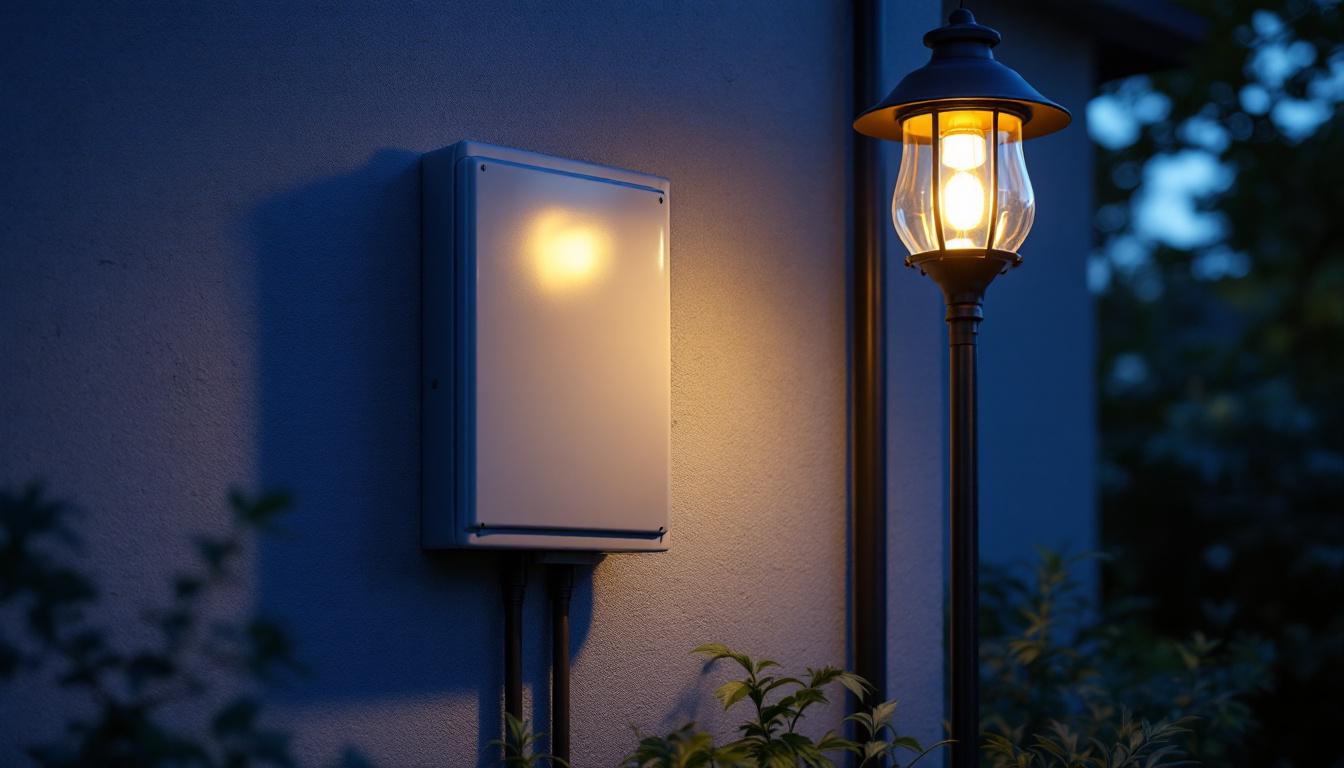
The location and orientation of the photocell sensor are critical for accurate light detection. Sensors should be installed in areas where they can receive unobstructed light exposure. This may involve positioning them away from artificial light sources that could interfere with their operation.
Additionally, contractors should consider the angle of the sensor. Proper orientation can help ensure that the sensor accurately detects changes in ambient light levels, leading to reliable performance.
Threshold Settings
For adjustable photocell sensors, setting the appropriate light threshold is essential. Contractors should assess the specific lighting needs of the project and adjust the threshold accordingly. This may involve testing the sensor in different lighting conditions to find the optimal setting.
Providing clients with guidance on how to adjust these settings can enhance user experience and ensure that the lighting system operates effectively over time.
Maintenance and Troubleshooting
To ensure the longevity and reliability of photocell light sensors, regular maintenance and troubleshooting are necessary. Contractors should educate clients on the importance of maintaining these systems to avoid potential issues.
Regular Cleaning
Photocell sensors can accumulate dirt and debris over time, which can impede their performance. Regular cleaning of the sensor lens is essential to ensure accurate light detection. Contractors should recommend a maintenance schedule to clients, emphasizing the importance of keeping the sensor clean for optimal functionality.
Troubleshooting Common Issues
In some cases, clients may experience issues with their photocell sensors. Common problems include lights not turning on or off as expected. Contractors should be prepared to troubleshoot these issues, which may involve checking the sensor’s location, orientation, and threshold settings.
Providing clients with a simple troubleshooting guide can empower them to resolve minor issues independently, enhancing their overall satisfaction with the lighting system.
Conclusion
Photocell light sensors represent a significant advancement in lighting technology, offering a range of benefits that can enhance both residential and commercial lighting solutions. By understanding how these sensors work, their applications, and the best practices for installation and maintenance, lighting contractors can leverage this technology to deliver superior lighting solutions to their clients.
As the demand for energy-efficient and automated lighting solutions continues to grow, incorporating photocell light sensors into projects can set contractors apart in a competitive market. By embracing this technology, contractors can not only improve project outcomes but also contribute to a more sustainable future.
Illuminate Your Projects with LumenWholesale
Ready to elevate your lighting solutions with the advanced technology of photocell light sensors? At LumenWholesale, we provide lighting contractors with the highest quality, spec-grade lighting products at prices that can’t be beaten. Our extensive selection is designed to meet the most rigorous industry standards, ensuring you have access to reliable and high-performance lighting for every project. Say goodbye to inflated markups and hello to hassle-free bulk buying with free shipping. Make your next project shine brighter while enjoying the best value in wholesale lighting. Wholesale Lighting at the Best Value is just a click away.