Recessed downlighting has become an essential element in modern lighting design, offering both aesthetic appeal and functional efficiency. For lighting contractors, understanding how to optimize recessed downlighting can lead to enhanced performance, energy savings, and improved client satisfaction. This article will explore various strategies and considerations for maximizing the efficiency of recessed downlighting installations.
Understanding Recessed Downlighting
Recessed downlighting, often referred to as can lighting or pot lighting, involves fixtures that are installed into the ceiling, creating a sleek and unobtrusive look. These fixtures can provide ambient, task, or accent lighting, making them versatile for various applications. However, the efficiency of recessed downlighting is influenced by several factors, including fixture selection, placement, and the type of bulbs used.
The Anatomy of Recessed Fixtures
Before diving into optimization techniques, it is essential to understand the components of recessed fixtures. Key elements include the housing, trim, and bulb. The housing is the structure that holds the bulb and is installed in the ceiling. The trim is the visible part of the fixture, which can vary in style and finish, while the bulb type significantly impacts energy consumption and light output. Additionally, recessed fixtures can be equipped with various features such as adjustable gimbals for directing light and baffle trims that help reduce glare, enhancing both functionality and aesthetic appeal.
Types of Bulbs for Recessed Downlighting
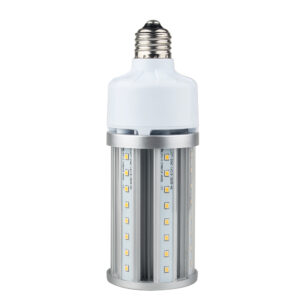
The choice of bulb is critical in determining the efficiency of recessed downlighting. LED bulbs are increasingly becoming the preferred option due to their low energy consumption and long lifespan. Compared to traditional incandescent or halogen bulbs, LEDs can use up to 80% less energy and last significantly longer, reducing both replacement costs and environmental impact. This longevity not only saves money but also minimizes the frequency of bulb changes, which can be particularly advantageous in high ceilings or hard-to-reach areas.
Additionally, some LED fixtures come with integrated drivers, which can further enhance efficiency by eliminating the need for separate transformers. When selecting bulbs, it is vital to consider the color temperature and lumens output to ensure the desired ambiance and functionality are achieved. For instance, warmer color temperatures (around 2700K-3000K) are often preferred in living spaces for a cozy atmosphere, while cooler temperatures (4000K-5000K) are more suitable for work areas, providing a bright and alert environment. Furthermore, dimmable LED options can offer flexibility in lighting levels, allowing homeowners to adjust the brightness according to the time of day or activity, enhancing both comfort and energy savings.
Optimal Placement Strategies
Proper placement of recessed downlights is crucial for achieving maximum efficiency and effectiveness. The layout should consider the room’s purpose, size, and existing architectural features. A well-planned installation can enhance lighting quality while minimizing energy waste. Additionally, the choice of light temperature can significantly affect the mood of the space; warmer tones are often preferred in living areas for a cozy atmosphere, while cooler tones may be more suitable for workspaces to promote alertness and productivity.
Spacing and Layout Considerations
When determining the spacing of recessed lights, a general rule of thumb is to place fixtures approximately 4 to 6 feet apart. However, this can vary based on the height of the ceiling and the desired light intensity. For higher ceilings, fixtures may need to be spaced further apart to ensure even light distribution. It’s also important to consider the beam angle of the fixtures, as a narrow beam may require closer spacing to achieve the desired illumination effect, while a wider beam can provide more coverage and allow for greater distances between fixtures.
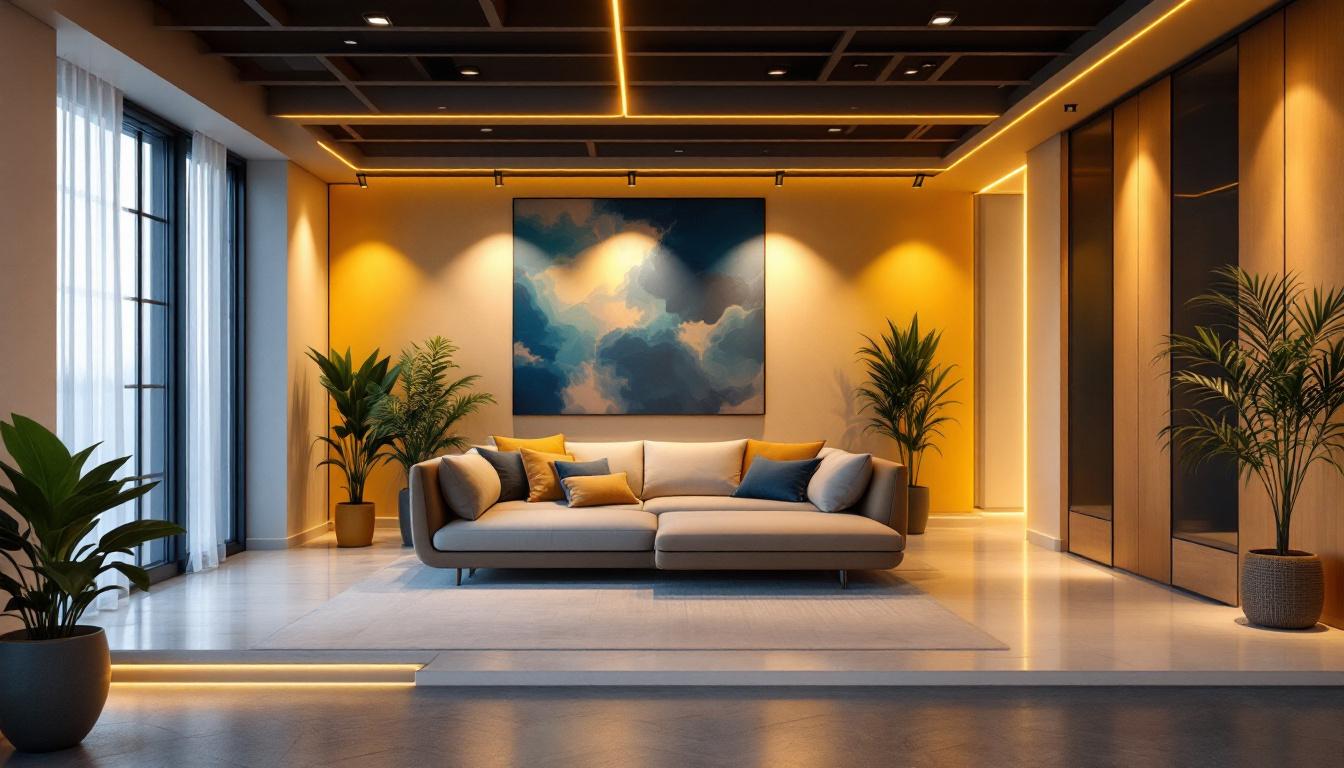
In addition to spacing, the layout should consider the function of the space. For example, in kitchens, task lighting over work areas is essential, while living rooms may benefit from a more ambient approach. Using a combination of recessed lighting with other types of fixtures can create a layered lighting effect that enhances both aesthetics and functionality. Accent lighting can be particularly effective in highlighting artwork or architectural features, adding depth and character to the room.
Avoiding Common Mistakes
One common mistake in recessed downlighting installation is placing fixtures too close to walls or ceilings. This can create harsh shadows and uneven lighting. Instead, fixtures should be positioned at least 12 inches away from walls to allow for a more gradual light distribution. Furthermore, it’s advisable to avoid placing recessed lights directly over seating areas, as this can lead to discomfort from direct glare; instead, aim for indirect lighting that bounces off surfaces for a softer effect.
Another frequent error is using insufficient wattage or lumens for the intended space. It is essential to calculate the total lumens required for the room and select fixtures accordingly. Consulting lighting design software can aid in making these calculations and ensuring optimal performance. Additionally, considering dimmable options can provide flexibility in adjusting the light levels according to various activities, enhancing the overall versatility of the lighting scheme. Properly designed lighting can transform a space, making it not only functional but also inviting and visually appealing.
Energy Efficiency and Sustainability
As energy efficiency becomes increasingly important in the lighting industry, recessed downlighting offers several opportunities for sustainable practices. From selecting energy-efficient bulbs to implementing smart technologies, contractors can significantly reduce energy consumption and promote eco-friendly solutions.
Utilizing Smart Lighting Technologies
Smart lighting technologies, such as dimmers and motion sensors, can enhance the efficiency of recessed downlighting. Dimmers allow users to adjust the brightness according to their needs, reducing energy usage during times when full illumination is unnecessary. Motion sensors can automatically turn lights on or off based on occupancy, ensuring that energy is not wasted in unoccupied spaces.
Integrating smart controls can also provide clients with greater convenience and flexibility, allowing them to customize their lighting experience. This not only improves energy efficiency but also adds value to the installation.
Compliance with Energy Codes and Standards
Staying up-to-date with local energy codes and standards is crucial for lighting contractors. Many regions have implemented strict regulations regarding energy efficiency in lighting installations. Compliance with these codes not only ensures legal adherence but also promotes sustainable practices within the industry.
Contractors should familiarize themselves with the latest guidelines and consider obtaining certifications that demonstrate their commitment to energy-efficient practices. This can enhance their reputation and attract environmentally conscious clients.
Design Considerations for Aesthetic Appeal
While efficiency is a primary concern, the aesthetic appeal of recessed downlighting should not be overlooked. The design of the fixtures and their integration into the overall space can significantly impact the client’s satisfaction and the perceived value of the installation.
Choosing the Right Trim and Finish
The trim and finish of recessed fixtures can dramatically affect the overall look of a space. Options range from baffle trims that reduce glare to reflector trims that enhance brightness. Selecting the right trim style can help achieve the desired ambiance while also addressing any functional needs.
Finishes such as white, black, or metallic can complement various interior design styles. Contractors should consider the overall decor of the space when recommending trims, ensuring that the fixtures blend seamlessly with the environment.
Creating Layered Lighting Effects
Layered lighting involves combining different types of lighting to create a dynamic and visually appealing atmosphere. Recessed downlighting can serve as the primary source of illumination, while accent lighting and decorative fixtures can add depth and interest.
For instance, in a living room, recessed lights can provide general lighting, while wall sconces or pendant lights can highlight artwork or architectural features. This layered approach not only enhances the visual appeal but also allows for greater flexibility in adjusting the lighting according to various activities.
Maintenance and Longevity of Recessed Downlighting
To ensure the long-term efficiency and performance of recessed downlighting, regular maintenance is essential. Contractors should educate clients about the importance of upkeep and provide guidance on how to care for their lighting systems effectively.
Cleaning and Upkeep
Dust and debris can accumulate on recessed fixtures, diminishing their brightness and efficiency. Regular cleaning is necessary to maintain optimal performance. Clients should be advised to gently wipe down the trims and bulbs with a soft cloth to prevent buildup.
Additionally, checking the fixtures for any signs of damage or malfunction is crucial. Replacing burnt-out bulbs promptly and ensuring that all components are functioning correctly can prevent further issues and extend the lifespan of the installation.
Upgrading to New Technologies
As technology advances, upgrading recessed downlighting systems can provide significant benefits. Newer LED models often come with improved energy efficiency, better color rendering, and enhanced features such as tunable white light.
Encouraging clients to consider upgrades not only enhances their lighting experience but also contributes to energy savings. Contractors can offer to assess existing systems and recommend suitable upgrades to improve efficiency and performance.
Conclusion
Optimizing recessed downlighting for maximum efficiency involves a multifaceted approach that considers fixture selection, placement, energy efficiency, aesthetic appeal, and maintenance. By understanding the intricacies of recessed lighting and implementing best practices, lighting contractors can deliver exceptional results that meet client expectations while promoting sustainable practices.
As the demand for energy-efficient and aesthetically pleasing lighting solutions continues to grow, staying informed about the latest trends and technologies will be essential for contractors looking to excel in this competitive market. Embracing innovation and prioritizing efficiency will not only enhance the quality of installations but also contribute to a more sustainable future in lighting design.
Illuminate Your Projects with LumenWholesale
Ready to elevate your lighting installations with the efficiency and aesthetic appeal discussed in this article? Look no further than LumenWholesale for your recessed downlighting needs. We provide contractors with high-quality, specification-grade lighting products at unbeatable wholesale prices, ensuring that you can deliver the best value to your clients. Our extensive selection is designed to meet the highest industry standards, offering reliability and high performance for every project. Plus, with free shipping on bulk orders, you can enjoy premium lighting solutions without hidden fees or compromises. Don’t miss out on the perfect blend of quality, affordability, and convenience. Visit Wholesale Lighting at the Best Value and start optimizing your lighting projects today!