In the competitive world of lighting contracting, standing out from the crowd is essential for winning more bids. One innovative technology that can give contractors a significant edge is light motion detectors. These devices not only enhance the functionality and efficiency of lighting systems but also provide numerous benefits that can be highlighted during the bidding process. This article delves into how light motion detectors can help lighting contractors secure more projects and improve their overall service offerings.
Understanding Light Motion Detectors
Light motion detectors are devices designed to detect movement within a specific area and respond accordingly by activating or deactivating lighting systems. They utilize various technologies, including passive infrared, ultrasonic, and dual technology, to sense motion and adjust lighting based on occupancy. This capability not only contributes to energy savings but also enhances safety and security in residential and commercial spaces. The integration of these systems is becoming increasingly popular as more individuals and businesses recognize the benefits of automated lighting solutions that adapt to their needs.
Types of Light Motion Detectors
There are several types of light motion detectors available, each with unique features and applications. Understanding these can help contractors choose the right products for their clients. The most common types include:
- Passive Infrared (PIR): These detectors sense infrared radiation emitted by warm objects, such as humans and animals. They are ideal for indoor applications and are widely used in residential lighting. Their simplicity and reliability make them a popular choice for homeowners looking to enhance their energy efficiency.
- Ultrasonic: Ultrasonic detectors use sound waves to detect movement. They are effective in larger areas and can penetrate obstacles, making them suitable for complex spaces. Their ability to cover a wider range without being obstructed by furniture or walls makes them particularly useful in commercial settings, such as offices and warehouses.
- Dual Technology: Combining both PIR and ultrasonic technologies, dual technology detectors offer enhanced reliability by reducing false alarms and ensuring accurate detection. This makes them an excellent choice for environments where precision is critical, such as in museums or art galleries, where unwanted light activation could lead to potential damage.
Benefits of Using Light Motion Detectors
Integrating light motion detectors into lighting systems offers numerous advantages that can be appealing to potential clients. Some of the key benefits include:
- Energy Efficiency: By ensuring lights are only on when needed, motion detectors significantly reduce energy consumption, leading to lower utility bills. This not only benefits the environment but also aligns with the growing trend of sustainability in building practices.
- Increased Security: Motion-activated lighting can deter intruders and enhance safety by illuminating dark areas when movement is detected. The sudden activation of lights can startle potential trespassers, making properties less attractive targets for theft or vandalism.
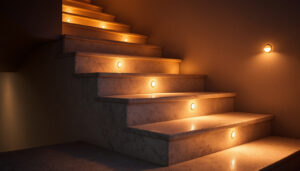
- Convenience: These devices provide a hands-free lighting solution, allowing users to move freely without worrying about turning lights on or off. This is particularly beneficial in high-traffic areas such as hallways, staircases, and entryways, where individuals may have their hands full or be preoccupied.
Moreover, the implementation of light motion detectors can lead to a more personalized lighting experience. For instance, some advanced models can be programmed to adjust brightness levels based on the time of day or the specific needs of the user. This level of customization not only enhances user satisfaction but also contributes to the overall aesthetic of a space. Additionally, with the advent of smart home technology, many motion detectors can now be integrated into broader home automation systems, allowing for seamless control of lighting, security, and even heating systems from a single app or device.
Furthermore, the versatility of light motion detectors extends beyond residential applications. In commercial settings, these devices can be utilized to optimize energy use in offices, retail spaces, and public buildings. For example, in a retail environment, strategically placed motion detectors can ensure that lights are only activated when customers are present, creating a welcoming atmosphere while minimizing energy waste. Similarly, in office buildings, motion detectors can help maintain productivity by ensuring that workspaces are well-lit during working hours while conserving energy during off-peak times.
How Light Motion Detectors Enhance Bidding Proposals
Incorporating light motion detectors into project proposals can set a contractor apart from competitors. Highlighting the advantages of these devices can make bids more attractive to clients looking for innovative and efficient solutions.
Demonstrating Cost Savings
One of the most compelling arguments for using light motion detectors is the potential for cost savings. By showcasing the energy efficiency of these systems, contractors can provide clients with a clear picture of how much they can save on their energy bills over time. This financial incentive can be a decisive factor in winning bids.
Emphasizing Safety and Security
Clients are increasingly concerned about safety and security, especially in commercial settings. By including light motion detectors in proposals, contractors can address these concerns head-on. Demonstrating how motion-activated lighting can enhance security measures will resonate with clients and position the contractor as a knowledgeable and responsible choice.
Highlighting Environmental Benefits
As sustainability becomes a priority for many businesses and homeowners, emphasizing the environmental benefits of light motion detectors can be a significant selling point. Energy-efficient lighting solutions contribute to reduced carbon footprints, aligning with the values of eco-conscious clients.
Case Studies: Success Stories with Light Motion Detectors
Real-world examples can effectively illustrate the benefits of light motion detectors. Sharing success stories from previous projects can enhance credibility and demonstrate the practical applications of this technology.
Residential Project Example
In a recent residential project, a contractor installed light motion detectors throughout a client’s home. The homeowner reported a 30% reduction in energy costs within the first few months, leading to a satisfied customer and positive referrals. This case illustrates how motion detectors can provide tangible benefits that resonate with potential clients.
Commercial Project Example
For a commercial client, a contractor implemented a lighting system with motion detectors in a large office building. The result was not only a significant decrease in energy usage but also improved employee satisfaction due to better-lit workspaces. This project showcased the dual benefits of cost savings and enhanced employee well-being, making it an attractive case for future bids.
Overcoming Common Objections
While the benefits of light motion detectors are clear, some clients may have reservations about their implementation. Addressing these concerns proactively can help contractors win more bids.
Concerns About Reliability
Some clients may worry that motion detectors will not function reliably or may trigger false alarms. Educating clients about the advancements in motion detection technology can alleviate these concerns. Highlighting the effectiveness of dual technology detectors can reassure clients that they will receive a dependable solution.
Initial Costs vs. Long-Term Savings
Another common objection is the initial cost of installing motion detectors. Contractors should be prepared to present a detailed analysis of the long-term savings associated with energy-efficient lighting. Providing a cost-benefit analysis can help clients see the value in investing upfront for greater savings down the line.
Compatibility with Existing Systems
Clients may also be concerned about whether motion detectors can be integrated into their existing lighting systems. Contractors should emphasize the versatility of modern motion detectors, which can often be retrofitted into various setups without extensive modifications. This flexibility can make the technology more appealing to potential clients.
Best Practices for Installing Light Motion Detectors
To maximize the benefits of light motion detectors, proper installation is crucial. Contractors should follow best practices to ensure optimal performance and client satisfaction.
Strategic Placement
The effectiveness of motion detectors largely depends on their placement. Contractors should conduct a thorough assessment of the area to identify the best locations for installation. High-traffic areas, entry points, and dark corners are ideal spots for maximizing coverage and effectiveness.
Adjusting Sensitivity Settings
Many motion detectors come with adjustable sensitivity settings. Contractors should take the time to configure these settings based on the specific environment. This customization helps reduce false alarms and ensures that the system responds accurately to genuine movement.
Regular Maintenance and Testing
To maintain optimal performance, regular maintenance and testing of motion detectors are essential. Contractors should educate clients on the importance of periodic checks and provide guidance on how to test the system effectively. This proactive approach can enhance client satisfaction and build long-term relationships.
Marketing Light Motion Detectors to Clients
Once contractors understand the benefits and best practices of light motion detectors, the next step is effectively marketing these solutions to potential clients. A strategic approach can help capture interest and convert leads into successful bids.
Utilizing Digital Marketing Strategies
In today’s digital age, having a strong online presence is crucial. Contractors should leverage social media, email marketing, and their websites to showcase the advantages of light motion detectors. Sharing informative content, such as blog posts and videos, can engage potential clients and position the contractor as an industry expert.
Creating Informative Brochures and Presentations
Visual aids can be powerful tools in the bidding process. Creating brochures and presentations that highlight the benefits of light motion detectors can help convey complex information in an easily digestible format. Including case studies and testimonials can further enhance credibility and appeal.
Networking and Building Relationships
Building relationships with potential clients is key to winning bids. Attending industry events, trade shows, and local networking gatherings can provide opportunities to discuss the benefits of light motion detectors in person. Establishing rapport can lead to trust and ultimately result in more successful bids.
Future Trends in Light Motion Detection Technology
As technology continues to evolve, so too do the capabilities of light motion detectors. Staying informed about emerging trends can help contractors remain competitive and offer cutting-edge solutions to clients.
Integration with Smart Home Systems
One of the most exciting trends is the integration of light motion detectors with smart home systems. As more homeowners adopt smart technology, the ability to control lighting through mobile apps and voice commands is becoming increasingly popular. Contractors who offer these integrated solutions can attract tech-savvy clients looking for modern conveniences.
Advancements in Sensor Technology
Advancements in sensor technology are also enhancing the accuracy and reliability of motion detectors. Newer models are becoming more sensitive and capable of distinguishing between different types of movement, further reducing false alarms and improving user experience.
Energy Management Systems
The future of light motion detectors may also involve integration with broader energy management systems. This capability allows for real-time monitoring and optimization of energy usage, making it easier for clients to manage their energy consumption and costs effectively.
Conclusion
Light motion detectors present an invaluable opportunity for lighting contractors to enhance their service offerings and win more bids. By understanding the technology, effectively marketing its benefits, and staying informed about industry trends, contractors can position themselves as leaders in the field. The integration of motion detectors not only improves energy efficiency and safety but also aligns with the growing demand for smart and sustainable solutions. Embracing this technology can ultimately lead to greater success and client satisfaction in the competitive lighting contracting market.
Illuminate Your Projects with LumenWholesale
Ready to elevate your lighting projects and outshine the competition? LumenWholesale is your trusted partner, offering an exceptional range of spec-grade light motion detectors and other lighting products at unbeatable wholesale prices. Say goodbye to local distributor markups and hello to premium quality, affordability, and the convenience of free shipping on bulk orders. Don’t miss out on the opportunity to enhance your service offerings with reliable, high-performance lighting solutions. Visit LumenWholesale today and discover the best value in wholesale lighting for your next winning bid.