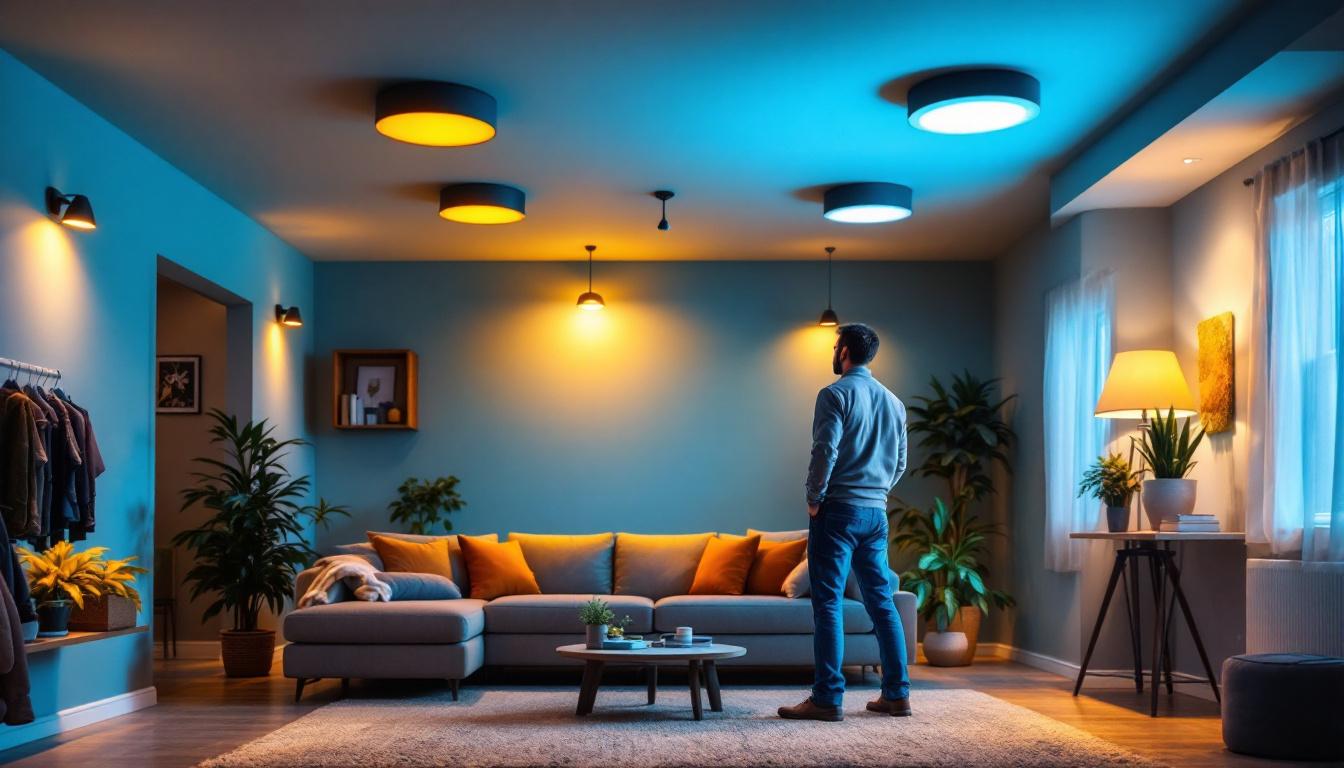
When it comes to basement renovations, lighting is often overlooked, yet it is a crucial aspect that can significantly impact the overall functionality and aesthetics of the space. For lighting contractors, understanding the nuances of ceiling lights for basements can be the key to not only enhancing the quality of their projects but also ensuring client satisfaction. This article delves into the various types of ceiling lights suitable for basements, the benefits they offer, and best practices for installation.
Understanding the Importance of Basement Lighting
Basements are unique spaces that often require specialized lighting solutions. Unlike other areas of a home, basements typically lack natural light, making artificial lighting essential. Proper lighting can transform a dark, uninviting area into a warm, functional space that can serve multiple purposes, from storage to entertainment.
Enhancing Safety and Visibility
One of the primary reasons for investing in quality ceiling lights for basements is safety. Poorly lit areas can lead to accidents, especially in spaces that may have stairs or uneven flooring. Adequate lighting not only enhances visibility but also helps in identifying potential hazards, making it a critical consideration for contractors. Installing motion-sensor lights can further enhance safety by automatically illuminating the space when someone enters, providing an added layer of security and convenience.
Creating Ambiance and Functionality
Beyond safety, lighting plays a pivotal role in setting the mood and functionality of a basement. Whether the space is intended for a home theater, a gym, or a cozy lounge, the right ceiling lights can create an inviting atmosphere. Contractors can offer clients a range of options that align with their vision, ensuring the basement serves its intended purpose effectively. For instance, dimmable LED lights can allow for flexibility in brightness, enabling homeowners to adjust the lighting based on the activity—bright for workouts and soft for movie nights.
Moreover, incorporating layered lighting strategies can significantly enhance the overall aesthetic of a basement. This approach includes combining ambient, task, and accent lighting to create depth and interest. Ambient lighting provides general illumination, while task lighting focuses on specific areas like a bar or a reading nook. Accent lighting can highlight artwork or architectural features, adding character to the space. By thoughtfully planning the lighting design, homeowners can ensure their basement is not only functional but also a visually appealing extension of their home.
Types of Ceiling Lights for Basements
When selecting ceiling lights for basements, contractors have a variety of options to consider. Each type comes with its own set of advantages and can be chosen based on the specific needs of the space.
Recessed Lighting
Recessed lighting, also known as can lights or pot lights, is a popular choice for basements due to its sleek, unobtrusive design. These lights are installed into the ceiling, providing a clean look while distributing light evenly across the room. They are particularly effective in low-ceiling basements, where hanging fixtures might feel cramped.
Moreover, recessed lights can be strategically placed to highlight specific areas, such as a home bar or a gaming zone, enhancing the overall functionality of the space. Dimmable options allow for adjustable brightness, which can further contribute to creating the desired ambiance. Additionally, the use of LED bulbs in recessed fixtures not only offers energy efficiency but also extends the lifespan of the lighting, making it a cost-effective choice in the long run.
Pendant Lights
Pendant lights offer a stylish alternative to traditional ceiling fixtures and can serve as statement pieces in a basement. These fixtures hang from the ceiling and come in various designs, making them suitable for different aesthetics, from modern to rustic.
In basements with higher ceilings, pendant lights can draw the eye upward, creating a sense of openness. They can be used over specific areas, such as a pool table or a dining space, providing both task lighting and decorative flair. Furthermore, the versatility of pendant lights allows for grouping multiple fixtures together to create a visually striking arrangement, which can enhance the overall design while providing ample illumination for larger areas.
Flush Mount Lights
Flush mount lights are another excellent option for basement lighting. These fixtures sit close to the ceiling, making them ideal for spaces with low ceilings. They come in a variety of styles and sizes, allowing contractors to choose fixtures that complement the overall design of the basement.
Flush mount lights provide even illumination and can be used throughout the basement to create a cohesive look. They are particularly effective in hallways or areas where space is limited, ensuring that every corner is well-lit without overwhelming the design. Additionally, many flush mount designs now incorporate decorative elements such as glass shades or intricate metalwork, which can add a touch of elegance and sophistication to the basement, transforming it from a purely functional space into a stylish retreat.
Factors to Consider When Choosing Ceiling Lights
Selecting the right ceiling lights for a basement involves more than just aesthetics. Several factors must be considered to ensure the chosen fixtures meet the needs of the space effectively.
Ceiling Height
The height of the basement ceiling is a critical factor in determining the type of lighting that will work best. In spaces with low ceilings, recessed or flush mount lights are preferable, as they do not protrude into the room. Conversely, higher ceilings may allow for the use of pendant lights, which can add visual interest and character.
Purpose of the Space
Understanding how the basement will be used is essential in selecting appropriate lighting. For example, a home gym may require bright, focused lighting to ensure safety during workouts, while a media room may benefit from dimmable lights to create a cinematic experience. Tailoring the lighting to the intended use will enhance the functionality of the space.
Energy Efficiency
In an age where energy efficiency is increasingly important, contractors should consider the energy consumption of the lighting fixtures they recommend. LED lights are a popular choice for basements due to their long lifespan and low energy usage. They provide bright illumination while minimizing electricity costs, making them a smart investment for homeowners.
Installation Best Practices
Proper installation of ceiling lights is crucial to ensure safety and optimal performance. Lighting contractors should adhere to best practices to deliver high-quality results for their clients.
Planning the Layout
Before installation, contractors should carefully plan the layout of the lighting. This involves determining the placement of fixtures to ensure even illumination throughout the basement. It may be beneficial to create a lighting plan that outlines the type and location of each fixture, taking into account the purpose of the space and the ceiling height.
Wiring and Electrical Considerations
Basements often have unique electrical considerations, including the need for moisture-resistant fixtures in areas prone to dampness. Contractors should ensure that all wiring is up to code and that fixtures are installed correctly to prevent electrical hazards. Utilizing a licensed electrician for wiring tasks can enhance safety and compliance with local regulations.
Testing and Adjustments
After installation, it is essential to test the lighting to ensure it meets the desired standards. Contractors should check for any flickering lights, uneven illumination, or other issues that may arise. Making adjustments to the placement or type of fixtures can help achieve the perfect lighting setup for the basement.
Client Education and Communication
Effective communication with clients is vital for lighting contractors, especially when it comes to educating them about their options. Providing clients with information about the benefits of different ceiling lights can help them make informed decisions that align with their vision for the basement.
Discussing Options
Contractors should take the time to discuss the various lighting options available, including the pros and cons of each type. This conversation can help clients understand how different fixtures can affect the functionality and ambiance of their basement. Providing visual aids, such as photos or samples, can enhance this discussion.
Setting Expectations
Setting clear expectations regarding the timeline, costs, and potential challenges associated with the installation process is crucial. Clients should be informed about the steps involved in the project and any factors that may impact the final outcome. Open communication fosters trust and ensures a smoother working relationship.
Trends in Basement Lighting
As design trends evolve, so do the preferences for basement lighting. Staying informed about the latest trends can help contractors offer clients innovative solutions that enhance their spaces.
Smart Lighting Solutions
Smart lighting technology is gaining popularity in residential spaces, including basements. These systems allow homeowners to control their lighting remotely through smartphones or voice-activated devices. Contractors can explore options that integrate smart technology, providing clients with convenience and energy efficiency.
Layered Lighting
Layered lighting is a design approach that combines different types of lighting to create depth and interest. By incorporating ambient, task, and accent lighting, contractors can help clients achieve a well-balanced and visually appealing basement. This trend emphasizes the importance of versatility in lighting design.
Eco-Friendly Options
With a growing emphasis on sustainability, eco-friendly lighting solutions are becoming increasingly sought after. Contractors can recommend fixtures made from sustainable materials or those that utilize energy-efficient technologies. This not only appeals to environmentally-conscious clients but also aligns with modern design principles.
Conclusion
Ceiling lights play a pivotal role in the success of lighting contractors working on basement projects. By understanding the importance of proper lighting, exploring various fixture options, and adhering to best practices for installation, contractors can significantly enhance the quality of their work. Moreover, effective client communication and staying abreast of current trends will ensure that contractors remain competitive in the ever-evolving lighting industry.
Ultimately, investing time and effort into mastering basement lighting can lead to satisfied clients and successful projects, setting contractors apart in a crowded marketplace. As basements continue to serve as valuable extensions of the home, the importance of quality ceiling lights will only grow, making it essential for contractors to stay informed and adaptable.
Illuminate Your Projects with LumenWholesale
Ready to elevate your basement lighting projects to new heights? At LumenWholesale, we provide lighting contractors with the ultimate selection of spec-grade ceiling lights that combine quality, affordability, and convenience. Say goodbye to local distributor markups and hello to our unbeatable wholesale prices. With our extensive inventory, you’ll find the perfect lighting solutions to meet your clients’ needs and exceed their expectations. Plus, enjoy the benefits of bulk buying with the added perk of free shipping. Don’t compromise on quality or value—choose LumenWholesale for Wholesale Lighting at the Best Value and make your next basement renovation project shine.