In the world of outdoor lighting, the importance of mounting brackets often goes unnoticed. However, these seemingly simple components play a crucial role in enhancing energy efficiency. For lighting contractors, understanding the relationship between mounting brackets and energy efficiency can lead to better installations and satisfied clients. This article delves into the various aspects of mounting brackets, their types, and how they can significantly impact energy efficiency in outdoor lighting systems.
The Role of Mounting Brackets in Outdoor Lighting
Mounting brackets serve as the backbone of outdoor lighting fixtures, providing the necessary support and stability. Their primary function is to secure lighting fixtures to walls, poles, or ceilings, ensuring that they remain in place despite environmental factors such as wind, rain, and temperature fluctuations. Without these essential components, outdoor lighting would be at the mercy of the elements, leading to frequent replacements and increased maintenance costs.
In addition to providing stability, mounting brackets can influence the direction and angle of light distribution. This aspect is critical for optimizing the performance of outdoor lighting systems, as proper alignment can enhance visibility while minimizing energy consumption. For instance, strategically angled fixtures can illuminate pathways and driveways more effectively, reducing the need for additional lighting sources and thus lowering energy bills.
Types of Mounting Brackets
There are various types of mounting brackets available, each designed for specific applications and environments. Understanding these different types can help contractors choose the right bracket for their projects. The choice of mounting bracket not only affects the aesthetics of the lighting installation but also plays a significant role in the longevity and functionality of the lighting system.
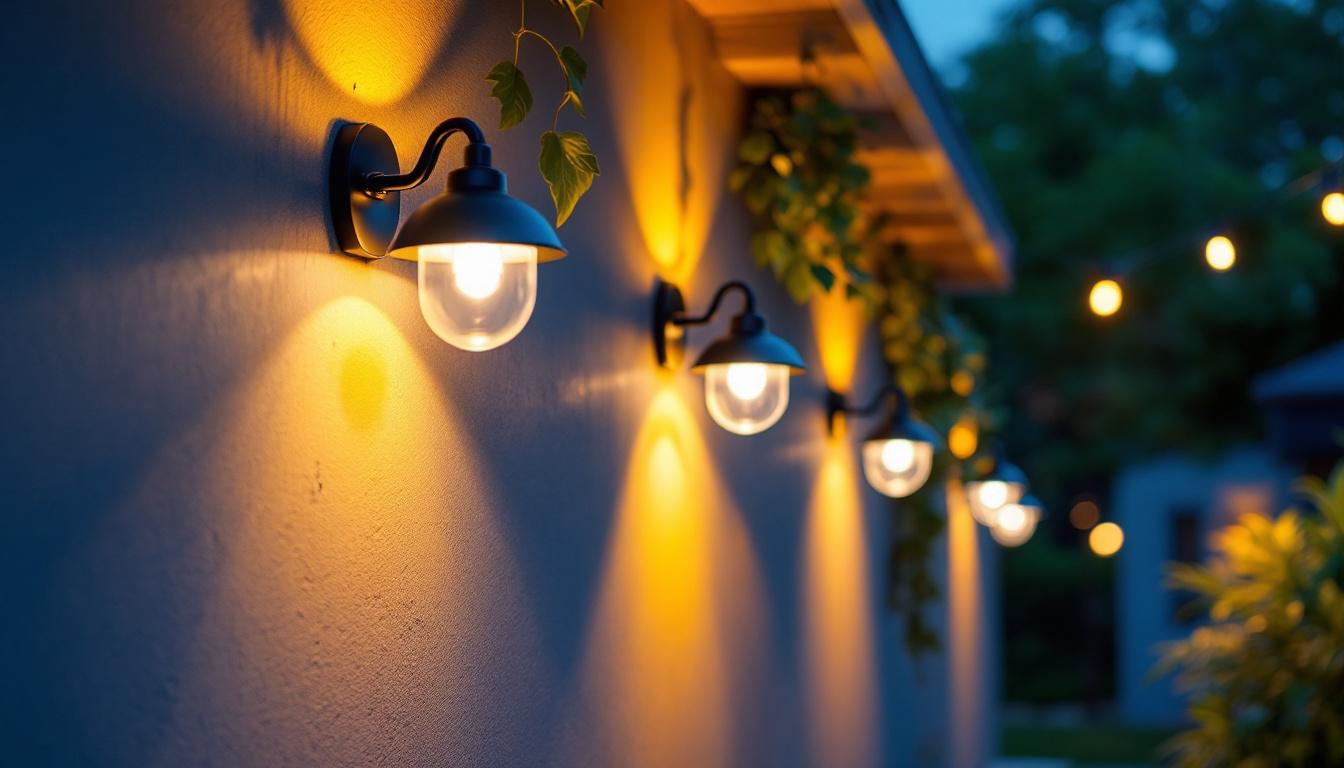
- Wall-Mounted Brackets: These brackets are typically used for securing lights to vertical surfaces. They are ideal for residential and commercial applications, providing flexibility in light placement. Wall-mounted brackets can be adjusted to accommodate different light fixture designs, allowing for creative lighting solutions that enhance architectural features or highlight landscaping.
- Pole-Mounted Brackets: Designed for streetlights and larger outdoor fixtures, pole-mounted brackets allow for high installation and greater coverage area. They are essential for illuminating parking lots, roadways, and public spaces. The height at which these brackets are installed can significantly impact the safety and security of an area, as higher lights tend to reduce shadows and improve visibility.
- Ceiling-Mounted Brackets: Commonly used in covered outdoor areas such as patios and porches, these brackets help to direct light downward, enhancing visibility in specific zones. They are particularly useful for creating inviting outdoor spaces for gatherings and events, ensuring that areas remain well-lit and welcoming after sunset.
Furthermore, the material and design of mounting brackets can vary widely, affecting not only their durability but also their aesthetic appeal. For instance, brackets made from corrosion-resistant materials are essential in coastal areas where saltwater can accelerate wear and tear. Similarly, decorative brackets can complement the overall design of a property, adding an element of style to functional lighting solutions. Understanding the environmental conditions and design requirements can lead to more informed decisions when selecting the appropriate mounting bracket for any outdoor lighting project.
Energy Efficiency and Its Importance
Energy efficiency has become a focal point in the lighting industry, driven by the need to reduce energy consumption and lower utility costs. For contractors, promoting energy-efficient solutions can lead to increased client satisfaction and a competitive edge in the market.
Outdoor lighting accounts for a significant portion of energy usage in residential and commercial properties. By implementing energy-efficient lighting solutions, contractors can help clients save money and contribute to environmental sustainability. This is where the choice of mounting brackets becomes crucial.
How Mounting Brackets Affect Energy Efficiency
The design and installation of mounting brackets can directly influence the energy efficiency of outdoor lighting systems. Here are some key factors to consider:
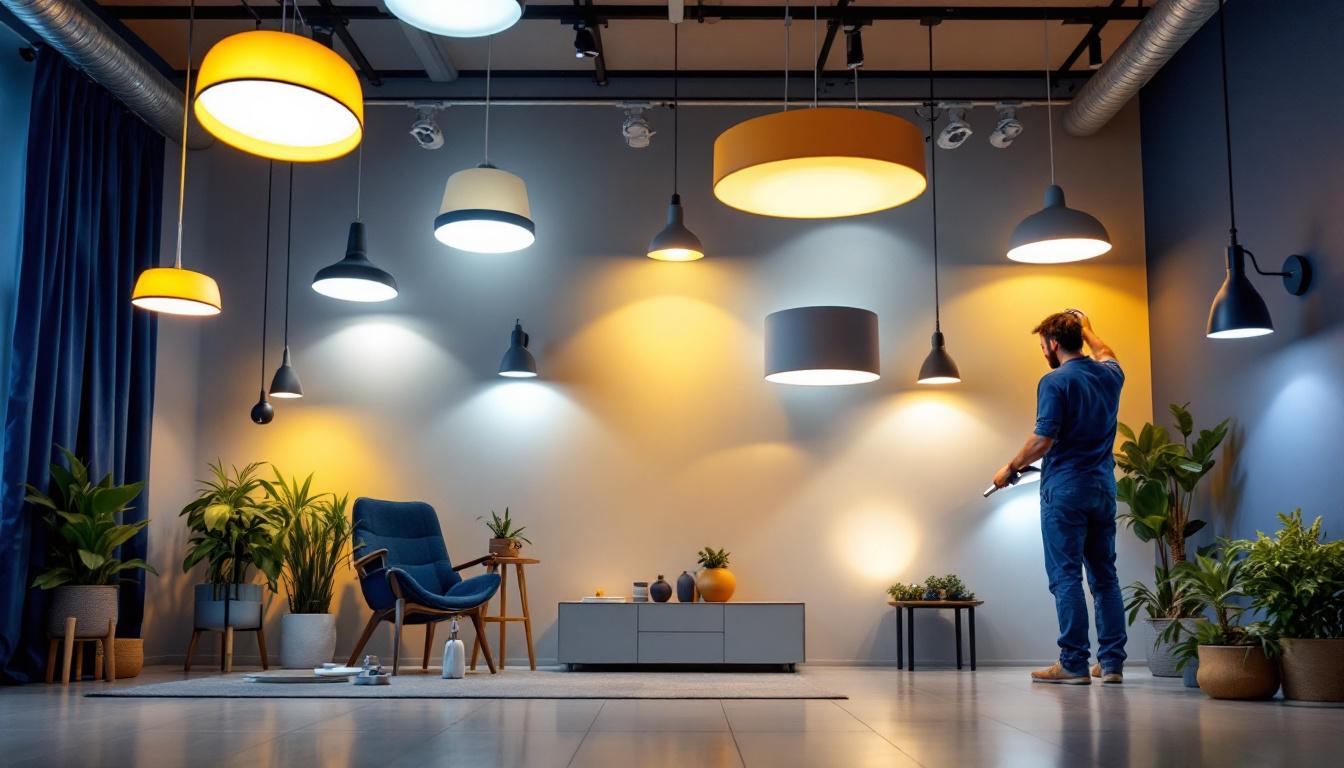
- Fixture Positioning: Properly positioned fixtures can illuminate areas more effectively, reducing the need for additional lighting. Brackets that allow for adjustable angles enable contractors to direct light precisely where it is needed, minimizing wasted energy.
- Light Distribution: The right mounting bracket can enhance the distribution of light, ensuring that it covers the intended area without creating dark spots. This balance is essential for reducing the overall energy consumption of the lighting system.
- Compatibility with Energy-Efficient Fixtures: Some mounting brackets are designed specifically for LED fixtures, which are known for their energy efficiency. Choosing the right bracket ensures that the fixture operates at its optimal level, maximizing energy savings.
Moreover, the material and construction of mounting brackets can also play a significant role in energy efficiency. Brackets made from lightweight, durable materials can reduce installation time and labor costs, allowing contractors to focus on optimizing the lighting layout instead. Additionally, weather-resistant materials can prolong the lifespan of the fixtures, leading to lower replacement costs and less waste over time. This not only benefits the contractor’s bottom line but also aligns with the growing demand for sustainable practices in the construction and lighting industries.
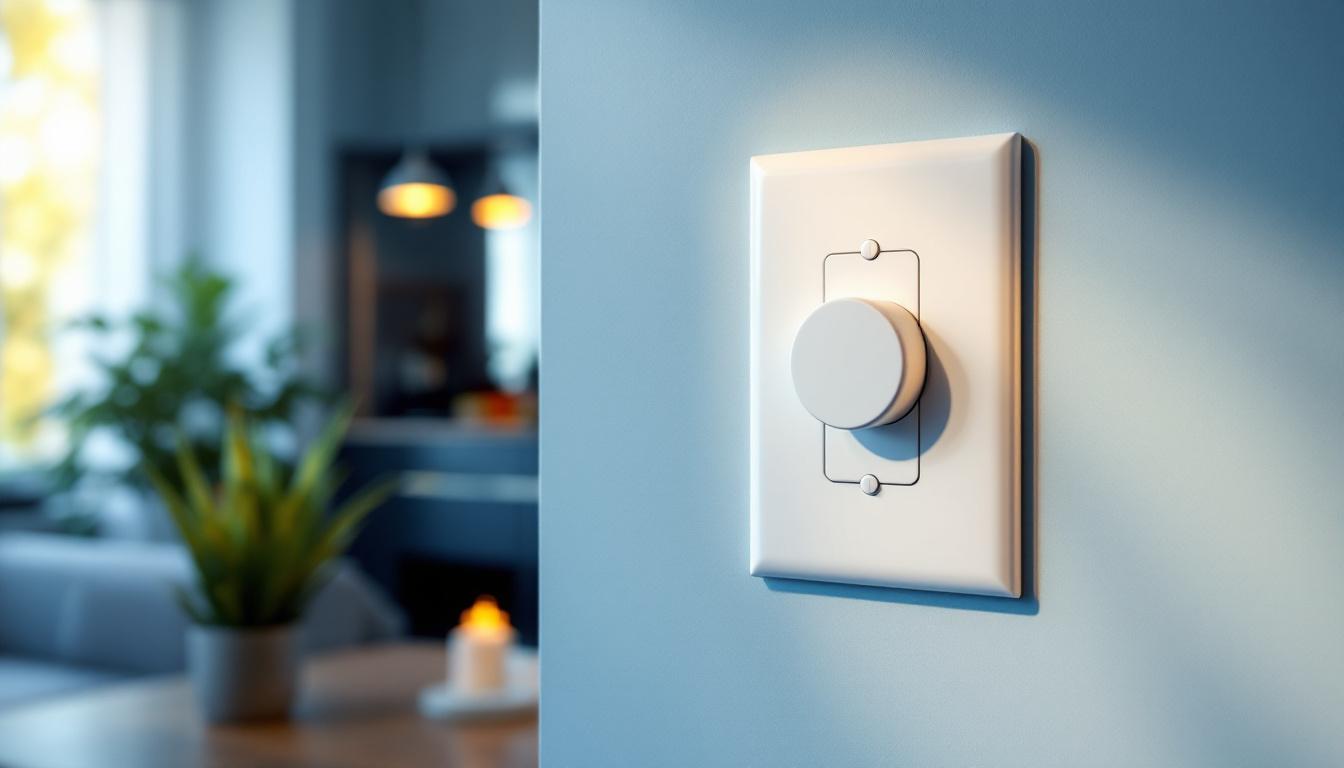
Another important aspect to consider is the potential for smart technology integration. Many modern mounting brackets are designed to accommodate smart lighting systems that can be programmed to adjust brightness based on natural light levels or occupancy. This capability can significantly enhance energy savings by ensuring that lights are only used when necessary. As smart home technology continues to evolve, contractors who are knowledgeable about these advancements will be better positioned to offer innovative solutions that meet the needs of environmentally conscious clients.
Choosing the Right Mounting Bracket
Selecting the appropriate mounting bracket is vital for achieving energy efficiency in outdoor lighting installations. Several factors should be taken into account when making this decision.
Load-Bearing Capacity
The load-bearing capacity of a mounting bracket is crucial, especially for larger fixtures. A bracket that cannot support the weight of the fixture may lead to misalignment or even damage, resulting in increased energy consumption and maintenance costs. Contractors should always check the specifications of both the fixture and the bracket to ensure compatibility.
Material and Durability
The material of the mounting bracket also plays a significant role in its performance. Brackets made from durable materials such as stainless steel or aluminum are more resistant to corrosion and environmental wear. This longevity reduces the need for replacements, ultimately contributing to energy savings over time.
Installation Ease
Ease of installation is another critical factor for contractors. Brackets that are straightforward to install can save time and labor costs, allowing contractors to complete projects more efficiently. Additionally, a well-installed bracket ensures that fixtures are positioned correctly, further enhancing energy efficiency.
Best Practices for Installation
Proper installation of mounting brackets is essential for maximizing energy efficiency. Following best practices can lead to better performance and longevity of outdoor lighting systems.
Alignment and Positioning
Ensuring that fixtures are aligned correctly is paramount. Misalignment can lead to uneven light distribution, resulting in increased energy usage. Contractors should take the time to adjust the angle and position of each fixture during installation, ensuring optimal coverage.
Regular Maintenance
Regular maintenance of both the mounting brackets and the fixtures is necessary to maintain energy efficiency. Over time, dirt and debris can accumulate, obstructing light output and forcing fixtures to work harder than necessary. Scheduling routine inspections can help identify issues early, allowing for timely adjustments or replacements.
Case Studies: Energy Efficiency in Action
Examining real-world examples can provide valuable insights into the impact of mounting brackets on energy efficiency. Here are a couple of case studies that highlight effective practices.
Residential Lighting Upgrade
In a recent residential project, a contractor replaced outdated outdoor lighting fixtures with modern LED options. By selecting adjustable wall-mounted brackets, the contractor was able to position the fixtures for optimal light distribution. As a result, the homeowner reported a significant reduction in energy bills, demonstrating the importance of proper bracket selection.
Commercial Parking Lot Lighting
In a commercial setting, a contractor was tasked with upgrading the lighting in a parking lot. By using pole-mounted brackets designed for LED fixtures, the contractor ensured that the lights were positioned at the correct height and angle. This not only improved visibility but also reduced energy consumption by 30%, showcasing the effectiveness of thoughtful bracket choices.
The Future of Mounting Brackets in Outdoor Lighting
As technology continues to evolve, so too will the design and functionality of mounting brackets. Innovations in materials and engineering will likely lead to even more efficient solutions for outdoor lighting.
Contractors should stay informed about emerging trends and advancements in mounting bracket technology. By embracing new options, they can offer clients cutting-edge solutions that enhance energy efficiency and overall satisfaction.
Smart Lighting Integration
The integration of smart lighting technology is becoming increasingly popular. Mounting brackets that accommodate smart fixtures will allow for better control over lighting schedules and intensity. This capability can lead to further energy savings, as lights can be programmed to operate only when necessary.
Sustainability Considerations
As sustainability becomes a priority for many clients, the demand for environmentally friendly solutions will grow. Mounting brackets made from recycled materials or designed for easy disassembly and recycling will become more prevalent. Contractors who prioritize sustainability in their installations will likely find a competitive advantage in the marketplace.
Conclusion
Mounting brackets may seem like a minor component in the grand scheme of outdoor lighting, but their impact on energy efficiency is significant. By understanding the various types of brackets, their role in energy consumption, and best practices for installation, lighting contractors can enhance their projects and provide greater value to their clients.
As the industry continues to evolve, staying informed about advancements in mounting bracket technology and energy-efficient lighting solutions will be essential. By doing so, contractors can not only improve their installations but also contribute to a more sustainable future.
Illuminate Your Projects with LumenWholesale
Ready to elevate your outdoor lighting installations with energy-efficient solutions that don’t compromise on quality or cost? Look no further than LumenWholesale. Our extensive selection of spec-grade lighting products, including a variety of mounting brackets, is designed to meet the highest industry standards. With unbeatable wholesale prices and the convenience of free shipping on bulk orders, you can ensure your projects shine brightly while keeping costs down. Make the smart choice for your lighting needs and experience the best value in wholesale lighting with LumenWholesale today.