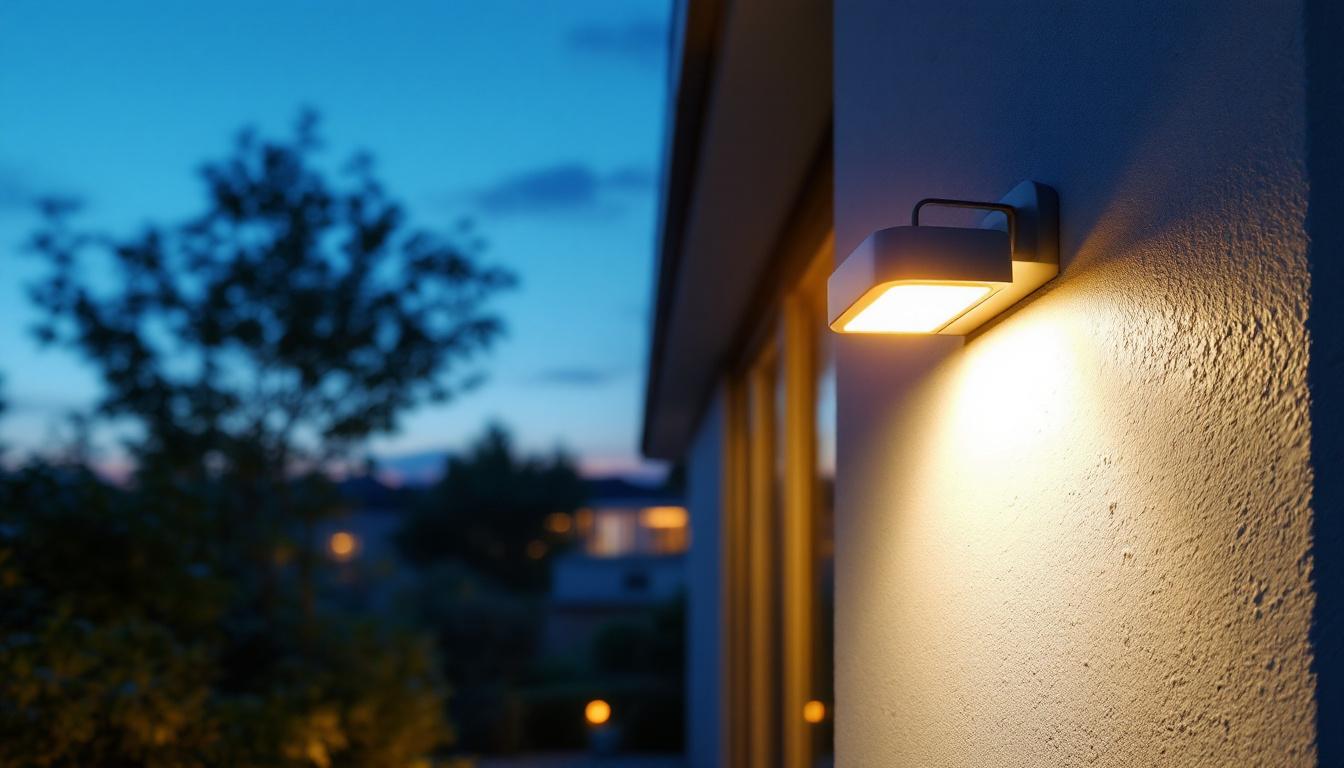
Outdoor lighting plays a crucial role in enhancing safety, security, and aesthetics in residential and commercial spaces. Among the various options available, outdoor lights equipped with light sensors have gained significant popularity. These innovative lighting solutions not only provide illumination but also offer convenience and energy efficiency. This article delves into the essential aspects of outdoor lights with light sensors, helping lighting contractors understand their features, benefits, and installation considerations.
Understanding Light Sensors
Light sensors, also known as photocells or photoelectric sensors, are devices that detect ambient light levels. They automatically turn lights on or off based on the surrounding light conditions. This technology is particularly beneficial for outdoor lighting, where fluctuating daylight can impact visibility. By utilizing light sensors, homeowners and businesses can enhance energy efficiency, reduce electricity costs, and improve safety in outdoor environments. Moreover, these sensors contribute to a more sustainable approach to lighting, as they minimize unnecessary energy consumption during daylight hours.
How Light Sensors Work
Light sensors operate using a simple principle: they monitor the intensity of natural light. When the light level drops to a predetermined threshold, the sensor activates the connected lighting fixture. Conversely, when the ambient light increases, the sensor turns the light off. This automatic operation eliminates the need for manual control, making outdoor lighting systems more user-friendly. Additionally, many modern light sensors are equipped with adjustable sensitivity settings, allowing users to customize the activation thresholds according to their specific needs and preferences. This adaptability ensures that the lighting responds appropriately to varying environmental conditions, such as cloudy days or seasonal changes.
Types of Light Sensors
There are several types of light sensors used in outdoor lighting, each with its unique features:
- Passive Infrared Sensors (PIR): These sensors detect motion by sensing changes in infrared radiation. They are commonly used in security lighting systems, providing an effective deterrent against potential intruders by illuminating areas only when movement is detected.
- Photocells: These sensors respond to changes in light levels. They are widely used in streetlights and landscape lighting, ensuring that illumination is available when needed without human intervention. Photocells can also be integrated with timers to further optimize energy use.
- Smart Sensors: Integrated with smart home technology, these sensors can be controlled remotely and programmed for specific lighting schedules. They often include features such as motion detection and can sync with other smart devices, enhancing the overall functionality of a home automation system.
In addition to these types, some light sensors also come with advanced features like dusk-to-dawn functionality, which allows them to automatically adjust their operation based on the time of day. This capability is particularly useful in areas where lighting needs vary significantly between seasons. Furthermore, the integration of light sensors with renewable energy sources, such as solar panels, can create a self-sustaining lighting system that operates efficiently while reducing reliance on grid electricity. As technology continues to evolve, the potential applications and benefits of light sensors are expanding, making them an essential component of modern lighting solutions.
Benefits of Outdoor Lights with Light Sensors
Incorporating outdoor lights with light sensors offers numerous advantages, making them an attractive option for both homeowners and businesses.
Energy Efficiency
One of the most significant benefits of using light sensors is energy efficiency. By automatically turning lights on and off based on natural light levels, these sensors help reduce energy consumption. This not only lowers electricity bills but also contributes to environmental sustainability. In fact, many modern light sensors are designed to work in tandem with LED bulbs, which consume significantly less power than traditional incandescent lights, further amplifying energy savings. As a result, homeowners and businesses can enjoy the dual benefits of reduced operational costs and a smaller carbon footprint.
Enhanced Security
Outdoor lights equipped with light sensors enhance security by illuminating pathways, driveways, and entrances during low-light conditions. Motion-activated lights can deter potential intruders, as the sudden illumination can startle them and draw attention to their presence. Additionally, these lights can be integrated with smart home systems, allowing users to receive alerts on their smartphones when motion is detected. This level of connectivity not only enhances security but also provides peace of mind, knowing that you can monitor your property from anywhere, at any time.
Convenience and Safety
With light sensors, there is no need to manually switch lights on or off, providing convenience for users. This is particularly beneficial for areas like walkways and parking lots, where individuals may have their hands full or be preoccupied. Proper lighting also reduces the risk of accidents, ensuring safe navigation in dark areas. Furthermore, light sensors can adapt to changing weather conditions; for instance, they can remain on longer during overcast days or after rain, ensuring that outdoor spaces are well-lit when needed most. This adaptability not only enhances safety but also ensures that outdoor areas remain welcoming and accessible, regardless of the time of day or weather conditions.
Choosing the Right Outdoor Light with Light Sensor
Selecting the appropriate outdoor light with a light sensor involves considering various factors to ensure optimal performance and suitability for the intended application.
Consider the Light Source
Outdoor lights can utilize different light sources, including LED, incandescent, and fluorescent. LED lights are often the preferred choice due to their energy efficiency, longevity, and low heat emission. When choosing a light source, consider factors such as brightness, color temperature, and energy consumption.
Sensor Sensitivity and Range
Different light sensors have varying sensitivity levels and detection ranges. It is essential to assess the specific needs of the area being illuminated. For example, a security light may require a sensor with a longer detection range, while a garden light might only need a basic photocell. Understanding the environment and the purpose of the lighting will guide the selection process.
Weather Resistance and Durability
Outdoor lighting fixtures must withstand various weather conditions, including rain, snow, and extreme temperatures. Look for lights with weather-resistant ratings, such as IP65 or higher, to ensure durability. Materials like aluminum or high-quality plastic can enhance the longevity of the fixtures.
Installation Considerations
Proper installation of outdoor lights with light sensors is crucial for optimal performance. Lighting contractors should follow best practices to ensure that the systems function effectively and safely.
Location and Placement
Choosing the right location for outdoor lights is essential. Lights should be positioned to provide adequate coverage while minimizing glare for pedestrians and drivers. Consider placing lights near entryways, pathways, and areas that require additional security. Additionally, avoid placing sensors in direct sunlight, as this can affect their performance.
Wiring and Power Supply
Outdoor lights with light sensors can be hardwired or powered by solar energy. For hardwired installations, ensure that the wiring complies with local electrical codes and is suitable for outdoor use. If opting for solar-powered lights, consider the amount of sunlight the installation area receives, as this will impact the performance of the solar panels.
Testing and Adjustments
After installation, it is vital to test the light sensors to ensure they are functioning correctly. Adjust the sensitivity settings as needed to achieve the desired performance. Regular maintenance checks can help identify any issues early, ensuring that the lighting system remains effective over time.
Common Applications of Outdoor Lights with Light Sensors
Outdoor lights with light sensors are versatile and can be used in various applications, enhancing both functionality and aesthetics.
Residential Use
In residential settings, outdoor lights with light sensors can illuminate driveways, pathways, and patios. They provide safety for residents and guests while enhancing the overall ambiance of the property. Motion-activated lights can also serve as security measures, deterring unwanted visitors.
Commercial and Industrial Use
Businesses often utilize outdoor lights with light sensors to ensure safety and security in parking lots, entrances, and loading docks. These lights can enhance visibility for employees and customers, creating a welcoming environment while reducing the risk of accidents.
Public Spaces
Parks, sidewalks, and public plazas benefit from outdoor lights with light sensors, as they improve safety and accessibility during nighttime hours. Well-lit public spaces encourage community engagement and can deter criminal activity, making them safer for everyone.
Future Trends in Outdoor Lighting Technology
The outdoor lighting industry is continuously evolving, with new technologies emerging to enhance functionality and efficiency. Lighting contractors should stay informed about these trends to provide clients with the best solutions.
Smart Lighting Integration
As smart home technology becomes increasingly popular, outdoor lights with light sensors are being integrated into smart systems. This allows users to control their outdoor lighting remotely via smartphones or voice commands. Smart lighting can be programmed to adjust based on specific schedules or environmental conditions, offering unparalleled convenience.
Solar-Powered Solutions
Solar-powered outdoor lights with light sensors are gaining traction due to their sustainability and cost-effectiveness. As solar technology advances, these lights are becoming more efficient and reliable, making them an attractive option for eco-conscious consumers.
Advanced Motion Detection
Future outdoor lights may incorporate advanced motion detection technology, allowing for more precise activation. This can include features such as facial recognition or distinguishing between animals and humans, further enhancing security and energy efficiency.
Conclusion
Outdoor lights with light sensors are an essential component of modern lighting design, offering numerous benefits in terms of energy efficiency, security, and convenience. By understanding the technology, selecting the right products, and ensuring proper installation, lighting contractors can provide clients with effective and reliable outdoor lighting solutions. As technology continues to evolve, staying abreast of trends will ensure that contractors remain competitive in the ever-changing lighting landscape.
Illuminate Your Projects with LumenWholesale
Ready to elevate your lighting projects with the latest in outdoor light sensor technology? Look no further than LumenWholesale for a comprehensive selection of spec-grade lighting products that combine quality with unbeatable wholesale value. Our commitment to cutting out the middleman means you get the best prices without sacrificing performance. Plus, with free shipping on bulk orders, you can stock up on superior lighting solutions without worrying about hidden fees. Don’t compromise on quality or cost—choose LumenWholesale for the perfect blend of affordability and convenience. Wholesale Lighting at the Best Value is just a click away.