Landscape lighting plays a crucial role in enhancing the aesthetic appeal and functionality of outdoor spaces. For lighting contractors, understanding the various types of landscape lighting is essential for delivering quality installations that meet client expectations. This article delves into the different types of landscape lighting, their applications, and the key considerations for contractors.
Understanding Landscape Lighting
Landscape lighting is not merely about illumination; it’s about creating an atmosphere, highlighting architectural features, and ensuring safety. The right lighting can transform a mundane garden into a captivating outdoor retreat. For contractors, knowing the fundamentals of landscape lighting can significantly enhance project outcomes.
The Purpose of Landscape Lighting
Landscape lighting serves multiple purposes. Primarily, it enhances visibility during nighttime, making pathways and entrances safer. Additionally, it accentuates the beauty of gardens, trees, and architectural elements, allowing homeowners to enjoy their outdoor spaces even after the sun sets.
Moreover, effective landscape lighting can extend the usability of outdoor areas, encouraging gatherings and activities in the evening. For contractors, understanding these purposes helps in recommending the best lighting solutions tailored to client needs. Beyond aesthetics and safety, landscape lighting can also play a role in energy efficiency. By utilizing smart lighting systems or solar-powered options, homeowners can reduce their carbon footprint while still enjoying beautifully lit outdoor spaces.
Key Components of Landscape Lighting
When planning landscape lighting, several components come into play. These include fixtures, bulbs, transformers, and wiring. Each element must be chosen carefully to ensure compatibility and effectiveness.
Fixtures vary widely in style, size, and purpose. From path lights to spotlights, selecting the right fixture is crucial for achieving the desired effect. Similarly, the choice of bulbs—LED, halogen, or incandescent—affects energy efficiency, brightness, and longevity. Understanding these components allows contractors to create cohesive and functional lighting designs. Additionally, the placement of fixtures is vital; strategic positioning can create depth and dimension, drawing attention to specific features while maintaining a balanced overall look. For example, uplighting can dramatically highlight the texture of tree bark or the architectural details of a home, while downlighting can mimic the natural glow of moonlight, enhancing the serene ambiance of a garden space.
Types of Landscape Lighting
Landscape lighting can be categorized into several types, each serving distinct purposes. Familiarity with these types enables contractors to offer tailored solutions to their clients.
Pathway Lighting
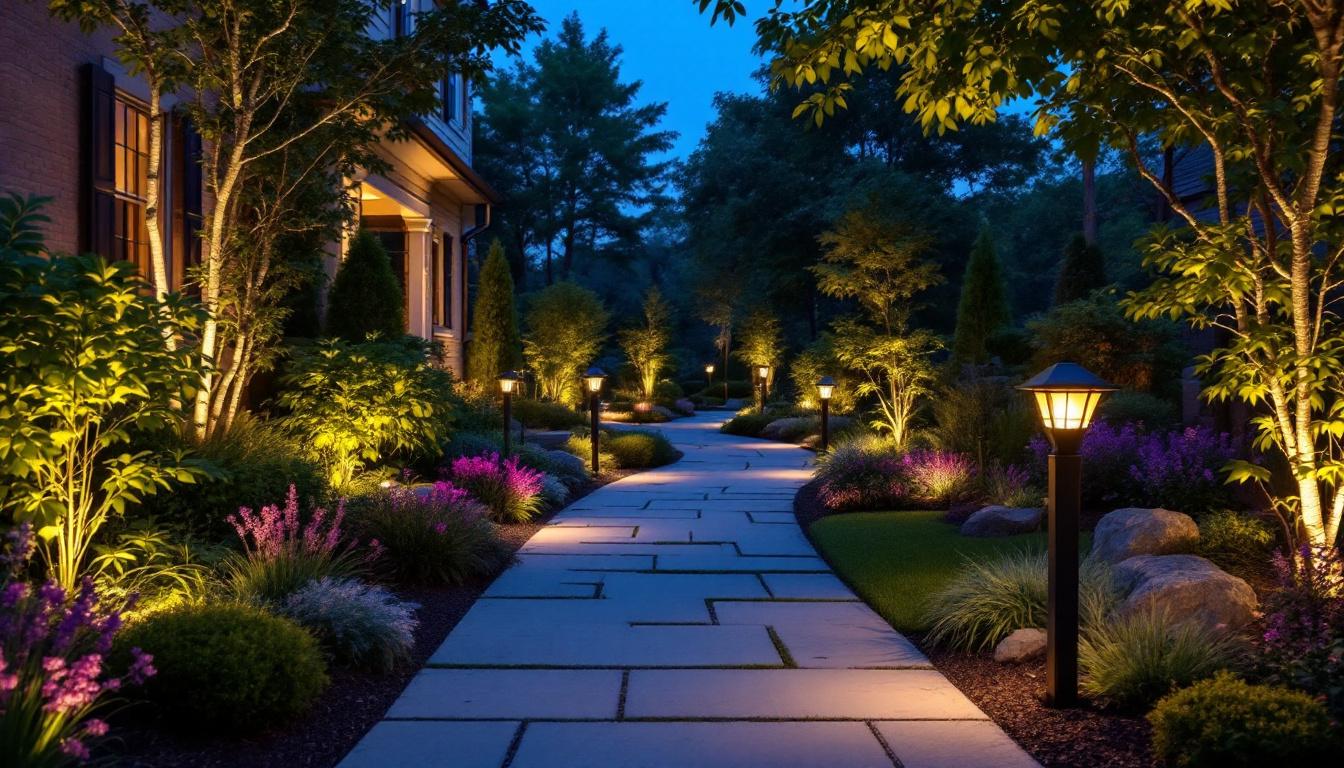
Pathway lighting is essential for illuminating walkways, driveways, and garden paths. It enhances safety by guiding people through outdoor spaces while also adding visual appeal.
Common fixtures include low-level lights, bollards, and solar lights. When installing pathway lighting, contractors should consider spacing, height, and the intensity of light to create a welcoming atmosphere without causing glare. Additionally, the use of warm-toned lights can create an inviting ambiance, making evening strolls more enjoyable. Incorporating motion sensors into pathway lighting can also provide an energy-efficient solution, activating lights only when someone approaches, thus conserving electricity while ensuring safety.
Spotlighting and Floodlighting
Spotlights and floodlights are powerful tools for highlighting specific features in a landscape. Spotlights are ideal for drawing attention to trees, sculptures, or architectural elements, while floodlights provide broader illumination for larger areas.
These lights can be mounted on walls, trees, or poles, and their positioning is crucial for achieving the desired effect. Contractors should experiment with angles and distances to create dramatic effects without overwhelming the surrounding environment. For instance, uplighting can create a stunning silhouette effect on trees, while downlighting can mimic natural moonlight, enhancing the overall atmosphere of the garden. Furthermore, utilizing dimmable fixtures allows for greater control over the intensity of light, enabling homeowners to adjust the mood for different occasions, from intimate gatherings to lively parties.
Accent Lighting
Accent lighting focuses on specific objects or areas to create visual interest. This type of lighting is often used to highlight gardens, water features, or unique architectural details.
Using LED fixtures for accent lighting can enhance the vibrancy of colors and textures in the landscape. Contractors should consider the color temperature and beam spread to ensure the accent lighting complements the surrounding elements. Moreover, integrating smart lighting technology can allow homeowners to customize their lighting schemes via smartphone apps, enabling them to change colors and intensities based on personal preference or seasonal themes. This flexibility not only enhances the aesthetic appeal but also allows for creative expression, making the landscape a dynamic part of the home that can evolve throughout the year.
Specialized Landscape Lighting Types
Beyond the common types of landscape lighting, there are specialized options that cater to unique needs and preferences. Understanding these can help contractors provide comprehensive solutions.
Deck and Patio Lighting
Deck and patio lighting enhances outdoor living spaces, making them more inviting and functional. This type of lighting can be integrated into railings, steps, and furniture, creating a seamless look.
Low-voltage LED lights are often preferred for these applications due to their energy efficiency and versatility. Contractors should focus on creating a warm ambiance while ensuring safety and visibility in these areas. Additionally, dimmable options can allow homeowners to adjust the brightness according to the occasion, whether it’s a cozy family gathering or a lively evening party. Incorporating smart lighting systems can also provide homeowners with the ability to control their outdoor lights remotely, adding convenience and enhancing the overall experience of their outdoor spaces.
In-Ground Lighting
In-ground lighting, also known as well lights, is a discreet way to illuminate pathways, driveways, or garden beds. These fixtures are installed flush with the ground, providing a clean look while offering effective illumination.
Contractors must ensure proper drainage and weatherproofing during installation to prevent damage. In-ground lights can be used creatively to highlight plants or architectural features without disrupting the landscape’s natural flow. Furthermore, the use of colored lenses or filters can add an artistic touch, allowing homeowners to change the mood of their garden or pathway with a simple switch. This versatility makes in-ground lighting an excellent choice for those looking to enhance the aesthetic appeal of their outdoor environments while ensuring safety and functionality.
Water Feature Lighting
Water features such as ponds, fountains, or waterfalls can be dramatically enhanced with specialized lighting. Underwater lights can create mesmerizing reflections and enhance the beauty of the water.
When working with water features, contractors should prioritize safety and use fixtures specifically designed for underwater applications. The right lighting can transform a simple water feature into a stunning focal point in the landscape. Additionally, surface-mounted lights can be strategically placed around the perimeter of the water feature to create a soft glow that highlights the movement of water and adds depth to the surrounding area. Utilizing color-changing LED lights can also allow homeowners to customize their water features for different seasons or events, making it a dynamic element of their landscape design that can be enjoyed year-round.
Energy Efficiency and Sustainability
With growing concerns about energy consumption and environmental impact, energy-efficient lighting solutions have become increasingly important. Contractors should be well-versed in sustainable practices and technologies.
LED Lighting
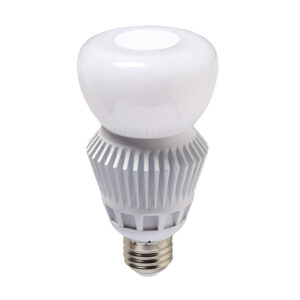
LED lighting is the go-to choice for energy efficiency in landscape lighting. These bulbs consume significantly less energy than traditional incandescent or halogen bulbs while offering longer lifespans.
Additionally, LED lights come in various color temperatures, allowing contractors to create the desired ambiance. The initial investment may be higher, but the long-term savings and reduced environmental impact make them a smart choice for clients.
Solar Lighting
Solar landscape lighting is another eco-friendly option that harnesses the power of the sun. These fixtures are easy to install and require minimal maintenance, making them ideal for remote areas or locations without electrical access.
However, contractors should educate clients about the limitations of solar lighting, such as reduced performance in cloudy conditions and the need for adequate sunlight exposure. Proper placement and selection of solar fixtures can maximize their effectiveness.
Installation Considerations
Proper installation is critical to the success of any landscape lighting project. Contractors must consider various factors to ensure that the lighting is both functional and aesthetically pleasing.
Planning and Design
Before installation, a thorough planning and design phase is essential. This includes assessing the landscape, understanding client preferences, and determining the best lighting solutions for specific areas.
Creating a lighting plan that outlines fixture types, placements, and wiring routes can streamline the installation process and ensure that all aspects are covered. Engaging clients in this phase can also help align expectations and foster satisfaction with the final results.
Wiring and Power Supply
Proper wiring is crucial for the safety and functionality of landscape lighting. Contractors should choose the right gauge of wire based on the distance from the power source and the total wattage of the fixtures.
Additionally, using transformers to convert voltage for low-voltage systems is essential. Ensuring that all connections are secure and weatherproof will prevent issues down the line and enhance the longevity of the installation.
Maintenance and Troubleshooting
Even the best-installed landscape lighting systems require maintenance and occasional troubleshooting. Contractors should inform clients about proper care and common issues that may arise.
Regular Maintenance Practices
Regular maintenance practices include cleaning fixtures, checking connections, and replacing bulbs as needed. Over time, dirt and debris can accumulate on fixtures, diminishing their effectiveness.
Encouraging clients to perform routine checks can help maintain the system’s performance and extend its lifespan. Providing a maintenance schedule can also enhance client satisfaction and foster long-term relationships.
Troubleshooting Common Issues
Contractors should be prepared to troubleshoot common issues such as flickering lights, dead bulbs, or malfunctioning timers. Understanding the basics of electrical systems and lighting components can help identify problems quickly.
In some cases, it may be necessary to consult with a licensed electrician for more complex issues. Educating clients on how to recognize and report problems can facilitate timely resolutions and ensure their lighting systems remain functional.
Conclusion
Landscape lighting is an essential aspect of outdoor design, providing safety, beauty, and functionality. For lighting contractors, understanding the various types of landscape lighting, their applications, and installation considerations is vital for delivering exceptional service.
By staying informed about energy-efficient solutions and maintenance practices, contractors can ensure their clients enjoy the full benefits of their landscape lighting systems. Ultimately, a well-executed lighting design can transform outdoor spaces, making them more inviting and enjoyable for years to come.
Illuminate Your Projects with LumenWholesale
Ready to elevate your landscape lighting projects with the finest selection of lighting products? At LumenWholesale, we provide lighting contractors with exceptional, spec-grade lighting solutions at unparalleled wholesale prices. Say goodbye to local distributor markups and hello to a vast array of industry-standard lighting that promises reliability and high performance. With the convenience of free shipping on bulk orders, you can access premium lighting at the best value — all without hidden fees or compromises. Transform your outdoor spaces with the quality, affordability, and convenience offered by LumenWholesale. Start browsing our collection today and light up your projects with confidence.