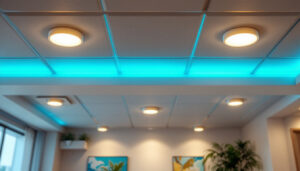
In the evolving landscape of lighting solutions, flat LED light strips have emerged as a popular choice for both residential and commercial applications. Their versatility and efficiency make them an attractive option for lighting contractors. However, the installation and integration of these strips can present challenges that, if not addressed, may lead to complications down the line. This article aims to provide insights into how lighting contractors can navigate common issues associated with flat LED light strips, ensuring a smooth installation process and optimal performance.
Understanding Flat LED Light Strips
Flat LED light strips are flexible circuit boards populated with light-emitting diodes (LEDs). They come in various lengths, colors, and brightness levels, making them suitable for a wide range of applications, from accent lighting to task lighting. Their slim profile allows them to be installed in tight spaces, which is a significant advantage in modern design.
Benefits of Flat LED Light Strips
One of the primary benefits of flat LED light strips is their energy efficiency. Compared to traditional incandescent or fluorescent lighting, LEDs consume significantly less power, which translates to lower energy bills for clients. Additionally, they have a longer lifespan, reducing the frequency and cost of replacements.
Moreover, the flexibility of these strips allows for creative lighting designs. They can be cut to length, bent around corners, and even adhered to various surfaces, making them ideal for both functional and decorative purposes. This adaptability can enhance the aesthetic appeal of a space, providing contractors with the opportunity to showcase their skills. The ability to customize the length and shape of the strips means that they can fit into unconventional spaces, such as under furniture or along architectural features, creating unique lighting solutions that enhance the overall design.
Common Applications
Flat LED light strips are commonly used in various settings, including residential homes, commercial spaces, and outdoor environments. In homes, they can illuminate cabinets, shelves, and stairways, creating a warm ambiance. In commercial settings, they are often used for signage, displays, and architectural features. Their outdoor applications include garden lighting and pathway illumination, demonstrating their versatility across different environments.
In addition to these applications, flat LED light strips are increasingly popular in creative projects, such as DIY home decor and craft projects. Hobbyists often use them to add a modern touch to furniture, artwork, or even in custom-built installations. The ease of installation and the wide array of available colors and effects, including color-changing options, allow users to experiment and personalize their spaces. Furthermore, with the rise of smart home technology, many LED strips can now be integrated into home automation systems, enabling users to control lighting remotely or set schedules for enhanced convenience and energy management.
Challenges Faced by Lighting Contractors
Despite their advantages, flat LED light strips can pose several challenges during installation and use. Understanding these challenges is crucial for lighting contractors to mitigate potential issues and ensure client satisfaction.
Electrical Compatibility
One of the primary concerns when installing flat LED light strips is electrical compatibility. These strips often operate on low voltage, typically 12V or 24V, which requires a compatible power supply. Contractors must ensure that the power supply can handle the total wattage of the installed strips to prevent overheating or failure.
Additionally, it is essential to consider the existing wiring in the installation area. If the current wiring is not suitable for low-voltage applications, contractors may need to rewire the area, adding to the project’s complexity and cost. Proper planning and assessment of the electrical system can help avoid these issues. Moreover, contractors should be aware of the potential need for voltage drop calculations, especially in longer runs of LED strips, to ensure that the lights maintain consistent brightness and color temperature throughout their length.
Heat Management
LEDs generate heat, and while they are more efficient than traditional bulbs, improper installation can lead to heat buildup. This is particularly important in enclosed spaces where airflow is limited. Excessive heat can shorten the lifespan of the LEDs and cause color shifting or flickering.
To mitigate heat issues, contractors should ensure that the LED strips are installed on heat-dissipating surfaces or use heat sinks where necessary. Additionally, providing adequate ventilation can help maintain optimal operating temperatures, ensuring the longevity and performance of the lighting solution. It’s also beneficial for contractors to educate clients on the importance of not covering the strips with insulating materials, as this can trap heat and exacerbate the problem. By incorporating thermal management strategies into their designs, contractors can enhance both the safety and efficiency of their lighting installations.
Adhesion and Surface Compatibility
Another challenge that lighting contractors often face is ensuring proper adhesion of the LED strips to various surfaces. Many LED strips come with an adhesive backing, but this can sometimes fail on certain materials or in high-temperature environments. For instance, surfaces that are textured or uneven may not allow for optimal contact, leading to peeling or detachment over time.
To address this issue, contractors should evaluate the surface conditions before installation and consider using additional mounting methods, such as clips or brackets, to secure the strips firmly. Furthermore, they should also be aware of the environmental factors that could affect adhesion, such as humidity and temperature fluctuations, which can compromise the integrity of the adhesive. By taking these factors into account, contractors can ensure a more reliable and long-lasting installation that meets client expectations.
Installation Best Practices
To avoid common pitfalls associated with flat LED light strips, contractors should adhere to best practices during the installation process. These practices not only enhance the quality of the installation but also contribute to client satisfaction.
Planning and Design
Before any installation begins, thorough planning and design are essential. Contractors should assess the client’s needs, preferences, and the specific application of the lighting. This includes determining the appropriate brightness levels, color temperatures, and placement of the strips.
Creating a detailed layout can help visualize the final outcome and identify potential issues before installation. Additionally, considering the power supply and wiring requirements during the planning phase can prevent complications later on.
Proper Adhesion Techniques
Flat LED light strips often come with an adhesive backing for easy installation. However, ensuring proper adhesion is critical for long-term performance. Contractors should clean the surface where the strips will be applied, removing any dust, grease, or moisture that could hinder adhesion.
For added security, using additional mounting clips or brackets can help keep the strips in place, especially in areas subject to movement or vibration. This extra step can prevent the strips from peeling away over time, maintaining the integrity of the installation.
Addressing Common Issues
Even with careful planning and installation, issues may still arise with flat LED light strips. Being prepared to address these problems can save contractors time and enhance their reputation for reliability.
Flickering Lights
Flickering lights can be a common issue with LED installations, often caused by poor connections, incompatible dimmers, or voltage fluctuations. To troubleshoot flickering, contractors should first check all connections to ensure they are secure. If the problem persists, examining the compatibility of the dimmer switch with LED technology is crucial, as not all dimmers work well with LED strips.
In some cases, installing a dedicated LED driver can help stabilize the voltage and eliminate flickering. This proactive approach can enhance the overall performance of the lighting system, providing clients with a seamless experience.
Color Consistency
Another issue that may arise is color inconsistency among LED strips. This can occur when strips from different batches or manufacturers are used in the same installation. To ensure uniformity, contractors should source all strips from the same manufacturer and batch whenever possible.
Additionally, it is essential to check the color temperature ratings of the strips. Even slight variations can result in noticeable differences in appearance. By maintaining consistency in sourcing and specifications, contractors can deliver a cohesive lighting design.
Maintenance and Support
After installation, ongoing maintenance and support are vital for ensuring the longevity and performance of flat LED light strips. Contractors should educate clients on proper care and offer support for any issues that may arise.
Client Education
Educating clients about the operation and maintenance of their lighting systems can empower them to take care of their investments. This includes informing them about the importance of using compatible dimmers, avoiding overloading circuits, and recognizing signs of potential issues, such as flickering or color changes.
Providing clients with a maintenance schedule can also help them keep their lighting systems in optimal condition. Regular checks can prevent minor issues from escalating into more significant problems, ensuring a long-lasting and satisfying lighting experience.
Offering Warranty and Support Services
Contractors should consider offering warranty and support services for their installations. A warranty can provide peace of mind for clients, assuring them that any defects or issues will be addressed without additional costs. This commitment to quality can enhance the contractor’s reputation and lead to repeat business and referrals.
Additionally, having a reliable support system in place can help contractors quickly address any concerns that clients may have post-installation. This responsiveness can significantly improve client satisfaction and foster long-term relationships.
Conclusion
Flat LED light strips offer a myriad of benefits for lighting contractors and their clients, from energy efficiency to design flexibility. However, to fully capitalize on these advantages, contractors must be aware of the potential challenges and issues that may arise during installation and use.
By understanding the common pitfalls, adhering to best practices, and providing ongoing support, contractors can ensure successful installations that meet client expectations. Ultimately, a proactive approach to managing flat LED light strips can enhance the quality of lighting solutions and solidify a contractor’s reputation in the industry.
Get Your Premium Lighting Supplies at LumenWholesale
Ready to tackle your next lighting project with confidence? At LumenWholesale, we provide lighting contractors like you with the highest quality, spec-grade flat LED light strips and more, all at unbeatable wholesale prices. Say goodbye to local distributor markups and hello to superior lighting products that meet the highest industry standards. With our hassle-free bulk buying and free shipping, you’ll enjoy premium lighting solutions at the best value — no hidden fees, no compromises. Elevate your lighting installations and your business reputation by choosing Wholesale Lighting at the Best Value with LumenWholesale.