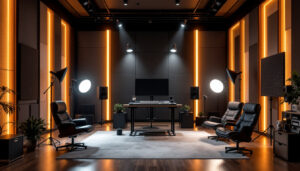
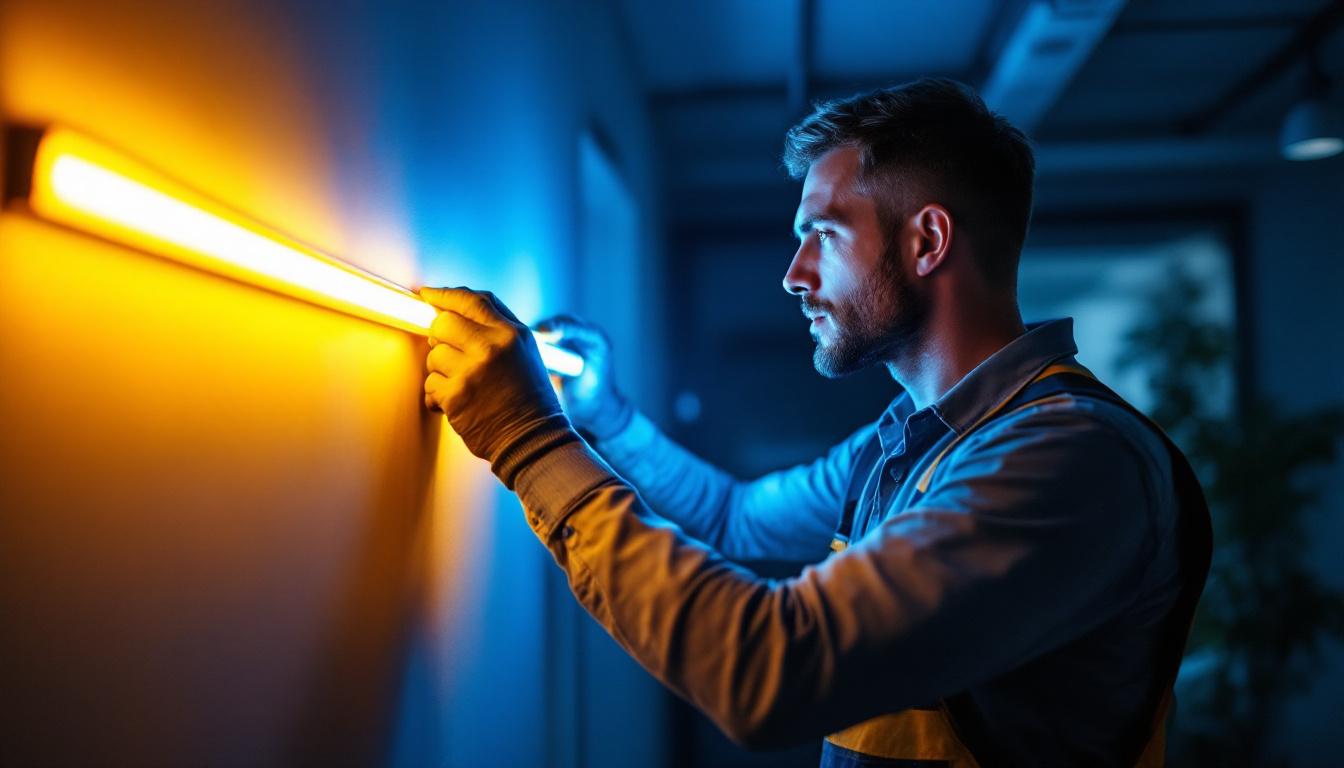
Lighting is a crucial element in any indoor space, influencing not only the aesthetics but also the functionality of a home. For lighting contractors, mastering the art of indoor house lighting involves understanding the nuances of design, technology, and client preferences. This article delves into essential tips that can enhance the skills of lighting contractors, ensuring they deliver exceptional results that meet the diverse needs of homeowners.
Understanding Different Types of Indoor Lighting
Before diving into the specifics of installation and design, it is vital for lighting contractors to grasp the different types of indoor lighting. Each type serves a unique purpose and contributes to the overall ambiance of a space.
Ambient Lighting
Ambient lighting, also known as general lighting, provides a uniform level of illumination throughout a room. It is essential for visibility and safety, allowing individuals to navigate spaces comfortably. Common sources of ambient lighting include ceiling-mounted fixtures, chandeliers, and recessed lights.
When planning ambient lighting, consider the room’s size and layout. For larger spaces, multiple light sources may be necessary to avoid dark corners. Dimming capabilities can also enhance the versatility of ambient lighting, allowing homeowners to adjust the brightness according to their needs. Additionally, the choice of light bulbs can significantly affect the quality of ambient light; LED bulbs, for instance, offer energy efficiency and a longer lifespan, making them a popular choice for modern homes. The color temperature of the bulbs can also influence the mood of a room, with warmer tones creating a cozy atmosphere and cooler tones promoting alertness.
Task Lighting
Task lighting focuses on specific areas where activities such as reading, cooking, or working take place. This type of lighting is crucial for enhancing visibility and reducing eye strain. Examples include under-cabinet lights in kitchens, desk lamps in home offices, and wall sconces beside reading chairs.
When selecting task lighting, it is important to consider the color temperature and intensity. Warmer tones are often more inviting, while cooler tones can enhance concentration. Additionally, adjustable fixtures can provide flexibility for various tasks. For instance, a swing-arm lamp can be repositioned to direct light exactly where it is needed, making it an ideal choice for artists or crafters who require precise illumination. Furthermore, integrating smart lighting technology can allow users to control task lighting through their smartphones or voice commands, adding a layer of convenience and customization to their workspace.
Accent Lighting
Accent lighting adds drama and interest to a space by highlighting specific features, such as artwork, architectural details, or plants. This type of lighting creates visual focal points and enhances the overall aesthetic appeal of a room.
For effective accent lighting, contractors should consider the placement and angle of fixtures. Spotlights, track lighting, and wall-mounted fixtures are popular choices. The key is to ensure that the accent lighting complements the existing ambient and task lighting without overpowering it. Additionally, the use of colored or adjustable LED lights can further enhance the impact of accent lighting, allowing homeowners to change the mood of a space with ease. Incorporating dimmers can also provide the flexibility to create different atmospheres, whether it’s a vibrant display for entertaining guests or a soft glow for a relaxing evening at home. Thoughtful accent lighting not only elevates the decor but can also influence the emotional response of those within the space, making it a powerful tool in interior design.
Choosing the Right Fixtures
The choice of fixtures plays a significant role in the effectiveness and style of indoor lighting. Lighting contractors must consider various factors when selecting fixtures for their projects.
Style and Design
Fixtures should align with the overall design theme of the home. Whether the style is modern, traditional, or eclectic, there are countless options available in the market. Lighting contractors should stay updated on current trends and timeless designs to provide clients with suitable recommendations.
Additionally, the scale of the fixtures should be appropriate for the space. Oversized fixtures can overwhelm a small room, while tiny fixtures may get lost in a large area. Striking the right balance is crucial for achieving a harmonious look.
Energy Efficiency
In an age where sustainability is a priority, energy-efficient lighting solutions are more important than ever. LED fixtures are a popular choice due to their longevity and low energy consumption. Lighting contractors should educate clients about the benefits of energy-efficient options, including cost savings on electricity bills and reduced environmental impact.
Moreover, incorporating smart lighting systems can further enhance energy efficiency. These systems allow homeowners to control their lighting remotely, set schedules, and even adjust brightness levels based on natural light availability.
Installation Considerations
Proper installation is critical to ensure that lighting fixtures function optimally and safely. Contractors should follow manufacturer guidelines and local building codes during the installation process. This includes ensuring that electrical connections are secure and that fixtures are mounted at appropriate heights.
Additionally, contractors should consider the accessibility of fixtures for maintenance. Hard-to-reach locations can complicate bulb replacements or repairs, so planning for accessibility can save time and effort in the long run.
Lighting Control Systems
Advancements in technology have led to the development of sophisticated lighting control systems that enhance user experience. Lighting contractors should be well-versed in these systems to offer clients the best solutions for their homes.
Dimmer Switches
Dimmer switches are a simple yet effective way to enhance the versatility of indoor lighting. They allow homeowners to adjust the brightness of their lights, creating different moods and atmospheres for various occasions. Lighting contractors should recommend dimmers for ambient and task lighting to provide clients with greater control over their spaces.
When installing dimmer switches, it is essential to ensure compatibility with the type of bulbs being used. Not all dimmers work with LED or CFL bulbs, so selecting the right dimmer is crucial for optimal performance.
Smart Lighting Solutions
Smart lighting systems offer a range of features that can significantly enhance the functionality of indoor lighting. These systems can be controlled via smartphone apps or voice commands, allowing for seamless integration with other smart home devices.
Lighting contractors should familiarize themselves with various smart lighting products, including smart bulbs, switches, and hubs. Educating clients on how to use these systems can greatly enhance their experience and satisfaction with their lighting solutions.
Scene Setting
Scene setting is a feature that allows homeowners to create specific lighting configurations for different activities or times of day. For instance, a “movie night” scene may dim the lights and adjust the hue, while a “dinner party” scene may provide bright, warm lighting to create an inviting atmosphere.
Contractors should work with clients to understand their lifestyle and preferences, helping them design personalized lighting scenes that enhance their daily routines and special occasions.
Understanding Color Temperature and Its Impact
Color temperature is a critical aspect of indoor lighting that affects the mood and functionality of a space. Lighting contractors must educate themselves and their clients about the implications of different color temperatures.
Warm vs. Cool Lighting
Warm lighting, typically around 2700K to 3000K, creates a cozy and inviting atmosphere, making it ideal for living rooms, bedrooms, and dining areas. In contrast, cool lighting, ranging from 4000K to 5000K, is more energizing and is often used in kitchens, bathrooms, and workspaces.
Understanding the desired ambiance for each room can help contractors recommend the appropriate color temperature. Additionally, utilizing a mix of warm and cool lighting can create depth and interest in a space.
Color Rendering Index (CRI)
The Color Rendering Index (CRI) measures a light source’s ability to accurately reproduce colors in comparison to natural light. A higher CRI value indicates better color accuracy, which is particularly important in spaces where color perception is critical, such as art studios or fashion design rooms.
Contractors should aim to use lighting fixtures with a CRI of 90 or above in areas where color accuracy is essential. This consideration can greatly enhance the visual experience in a home.
Client Consultation and Customization
Effective communication with clients is essential for lighting contractors to understand their needs and preferences. A thorough consultation process can lead to more successful projects and satisfied clients.
Assessing Client Needs
During the initial consultation, contractors should ask open-ended questions to gauge the client’s vision for their space. Understanding the purpose of each room, the desired ambiance, and any specific requirements will provide valuable insight into the project.
Additionally, discussing budget constraints and timelines can help set realistic expectations and ensure that the project runs smoothly. Building a rapport with clients can foster trust and lead to repeat business and referrals.
Personalized Lighting Plans
Once the contractor has gathered sufficient information, creating a personalized lighting plan is the next step. This plan should detail the types of fixtures, placements, and control systems that will be used in each space.
Visual aids, such as sketches or digital renderings, can help clients visualize the proposed lighting design. Presenting multiple options can also empower clients to make informed decisions that align with their preferences and budget.
Staying Updated on Industry Trends
The lighting industry is constantly evolving, with new technologies and design trends emerging regularly. For lighting contractors, staying informed about these changes is essential for maintaining a competitive edge.
Continuing Education
Participating in workshops, webinars, and industry conferences can provide valuable insights into the latest lighting technologies and design trends. Many manufacturers and industry organizations offer training programs that can enhance a contractor’s skills and knowledge.
Additionally, subscribing to industry publications and following influential designers and manufacturers on social media can keep contractors updated on emerging trends and innovative products.
Networking with Other Professionals
Building relationships with other professionals in the construction and design industries can lead to collaborative opportunities and referrals. Networking with architects, interior designers, and builders can provide contractors with insights into upcoming projects and the latest design trends.
Joining local trade associations or online forums can also facilitate connections with other lighting professionals, allowing for the exchange of ideas and best practices.
Conclusion
Mastering indoor house lighting is a multifaceted endeavor that requires a deep understanding of various lighting types, fixture selection, control systems, and client needs. By staying informed about industry trends and continuously improving their skills, lighting contractors can deliver exceptional results that enhance the beauty and functionality of indoor spaces.
Ultimately, the goal is to create lighting solutions that not only meet the technical requirements but also resonate with the personal tastes and lifestyles of clients. With the right knowledge and approach, lighting contractors can illuminate homes in ways that inspire and delight.
Illuminate with Excellence at LumenWholesale
Ready to elevate your lighting projects with the finest selection of spec-grade products? Look no further than LumenWholesale, where we provide contractors with exceptional lighting solutions at unbeatable wholesale prices. Say goodbye to inflated markups and hello to a vast array of high-quality, reliable lighting options that meet the highest industry standards. With the added convenience of free shipping on bulk orders, you can ensure your projects shine without the burden of hidden costs. Make the smart choice for your business and discover wholesale lighting at the best value today. Your clients’ beautifully lit spaces will thank you.