The invention of the light bulb marked a pivotal moment in human history, transforming the way people live and work. For lighting contractors, understanding the evolution of lighting technology is essential not only for historical context but also for applying that knowledge to modern smart lighting solutions. This article delves into the origins of the light bulb, its evolution, and how contemporary lighting contractors can leverage this history to enhance their services.
The Evolution of Lighting Technology
Before delving into the specifics of the light bulb, it is important to recognize the broader context of lighting technology. From ancient times, humans have sought ways to illuminate their surroundings, leading to a variety of methods and materials being used. The desire to conquer darkness has spurred innovation across cultures, from the flickering flames of primitive fires to the sophisticated systems we enjoy today.
Early Lighting Methods
In the early days, natural light was the primary source of illumination. As darkness fell, people relied on fire, whether from torches, candles, or oil lamps. These methods, while effective to some degree, had significant limitations. They were not only hazardous but also provided inconsistent lighting quality. The use of animal fats in lamps, for instance, created a smoky atmosphere that could be detrimental to health, while candles made from beeswax or tallow were often costly and burned quickly, necessitating frequent replacements.
The introduction of gas lighting in the 19th century represented a significant advancement. Gas lamps illuminated streets and homes, making urban areas safer and more vibrant. The glow of gaslight transformed cities, allowing for longer hours of activity and social interaction. However, the reliance on gas also came with its own set of challenges, including safety concerns and the need for a continuous supply of gas. The risk of explosions and the noxious fumes produced by burning gas highlighted the need for further innovation in lighting technology.
The Birth of the Electric Light Bulb
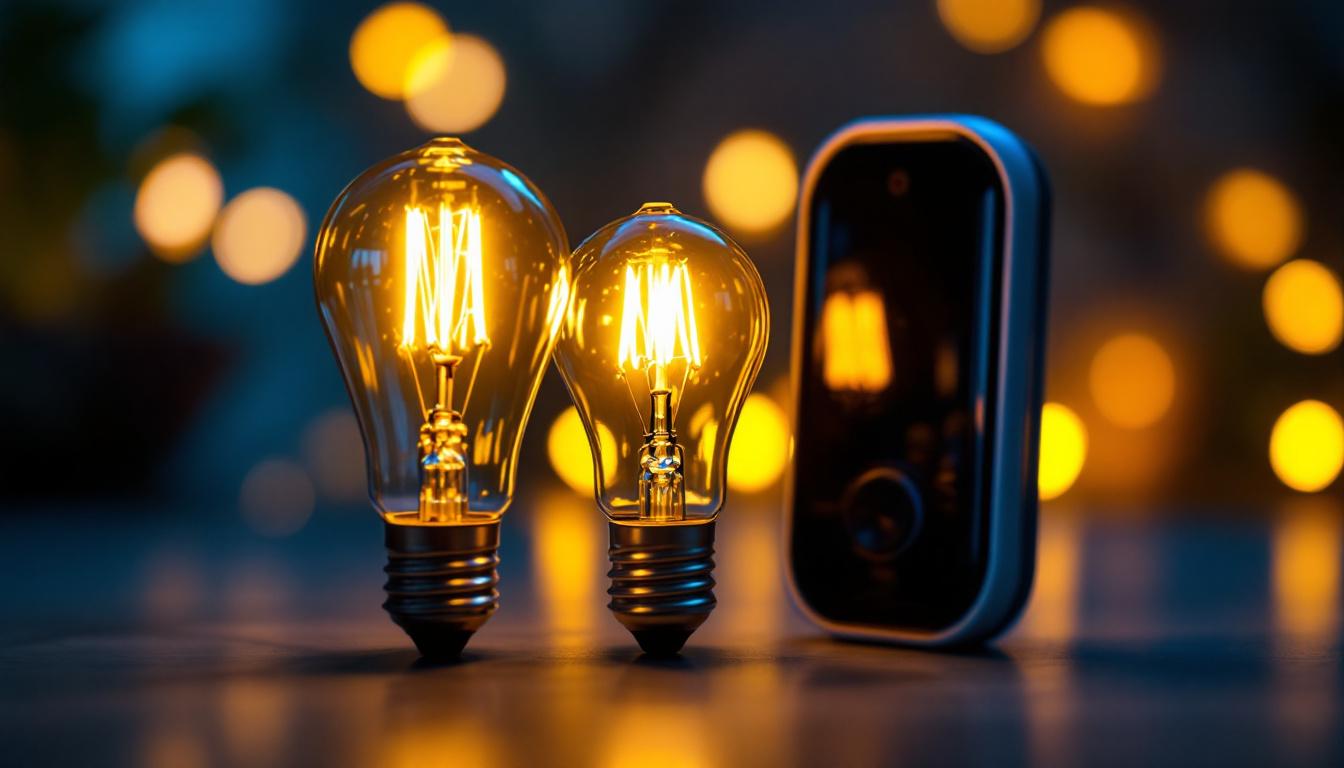
The quest for a safer, more efficient lighting solution led to the development of the electric light bulb. This innovation was not the result of a single inventor but rather the culmination of efforts by various pioneers. Figures such as Thomas Edison, Joseph Swan, and Hiram Maxim contributed to the evolution of the bulb, refining designs and improving materials. The electric light bulb provided a reliable and controllable source of light, paving the way for the modern electrical systems we rely on today. Its introduction marked a pivotal moment in history, as it not only extended the day but also changed the very fabric of society.
As the electric light bulb became more prevalent, it revolutionized the way people interacted with their environments. Homes and businesses were no longer bound by the limitations of daylight or the hazards of open flames. The ability to illuminate spaces at will led to a surge in creativity and productivity, influencing everything from architectural design to the arts. Public spaces transformed dramatically, with theaters, museums, and galleries now able to showcase their offerings in bright, inviting light. This newfound accessibility to illumination also fostered a sense of security, encouraging people to venture out after dark and participate in the burgeoning nightlife that cities began to offer.
Understanding Smart Lighting
With the historical context of lighting technology established, it is crucial for lighting contractors to understand the current trends in smart lighting. Smart lighting goes beyond mere illumination; it integrates technology to enhance functionality, efficiency, and user experience.
What is Smart Lighting?
Smart lighting refers to lighting systems that can be controlled remotely through smartphones, tablets, or voice-activated devices. These systems often incorporate advanced features such as dimming capabilities, color temperature adjustments, and programmable schedules. The ability to control lighting through technology not only increases convenience but also contributes to energy savings.
For contractors, understanding smart lighting systems is essential for meeting client demands. As more homeowners and businesses seek to incorporate smart technology into their living and working spaces, contractors must be prepared to offer solutions that align with these expectations.
Benefits of Smart Lighting for Contractors
Integrating smart lighting solutions into a contractor’s repertoire can provide numerous benefits. First and foremost, it allows for the differentiation of services in a competitive market. Offering smart lighting installations can attract tech-savvy clients who are looking for modern solutions.
Additionally, smart lighting systems can lead to increased energy efficiency, which is a significant selling point for environmentally conscious consumers. By emphasizing the long-term cost savings associated with smart lighting, contractors can appeal to a broader audience.
Approaches to Smart Lighting Installation
When it comes to installing smart lighting systems, contractors must adopt a strategic approach to ensure successful implementation. This involves understanding the specific needs of clients, selecting the right products, and providing thorough education on system usage.
Assessing Client Needs
Before recommending any smart lighting solutions, it is crucial to conduct a thorough assessment of the client’s needs. This includes understanding their lifestyle, preferences, and the specific areas they wish to illuminate. A personalized approach not only enhances customer satisfaction but also ensures that the selected solutions are practical and effective.
Contractors should engage in open dialogue with clients, asking questions about their daily routines and how they envision using their lighting systems. This information can guide the selection of appropriate products and features.
Selecting the Right Products
With a clear understanding of client needs, contractors can begin selecting the right smart lighting products. There are numerous options available on the market, ranging from smart bulbs to comprehensive lighting control systems. Factors to consider include compatibility with existing electrical systems, ease of installation, and user-friendliness.
It is also important to stay updated on the latest technological advancements in smart lighting. New products are continually being developed, and keeping abreast of these innovations can provide contractors with a competitive edge.
Installation Best Practices
Once the products have been selected, the installation process can begin. Adhering to best practices during installation is essential for ensuring the longevity and effectiveness of smart lighting systems.
Planning the Layout
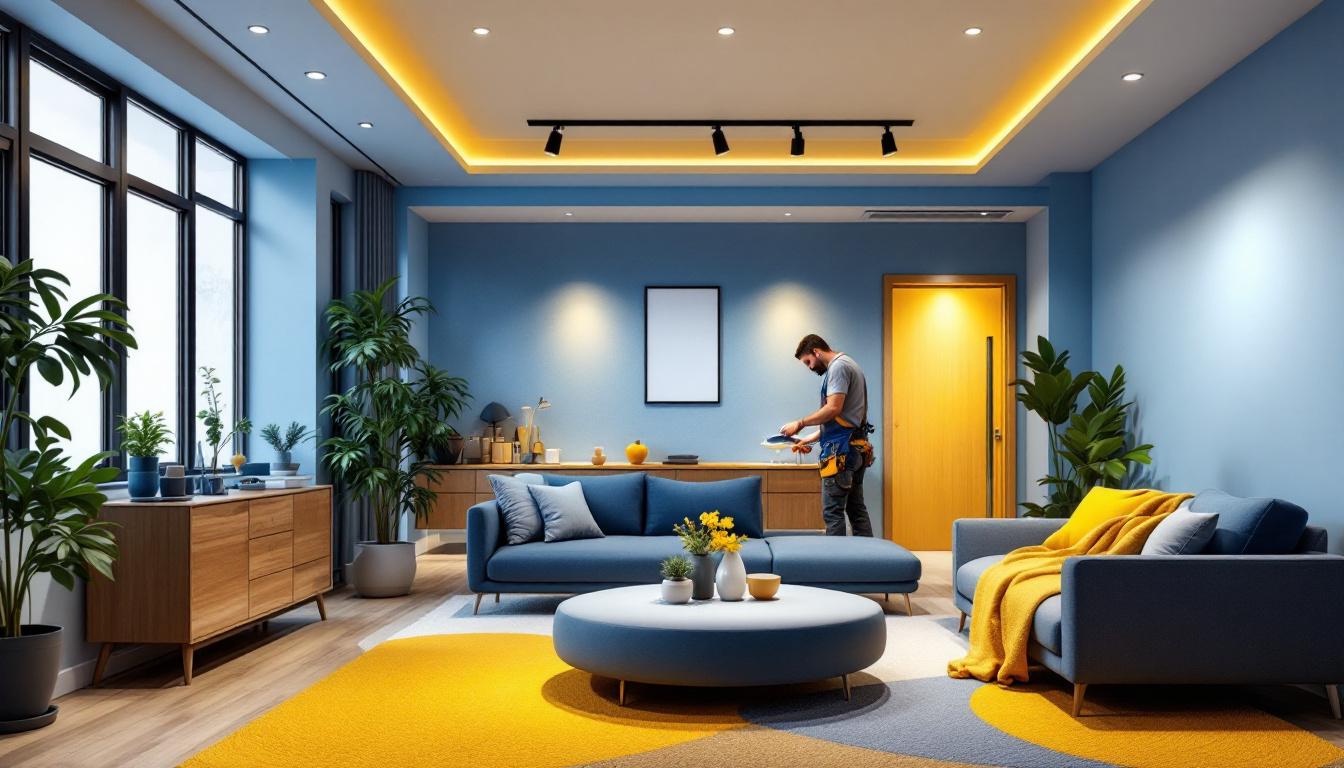
A well-thought-out lighting layout is crucial for maximizing the benefits of smart lighting. Contractors should consider factors such as room size, furniture placement, and the specific tasks that will be performed in each area. Strategic placement of lights can enhance functionality and aesthetics.
Using software tools for lighting design can aid in visualizing the final outcome and ensuring that all areas are adequately illuminated. This planning phase is essential for avoiding common pitfalls that can arise during installation.
Ensuring Compatibility
Compatibility between smart lighting products and existing electrical systems is a critical consideration. Contractors must ensure that the chosen products can seamlessly integrate with the client’s current setup. This may involve upgrading wiring or utilizing specific hubs that facilitate communication between devices.
Thorough testing of the system post-installation is also crucial. Ensuring that all components work harmoniously will prevent future issues and enhance client satisfaction.
Educating Clients on Smart Lighting
Once the installation is complete, educating clients on how to use their new smart lighting systems is paramount. Many clients may be unfamiliar with the technology, and providing clear instructions can enhance their experience and satisfaction.
Demonstrating Features
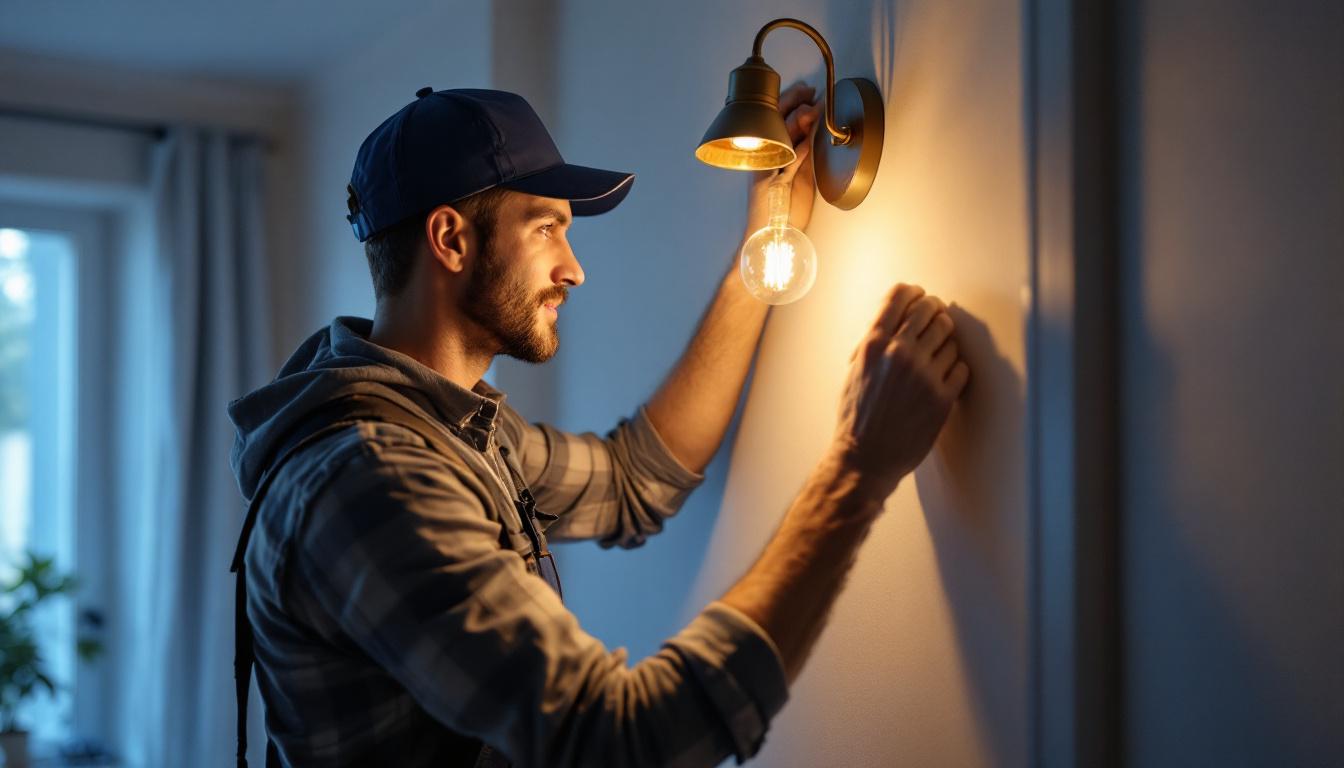
Contractors should take the time to demonstrate the various features of the smart lighting system to clients. This includes showing them how to use mobile apps, voice controls, and any programmable settings. A hands-on demonstration can help clients feel more comfortable and confident in using their new system.
Providing written materials or digital guides can also be beneficial. These resources can serve as a reference for clients as they begin to explore the full capabilities of their smart lighting systems.
Encouraging Feedback
Encouraging clients to provide feedback on their smart lighting experience can be invaluable for contractors. This feedback can inform future installations and help identify areas for improvement. Additionally, satisfied clients are more likely to refer contractors to others, contributing to business growth.
Creating a follow-up schedule to check in with clients after installation can also demonstrate a commitment to customer satisfaction and build long-term relationships.
Future Trends in Smart Lighting
The landscape of smart lighting is continuously evolving, and staying ahead of trends is essential for lighting contractors. Understanding emerging technologies and consumer preferences can position contractors for success in the future.
Integration with Smart Home Systems
As smart home technology continues to gain popularity, the integration of smart lighting with other home automation systems is becoming increasingly important. Contractors should be prepared to offer solutions that work seamlessly with smart thermostats, security systems, and other connected devices.
This integration enhances the overall user experience, allowing clients to control multiple aspects of their home environment from a single interface. Contractors who can provide comprehensive smart home solutions will likely find themselves in high demand.
Sustainability and Energy Efficiency
As environmental concerns continue to rise, consumers are increasingly seeking sustainable lighting solutions. Smart lighting systems often incorporate energy-efficient technologies, such as LED bulbs and adaptive lighting controls, which can significantly reduce energy consumption.
Contractors should emphasize the sustainability benefits of smart lighting in their marketing efforts. Highlighting energy savings and the positive impact on the environment can resonate with eco-conscious clients and set contractors apart in a competitive market.
Conclusion
The invention of the light bulb was a transformative moment in history, and understanding its evolution is crucial for lighting contractors today. By embracing smart lighting solutions, contractors can meet the demands of modern consumers while enhancing their service offerings.
From assessing client needs to ensuring successful installations and staying ahead of future trends, the role of a lighting contractor is more dynamic than ever. As technology continues to advance, those who adapt and innovate will thrive in the ever-changing landscape of lighting solutions.
Illuminate Your Projects with LumenWholesale
Ready to revolutionize your lighting installations with the latest smart lighting solutions? At LumenWholesale, we provide lighting contractors with the highest quality, spec-grade lighting products at prices that can’t be beaten. Say goodbye to local distributor markups and hello to a vast selection of reliable, high-performance lighting that meets the most rigorous industry standards. Plus, with free shipping on bulk orders, you can stock up on premium lighting without any hidden fees or compromises. Elevate your service offerings and stay ahead of the curve by choosing Wholesale Lighting at the Best Value with LumenWholesale.