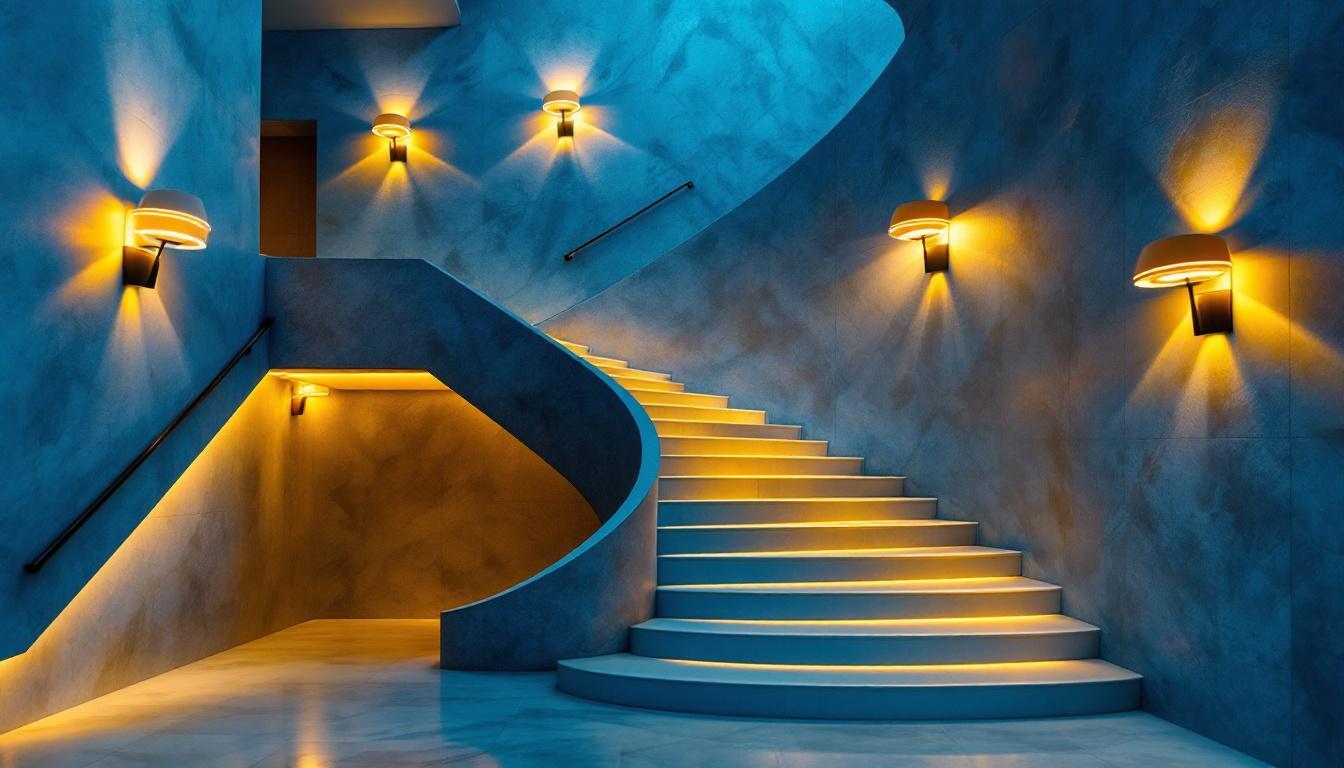
Stairway wall lighting is an essential aspect of residential and commercial design, serving both functional and aesthetic purposes. Properly executed, it enhances safety, guides movement, and adds a touch of elegance to the space. For lighting contractors, understanding best practices in stairway wall lighting can lead to improved client satisfaction and project success. This article delves into the key considerations and strategies for effective stairway wall lighting.
Understanding the Importance of Stairway Wall Lighting
Stairways often present unique challenges when it comes to illumination. Inadequate lighting can lead to safety hazards, while well-planned lighting can transform a mundane space into an inviting and visually appealing area. The importance of stairway wall lighting extends beyond mere visibility; it plays a crucial role in the overall ambiance of a home or building.
Enhancing Safety and Visibility
One of the primary functions of stairway wall lighting is to enhance safety. Poorly lit staircases can lead to accidents, particularly in homes with children or elderly residents. Strategically placed wall sconces or LED strips can illuminate each step, making it easier for individuals to navigate the space safely.
Lighting contractors should consider the height and placement of fixtures to ensure that the light casts minimal shadows. Brightness levels should also be appropriate; too dim can be just as hazardous as too bright, potentially causing glare or discomfort.
Creating an Inviting Atmosphere
Beyond safety, stairway wall lighting contributes significantly to the atmosphere of a space. A well-lit stairway can serve as an inviting transition between different areas of a home or building. Lighting can highlight architectural features, artwork, or decorative elements, enhancing the overall aesthetic appeal.
Using warm light tones can create a cozy environment, while cooler tones may lend a more modern feel. The choice of fixtures, such as wall sconces, can also influence the overall design, making it essential for contractors to align lighting choices with the client’s vision.
Design Considerations for Stairway Wall Lighting
When planning stairway wall lighting, several design considerations come into play. These include the style of the space, the type of lighting fixtures, and the overall layout of the stairway. Each element must work harmoniously to achieve the desired effect.
Choosing the Right Fixtures
The selection of lighting fixtures is critical in stairway wall lighting. Wall sconces are a popular choice due to their versatility and ability to provide focused light. They come in various styles, from traditional to contemporary, allowing contractors to match the fixtures with the surrounding decor.
In addition to wall sconces, recessed lighting can be an effective option, particularly in modern designs. These fixtures can be installed within the walls or ceiling, providing a sleek and unobtrusive look. However, it is essential to ensure that they are positioned correctly to avoid creating dark spots.
Light Placement and Spacing
Proper placement and spacing of lighting fixtures are crucial for effective illumination. A common guideline is to place wall sconces approximately 60 to 66 inches above the floor, ensuring the light is at eye level for most individuals. This height helps to minimize glare while providing adequate light coverage.
Spacing between fixtures should also be carefully considered. A general rule of thumb is to space sconces 6 to 8 feet apart, depending on the brightness of the bulbs used. This spacing ensures that the light is evenly distributed along the stairway, preventing dark areas that could pose safety risks.
Types of Lighting Techniques
Lighting techniques play a significant role in how stairway wall lighting is perceived. Different methods can create various effects, enhancing the functionality and aesthetics of the space.
Direct vs. Indirect Lighting
Direct lighting involves fixtures that cast light directly onto the stairway, providing clear visibility. This technique is often used in conjunction with wall sconces or pendant lights positioned above the stairs. While effective for safety, direct lighting can sometimes create harsh shadows.
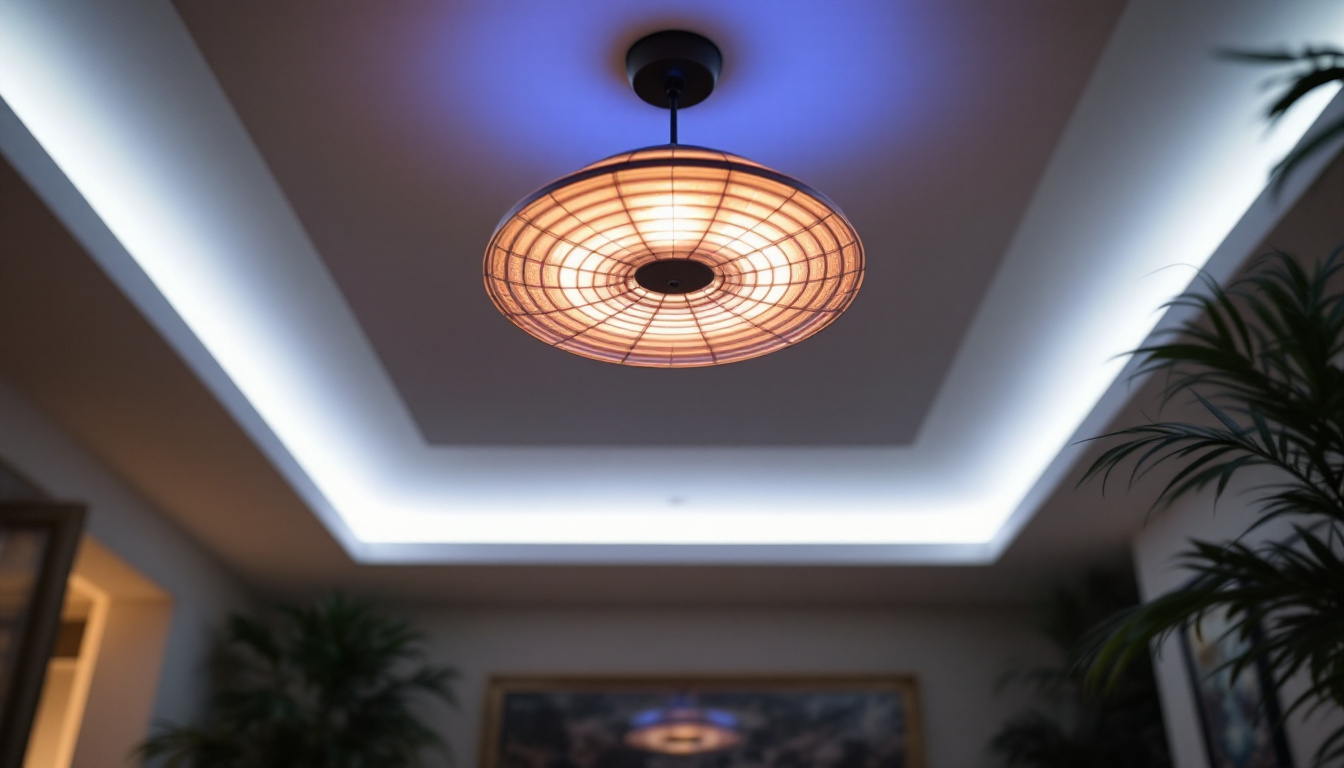
On the other hand, indirect lighting reflects light off walls or ceilings, creating a softer, more diffused glow. This technique can be achieved using LED strip lights or wall-mounted fixtures that direct light upward. Indirect lighting can add depth and warmth to the stairway, making it feel more inviting.
Layering Light for Depth
Layering different types of lighting is a best practice that can significantly enhance the overall effect of stairway wall lighting. Combining ambient, task, and accent lighting creates a well-rounded illumination scheme. Ambient lighting provides general illumination, while task lighting focuses on specific areas, such as steps. Accent lighting can highlight architectural features or artwork, adding visual interest.
For instance, using wall sconces for ambient lighting, coupled with LED strips along the staircase for task lighting, can create a dynamic and functional space. This layered approach not only improves visibility but also enhances the aesthetic appeal of the stairway.
Energy Efficiency and Sustainability
In today’s environmentally conscious world, energy efficiency is a significant consideration for lighting contractors. Selecting energy-efficient lighting solutions not only reduces electricity costs but also aligns with sustainable practices.
Utilizing LED Technology
LED lighting has become increasingly popular due to its energy efficiency and longevity. These bulbs consume significantly less energy than traditional incandescent bulbs, making them an excellent choice for stairway wall lighting. Additionally, LEDs have a longer lifespan, reducing the frequency of replacements and maintenance costs.
Contractors should also consider the color temperature of LED bulbs. Warmer tones (2700K to 3000K) can create a cozy atmosphere, while cooler tones (4000K to 5000K) may be more suitable for modern designs. The right color temperature can enhance the overall aesthetic of the stairway.
Smart Lighting Solutions
Integrating smart lighting solutions can further enhance energy efficiency. Smart lighting systems allow for remote control and automation, enabling users to adjust brightness levels or set schedules. This flexibility can lead to significant energy savings, as lights can be turned off when not in use.
Moreover, smart sensors can detect movement, ensuring that lights are only activated when someone is using the stairway. This feature not only conserves energy but also adds a layer of convenience for users.
Compliance with Building Codes and Regulations
Lighting contractors must be aware of local building codes and regulations when designing stairway wall lighting. Compliance is essential to ensure safety and avoid potential legal issues.
Understanding Code Requirements
Different regions have specific code requirements regarding stairway lighting. These may include minimum illumination levels, fixture placement, and the use of certain types of lighting. Familiarizing oneself with these codes is crucial for ensuring that installations meet safety standards.
Contractors should also be aware of any requirements for emergency lighting in stairways, particularly in commercial buildings. Properly installed emergency lighting can provide crucial visibility during power outages or emergencies, enhancing safety for all occupants.
Documentation and Inspections
Maintaining thorough documentation of lighting plans and installations can be beneficial for contractors. This documentation can serve as a reference for inspections and ensure compliance with local regulations. Additionally, clear communication with clients about code requirements can foster trust and transparency.
Client Consultation and Customization
Effective communication with clients is a cornerstone of successful lighting projects. Understanding their needs and preferences allows contractors to create customized solutions that align with their vision.
Assessing Client Needs
During initial consultations, contractors should assess the client’s specific needs and preferences regarding stairway lighting. Questions about the intended use of the space, desired ambiance, and any particular design elements can guide the selection of fixtures and lighting techniques.
It may also be helpful to discuss budget considerations upfront. Understanding the financial parameters can help contractors propose solutions that meet both aesthetic and functional requirements without exceeding the client’s budget.
Presenting Design Options
Once client needs are established, presenting various design options can facilitate decision-making. Visual aids, such as sketches or digital renderings, can help clients envision how different lighting solutions will look in their space. Providing a range of options allows clients to choose fixtures and designs that resonate with their style and preferences.
Maintenance and Upkeep
Proper maintenance of stairway wall lighting is essential for ensuring longevity and consistent performance. Lighting contractors should provide clients with guidelines for upkeep and address any potential issues that may arise over time.
Regular Inspections
Encouraging clients to conduct regular inspections of their stairway lighting can help identify any issues early on. This includes checking for burnt-out bulbs, loose fixtures, or any signs of wear and tear. Regular maintenance can prevent more significant problems down the line and ensure that the lighting remains functional and aesthetically pleasing.
Contractors can also offer maintenance services as part of their offerings, providing clients with peace of mind and ensuring that their lighting systems are always in optimal condition.
Upgrading Fixtures and Technology
As technology evolves, lighting options may become outdated. Contractors should stay informed about the latest advancements in lighting technology and recommend upgrades to clients when appropriate. This could include transitioning to newer LED options, incorporating smart lighting systems, or replacing outdated fixtures with more energy-efficient alternatives.
Conclusion
Stairway wall lighting is a vital component of any lighting design project, requiring careful consideration and planning. By adhering to best practices, lighting contractors can enhance safety, create inviting atmospheres, and ensure compliance with regulations. The integration of energy-efficient solutions and smart technology further elevates the value of stairway lighting.
Ultimately, effective communication with clients and a commitment to quality will lead to successful stairway lighting projects that meet both functional and aesthetic needs. By implementing these best practices, lighting contractors can establish themselves as trusted professionals in the industry, delivering exceptional results that exceed client expectations.
Illuminate Your Projects with LumenWholesale
Ready to elevate your stairway wall lighting projects with the best in spec-grade lighting products? At LumenWholesale, we offer contractors an unbeatable combination of quality, affordability, and convenience. Say goodbye to middleman markups and hello to top-quality lighting at wholesale prices. Our extensive selection is designed to meet the highest industry standards, ensuring every installation shines with reliability and performance. Plus, with free shipping on bulk orders, you can stock up on premium lighting solutions without worrying about hidden fees. Make your next project a beacon of excellence with Wholesale Lighting at the Best Value from LumenWholesale.