Best Outdoor LED Flood Lights: How to Avoid Costly Mistakes in Lighting Projects
Outdoor LED flood lights are essential for enhancing safety, security, and aesthetics in various settings, from commercial properties to residential backyards. However, selecting the right flood lights and implementing a successful lighting project can be fraught with challenges. Lighting contractors must navigate a myriad of options, technologies, and installation methods to avoid costly mistakes. This article aims to guide professionals through the process of choosing the best outdoor LED flood lights while avoiding common pitfalls.
Understanding LED Flood Lights
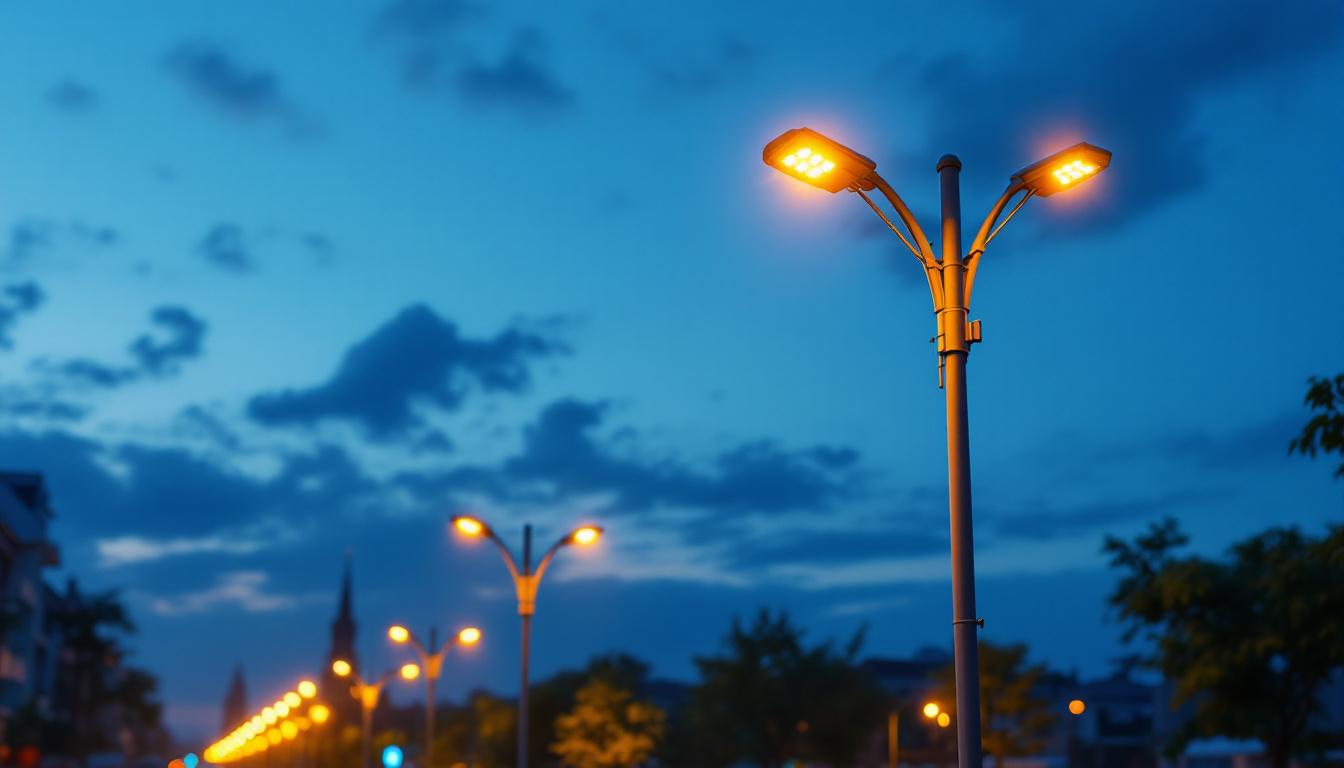
LED flood lights are versatile lighting solutions that provide broad illumination for outdoor spaces. They are energy-efficient, long-lasting, and available in various designs and brightness levels. Understanding the fundamental characteristics of LED flood lights is crucial for making informed decisions. These lights not only enhance visibility but also contribute to the safety and security of residential and commercial properties. Their ability to illuminate large areas effectively makes them a popular choice for various applications, from sports fields to outdoor events.
Types of LED Flood Lights
There are several types of LED flood lights available on the market, each designed for specific applications. Some common types include:
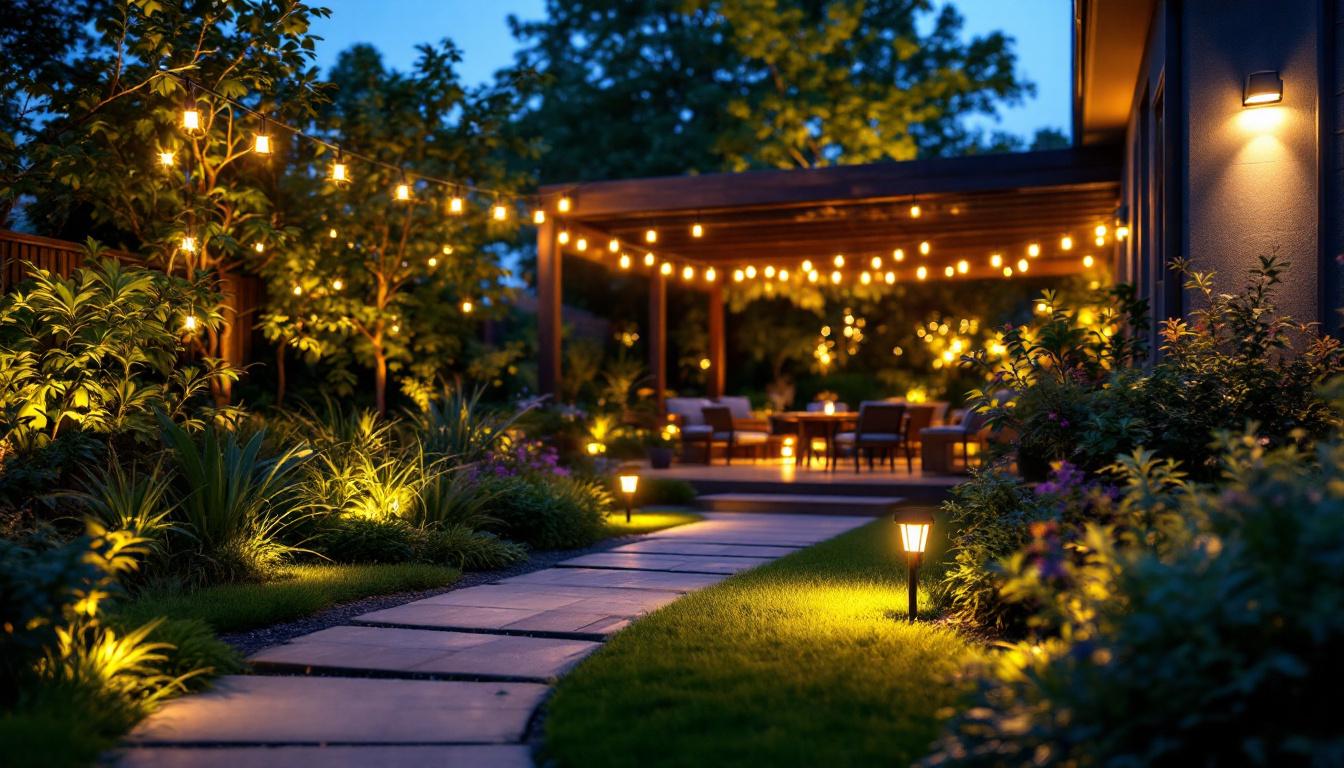
- Standard Flood Lights: These lights provide general illumination and are suitable for a variety of outdoor settings, including parking lots and backyards. They are often used in residential areas to light up pathways and driveways, ensuring safe navigation during nighttime.
- Smart Flood Lights: Equipped with Wi-Fi or Bluetooth connectivity, smart flood lights can be controlled remotely via smartphones, allowing for greater flexibility and convenience. Many models also offer features such as motion detection and scheduling, which can enhance security by ensuring lights are on when needed.
- Solar-Powered Flood Lights: Ideal for areas without electrical access, these lights harness solar energy during the day and illuminate at night, making them eco-friendly options. They are particularly beneficial for remote locations, as they require minimal maintenance and installation.
Key Features to Consider
When selecting outdoor LED flood lights, several features should be taken into account:
- Lumens Output: The brightness of a flood light is measured in lumens. Higher lumens indicate brighter light, which is essential for security applications. It’s important to assess the specific needs of your space; for instance, a well-lit area can deter potential intruders, while softer lighting may be suitable for ambiance.
- Color Temperature: Measured in Kelvins (K), color temperature affects the ambiance of the space. Warmer tones (2700K-3000K) create a cozy atmosphere, while cooler tones (4000K-5000K) are more suitable for security. The choice of color temperature can also influence the perception of space, making it feel more inviting or alert.
- IP Rating: The Ingress Protection (IP) rating indicates the light’s resistance to dust and water. A higher rating (e.g., IP65) is ideal for outdoor use. This feature is particularly important in regions with extreme weather conditions, ensuring that the lights remain functional and reliable throughout the year.
In addition to these features, the installation process and mounting options should also be considered. Many LED flood lights come with adjustable brackets, allowing for precise positioning to maximize coverage. Furthermore, the durability of the materials used in the construction of the flood lights can significantly impact their lifespan, making it essential to choose products made from high-quality, weather-resistant materials. Some manufacturers even offer warranties, providing additional peace of mind regarding the longevity and performance of their products.
Common Mistakes in Lighting Projects
Even experienced lighting contractors can fall prey to common mistakes that can lead to unsatisfactory results and increased costs. Identifying these pitfalls is the first step toward ensuring a successful project.
Underestimating Light Requirements
One of the most significant errors is underestimating the amount of light needed for a specific area. Each application has its own lighting requirements based on factors such as:
- Purpose of the lighting (e.g., security, ambiance, or task lighting)
- Size and layout of the area
- Surrounding structures and landscaping that may block light
To avoid this mistake, conducting a thorough lighting analysis before installation is crucial. This may involve calculating the required lumens per square foot for the area being illuminated. Additionally, it’s important to consider the color temperature of the light, as warmer tones can create a cozy atmosphere while cooler tones can enhance visibility and alertness. Utilizing software tools for lighting design can also provide valuable insights into how different fixtures will perform in various conditions, helping to ensure that the final setup meets both aesthetic and functional needs.
Neglecting Placement and Spacing
Another common mistake is improper placement and spacing of flood lights. Poorly positioned lights can lead to uneven illumination, creating dark spots that compromise safety and aesthetics. Key considerations include:
- Height of installation: Flood lights should be mounted at an appropriate height to maximize coverage.
- Angle of illumination: Adjusting the angle can help direct light where it’s needed most.
- Distance between fixtures: Proper spacing ensures even light distribution and minimizes glare.
Moreover, the surrounding environment plays a critical role in determining the optimal placement of lighting fixtures. For instance, trees, buildings, or even fences can cast shadows that affect how light is distributed across an area. It’s also essential to consider the direction of light pollution, particularly in residential areas, to avoid disturbing neighbors. Conducting a mock-up with temporary lighting can help visualize the effects before final installation, allowing adjustments to be made for the best possible outcome. This proactive approach not only enhances the visual appeal but also ensures that the lighting serves its intended purpose effectively.
Choosing the Right Products
With a plethora of options available, choosing the right outdoor LED flood lights can be overwhelming. However, focusing on specific criteria can simplify the selection process.
Energy Efficiency and Longevity
One of the primary advantages of LED technology is its energy efficiency. When selecting flood lights, look for products with high efficacy ratings, which indicate more light output per watt consumed. Additionally, consider the lifespan of the fixtures; high-quality LED flood lights can last up to 50,000 hours or more, reducing the need for frequent replacements. This longevity not only saves money on replacements but also minimizes waste, making it a more environmentally friendly choice. Moreover, many LED flood lights are designed to withstand harsh weather conditions, ensuring they remain functional and efficient throughout the seasons, from scorching summers to frigid winters.
Warranty and Support
Choosing products from reputable manufacturers that offer warranties and customer support can significantly impact the success of a lighting project. A good warranty indicates confidence in the product’s durability and performance. Furthermore, reliable customer support can assist with troubleshooting and installation challenges. It’s also beneficial to research user reviews and testimonials, as these can provide insights into real-world performance and customer experiences. Some manufacturers even offer installation guides or video tutorials, which can be invaluable for DIY enthusiasts looking to set up their outdoor lighting systems without professional help. This level of support not only enhances user satisfaction but also fosters a sense of community among customers who share tips and advice on optimizing their lighting setups.
Installation Best Practices
Proper installation is critical to ensuring the effectiveness and longevity of outdoor LED flood lights. Following best practices can help prevent issues down the line.
Electrical Considerations
When installing flood lights, it is essential to adhere to electrical codes and standards. This includes:
- Using appropriate wiring and connectors for outdoor installations
- Ensuring proper grounding to prevent electrical hazards
- Installing fixtures in locations that minimize the risk of water ingress
Consulting with a licensed electrician can help ensure compliance with local regulations and safety standards.
Testing and Adjustments
After installation, testing the flood lights is crucial to ensure they function as intended. This includes:
- Checking for proper illumination levels and adjusting angles as necessary
- Verifying that there are no dark spots or excessive glare
- Ensuring that smart features (if applicable) are functioning correctly
Making adjustments during the testing phase can save time and costs associated with future modifications.
Maintaining Outdoor LED Flood Lights
Regular maintenance is vital for ensuring the longevity and performance of outdoor LED flood lights. Neglecting maintenance can lead to decreased efficiency and premature failure.
Cleaning and Inspection
Over time, dirt, dust, and debris can accumulate on the fixtures, reducing light output. Regular cleaning of the lenses and fixtures is important to maintain optimal performance. Additionally, periodic inspections can help identify any potential issues, such as:
- Corrosion on electrical connections
- Loose fixtures or mounting hardware
- Damage to the housing or lenses
Upgrading Technology
As technology advances, upgrading to newer, more efficient models can enhance the performance of outdoor lighting systems. Consider replacing older flood lights with newer models that offer improved energy efficiency, better light quality, and advanced features such as smart controls.
Conclusion
Selecting and installing outdoor LED flood lights requires careful consideration and planning. By understanding the types of flood lights available, recognizing common mistakes, and following best practices for installation and maintenance, lighting contractors can ensure successful projects that meet their clients’ needs. Investing time and resources into the planning phase will ultimately lead to better outcomes and satisfied customers, solidifying the contractor’s reputation in the industry.
In a competitive market, staying informed about the latest technologies and trends in outdoor lighting can set contractors apart. By prioritizing quality, efficiency, and safety, lighting professionals can deliver exceptional results that enhance both the functionality and aesthetics of outdoor spaces.
Illuminate Your Projects with LumenWholesale
Ready to elevate your lighting projects with the best outdoor LED flood lights? At LumenWholesale, we provide lighting contractors like you with the highest quality, spec-grade lighting products at prices that can’t be beaten. Say goodbye to local distributor markups and hello to our extensive selection that meets rigorous industry standards. With free shipping on bulk orders, you can trust that you’re getting premium lighting solutions at the best value — no hidden fees, no compromises. Enhance the functionality and aesthetics of your outdoor spaces with confidence. Visit LumenWholesale today and experience the ultimate in quality, affordability, and convenience for all your lighting needs.