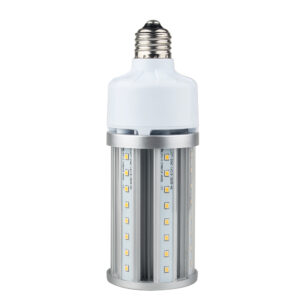
As the demand for effective and visually appealing signage continues to grow, the role of lighting contractors has become increasingly vital. Sign light bulbs play a crucial role in enhancing the visibility and aesthetic appeal of signs, making it essential for contractors to stay informed about the best practices, products, and installation techniques. This comprehensive checklist serves as a guide for lighting contractors to ensure they meet the needs of their clients while delivering high-quality results.
Understanding Sign Light Bulbs
Before diving into the checklist, it is important to understand the different types of sign light bulbs available and their specific applications. Each type of bulb has its own unique characteristics, advantages, and disadvantages.
Types of Sign Light Bulbs
Sign light bulbs can be broadly categorized into several types, including incandescent, fluorescent, LED, and halogen. Each type has its own distinct features that make it suitable for various signage applications.
Incandescent bulbs are known for their warm light and are often used in traditional signage. However, they are less energy-efficient and have a shorter lifespan compared to other options. Fluorescent bulbs, on the other hand, are more energy-efficient and have a longer lifespan but may not provide the same warmth as incandescent bulbs. These bulbs are often used in commercial settings where cost savings on energy bills are a priority, although they can sometimes flicker and may require a ballast to operate effectively.
LED bulbs have gained popularity in recent years due to their energy efficiency, long lifespan, and versatility. They can be used in various settings and can be easily customized to fit specific design requirements. With the ability to produce a wide range of colors and brightness levels, LEDs are ideal for creating eye-catching displays. Halogen bulbs offer a bright, white light and are often used in applications where high-intensity lighting is required. They can provide a crisp and clear illumination that enhances visibility, making them a popular choice for illuminated signs that need to stand out, especially at night.
Choosing the Right Bulb for Your Project
When selecting the appropriate sign light bulb for a project, several factors should be considered, including the type of sign, the desired brightness, and energy efficiency. Additionally, understanding the local regulations regarding signage lighting can help ensure compliance and avoid potential issues. For example, some areas may have restrictions on the brightness of outdoor signage to minimize light pollution, which could affect your choice of bulb.
For instance, LED bulbs are often recommended for outdoor signage due to their durability and resistance to harsh weather conditions. They can withstand extreme temperatures and are less likely to break than traditional bulbs, making them a safer choice for outdoor applications. In contrast, incandescent bulbs may be more suitable for indoor applications where a warm ambiance is desired. Furthermore, the installation process can vary significantly between bulb types; while some may require specialized fixtures or electrical work, others can be easily retrofitted into existing signage. Understanding these nuances can help streamline the project and ensure that the chosen lighting solution meets both aesthetic and functional requirements.
The Ultimate Lighting Contractor Checklist
Now that the basics of sign light bulbs have been covered, it’s time to delve into the ultimate checklist for lighting contractors. This checklist will help ensure that all aspects of the project are considered, from planning and design to installation and maintenance.
Planning and Design
The planning and design phase is critical to the success of any signage project. It sets the foundation for the entire installation process and ensures that the final product meets the client’s expectations. Engaging in this phase thoroughly can prevent costly changes later on and foster a collaborative relationship with the client.
- Assess Client Needs: Begin by discussing the client’s vision for the sign. Understand their goals, target audience, and any specific requirements they may have. This dialogue can also reveal insights into the brand’s identity, which can be visually represented through color schemes and lighting styles.
- Conduct Site Evaluation: Visit the installation site to assess the environment and identify any potential challenges. Consider factors such as the location, surrounding lighting, and visibility. Take note of any local regulations regarding signage that could affect the design or placement.
- Design Considerations: Collaborate with designers to create a visually appealing sign that incorporates the appropriate lighting elements. Consider how the sign will be viewed from different angles and distances. Utilize 3D modeling software to visualize the final product in situ, allowing for adjustments before the physical installation begins.
Choosing the Right Equipment
Once the planning and design phase is complete, the next step involves selecting the right equipment and materials for the project. This includes not only the sign light bulbs but also fixtures, wiring, and mounting hardware. The right choices here can significantly impact the efficiency and aesthetic of the final installation.
- Bulb Selection: Based on the design and client preferences, choose the appropriate type of bulb. Ensure it meets the required brightness and energy efficiency standards. Consider LED options, which provide longevity and lower energy consumption, making them an increasingly popular choice for modern signage.
- Fixture Compatibility: Ensure that the chosen fixtures are compatible with the selected bulbs. Consider factors such as wattage, size, and design. Additionally, think about the color temperature of the bulbs, as this can affect the overall ambiance and visibility of the sign.
- Quality Materials: Invest in high-quality materials that will withstand the test of time. This includes durable fixtures and weather-resistant components for outdoor installations. Research suppliers that offer warranties on their products, as this can provide peace of mind and protection for your investment.
Installation Process
The installation process is where all the planning and preparation come together. Proper installation is crucial to ensure the longevity and effectiveness of the signage. This phase not only involves technical skills but also a keen attention to detail to ensure that the final product aligns with the initial vision.
- Follow Safety Protocols: Always prioritize safety during installation. Use appropriate personal protective equipment and follow local safety regulations. Conduct a safety briefing with the team before starting the installation to ensure everyone is aware of their responsibilities and any potential hazards.
- Electrical Considerations: Ensure that all electrical connections are secure and compliant with local codes. Consider hiring a licensed electrician if necessary. Proper grounding and circuit protection are essential to prevent future electrical issues that could compromise the sign’s functionality.
- Testing: Once the installation is complete, conduct thorough testing of the lighting system to ensure everything is functioning as intended. Check for any flickering or inconsistent brightness. Document the testing process and results, as this can be valuable for future maintenance and troubleshooting.
Maintenance and Troubleshooting
After the installation is complete, ongoing maintenance is essential to keep the signage looking its best and functioning properly. Regular maintenance can help identify potential issues before they become significant problems.
Regular Inspections
Schedule regular inspections to assess the condition of the sign light bulbs and fixtures. Look for any signs of wear and tear, such as discoloration or damage to the fixtures.
During inspections, also check the electrical connections and wiring for any signs of corrosion or loose connections. Addressing these issues promptly can prevent more extensive damage and ensure the longevity of the signage.
Replacing Bulbs
Over time, sign light bulbs will need to be replaced due to burnout or decreased performance. Establish a schedule for replacing bulbs based on their expected lifespan and usage.
When replacing bulbs, ensure that the new bulbs are compatible with the existing fixtures and meet the same specifications as the original bulbs. This will help maintain consistent lighting quality and performance.
Troubleshooting Common Issues
Even with regular maintenance, issues may arise that require troubleshooting. Common problems include flickering lights, uneven brightness, or complete outages.
For flickering lights, check the connections and wiring for any loose or damaged components. If the issue persists, it may be necessary to replace the bulb or fixture. Uneven brightness can often be resolved by ensuring all bulbs are of the same type and wattage.
In cases of complete outages, check the circuit breaker and ensure that power is being supplied to the fixtures. If the problem cannot be resolved, it may be necessary to consult with a professional electrician.
Staying Informed and Adapting to Trends
The lighting industry is constantly evolving, with new technologies and trends emerging regularly. Staying informed about these changes is crucial for lighting contractors to remain competitive and provide the best service to their clients.
Continuing Education
Participating in continuing education opportunities can help lighting contractors stay up to date on the latest advancements in lighting technology and installation techniques. Workshops, webinars, and industry conferences are excellent resources for learning and networking with other professionals.
Adapting to New Technologies
As LED technology continues to advance, new products and solutions are regularly introduced to the market. Lighting contractors should be open to exploring these innovations and integrating them into their projects when appropriate.
Additionally, understanding smart lighting systems and their applications can provide contractors with an edge in offering modern, energy-efficient solutions to clients.
Client Education
Educating clients about the benefits of different types of sign light bulbs and lighting systems can help them make informed decisions. Providing information about energy efficiency, maintenance requirements, and the overall impact of lighting on signage can enhance client satisfaction and build trust.
Conclusion
In the competitive world of signage, lighting contractors play a crucial role in ensuring that signs are not only visible but also visually appealing. By following this ultimate checklist for sign light bulbs, contractors can enhance their service offerings and deliver exceptional results to their clients.
From understanding the different types of bulbs to ensuring proper installation and maintenance, each step is essential for achieving success in the lighting industry. By staying informed about new technologies and trends, lighting contractors can continue to thrive and meet the evolving needs of their clients.
Ultimately, the right lighting can transform a simple sign into a powerful marketing tool, capturing the attention of potential customers and enhancing the overall brand experience.
Illuminate Your Projects with LumenWholesale
Ready to elevate your lighting projects with the highest quality sign light bulbs at unbeatable prices? Look no further than LumenWholesale. Our spec-grade lighting products are designed to meet the rigorous demands of any project, ensuring reliability and performance that set you apart. Say goodbye to inflated markups and hello to superior lighting solutions that fit your budget. With free shipping on bulk orders, LumenWholesale is your go-to source for premium lighting without the hidden fees. Don’t compromise on quality or value—visit LumenWholesale for Wholesale Lighting at the Best Value and make your next project shine.