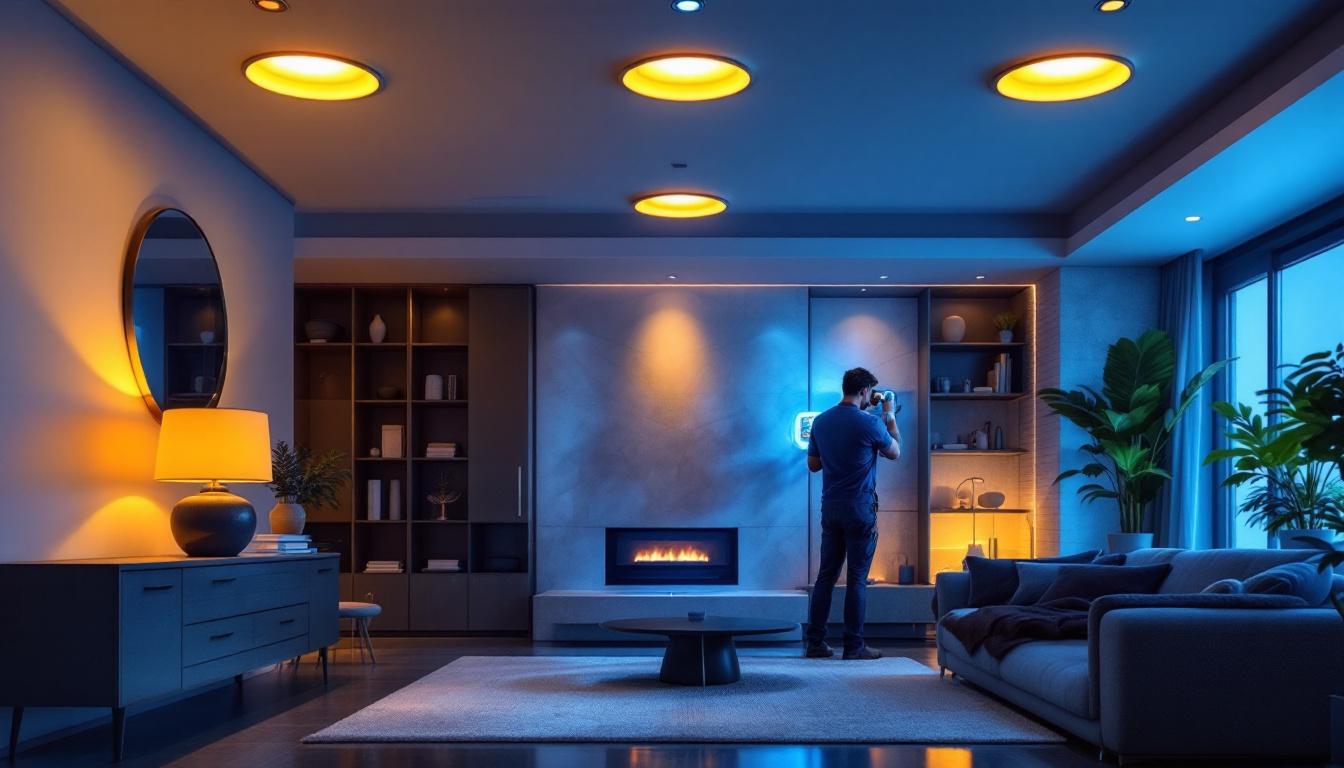
Lighting contractors play a crucial role in the design and implementation of lighting solutions for various projects, from residential homes to large commercial spaces. Understanding the products available in the market, especially light bulbs, is essential for delivering high-quality results. This guide offers a comprehensive overview of light bulb options, technologies, and best practices tailored for lighting contractors.
Understanding Light Bulb Types
Light bulbs come in various types, each with its unique characteristics, advantages, and applications. Familiarity with these types allows lighting contractors to make informed decisions that best suit their clients’ needs.
Incandescent Bulbs
Incandescent bulbs have been a staple in lighting for decades. They produce light by passing electricity through a filament, which then heats up and emits light. While they are known for their warm glow and excellent color rendering, they are also the least energy-efficient option available.
Despite their declining popularity due to energy efficiency concerns, incandescent bulbs still hold a place in certain applications. They are often favored in residential settings where ambiance is key, such as in living rooms or dining areas. However, contractors should be prepared to discuss energy-saving alternatives with clients. Furthermore, incandescent bulbs are available in a variety of shapes and sizes, allowing for creative lighting solutions in decorative fixtures. Their ability to produce a warm, inviting light makes them ideal for creating cozy atmospheres, especially in spaces where people gather for relaxation and socialization.
Compact Fluorescent Lamps (CFLs)
CFLs offer a more energy-efficient alternative to incandescent bulbs. They use a gas-filled tube and a small amount of mercury to produce light, which makes them significantly more efficient. CFLs consume about 70% less energy and last up to ten times longer than traditional incandescent bulbs.
While CFLs provide a good balance between energy efficiency and light quality, they do have some drawbacks. The warm-up time can be longer compared to incandescent bulbs, and they may not be suitable for dimmable applications. Educating clients about these factors can help them make better choices for their lighting needs. Additionally, CFLs are available in various color temperatures, allowing users to select the perfect tone for their space, whether they prefer a bright daylight effect or a softer, warmer ambiance. Their compact size also makes them versatile for use in smaller fixtures, providing options for both functional and decorative lighting.
Light Emitting Diodes (LEDs)
LEDs have revolutionized the lighting industry with their superior energy efficiency and longevity. They convert electricity directly into light, resulting in minimal energy waste. LEDs can last up to 25 times longer than incandescent bulbs and consume up to 80% less energy.
Lighting contractors should advocate for LED solutions, particularly in commercial and industrial applications where energy savings can significantly impact operational costs. Additionally, advancements in LED technology have improved color rendering and dimming capabilities, making them suitable for a wide range of applications. The versatility of LEDs extends beyond traditional lighting; they can be integrated into smart home systems, allowing for remote control and automation. This adaptability not only enhances user convenience but also contributes to energy savings by enabling users to customize their lighting based on their daily routines and preferences. As the market continues to evolve, the emergence of new LED designs and fixtures promises even more innovative lighting solutions for both residential and commercial spaces.
Choosing the Right Light Bulb for Different Applications
Selecting the appropriate light bulb type for specific applications is vital for achieving optimal lighting results. Different environments and tasks require different lighting solutions, and understanding these requirements can enhance a contractor’s service offering.
Residential Lighting
In residential settings, the choice of light bulb can greatly influence the mood and functionality of a space. Warm white LEDs or incandescent bulbs are often preferred in living areas for their inviting glow. In contrast, cooler white LEDs might be more suitable for task-oriented areas like kitchens and home offices.
Contractors should also consider the use of dimmable options in living spaces to allow homeowners to adjust lighting levels according to their preferences. Providing clients with a range of choices can help them achieve the desired atmosphere in their homes. Additionally, incorporating smart lighting solutions can elevate the residential experience, enabling homeowners to control their lighting remotely or set schedules that align with their daily routines. This not only enhances convenience but also contributes to energy savings, as lights can be programmed to turn off when not in use.
Commercial Lighting
Commercial spaces require a different approach to lighting. Here, energy efficiency and longevity often take precedence. LED fixtures are ideal for offices, retail spaces, and warehouses due to their low energy consumption and long lifespan.
Moreover, lighting contractors should be aware of the importance of color temperature in commercial settings. A cooler color temperature can enhance productivity in office environments, while warmer tones may be more appropriate in retail settings to create a welcoming atmosphere. Beyond just color temperature, the placement and intensity of lighting are crucial. For instance, using task lighting in collaboration areas can foster teamwork and creativity, while ambient lighting in break rooms can help employees relax and recharge. Understanding the nuances of commercial lighting can lead to better employee satisfaction and improved customer experiences.
Outdoor Lighting
Outdoor lighting presents unique challenges and opportunities. Weather-resistant fixtures and bulbs are essential to ensure durability and performance. LEDs are particularly effective for outdoor applications due to their energy efficiency and ability to withstand harsh conditions.
When designing outdoor lighting, contractors should consider factors such as brightness, color temperature, and the specific needs of the space, whether it be for security, aesthetics, or functionality. Properly designed outdoor lighting can enhance safety and curb appeal for residential and commercial properties alike. Furthermore, the integration of motion sensors and timers can significantly improve security by ensuring that lights are activated only when needed, deterring potential intruders. Additionally, using solar-powered lights can be an eco-friendly option for gardens and pathways, providing illumination without increasing electricity costs. Thoughtful outdoor lighting design not only beautifies a space but also promotes safety and energy efficiency.
Energy Efficiency and Sustainability
As energy costs rise and environmental concerns become more pressing, energy efficiency and sustainability have become critical considerations for lighting contractors. Understanding these factors can help contractors not only meet client expectations but also contribute to broader sustainability goals.
Energy Star Ratings
Energy Star ratings are a valuable resource for contractors looking to recommend energy-efficient lighting solutions. Products that meet Energy Star criteria are certified to use less energy without sacrificing performance. This certification can help clients save on energy bills and reduce their carbon footprint.
Contractors should familiarize themselves with the Energy Star program and use it as a tool to guide clients toward energy-efficient products. Providing clients with information on potential savings can also enhance the value of the contractor’s recommendations.
Sustainable Lighting Practices
Sustainability in lighting goes beyond just choosing energy-efficient products. Contractors should also consider the lifecycle of lighting products, including their manufacturing processes, materials, and disposal methods. Opting for products made from recyclable materials and promoting proper disposal methods can significantly reduce environmental impact.
Additionally, incorporating smart lighting technologies can enhance sustainability efforts. Smart systems allow for better control of lighting, reducing energy consumption and extending the lifespan of bulbs. Educating clients on these technologies can position contractors as forward-thinking professionals in the industry.
Installation Best Practices
Proper installation is crucial for ensuring that lighting systems function optimally and safely. Adhering to best practices can enhance the longevity and performance of light fixtures and bulbs, ultimately leading to greater client satisfaction.
Understanding Electrical Codes
Lighting contractors must stay informed about local electrical codes and regulations. Compliance with these codes ensures safety and legality in installations. Failure to adhere to these standards can result in costly fines and safety hazards.
Contractors should also prioritize safety by using appropriate protective gear and tools during installations. Educating clients about the importance of hiring a licensed professional can help them understand the value of quality workmanship.
Testing and Quality Assurance
After installation, testing the lighting system is essential to ensure everything functions as intended. This includes checking for proper brightness levels, color accuracy, and functionality of dimmers and smart controls. Conducting thorough testing can prevent future issues and enhance client trust.
Quality assurance measures should also include providing clients with information on maintenance and troubleshooting. This proactive approach can help clients feel more confident in their lighting systems and reduce the likelihood of service calls.
Staying Updated with Industry Trends
The lighting industry is constantly evolving, with new technologies and trends emerging regularly. Staying updated is essential for lighting contractors to remain competitive and provide the best service to clients.
Emerging Technologies
Emerging technologies such as smart lighting, IoT integration, and advanced LED options are shaping the future of lighting. Contractors should invest time in learning about these innovations and how they can be integrated into existing systems.
Smart lighting systems, for example, offer enhanced control and customization, allowing clients to adjust lighting based on their preferences or schedules. Familiarity with these technologies can position contractors as experts in modern lighting solutions.
Networking and Professional Development
Networking with other professionals in the lighting industry can provide valuable insights and opportunities for collaboration. Participating in industry events, workshops, and online forums can help contractors stay informed about the latest trends and best practices.
Additionally, pursuing certifications and training programs can enhance a contractor’s skills and credibility. Clients are more likely to trust contractors who demonstrate a commitment to ongoing education and professional development.
Conclusion
Lighting contractors play a vital role in shaping the environments where people live and work. By understanding the various types of light bulbs, their applications, and best practices for installation, contractors can provide exceptional service to their clients. Emphasizing energy efficiency and sustainability, staying updated with industry trends, and committing to professional development are all key components of success in this dynamic field.
As the lighting industry continues to evolve, contractors who adapt and embrace new technologies will not only meet client needs but also contribute to a more sustainable future. Whether working on residential projects or large commercial installations, the insights provided in this guide can help lighting contractors excel in their craft and deliver outstanding results.
Illuminate Your Projects with LumenWholesale
Ready to elevate your lighting game? Look no further than LumenWholesale for all your lighting needs. As a lighting contractor, you understand the importance of quality and value. That’s why we offer spec-grade lighting products that combine both, at unbeatable wholesale prices. Say goodbye to middleman markups and hello to a vast selection of reliable, high-performance lighting that meets the highest industry standards. With the added convenience of free shipping on bulk orders, LumenWholesale ensures you get the premium lighting your projects deserve at the best price. Don’t compromise on quality or cost. Wholesale Lighting at the Best Value is just a click away. Experience the LumenWholesale difference today!