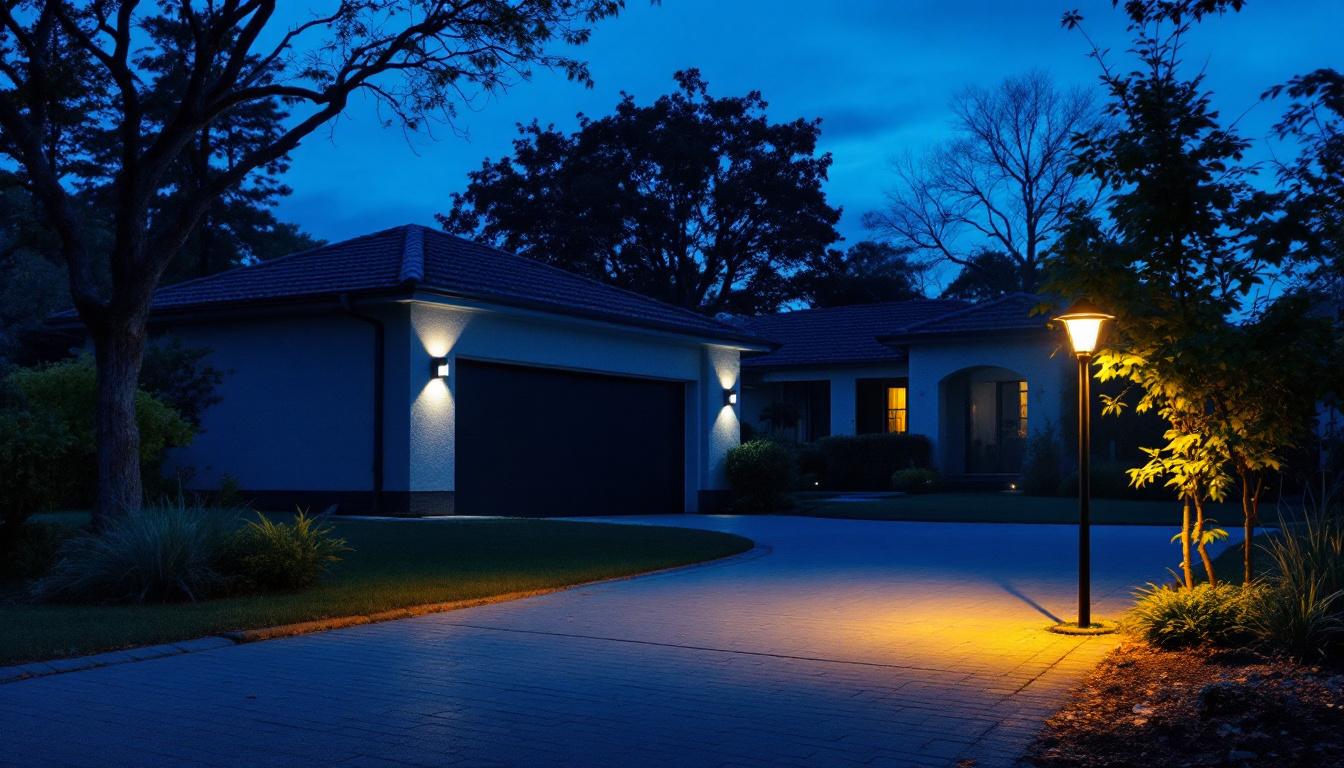
As outdoor lighting continues to evolve, driveway motion sensor lights have become a popular choice for many homeowners. These lights not only enhance security but also improve convenience and energy efficiency. However, lighting contractors often encounter a range of common mistakes when installing these systems. Understanding these pitfalls can lead to better installations and satisfied clients.
Understanding Motion Sensor Technology
Before diving into the common mistakes, it is essential to grasp the fundamentals of motion sensor technology. Motion sensors detect movement within a specified range and trigger lighting accordingly. This technology can vary significantly, with options including passive infrared (PIR), microwave, and dual technology sensors. Each of these types operates on different principles, which can influence their effectiveness in various scenarios.
Each type of sensor has its unique advantages and limitations. For instance, PIR sensors are excellent for detecting heat emitted by moving objects, making them ideal for outdoor use. In contrast, microwave sensors can cover larger areas but may be more susceptible to false triggers from environmental factors. Additionally, dual technology sensors combine both PIR and microwave technologies, offering a more reliable solution by minimizing the chances of false alarms while maximizing detection capabilities. Understanding these nuances can significantly impact the performance of a motion sensor system.
Choosing the Right Sensor Type
One of the most significant mistakes contractors make is failing to select the appropriate sensor type for the installation environment. Factors such as the driveway’s layout, surrounding foliage, and potential obstructions should guide this decision. For example, a PIR sensor may not perform well in areas with frequent temperature fluctuations or heavy vegetation. In contrast, a microwave sensor might be more suitable for open spaces where it can effectively monitor movement over a broader area without interference.
Contractors should assess the specific needs of each project. A thorough site evaluation can help identify the best sensor type, ensuring that the lighting system functions effectively and efficiently. Furthermore, considering the time of day and the typical activity patterns in the area can also influence sensor selection. For instance, in residential areas where nighttime activity is common, a sensor with adjustable sensitivity settings may be beneficial to avoid unnecessary activation. By taking these factors into account, contractors can enhance the reliability and efficiency of motion sensor installations, ultimately leading to greater customer satisfaction.
Improper Placement of Motion Sensors
The placement of motion sensors is crucial for optimal performance. Many contractors overlook this aspect, leading to ineffective lighting solutions. Incorrect placement can result in missed motion detection or unnecessary activation.
It is vital to consider factors such as the sensor’s field of view, height, and angle during installation. Positioning the sensor too low may cause it to trigger from small animals, while placing it too high could limit its detection range. Additionally, environmental elements such as trees, fences, or even decorative landscaping can obstruct the sensor’s line of sight, further complicating its effectiveness. Therefore, a thorough assessment of the installation site is essential to ensure that the sensor can operate without interference.
Field of View Considerations
Each motion sensor has a specific field of view, typically measured in degrees. Contractors often forget to account for this when installing lights. A sensor with a narrow field of view may miss movement occurring outside its range, while a wide-angle sensor could lead to false activations.
To avoid this mistake, contractors should carefully analyze the area surrounding the driveway. Identifying potential blind spots and ensuring that the sensor covers all necessary angles can significantly enhance the system’s effectiveness. Furthermore, it is beneficial to simulate various scenarios, such as pedestrian traffic or vehicle movement, to understand how the sensor will respond in real-life situations. This proactive approach not only helps in optimizing the sensor’s placement but also in selecting the right type of sensor for the specific application.
Height and Angle Adjustments
Another common oversight is the height and angle at which sensors are mounted. Many contractors install sensors at a standard height without considering the specific characteristics of the site. The ideal height can vary based on the sensor type and the surrounding environment.
Adjusting the angle of the sensor can also improve performance. Aiming the sensor slightly downward can help it detect motion more effectively, especially if the driveway slopes. Taking the time to fine-tune these settings can lead to a more reliable lighting system. Additionally, the use of adjustable mounts can provide flexibility during installation, allowing contractors to make real-time adjustments based on the immediate feedback from the sensor’s performance. This adaptability can be particularly useful in areas where the environment may change over time, such as growing vegetation or shifting landscaping features, ensuring that the system remains effective long after installation.
Neglecting Environmental Factors
Environmental factors play a significant role in the performance of motion sensor lights. Contractors often neglect to consider elements such as weather conditions, temperature variations, and surrounding vegetation. These factors can influence how well the sensors operate. For instance, extreme heat can lead to overheating in some models, affecting their sensitivity and functionality. Conversely, frigid temperatures may cause batteries to drain faster, reducing the efficiency of the lighting system. Understanding these environmental influences is crucial for ensuring the longevity and reliability of the lighting system.
For instance, heavy rain or snow can obstruct the sensor’s view, while strong winds may cause nearby branches to trigger false alarms. Additionally, seasonal changes can affect the frequency of motion detected; during autumn, falling leaves may create a cluttered environment that interferes with the sensor’s line of sight. Understanding these environmental influences is crucial for ensuring the longevity and reliability of the lighting system. Proper site assessment and planning can mitigate these issues, ensuring that the motion sensors are installed in optimal locations that minimize interference.
Weatherproofing and Durability
When selecting motion sensor lights, durability and weatherproofing are paramount. Contractors sometimes choose products based solely on aesthetics, overlooking the importance of robust construction. Lights that are not designed to withstand harsh weather conditions can fail prematurely, leading to costly replacements. Furthermore, the materials used in the construction of these lights can significantly impact their performance; for example, lights made from high-grade aluminum or polycarbonate are often more resistant to corrosion and impact damage than those made from cheaper plastics.
It is advisable to opt for lights with a high IP (Ingress Protection) rating. This rating indicates the level of protection against dust and moisture, ensuring that the lights can endure the elements without compromising performance. Additionally, investing in models that feature UV-resistant coatings can prevent fading and degradation over time, maintaining their appearance and functionality. Furthermore, some advanced models come equipped with features like self-diagnostic systems that can alert homeowners to potential issues before they become major problems, ensuring that the lighting remains effective and reliable throughout its lifespan.
Ignoring Wiring and Power Supply Issues
Wiring and power supply are critical components of any lighting installation, yet they are often overlooked. Contractors may underestimate the importance of proper wiring techniques, leading to potential hazards or system failures.
Using the wrong gauge of wire or failing to secure connections can result in voltage drops, flickering lights, or even complete system failure. It is essential to adhere to electrical codes and best practices to ensure a safe and reliable installation.
Proper Wiring Techniques
Contractors should familiarize themselves with proper wiring techniques specific to motion sensor lights. This includes understanding the correct gauge of wire for the distance between the power source and the lights. Additionally, using weather-resistant connectors and junction boxes can prevent moisture-related issues.
Taking the time to plan the wiring layout and ensuring that all connections are secure can significantly enhance the system’s longevity and performance.
Power Supply Considerations
Another common mistake is not considering the power supply requirements of the motion sensor lights. Different models may have varying voltage and wattage needs, and failing to account for these can lead to underperformance or damage.
Contractors should verify that the power supply can handle the total load of all connected lights. This may involve calculating the wattage of each light and ensuring that the circuit can accommodate the total demand without exceeding its capacity.
Overlooking User-Friendly Features
Modern motion sensor lights often come equipped with a range of user-friendly features designed to enhance functionality. However, contractors may overlook these features during installation, leading to a less satisfying user experience.
Features such as adjustable sensitivity, timer settings, and remote control capabilities can significantly improve the usability of the lighting system. By neglecting to highlight these options, contractors may miss the opportunity to provide added value to their clients.
Adjustable Sensitivity and Timers
Many motion sensor lights offer adjustable sensitivity settings, allowing users to customize how easily the sensor detects movement. Contractors should educate clients on how to adjust these settings based on their specific needs and the environment.
Timers can also enhance the functionality of motion sensor lights. By allowing users to set how long the lights remain on after activation, contractors can help clients save energy and avoid unnecessary activations.
Failing to Provide Clear Instructions
After installation, providing clear instructions to clients is essential. Many contractors neglect this step, leaving clients unsure about how to operate and maintain their new lighting systems. This can lead to frustration and dissatisfaction.
Providing a comprehensive user manual or conducting a brief tutorial can empower clients to make the most of their motion sensor lights. This includes explaining how to adjust settings, troubleshoot common issues, and perform routine maintenance.
Maintenance Tips
Educating clients about maintenance is crucial for ensuring the longevity of the lighting system. Simple tasks such as cleaning the sensor lens, checking for obstructions, and replacing bulbs can significantly impact performance.
Contractors should emphasize the importance of regular maintenance and provide clients with a checklist to follow. This proactive approach can help prevent issues and keep the lighting system functioning optimally.
Conclusion
Driveway motion sensor lights offer numerous benefits, enhancing security and convenience for homeowners. However, lighting contractors must be aware of common mistakes that can hinder the effectiveness of these systems. From selecting the right sensor type to ensuring proper installation and providing clear instructions, attention to detail is paramount.
By avoiding these common pitfalls, contractors can deliver high-quality installations that meet client expectations. Ultimately, a well-executed motion sensor lighting system can lead to satisfied clients and a positive reputation for the contractor.
Upgrade Your Lighting Game with LumenWholesale
Don’t let common installation mistakes compromise your driveway motion sensor light projects. At LumenWholesale, we provide lighting contractors with the highest quality, spec-grade lighting products at prices that can’t be beaten. Say goodbye to local distributor markups and hello to our extensive selection that meets rigorous industry standards. With free shipping on bulk orders, you can trust that you’re getting premium lighting at the best value — no hidden fees, no compromises. Elevate your installations with the reliability, affordability, and convenience that LumenWholesale offers. Wholesale Lighting at the Best Value is just a click away.