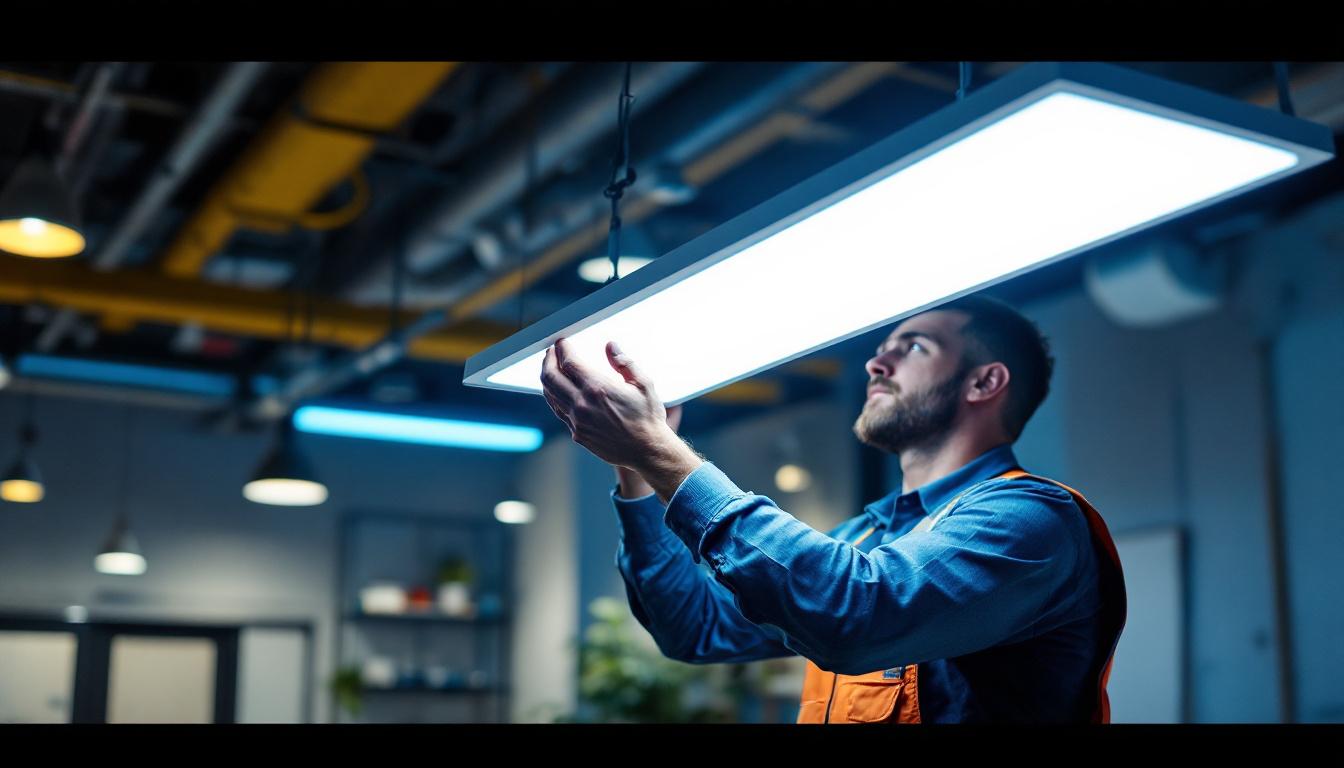
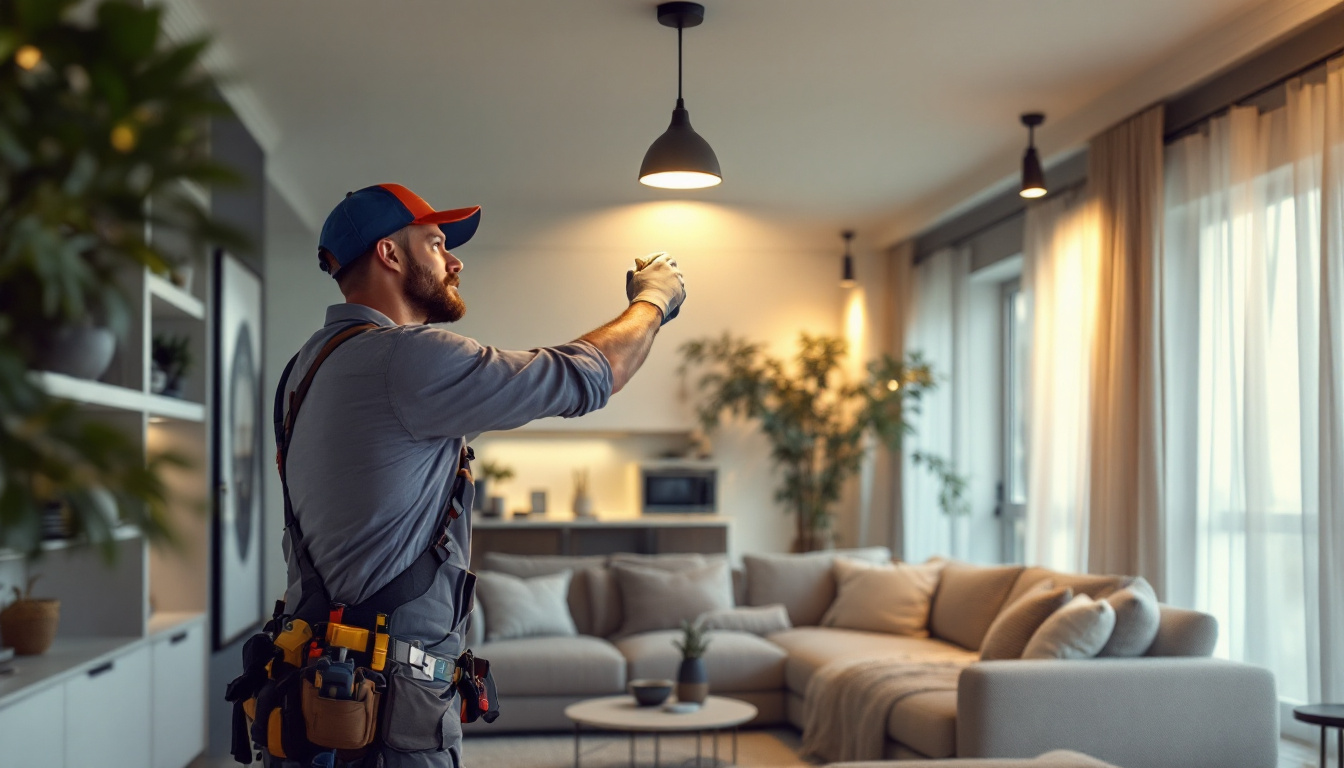
Lighting plays a crucial role in the overall experience of a gym, influencing not only the aesthetics but also the functionality of the space. For lighting contractors, understanding how to effectively train their teams in lighting design and installation is vital. This article explores the essential aspects of training your team in gym lighting, ensuring they possess the skills and knowledge necessary to create well-lit, inviting environments.
The Importance of Proper Lighting in Gyms
Proper lighting in a gym is not merely about visibility; it significantly impacts the mood, safety, and performance of gym-goers. A well-lit gym can enhance motivation, improve focus, and create an inviting atmosphere that encourages people to return. Bright, natural light can energize individuals, making them feel more awake and ready to tackle their workouts, while warm lighting can create a sense of comfort and relaxation, particularly in areas designated for stretching or cool-down exercises.
Moreover, different areas within a gym require varying lighting solutions. For instance, the weightlifting area may benefit from bright, focused lighting, while yoga studios might require softer, ambient lighting. Understanding these nuances is critical for any lighting contractor. Additionally, incorporating adjustable lighting systems can allow gym managers to tailor the ambiance according to the time of day or the type of class being held, further enhancing the overall experience for members.
Enhancing User Experience
Lighting can dramatically alter the perception of space. In a gym setting, bright, well-distributed light can make the area feel more spacious and energizing. Conversely, dim or poorly placed lighting can lead to feelings of confinement and discomfort. Training your team to recognize these effects is essential for creating a positive user experience. Furthermore, the use of color temperature can influence emotions; cooler tones can invigorate and stimulate, while warmer tones can soothe and calm. This understanding allows gym owners to create distinct atmospheres that cater to various activities, from high-energy cardio sessions to tranquil meditation classes.
Safety Considerations
Safety is paramount in any gym environment. Poor lighting can obscure hazards, leading to accidents. Ensuring that your team understands the importance of adequate illumination in high-traffic areas, such as entryways, staircases, and around equipment, is crucial. Training should include strategies for identifying potential safety issues and implementing effective lighting solutions to mitigate risks. Additionally, utilizing motion-sensor lights in less trafficked areas can enhance safety by ensuring that these spaces are always adequately illuminated when in use, reducing the likelihood of slips and falls.
Moreover, it is essential to consider the maintenance of lighting fixtures. Regular checks and timely replacements of burnt-out bulbs or damaged fixtures can prevent dark spots that may pose safety risks. Incorporating user feedback regarding lighting can also be beneficial; gym-goers often have valuable insights about areas that feel too dim or overly bright, allowing for continuous improvement in the gym’s lighting strategy. Ultimately, a well-planned lighting system not only enhances safety but also fosters a sense of community and well-being among members.
Key Elements of Gym Lighting Design
When designing a lighting scheme for a gym, several key elements must be considered. Each of these aspects contributes to the overall effectiveness of the lighting plan and should be part of your team’s training curriculum.
Types of Lighting
Understanding the different types of lighting—ambient, task, and accent—is fundamental. Ambient lighting provides overall illumination, task lighting focuses on specific areas where activities take place, and accent lighting highlights architectural features or branding elements. Training your team to identify the appropriate type of lighting for each area will enhance their design capabilities. For instance, in a weightlifting zone, task lighting can be strategically placed to ensure that athletes can see their form clearly, reducing the risk of injury. Conversely, in a yoga studio, softer ambient lighting can create a serene environment conducive to relaxation and mindfulness, allowing participants to fully engage in their practice.
Color Temperature
Color temperature affects the mood and functionality of a space. Warmer tones (around 2700K-3000K) create a cozy atmosphere, suitable for relaxation areas, while cooler tones (4000K-5000K) promote alertness and energy, ideal for workout zones. Your team should be trained to select the right color temperatures that align with the intended use of each gym area. Additionally, the psychological impact of color temperature cannot be overlooked; cooler lights can invigorate and motivate gym-goers, while warmer lights can help facilitate recovery in lounge areas. It’s also worth exploring how different color temperatures can influence the perception of space, making smaller areas feel larger or more inviting.
Lighting Controls
Modern lighting systems often incorporate advanced controls, including dimmers, timers, and smart technology. Training should encompass how to implement and utilize these controls effectively. This knowledge allows your team to create adaptable lighting solutions that can change based on the time of day or the specific needs of gym-goers. For example, during early morning hours, brighter, cooler lighting can help energize members as they arrive for their workouts, while in the evening, softer, warmer lighting can create a more relaxed atmosphere as people wind down. Additionally, integrating motion sensors can enhance energy efficiency by ensuring that lights are only on when spaces are occupied, which is not only cost-effective but also environmentally friendly.
Training Techniques for Your Team
Effective training techniques are essential for ensuring that your team not only understands the theory behind gym lighting but can also apply their knowledge in real-world scenarios. Here are several approaches to consider.
Hands-On Workshops
Hands-on workshops are invaluable for practical learning. Organizing sessions where your team can experiment with different lighting setups allows them to see firsthand the effects of various lighting types, placements, and controls. This experiential learning fosters a deeper understanding and retention of knowledge. Additionally, incorporating a variety of lighting technologies, such as LED, fluorescent, and smart lighting systems, can help your team grasp the nuances of each type. By allowing them to manipulate these technologies, they can better appreciate how different lighting solutions can enhance the overall atmosphere and functionality of a gym space.
Case Studies and Examples
Utilizing case studies of successful gym lighting projects can provide your team with real-world context. Analyzing what worked well, what didn’t, and why can help them learn from the successes and challenges of others. This approach encourages critical thinking and problem-solving skills. Furthermore, discussing diverse case studies from various gym environments—such as boutique studios, large fitness centers, or community gyms—can highlight how different demographics and purposes influence lighting choices. This broadens their perspective and prepares them to tailor solutions to meet specific client needs effectively.
Guest Speakers and Industry Experts
Inviting guest speakers or industry experts to share their insights can be incredibly beneficial. These professionals can provide unique perspectives on trends, challenges, and innovations in gym lighting. Such interactions can inspire your team and broaden their understanding of the industry. Moreover, hosting panel discussions or Q&A sessions can facilitate deeper engagement, allowing team members to ask questions and explore topics that resonate with their interests. This not only enhances their learning experience but also builds a network of contacts that can be valuable for future collaborations and projects.
Interactive Online Learning Modules
Incorporating interactive online learning modules can also enhance your team’s training regimen. These modules can include quizzes, video demonstrations, and virtual simulations that allow team members to engage with the material at their own pace. By integrating gamification elements, such as points or badges for completing sections, you can motivate your team to participate actively and retain information more effectively. Additionally, online platforms can facilitate discussions and knowledge sharing among team members, creating a collaborative learning environment that extends beyond the confines of traditional training sessions.
Field Trips to Local Gyms
Organizing field trips to local gyms that have implemented innovative lighting designs can provide your team with firsthand observations of effective lighting in action. Experiencing different environments and setups can spark creativity and inspire new ideas for their projects. During these visits, encourage your team to take notes on how lighting impacts the mood and functionality of each space, and discuss these observations afterward. This real-world exposure can significantly enhance their understanding of how lighting can be strategically used to create an engaging and motivating atmosphere for gym-goers.
Utilizing Technology in Training
Incorporating technology into training can enhance the learning experience. Various tools and software can aid in visualizing lighting designs and understanding their impact on gym spaces.
Lighting Design Software
Familiarity with lighting design software is essential for modern lighting contractors. Training your team to use these tools can help them create accurate lighting plans and simulations. This proficiency not only improves their design capabilities but also enhances communication with clients.
Virtual Reality (VR) Training
Virtual reality offers an innovative way to train your team. By simulating gym environments, team members can experience different lighting scenarios and their effects in a controlled setting. This immersive approach can lead to a more profound understanding of lighting dynamics.
Online Learning Platforms
Online learning platforms provide a wealth of resources, from video tutorials to interactive courses. Encouraging your team to explore these resources can supplement their training and keep them updated on the latest trends and technologies in gym lighting.
Evaluating Training Effectiveness
To ensure that your training program is effective, it is crucial to establish evaluation methods. This assessment will help identify areas for improvement and ensure that your team is equipped with the necessary skills.
Feedback Mechanisms
Implementing feedback mechanisms, such as surveys or one-on-one discussions, can provide insights into the training experience. Gathering input from your team can help identify what aspects of the training were most beneficial and what areas may need more focus.
Performance Assessments
Conducting performance assessments after training sessions can help gauge your team’s understanding and application of the concepts learned. This could involve practical demonstrations or design challenges that require them to apply their knowledge in real-world scenarios.
Staying Current with Industry Trends
The lighting industry is continually evolving, with new technologies and trends emerging regularly. Keeping your team informed about these changes is essential for maintaining a competitive edge.
Continuous Education
Encouraging continuous education through workshops, seminars, and certifications can help your team stay abreast of industry advancements. This commitment to learning not only enhances their skills but also demonstrates your investment in their professional growth.
Networking Opportunities
Facilitating networking opportunities through industry events or conferences can expose your team to new ideas and practices. Engaging with peers and industry leaders can spark inspiration and foster collaboration, ultimately benefiting your projects.
Conclusion
Training your team in gym lighting is a multifaceted process that requires a comprehensive approach. By emphasizing the importance of proper lighting, covering key design elements, and utilizing effective training techniques, you can equip your team with the skills necessary to create exceptional gym environments.
As the lighting industry continues to evolve, staying informed and adaptable will be crucial. Investing in your team’s education and development will not only enhance their capabilities but also contribute to the overall success of your lighting projects. With the right training, your team can transform any gym into a well-lit, inviting space that encourages fitness and well-being.
Illuminate Your Gym Projects with LumenWholesale
Ready to elevate your gym lighting projects to new heights? At LumenWholesale, we provide you with the high-quality, spec-grade lighting products you need at prices that can’t be beaten. Say goodbye to local distributor markups and hello to our extensive selection of reliable lighting solutions that meet the highest industry standards. Plus, with free shipping on bulk orders, you can stock up on premium lighting without worrying about hidden fees or compromises. Don’t let subpar lighting dim the potential of your gym environments. Choose LumenWholesale for the perfect blend of quality, affordability, and convenience. Wholesale Lighting at the Best Value is just a click away.