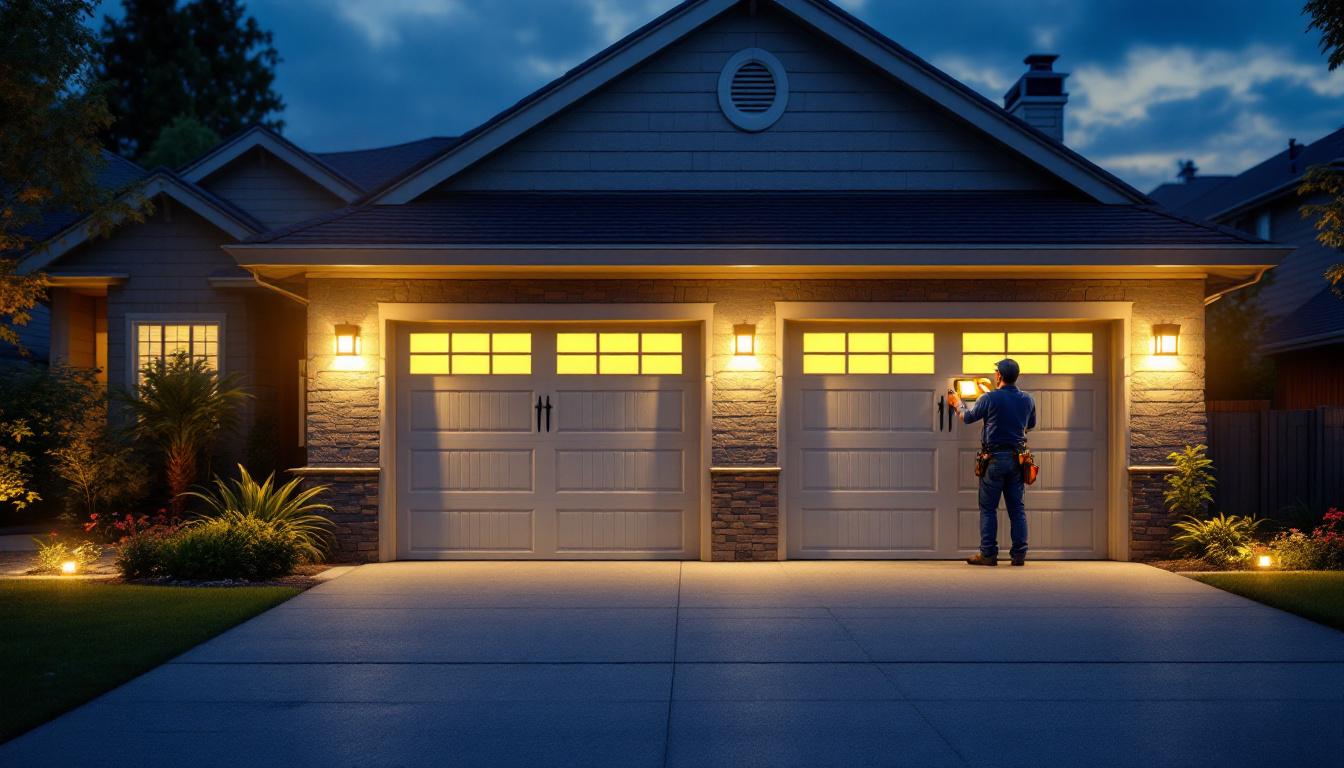
As the demand for sustainable energy solutions continues to rise, solar outdoor lights have emerged as a popular choice for both residential and commercial applications. For lighting contractors, understanding the intricacies of solar outdoor lights, particularly those that are waterproof, is essential for delivering quality installations that meet client expectations. This article delves into the critical insights surrounding solar outdoor lights, focusing on their waterproof capabilities, installation considerations, and maintenance practices.
Understanding Solar Outdoor Lights
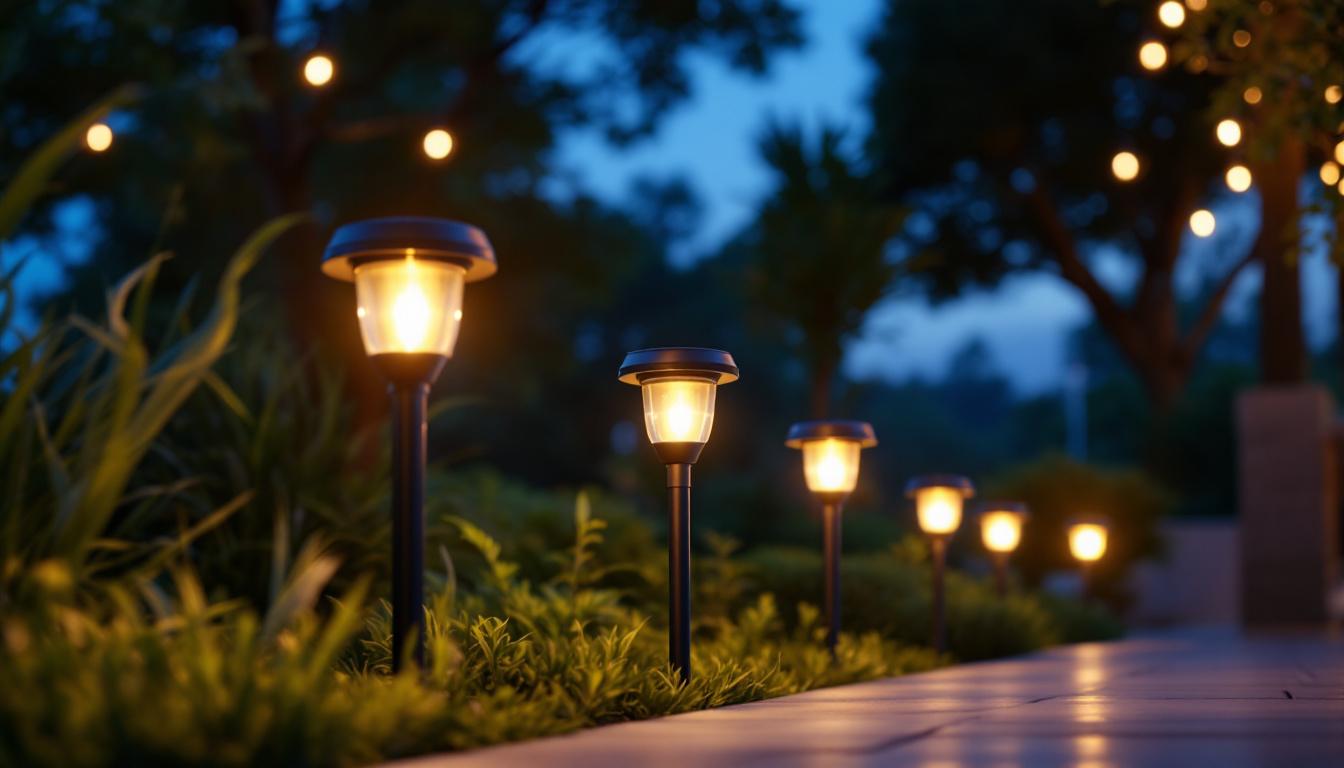
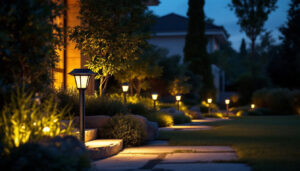
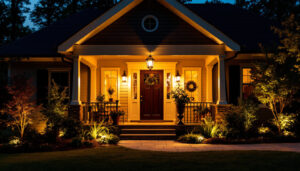
Solar outdoor lights harness the power of the sun to provide illumination without relying on traditional electricity sources. They typically consist of solar panels, batteries, LED lights, and control systems. The solar panels convert sunlight into electrical energy, which is stored in batteries and used to power the LED lights during the night. This self-sustaining mechanism offers numerous benefits, including reduced energy costs and minimal environmental impact. Additionally, solar outdoor lights can enhance the aesthetic appeal of outdoor spaces, providing both functionality and style. With various designs available, from sleek modern fixtures to charming vintage lanterns, homeowners can find options that complement their landscape and architecture.
Components of Solar Outdoor Lights
To fully appreciate the functionality of solar outdoor lights, it is essential to understand their key components:
- Solar Panels: These are responsible for converting sunlight into electricity. The efficiency of the solar panel directly influences the overall performance of the lighting system. High-quality panels can capture more sunlight, even on cloudy days, ensuring consistent performance.
- Batteries: Batteries store the energy generated by the solar panels. The capacity and type of battery used can affect how long the lights will operate after sunset. Lithium-ion batteries, for example, are often preferred for their longevity and ability to hold a charge longer than traditional lead-acid batteries.
- LED Lights: LED technology is favored for its energy efficiency and long lifespan. They provide bright illumination while consuming minimal power. Furthermore, advancements in LED technology have led to the development of color-changing options, allowing users to customize the ambiance of their outdoor spaces.
- Control Systems: These systems manage the operation of the lights, including automatic on/off functions based on ambient light levels. Some advanced models even feature motion sensors, which can enhance security by illuminating areas when movement is detected.
Benefits of Solar Outdoor Lights
For lighting contractors, promoting solar outdoor lights comes with a plethora of advantages:
- Cost-Effective: Once installed, solar lights incur minimal operational costs since they rely on sunlight. This can be a significant selling point for clients. Additionally, many local governments offer incentives or rebates for solar installations, further reducing upfront costs.
- Environmentally Friendly: By utilizing renewable energy, solar lights contribute to reducing carbon footprints, making them an attractive option for eco-conscious customers. They also help to decrease reliance on fossil fuels, promoting a more sustainable future.
- Easy Installation: Solar lights are typically easier to install than traditional wired systems, as they do not require extensive electrical work. This not only saves time during installation but also minimizes disruption to the landscape, allowing for a quicker transformation of outdoor areas.
The Importance of Waterproofing
Waterproofing is a crucial aspect of solar outdoor lights, especially considering their outdoor application. Exposure to rain, snow, and humidity can severely impact the performance and longevity of these lights. Therefore, understanding waterproof ratings and standards is vital for lighting contractors.
Waterproof Ratings Explained
Waterproof ratings are defined by the Ingress Protection (IP) code, which indicates how well a product is protected against dust and water. The first digit represents solid particle protection, while the second digit indicates liquid ingress protection. For outdoor lights, a minimum IP rating of IP65 is recommended, as it ensures protection against water jets and dust.
For lighting contractors, it is essential to select products with appropriate IP ratings to ensure durability and reliability. Higher-rated lights can withstand harsher weather conditions, making them suitable for various climates. Additionally, understanding the nuances of these ratings can help contractors make informed decisions when sourcing materials, ensuring that they meet or exceed industry standards for performance and safety.
Factors Influencing Waterproof Performance
Several factors can influence the waterproof performance of solar outdoor lights:
- Material Quality: The materials used in the construction of solar lights play a significant role in their waterproof capabilities. High-quality plastics, metals, and seals can enhance durability.
- Design Features: Proper design features, such as sealed compartments and drainage systems, can help prevent water accumulation and damage.
- Installation Practices: Correct installation is crucial. Ensuring that lights are mounted securely and at appropriate angles can minimize water exposure.
Moreover, the geographical location and environmental conditions where the lights will be installed should also be taken into account. For instance, areas prone to heavy rainfall or coastal regions with salty air may require additional protective measures or specialized products designed to withstand such conditions. Furthermore, seasonal changes can affect waterproofing; for example, freeze-thaw cycles can compromise seals and joints over time, leading to potential failures if not properly addressed.
Regular maintenance is another important consideration. Even with high-quality waterproofing, routine checks can help identify any wear and tear or damage that may occur due to prolonged exposure to the elements. Cleaning the fixtures and ensuring that any drainage systems are clear can significantly extend the lifespan of solar outdoor lights, allowing them to perform optimally throughout their intended use. By prioritizing these factors, lighting contractors can ensure that their installations remain effective and reliable, providing consistent illumination for outdoor spaces.
Installation Considerations for Lighting Contractors
Installing solar outdoor lights involves several considerations that can impact their performance and longevity. Lighting contractors must pay attention to these factors to ensure successful installations.
Location and Sunlight Exposure
The location of solar lights is paramount for maximizing their efficiency. Ideally, lights should be installed in areas that receive direct sunlight for a significant portion of the day. Shady spots can lead to insufficient charging, resulting in poor performance at night.
Contractors should assess the site during different times of the day to determine the best placement for solar panels. Additionally, avoiding obstructions such as trees and buildings can enhance sunlight exposure.
Mounting Height and Angle
The height and angle at which solar lights are mounted can also affect their performance. Generally, lights should be installed at a height that ensures optimal visibility while preventing vandalism or accidental damage. A mounting height of 6 to 10 feet is often recommended.
Moreover, the angle of the solar panel should be adjusted to capture the maximum amount of sunlight. This may vary based on geographical location and the time of year, so contractors should consider seasonal changes when determining the angle.
Maintenance Practices for Longevity
To ensure the longevity and efficiency of solar outdoor lights, regular maintenance is necessary. Lighting contractors should educate clients on best practices for maintaining their solar lighting systems.
Regular Cleaning
Dust, dirt, and debris can accumulate on solar panels, obstructing sunlight and reducing charging efficiency. Regular cleaning of the solar panels is essential to maintain optimal performance. Using a soft cloth and mild soap solution can help keep the panels clear without causing damage.
Contractors can recommend a cleaning schedule, particularly after heavy storms or high winds, to ensure that the panels remain unobstructed.
Battery Maintenance and Replacement
The battery is a critical component of solar outdoor lights, and its performance can diminish over time. Contractors should advise clients on the importance of monitoring battery health and replacing it when necessary. Signs of battery failure may include dim lighting or shorter operational hours.
Educating clients on the types of batteries used and their expected lifespan can help them plan for replacements, ensuring uninterrupted service from their solar lights.
Addressing Common Challenges
Despite the numerous advantages of solar outdoor lights, contractors may encounter challenges during installation and maintenance. Understanding these challenges and their solutions can enhance the overall service provided to clients.
Performance Issues in Low Sunlight Areas
In regions with limited sunlight, solar lights may struggle to charge adequately, leading to performance issues. To address this, contractors can recommend higher-capacity batteries or solar lights with enhanced energy efficiency.
Additionally, integrating hybrid systems that combine solar power with traditional electricity can provide a reliable solution for areas with inconsistent sunlight.
Dealing with Environmental Factors
Extreme weather conditions, such as heavy rain or snow, can pose challenges for solar outdoor lights. Contractors should select products specifically designed for harsh climates and ensure proper installation techniques to mitigate potential damage.
Furthermore, advising clients on seasonal adjustments, such as repositioning lights or using protective covers during extreme weather, can help prolong the life of their solar lights.
Conclusion
Solar outdoor lights represent a significant advancement in energy-efficient lighting solutions. For lighting contractors, understanding the technical aspects, waterproofing requirements, installation considerations, and maintenance practices is crucial for delivering high-quality installations that meet client needs.
By staying informed about the latest trends and technologies in solar lighting, contractors can position themselves as trusted experts in the field, ultimately leading to increased customer satisfaction and business growth. As the market for solar outdoor lights continues to expand, embracing these insights will be essential for success in this evolving landscape.
Illuminate Your Projects with LumenWholesale
Ready to elevate your lighting installations with the most efficient, waterproof solar outdoor lights on the market? Look no further than LumenWholesale, where we provide lighting contractors with the highest quality, spec-grade lighting products at unbeatable wholesale prices. Our extensive selection is designed to meet the highest industry standards, ensuring you deliver reliable, high-performance lighting for every project. Plus, with free shipping on bulk orders, you can enjoy premium lighting solutions at the best value — without any hidden fees. Make your next project shine with the perfect blend of quality, affordability, and convenience at LumenWholesale.