Lighting plays a crucial role in enhancing the aesthetics and functionality of outdoor spaces. For lighting contractors, understanding the nuances of light post lamps and their installation can mean the difference between a successful project and one that leads to costly mistakes. This article delves into common pitfalls and offers practical advice on how to avoid them, ensuring that your lighting projects shine brightly without the shadow of errors.
Understanding Light Post Lamps
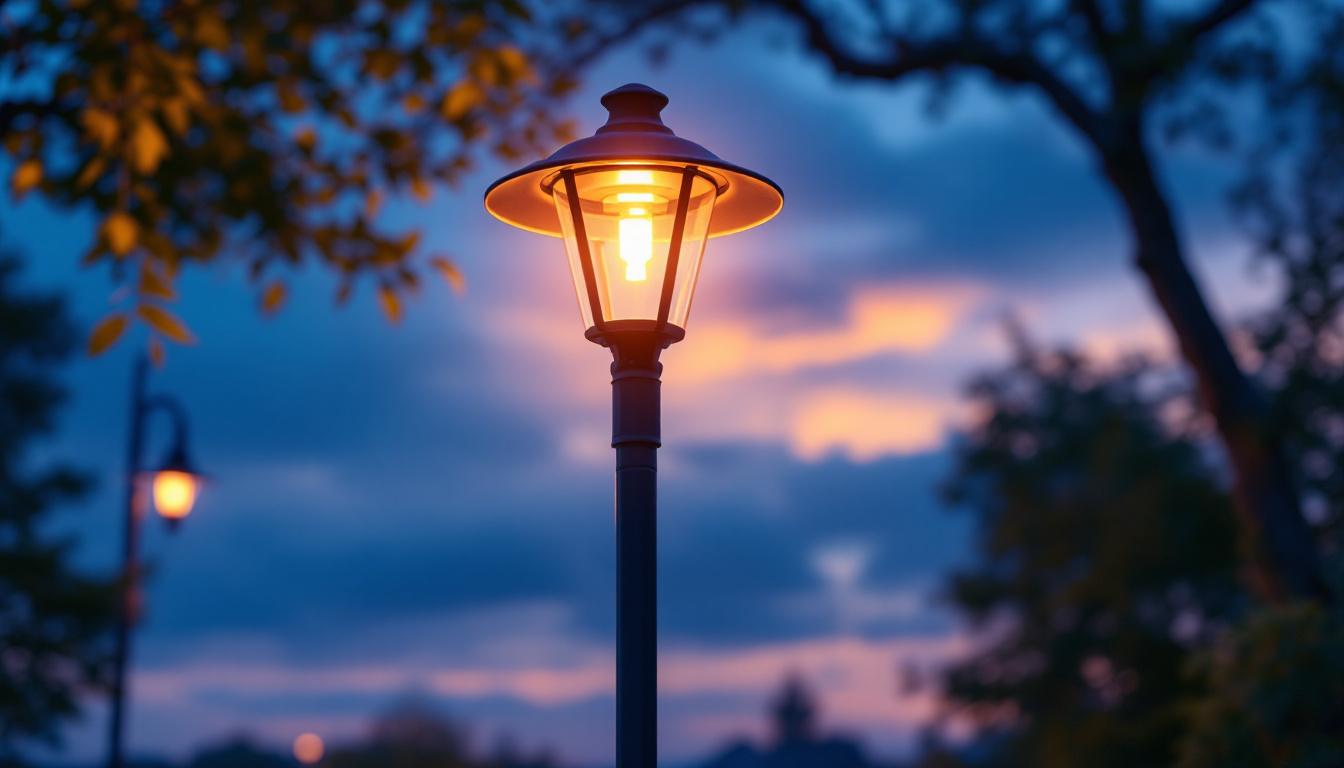
Light post lamps are essential fixtures in outdoor lighting, providing illumination for streets, parks, and residential areas. They come in various styles, heights, and technologies, each serving different purposes. Familiarity with these options is vital for making informed decisions that meet client needs and project specifications. The aesthetic appeal of light post lamps can also play a significant role in urban design, as they contribute to the character of a neighborhood and can enhance the safety and security of public spaces.
Types of Light Post Lamps
There are several types of light post lamps, including traditional incandescent, energy-efficient LED, and solar-powered models. Each type has its advantages and disadvantages. For instance, while incandescent lamps may offer warm light, they are less energy-efficient compared to LEDs, which can significantly reduce long-term operational costs. Additionally, LED lamps have a longer lifespan, often lasting up to 25,000 hours or more, making them a more sustainable choice for municipalities and homeowners alike.
Solar-powered lamps provide an eco-friendly alternative, harnessing sunlight to illuminate spaces without incurring electricity costs. However, their effectiveness can be limited by geographic location and weather conditions, making it essential to assess their suitability for specific projects. In regions with ample sunlight, solar lamps can be an excellent choice, while in areas with frequent cloud cover, hybrid models that combine solar and grid power may offer a more reliable solution. Understanding the local climate can help in selecting the most appropriate lighting technology for any given environment.
Choosing the Right Location
The placement of light post lamps is critical to their effectiveness. A common mistake is installing lamps without considering the surrounding environment. Factors such as the height of surrounding trees, the width of pathways, and existing structures can all impact light distribution. Furthermore, the intended use of the area should guide placement decisions; for example, areas with high foot traffic may require brighter, more evenly distributed lighting to ensure safety, while decorative lighting in a park may focus more on ambiance than on illumination.
Conducting a thorough site analysis before installation can help identify optimal locations for light post lamps. This ensures that the lighting not only enhances visibility but also contributes to the overall ambiance of the space. Consideration should also be given to the potential for light pollution, as excessive or poorly directed lighting can disrupt local wildlife and diminish the nighttime experience for residents. By balancing functionality with environmental considerations, planners can create well-lit areas that are both inviting and responsible, enhancing the quality of life for all users.
Planning Your Lighting Project
A well-thought-out plan is the backbone of any successful lighting project. This phase involves not just selecting the right fixtures but also considering various logistical aspects that can affect the project’s outcome. A comprehensive approach can help ensure that your vision is realized while avoiding common pitfalls that can derail progress.
Budgeting for Your Project
Budget constraints are a common challenge in lighting projects. It’s essential to create a detailed budget that accounts for all aspects of the project, including materials, labor, and potential unforeseen expenses. Underestimating costs can lead to significant issues down the line, including project delays and compromised quality.
When budgeting, consider not only the initial costs of light post lamps but also their long-term maintenance and energy consumption. Investing in higher-quality fixtures may have a higher upfront cost but can result in lower operational costs over time. Additionally, exploring energy-efficient options such as LED lighting can provide substantial savings on electricity bills while also contributing to sustainability goals. Many utility companies offer rebates for energy-efficient installations, which can help offset initial expenditures.
Permits and Regulations
Before commencing any lighting project, it is crucial to be aware of local regulations and permit requirements. Many municipalities have specific guidelines regarding outdoor lighting, including height restrictions, light pollution standards, and electrical codes.
Failing to secure the necessary permits can result in fines or the need to remove improperly installed fixtures. Thus, it is advisable to consult with local authorities early in the planning process to ensure compliance with all regulations. Additionally, understanding zoning laws can be beneficial, as they may dictate where and how lighting can be installed in certain areas. Engaging with a professional who has experience in navigating these regulations can save time and resources, ensuring that your project adheres to all legal requirements while achieving your desired aesthetic and functional goals.
Installation Best Practices
Proper installation is key to the longevity and effectiveness of light post lamps. Following best practices can help avoid common mistakes that may lead to performance issues or safety hazards.
Electrical Considerations
When installing light post lamps, attention to electrical connections is paramount. Ensure that all wiring is correctly rated for outdoor use and that connections are secure to prevent electrical failures. Using weatherproof fixtures and components can also safeguard against moisture-related issues.
Additionally, consider the power source for the lamps. For solar-powered models, ensure that the solar panels are positioned to receive adequate sunlight throughout the day. For wired installations, verify that the circuit can handle the load of the installed fixtures without overloading. It’s also wise to install a dedicated circuit for outdoor lighting to minimize the risk of tripping breakers and to maintain consistent performance. Using a surge protector can further enhance the durability of your installation by shielding your electrical components from power surges caused by lightning or other electrical anomalies.
Height and Spacing of Fixtures
The height and spacing of light post lamps significantly impact their effectiveness. A common mistake is placing fixtures too close together or too far apart, leading to uneven illumination. The ideal spacing can depend on the wattage of the lamps, the area being lit, and the desired level of brightness.
As a rule of thumb, fixtures should be spaced approximately 1.5 times their mounting height apart. This guideline can help achieve a balanced distribution of light, reducing dark spots and enhancing safety in outdoor areas. Additionally, consider the surrounding landscape and any potential obstacles that may obstruct light, such as trees or buildings. Adjusting the height of the fixtures can also play a crucial role; for instance, taller posts may be more effective in illuminating larger areas, while shorter posts can create a more intimate ambiance in garden settings. The use of adjustable fixtures can provide flexibility, allowing for fine-tuning of the light direction and intensity to meet specific needs and preferences.
Maintenance and Upkeep
After installation, ongoing maintenance is essential to ensure the longevity and performance of light post lamps. Neglecting maintenance can lead to diminished lighting quality and increased replacement costs.
Regular Inspections
Conducting regular inspections of light post lamps can help identify potential issues before they escalate. Check for signs of wear and tear, such as frayed wiring, rust on metal fixtures, or cracked lenses. Early detection of these issues allows for timely repairs, prolonging the life of the fixtures.
Additionally, ensure that the light bulbs are functioning correctly and replace any burnt-out bulbs promptly. A well-maintained lighting system not only enhances safety but also reflects positively on the contractor’s professionalism.
Cleaning and Upkeep
Cleaning light post lamps is another crucial aspect of maintenance. Dust, debris, and environmental factors can accumulate on fixtures, reducing their effectiveness and aesthetic appeal. Regular cleaning schedules should be established to ensure that lamps remain bright and visually appealing.
Use appropriate cleaning solutions and tools to avoid damaging the fixtures. For example, avoid abrasive materials that could scratch surfaces, and opt for non-corrosive cleaners that won’t harm the lamp’s finish.
Common Mistakes to Avoid
Even the most experienced lighting contractors can fall prey to common mistakes when working with light post lamps. Being aware of these pitfalls can help avoid costly errors and ensure successful project outcomes.
Ignoring Environmental Impact
One significant mistake is overlooking the environmental impact of lighting projects. Excessive light pollution can disrupt local ecosystems and negatively affect wildlife. It is essential to choose fixtures that minimize light spill and glare, ensuring that outdoor lighting is both effective and environmentally responsible.
Consider using fixtures with adjustable beams or shields to direct light where it is needed most, reducing the overall impact on the surrounding environment.
Overlooking Aesthetics
While functionality is paramount, the aesthetic appeal of light post lamps should not be neglected. Choosing fixtures that complement the surrounding architecture and landscape can enhance the overall look of the project. Inconsistent styles can create a disjointed appearance, detracting from the intended ambiance.
When selecting fixtures, consider the design elements of the area, including color schemes, materials, and architectural styles. A cohesive design approach can elevate the quality of the project and satisfy client expectations.
Conclusion
Lighting projects involving light post lamps require careful planning, execution, and maintenance to avoid costly mistakes. By understanding the various types of lamps, adhering to best practices in installation, and being mindful of environmental and aesthetic considerations, lighting contractors can deliver successful projects that meet client needs and enhance outdoor spaces.
Ultimately, investing time and resources into each stage of the project—from planning to maintenance—will pay off in the long run, resulting in satisfied clients and a strong reputation in the lighting industry. By avoiding common pitfalls and focusing on quality, contractors can illuminate their projects with confidence and creativity.
Illuminate Your Projects with LumenWholesale
Ready to elevate your lighting projects with the highest quality fixtures at unbeatable prices? Look no further than LumenWholesale. Our spec-grade lighting products are designed to meet the rigorous demands of any project, ensuring durability and performance. With our direct-to-contractor approach, you’ll enjoy wholesale pricing without the middleman markups. Plus, with free shipping on bulk orders, you can trust that you’re getting the best value for your investment. Don’t compromise on quality or cost. Wholesale Lighting at the Best Value is just a click away. Partner with LumenWholesale and light up your projects with confidence and creativity.