As the demand for energy-efficient and smart home solutions continues to rise, motion sensor exterior lights have become increasingly popular among homeowners. For lighting contractors, understanding the nuances of these fixtures is essential for providing clients with the best possible options. This article will delve into key tips and considerations for installing and recommending motion sensor exterior lights, ensuring that contractors can meet client expectations while enhancing outdoor spaces.
Understanding Motion Sensor Technology
Before diving into installation techniques and product recommendations, it’s crucial for lighting contractors to grasp the fundamentals of motion sensor technology. This understanding not only aids in selecting the right products but also helps in explaining their benefits to clients. By familiarizing themselves with the underlying principles, contractors can better address client concerns and tailor solutions that enhance both safety and convenience.
Types of Motion Sensors
There are primarily two types of motion sensors used in exterior lighting: passive infrared (PIR) sensors and microwave sensors. PIR sensors detect heat emitted by objects, making them ideal for detecting human movement. They are widely used due to their reliability and cost-effectiveness. These sensors typically have a limited range and are best suited for areas with clear line-of-sight, as obstacles can hinder their performance.
On the other hand, microwave sensors emit microwave signals and detect motion by measuring the frequency changes in the returned signals. These sensors can cover a larger area and are less affected by environmental factors, making them suitable for various outdoor applications. Their ability to penetrate through obstacles like foliage or walls allows them to be installed in more complex environments, providing a versatile option for contractors looking to maximize coverage.
Sensor Range and Sensitivity
Different motion sensors come with varying detection ranges and sensitivity settings. When advising clients, it’s important to consider the specific area that needs coverage. For instance, a driveway may require a sensor with a longer range, while a backyard may only need a short-range sensor. Understanding the layout of the property and potential obstructions can significantly influence the choice of sensor, ensuring optimal performance and reliability.
Additionally, sensitivity settings allow users to adjust how easily the sensor is triggered. Educating clients on these features can help them customize their lighting to suit their lifestyle and security needs. For example, a homeowner with pets might prefer a lower sensitivity setting to prevent false alarms, while a property owner in a high-crime area may want to maximize sensitivity to ensure any movement is detected. This level of customization not only enhances security but also contributes to energy efficiency by reducing unnecessary lighting activation.
Installation Best Practices
Proper installation is critical for the functionality and effectiveness of motion sensor exterior lights. Lighting contractors should adhere to best practices to ensure optimal performance and customer satisfaction.
Optimal Placement
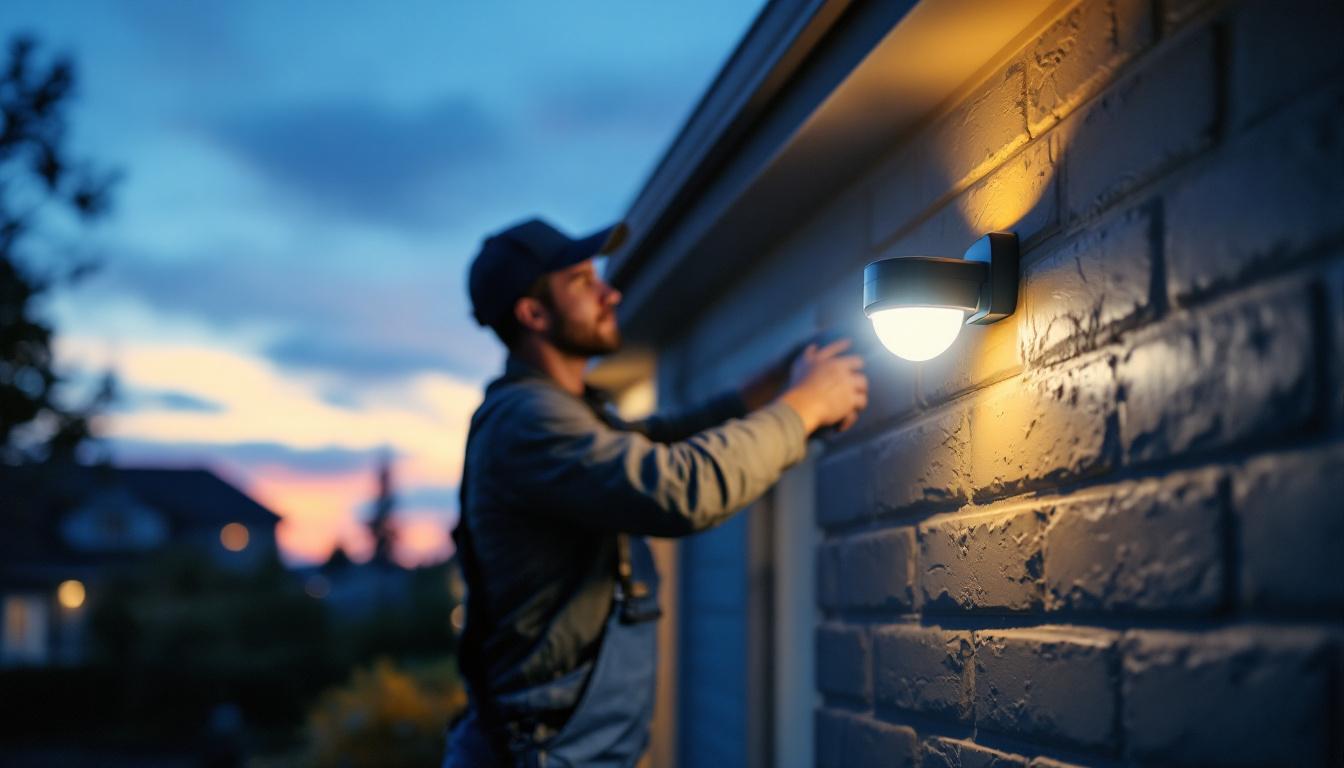
Placement of motion sensor lights significantly affects their performance. Ideally, sensors should be installed at a height of 6 to 8 feet to maximize detection capabilities. This height helps to minimize false triggers from small animals while ensuring that human movement is detected effectively.
Moreover, positioning the lights in areas with clear lines of sight is essential. Obstructions such as trees, fences, or walls can hinder the sensor’s ability to detect motion, leading to frustration for homeowners. Contractors should assess the landscape and recommend strategic placements that enhance visibility and coverage. Additionally, it is beneficial to consider the angle of the sensor; installing the lights at a slight downward tilt can improve detection range and reduce blind spots, ensuring that the entire area is monitored effectively.
Furthermore, it’s important to think about the specific areas that require illumination. High-traffic zones such as driveways, pathways, and entrances should be prioritized, as these are often the most vulnerable points for security breaches. By conducting a thorough site evaluation, contractors can identify potential hotspots and recommend the installation of multiple lights to create a well-lit perimeter, enhancing both safety and aesthetic appeal.
Wiring and Power Supply Considerations
When installing motion sensor lights, contractors must consider the wiring and power supply. Many motion sensor lights are available in both hardwired and solar-powered options. Hardwired lights often provide more reliable performance, especially in areas with limited sunlight.
For solar-powered options, it’s vital to ensure that the solar panel receives adequate sunlight throughout the day. This may involve trimming nearby foliage or selecting a location that is unobstructed. Educating clients about the pros and cons of each option can help them make informed decisions. Additionally, when opting for hardwired systems, contractors should take care to use weather-resistant wiring and connectors to prevent damage from the elements, which can prolong the lifespan of the installation.
Moreover, it is essential to consider the power source’s capacity and the total wattage of the lights being installed. Overloading a circuit can lead to frequent outages or even fire hazards. Contractors should ensure that the circuit can handle the load, and if necessary, recommend dedicated circuits for larger installations. This attention to detail not only enhances safety but also contributes to the longevity and reliability of the lighting system, providing homeowners with peace of mind and satisfaction in their investment.
Choosing the Right Products
With a plethora of motion sensor exterior lights available on the market, selecting the right products can be overwhelming. Lighting contractors should be well-versed in the features and benefits of various options to guide their clients effectively.
Energy Efficiency and Sustainability
Energy efficiency is a significant consideration for many homeowners today. LED motion sensor lights are an excellent choice, as they consume less energy and have a longer lifespan than traditional incandescent bulbs. Contractors should highlight the long-term cost savings associated with using LED technology.
Additionally, promoting products that are certified by energy efficiency programs can enhance a contractor’s credibility. Clients are increasingly interested in sustainable solutions, and showcasing eco-friendly options can set a contractor apart from the competition.
Design and Aesthetics
While functionality is paramount, the design and aesthetics of motion sensor lights should not be overlooked. Homeowners want fixtures that complement their property’s architecture and landscaping. Contractors should offer a variety of styles, finishes, and designs to cater to diverse tastes.
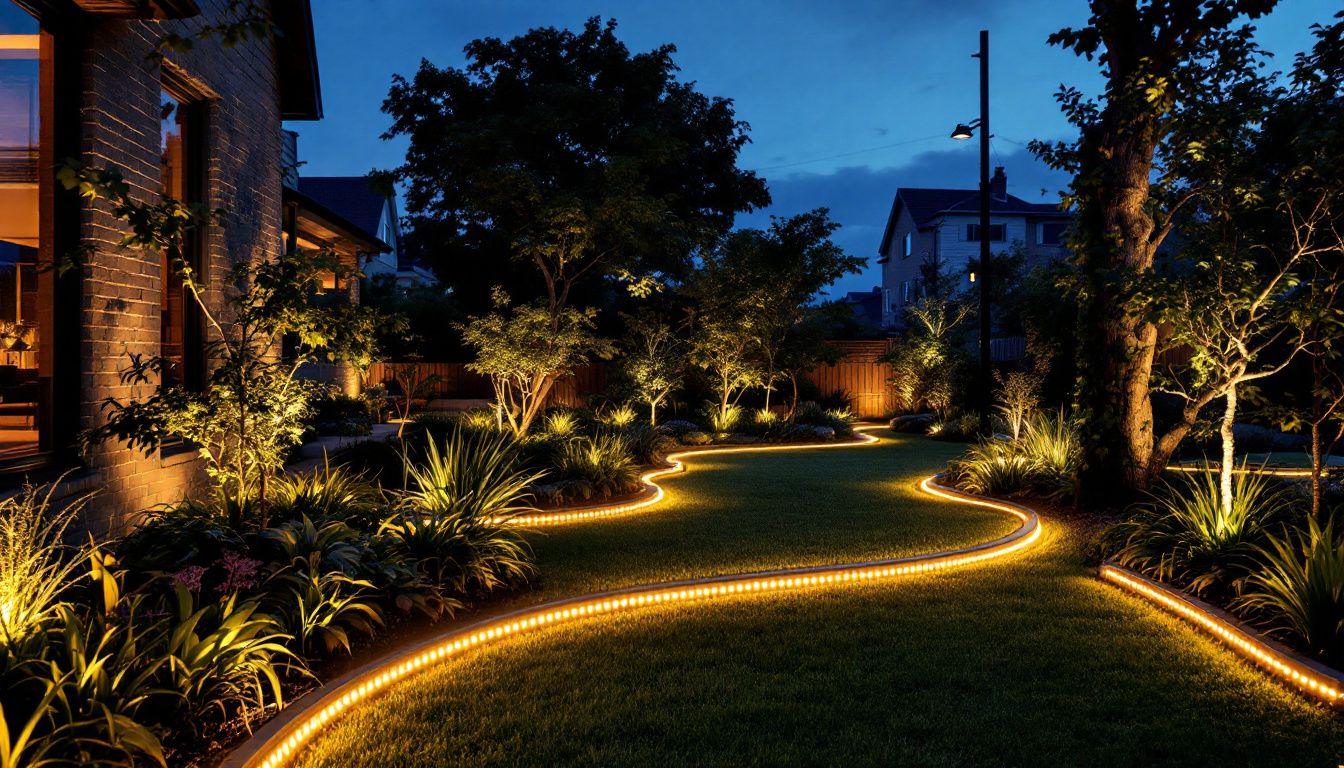
Moreover, integrating motion sensor lights with existing outdoor lighting can create a cohesive look. Contractors can suggest combinations of wall-mounted lights, path lights, and spotlights to enhance both security and ambiance.
Client Education and Support
Educating clients about the operation and maintenance of motion sensor exterior lights is essential for ensuring their satisfaction. When clients understand how to use and care for their lighting systems, they are more likely to appreciate the investment.
Demonstrating Features
During the installation process, take the time to demonstrate the features of the motion sensor lights. Show clients how to adjust sensitivity settings, change light duration, and troubleshoot common issues. This hands-on approach fosters trust and empowers clients to manage their lighting effectively.
Providing a user manual or a quick reference guide can also be beneficial. This resource can serve as a handy reminder of the features and maintenance tips, making it easier for clients to refer back when needed.
Follow-Up Services
Offering follow-up services can enhance client relationships and lead to repeat business. After installation, contractors should check in with clients to address any concerns or questions. This proactive approach demonstrates commitment to customer satisfaction and can result in positive referrals.
Additionally, contractors can offer maintenance services to ensure that motion sensor lights continue to function optimally. Regular check-ups can prevent issues and extend the lifespan of the lighting system, ultimately benefiting both the contractor and the client.
Addressing Common Challenges
Even with careful planning and installation, challenges can arise with motion sensor exterior lights. Being prepared to address these issues can enhance a contractor’s reputation and reliability.
False Triggers
One of the most common complaints about motion sensor lights is false triggering, often caused by pets, passing cars, or environmental factors like wind. Educating clients on adjusting sensitivity settings can help mitigate this issue. In some cases, relocating the sensor or changing the angle may also be necessary.
Contractors should reassure clients that occasional false triggers are normal, but they should also emphasize the importance of fine-tuning the system for optimal performance.
Inconsistent Lighting
Another challenge is inconsistent lighting, where the lights may not activate as expected. This can be due to various factors, including low battery levels in solar-powered units or obstructions blocking the sensor. Contractors should advise clients on regular maintenance checks, such as cleaning the sensor and ensuring that solar panels are free from debris.
For hardwired systems, ensuring proper connections and checking for any wiring issues can help maintain consistent performance. Providing clients with a checklist for regular maintenance can empower them to keep their systems functioning smoothly.
Future Trends in Motion Sensor Lighting
The landscape of motion sensor lighting is continually evolving, with new technologies and trends emerging. Staying informed about these developments can help lighting contractors remain competitive and offer cutting-edge solutions to their clients.
Smart Home Integration
As smart home technology becomes increasingly prevalent, integrating motion sensor lights with home automation systems is a growing trend. Many modern motion sensor lights can connect to Wi-Fi networks, allowing homeowners to control their lighting remotely through smartphones or voice-activated devices.
Contractors should familiarize themselves with popular smart home platforms and recommend compatible products to clients. This integration not only enhances convenience but also adds a layer of security, as homeowners can monitor their property in real-time.
Advanced Sensor Features
Emerging technologies are also leading to advanced sensor features, such as adaptive lighting and facial recognition. Adaptive lighting adjusts brightness based on ambient light levels, ensuring that outdoor spaces are well-lit without wasting energy.
Facial recognition technology can enhance security by differentiating between familiar faces and strangers. While these features may still be in their infancy, contractors should keep an eye on advancements and be prepared to offer these innovative solutions as they become more widely available.
Conclusion
In a world where outdoor security and energy efficiency are paramount, motion sensor exterior lights offer an ideal solution for homeowners. Lighting contractors play a crucial role in guiding clients through the selection and installation process, ensuring that they receive the best products for their needs.
By understanding motion sensor technology, adhering to best installation practices, and staying informed about industry trends, contractors can enhance their services and build lasting relationships with clients. As the market for motion sensor lights continues to grow, those who adapt and innovate will undoubtedly thrive in this competitive landscape.
Get Your Motion Sensor Lighting Solutions at LumenWholesale
Ready to elevate your lighting projects with the latest in motion sensor technology? Look no further than LumenWholesale for all your lighting needs. We specialize in providing contractors with high-quality, specification-grade lighting products at the most competitive wholesale prices. Our extensive selection is designed to meet the highest industry standards, ensuring reliability and high performance for every installation. With the added convenience of free shipping on bulk orders, LumenWholesale is your go-to source for premium lighting without the hidden fees or compromises. Make the smart choice for your business and explore our collection of Wholesale Lighting at the Best Value today.