Lighting plays a crucial role in enhancing the aesthetic and functional aspects of any space. For lighting contractors, understanding how to measure can lights accurately is essential for delivering quality installations. This article delves into the intricacies of measuring can lights, the common challenges faced, and effective strategies to overcome them.
Understanding Can Lights
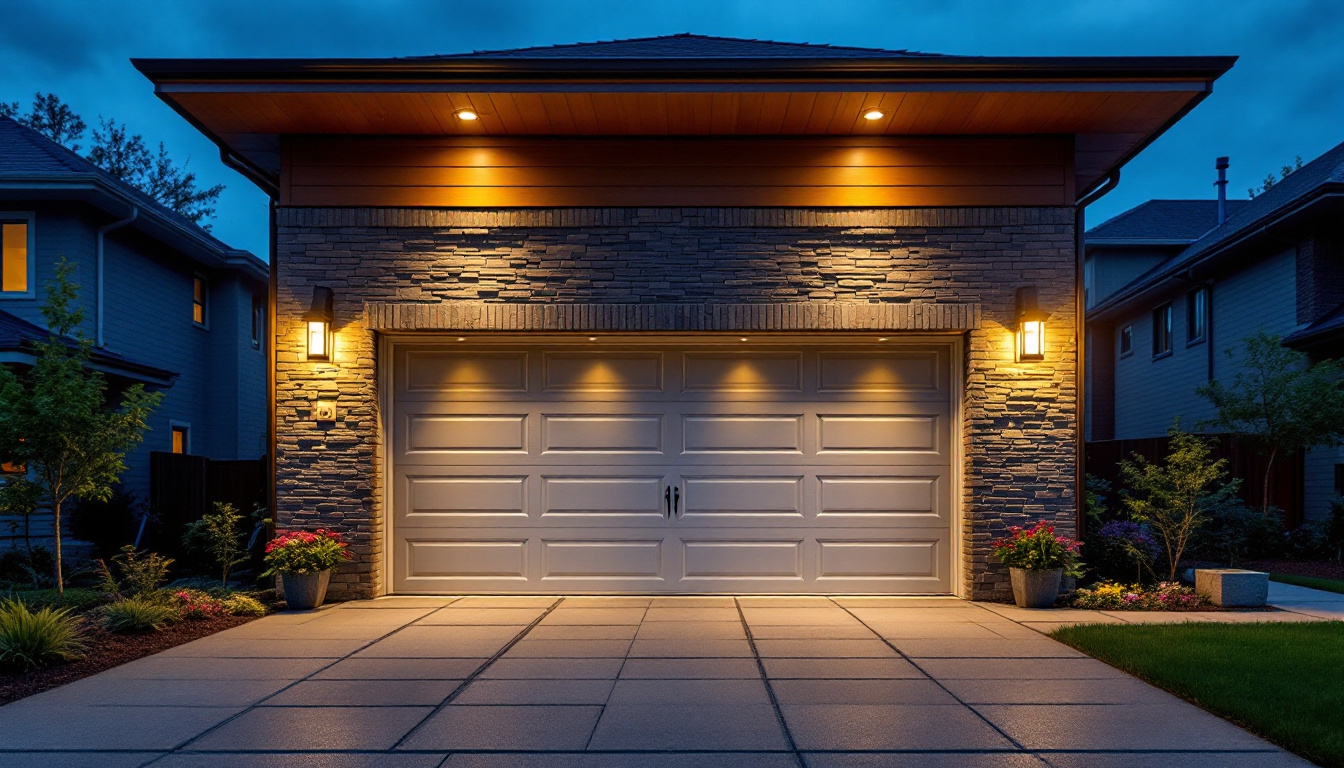
Can lights, also known as recessed lights, are a popular choice for both residential and commercial spaces. They provide a sleek, modern look while offering efficient illumination. Their design allows them to be installed in ceilings, walls, or floors, making them versatile for various applications. This versatility not only enhances the aesthetic appeal of a space but also allows for creative lighting solutions that can transform an ordinary room into an extraordinary one.
Before diving into the measurement process, it’s important to familiarize oneself with the different types of can lights available. These lights come in various sizes, shapes, and finishes, each suited for specific lighting needs and aesthetic preferences. For instance, some can lights feature a trim that can be painted to match the ceiling, while others come in polished chrome or brushed nickel for a more contemporary look. Understanding these options can help contractors make informed decisions during installation, ensuring that the chosen lighting complements the overall design of the space.
Types of Can Lights
Can lights can be categorized based on their size, which typically ranges from 4 inches to 6 inches in diameter. The choice of size influences the amount of light produced and the area covered. Smaller can lights, for instance, are ideal for accent lighting, while larger options are better for general illumination. In larger spaces, multiple smaller can lights can be strategically placed to create a layered lighting effect, enhancing the room’s overall ambiance.
Additionally, can lights can be adjustable or fixed. Adjustable lights allow for directional lighting, making them suitable for highlighting artwork or architectural features. Fixed can lights, on the other hand, provide a consistent light spread, making them ideal for ambient lighting. Moreover, some can lights are equipped with dimmable features, allowing users to control the intensity of the light, further enhancing the versatility of the lighting scheme. This adaptability makes can lights a favored choice among interior designers and homeowners alike, as they can easily adjust the mood of a space from bright and vibrant to soft and cozy, depending on the occasion.
Measuring Can Lights: The Basics
Accurate measurement is critical for ensuring that can lights are installed correctly and function as intended. The process begins with determining the appropriate placement of the lights based on the space’s layout and lighting requirements.
When measuring for can lights, it’s essential to consider the ceiling height, the size of the room, and the desired light intensity. These factors will influence how many lights are needed and their positioning.
Ceiling Height Considerations
The height of the ceiling plays a significant role in determining the type and number of can lights required. For example, higher ceilings may require more powerful fixtures or additional lights to ensure adequate illumination. Conversely, lower ceilings may necessitate smaller fixtures to avoid overwhelming the space.
As a rule of thumb, the distance between the can light and the wall should be approximately 1.5 times the height of the ceiling. This guideline helps to create a balanced light distribution throughout the room. Furthermore, it’s important to consider the type of activities that will take place in the space. For example, in a home office with a higher ceiling, you might opt for adjustable can lights that can be angled to direct light onto your workspace, enhancing productivity and reducing eye strain.
Room Size and Layout
The dimensions of the room are another crucial factor in measuring can lights. Larger rooms may require more fixtures to achieve uniform lighting, while smaller spaces can often be adequately lit with fewer lights. A common approach is to space the lights evenly, typically 4 to 6 feet apart, depending on the light’s wattage and beam spread.
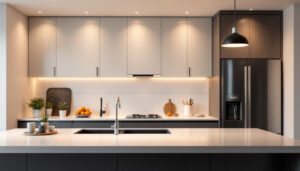
Additionally, the layout of the room should be taken into account. For instance, in a kitchen, can lights may need to be positioned over work areas such as countertops and islands, while in a living room, they can be used to highlight seating areas. It’s also beneficial to consider the color and texture of the walls and furnishings, as these elements can affect how light is reflected in the space. Darker colors may absorb more light, necessitating additional fixtures, while lighter colors can help to amplify the brightness, allowing for fewer lights to achieve the desired effect. Incorporating dimmer switches can also provide flexibility, allowing you to adjust the ambiance according to the time of day or activity, further enhancing the functionality of your lighting design.
Common Challenges in Measuring Can Lights
Despite the straightforward nature of measuring can lights, several challenges can arise during the process. These challenges can lead to miscalculations, resulting in inadequate lighting or unsightly installations.
Understanding these common pitfalls can help lighting contractors navigate the measurement process more effectively. Additionally, being aware of these issues can enhance the overall design and functionality of a space, ensuring that the lighting not only serves its purpose but also complements the aesthetic of the environment.
Inaccurate Measurements
One of the most prevalent issues in measuring can lights is inaccurate measurements. This can stem from various factors, such as using the wrong tools or misinterpreting the space’s dimensions. To mitigate this risk, contractors should always double-check their measurements and use reliable tools, such as laser distance measurers or tape measures.
Additionally, it’s beneficial to take into account any obstructions, such as beams or ductwork, that may affect the placement of the lights. Failing to consider these elements can lead to poor lighting outcomes and necessitate costly adjustments later on. Furthermore, it’s essential to account for the ceiling height and the type of can light being installed, as different fixtures may require varying depths and spacing to achieve optimal performance.
Lighting Distribution Issues
Another challenge is achieving proper lighting distribution. If can lights are spaced too far apart, certain areas may remain poorly lit, creating an uneven ambiance. Conversely, lights that are too close together can result in excessive brightness in certain spots, leading to discomfort.
To avoid these issues, contractors should consider the beam angle of the can lights being used. A wider beam angle allows for more extensive coverage, while a narrower angle is better suited for focused lighting. By understanding these specifications, contractors can make more informed decisions regarding light placement. Additionally, it’s important to consider the color temperature of the bulbs, as this can significantly influence the mood of a room. Warmer tones are often more inviting and conducive to relaxation, while cooler tones can enhance focus and productivity, making them ideal for workspaces or kitchens.
Best Practices for Measuring Can Lights
To ensure successful installations, lighting contractors should adopt best practices when measuring can lights. These practices not only streamline the process but also enhance the overall quality of the lighting design.
Utilizing Technology
In today’s digital age, technology can significantly aid in the measurement process. Various software applications and tools are available that allow contractors to create virtual layouts of spaces, helping visualize the placement of can lights. These tools can simulate lighting effects, enabling contractors to experiment with different configurations before making physical measurements.
Moreover, mobile apps designed for lighting calculations can assist in determining the appropriate number of fixtures needed based on room dimensions and desired brightness levels. Embracing technology can lead to more efficient and accurate measurements.
Collaborating with Clients
Effective communication with clients is vital in the measurement process. Understanding their lighting preferences and requirements can help contractors make more informed decisions regarding the placement and type of can lights to use. Regular discussions can also ensure that clients are satisfied with the proposed lighting design before installation begins.
Contractors should encourage clients to express their vision for the space, including any specific areas they want to highlight or any ambiance they wish to create. This collaborative approach can lead to a more tailored and successful lighting solution.
Finalizing the Installation
Once measurements have been taken and the lighting plan has been finalized, the next step is to proceed with the installation. This phase requires careful attention to detail to ensure that the can lights are positioned correctly and function as intended.
During installation, it’s crucial to follow the manufacturer’s guidelines regarding mounting and wiring. Proper installation not only ensures safety but also maximizes the efficiency and lifespan of the fixtures.
Testing and Adjustments
After installation, testing the lighting setup is essential. This step allows contractors to assess the effectiveness of the lighting design and make any necessary adjustments. It’s advisable to check for any flickering lights, uneven illumination, or areas that may require additional fixtures.
Adjustments can include repositioning lights, changing the bulb wattage, or even adding dimmer switches to enhance the versatility of the lighting. By taking the time to test and adjust, contractors can ensure that the final result meets both their standards and the client’s expectations.
Conclusion
Measuring can lights may seem like a straightforward task, but it involves a range of considerations that can significantly impact the final outcome. By understanding the basics of can lights, recognizing common challenges, and employing best practices, lighting contractors can enhance their skills and deliver exceptional results.
Ultimately, the goal is to create well-lit spaces that not only meet functional needs but also elevate the overall aesthetic. With careful planning, collaboration with clients, and attention to detail, lighting contractors can navigate the complexities of measuring can lights and overcome any challenges that arise along the way.
Illuminate Your Projects with LumenWholesale
Ready to take your lighting installations to the next level? At LumenWholesale, we provide lighting contractors with the highest quality, spec-grade lighting products at prices that simply can’t be beaten. Say goodbye to local distributor markups and hello to our extensive selection that meets rigorous industry standards. Plus, with free shipping on bulk orders, you can stock up on premium lighting solutions without worrying about hidden fees or compromises. Elevate your lighting projects with the perfect blend of quality, affordability, and convenience. Discover wholesale lighting at the best value today and light up your spaces like never before.