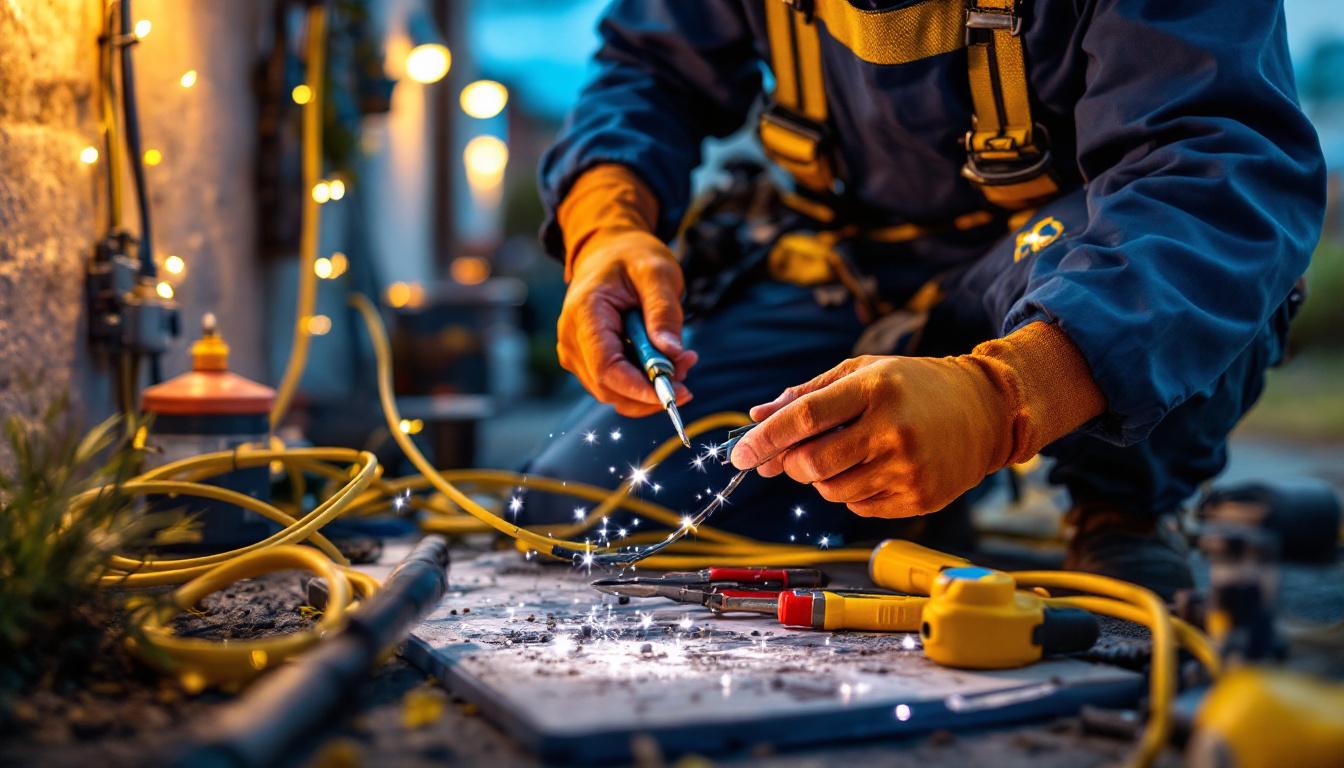
Understanding Electrical Conduit Pull Strings
In the world of electrical installations, efficiency and effectiveness are paramount. One tool that has gained significant attention among lighting contractors is the electrical conduit pull string. This simple yet ingenious device plays a crucial role in streamlining the process of running wires through conduits, ultimately saving time and reducing labor costs.
But what exactly is an electrical conduit pull string? Essentially, it is a strong, flexible string or cord that is threaded through the conduit before the actual electrical wires are installed. This allows contractors to pull the wires through the conduit with ease, minimizing the risk of damage and ensuring a smoother installation process.
The Importance of Pull Strings in Electrical Work
Using pull strings in electrical work is not just about convenience; it significantly enhances the overall efficiency of the project. When lighting contractors utilize pull strings, they can avoid the common pitfalls associated with wire installation, such as tangling, kinking, or damaging the wires.
Moreover, pull strings allow for a more organized workspace. By having a dedicated string for pulling wires, contractors can maintain a cleaner and more structured environment, which is essential for safety and productivity on the job site.
Additionally, the use of pull strings can be particularly beneficial in complex installations where multiple wires need to be run simultaneously. In such cases, contractors can use different colored strings to differentiate between various circuits, making it easier to manage the installation process and reducing the likelihood of errors. This method not only saves time but also enhances the overall safety of the installation, as it minimizes the chances of incorrect wiring.
Furthermore, the durability of pull strings means they can be reused across multiple projects, making them a cost-effective solution for contractors. Many pull strings are made from materials designed to withstand wear and tear, ensuring they remain functional even after several uses. This longevity adds to the appeal of pull strings, as they represent an investment in efficiency that pays off over time, allowing contractors to focus on delivering high-quality work without the added stress of wire management issues.
Benefits of Using Pull Strings for Lighting Contractors
Lighting contractors face various challenges when it comes to installing electrical systems. Utilizing pull strings can alleviate many of these issues, leading to a more efficient workflow. Here are some key benefits of incorporating pull strings into the installation process:
1. Time Efficiency
Time is money in the contracting world. By using a pull string, lighting contractors can significantly reduce the time spent on wire installation. The pull string allows for quicker and easier maneuvering of wires through conduits, which means less time spent on troubleshooting and more time dedicated to completing the job.
Additionally, the ease of pulling wires through the conduit means that contractors can work more quickly, allowing them to take on more projects and increase their overall profitability.
2. Reduced Labor Costs
Labor costs can quickly add up during electrical installations, especially when multiple workers are involved in the process. By implementing pull strings, lighting contractors can reduce the number of labor hours required for wire installations. A single contractor can often handle the task more efficiently, minimizing the need for additional manpower.
This not only helps in cutting costs but also simplifies project management. Fewer workers on-site mean less coordination and communication, leading to a smoother operation overall.
3. Enhanced Safety
Safety should always be a top priority on any job site. The use of pull strings can contribute to a safer working environment by reducing the chances of accidents related to tangled or improperly handled wires. When wires are pulled through conduits smoothly, the risk of tripping hazards and other safety issues decreases significantly.
Moreover, a well-organized workspace, facilitated by the use of pull strings, allows contractors to focus more on their tasks without the distraction of clutter and confusion. This focus can lead to fewer mistakes and a more secure job site.
Choosing the Right Pull String for Your Needs
Not all pull strings are created equal. Lighting contractors need to consider various factors when selecting the right pull string for their projects. The choice of material, thickness, and length can all impact the effectiveness of the pull string during installation.
Material Considerations
Pull strings are typically made from a variety of materials, including nylon, polyester, and other synthetic fibers. Each material has its own set of advantages and disadvantages. For instance, nylon pull strings are known for their strength and durability, making them ideal for heavy-duty applications. On the other hand, polyester strings may offer better resistance to UV rays and moisture, which can be beneficial in outdoor or damp environments.
Contractors should assess the specific conditions of their job sites to determine the most suitable material for their pull strings. Understanding the environment in which the installation will take place can help ensure that the pull string performs optimally.
Thickness and Length
The thickness of the pull string can also play a critical role in its effectiveness. Thicker strings may offer more strength but can be more challenging to maneuver through narrow conduits. Conversely, thinner strings may be easier to handle but could lack the durability needed for tougher installations.
Length is another important factor to consider. A pull string that is too short may not reach the necessary distance, while one that is excessively long can lead to tangling and complications during installation. It is essential for contractors to measure their conduits accurately and choose a pull string that fits their specific needs.
Best Practices for Using Pull Strings
To maximize the benefits of pull strings, lighting contractors should adhere to certain best practices during their installations. These practices can help ensure that the process is as efficient and effective as possible.
1. Pre-Installation Planning
Before beginning any installation, it is crucial to plan the process thoroughly. This includes determining the number of conduits, the types of wires needed, and the length of pull strings required. By having a clear plan in place, contractors can avoid unnecessary delays and complications during the installation.
Additionally, assessing the layout of the job site can help identify potential obstacles that may arise during the wire-pulling process. By anticipating these challenges, contractors can develop strategies to address them proactively.
2. Proper Threading Techniques
When threading the pull string through the conduit, it is essential to use proper techniques to ensure a smooth installation. This may involve using a fish tape or other tools to guide the pull string through tight bends or long runs. Taking the time to thread the string correctly can prevent tangling and make the pulling process much more efficient.
Contractors should also ensure that the pull string is securely attached to the wires before beginning the pulling process. A secure connection will minimize the risk of the string breaking or slipping during installation.
3. Regular Maintenance and Inspection
Like any tool, pull strings require regular maintenance to ensure optimal performance. Contractors should inspect their pull strings for signs of wear and tear before each use. Any fraying or damage can compromise the string’s effectiveness and lead to complications during installation.
Additionally, storing pull strings properly when not in use can help prolong their lifespan. Keeping them in a dry, cool place will prevent moisture damage and ensure they are ready for the next project.
Case Studies: Success Stories with Pull Strings
Numerous lighting contractors have experienced significant improvements in their installation processes by incorporating pull strings into their workflows. These success stories highlight the tangible benefits that can be achieved through the effective use of this simple yet powerful tool.
Project A: Large Commercial Installation
In a recent large-scale commercial installation, a team of lighting contractors faced the challenge of running multiple wires through extensive conduits. By utilizing pull strings, they were able to complete the installation in a fraction of the time it would have taken without them. The project manager noted that the use of pull strings not only expedited the process but also reduced the number of workers needed on-site, leading to considerable cost savings.
The contractors reported that the pull strings allowed for smoother navigation through the conduits, even in tight spaces. This success story serves as a testament to the efficiency that pull strings can bring to complex installations.
Project B: Residential Wiring Renovation
Another lighting contractor undertook a residential wiring renovation project where the existing conduits were narrow and difficult to work with. By implementing pull strings, the contractor was able to pull new wiring through the existing conduits without damaging the old infrastructure.
This approach not only saved time but also minimized the disruption to the homeowner. The contractor expressed satisfaction with the ease of use and effectiveness of the pull strings, stating that they would continue to utilize them in future projects.
Conclusion: The Future of Electrical Installations
The electrical industry is constantly evolving, and tools like electrical conduit pull strings are at the forefront of this transformation. For lighting contractors, embracing innovations that improve efficiency is essential for staying competitive in the market.
By incorporating pull strings into their workflows, contractors can enhance their productivity, reduce labor costs, and create safer job sites. As the demand for lighting installations continues to grow, the effective use of pull strings will undoubtedly play a vital role in shaping the future of electrical work.
Ultimately, the benefits of using electrical conduit pull strings extend beyond mere convenience; they represent a step toward a more efficient and streamlined approach to electrical installations. As contractors continue to adopt these practices, the industry as a whole will benefit from improved standards and outcomes.
Get Your Premium Lighting Supplies at LumenWholesale
Ready to take your electrical installations to the next level? LumenWholesale is here to support you with the highest quality, spec-grade lighting products at the most competitive wholesale prices. Say goodbye to local distributor markups and hello to a vast selection of reliable lighting solutions that meet rigorous industry standards. With the added convenience of free shipping on bulk orders, you can trust that you’re getting the best value without any hidden costs. Elevate your projects with the efficiency and quality you deserve. Discover the difference and shop for wholesale lighting at the best value today.