As outdoor lighting installations become increasingly popular, ensuring the safety and functionality of electrical covers is paramount for lighting contractors. This article delves into best practices for outdoor electrical covers, offering insights that can enhance both the quality of installations and client satisfaction.
Understanding Outdoor Electrical Covers
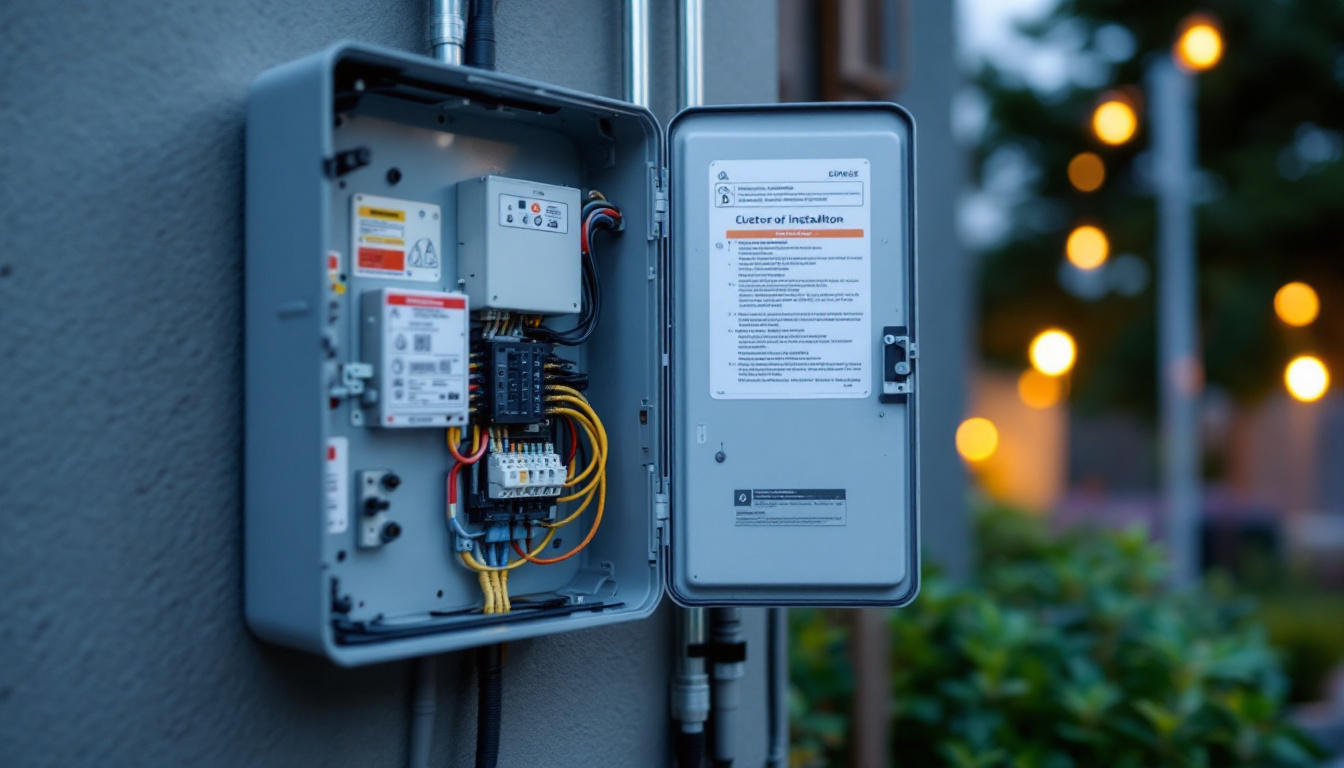
Outdoor electrical covers serve as protective barriers for electrical outlets and connections exposed to the elements. They are designed to prevent moisture, dirt, and debris from entering electrical components, which can lead to malfunctions or even hazardous situations. For lighting contractors, understanding the types of covers available and their specific applications is essential for ensuring a safe and effective installation.
Types of Outdoor Electrical Covers
There are several types of outdoor electrical covers available, each suited for different applications. The most common types include:
- Weatherproof Covers: These covers are designed to resist the elements, providing a tight seal against rain, snow, and wind. They are ideal for outdoor outlets that will be used frequently.
- In-Use Covers: These covers allow for the use of electrical devices while still protecting the outlet from the elements. They feature a hinged design that keeps the cover closed when not in use.
- Standard Covers: While not specifically designed for outdoor use, standard covers can be used in protected areas. However, they are not recommended for direct exposure to weather conditions.
Choosing the Right Cover for Your Project
When selecting an electrical cover, consider the specific needs of the project. Factors such as location, frequency of use, and exposure to the elements should influence the choice. For example, a cover in a coastal area may require more robust protection against salt and moisture than one in a drier climate. Additionally, understanding local codes and regulations is crucial, as they may dictate specific requirements for outdoor installations.
Furthermore, the material of the electrical cover plays a significant role in its durability and effectiveness. Covers made from high-grade polycarbonate or stainless steel can offer superior resistance to corrosion and impact, making them ideal for high-traffic areas or locations prone to severe weather. It’s also worth noting that some covers come with additional features, such as UV resistance, which can help prevent fading and degradation from prolonged sun exposure. This is particularly important in regions with intense sunlight, where standard materials may deteriorate more quickly.
Another important aspect to consider is the ease of installation and maintenance. Some covers are designed for quick and simple installation, while others may require more complex setups. Choosing a cover that is user-friendly can save time and effort during installation. Additionally, regular maintenance checks should be scheduled to ensure that the covers remain functional and effective over time, especially after severe weather events. This proactive approach can help identify any potential issues before they escalate into more serious problems, ensuring the safety and reliability of outdoor electrical systems.
Installation Best Practices
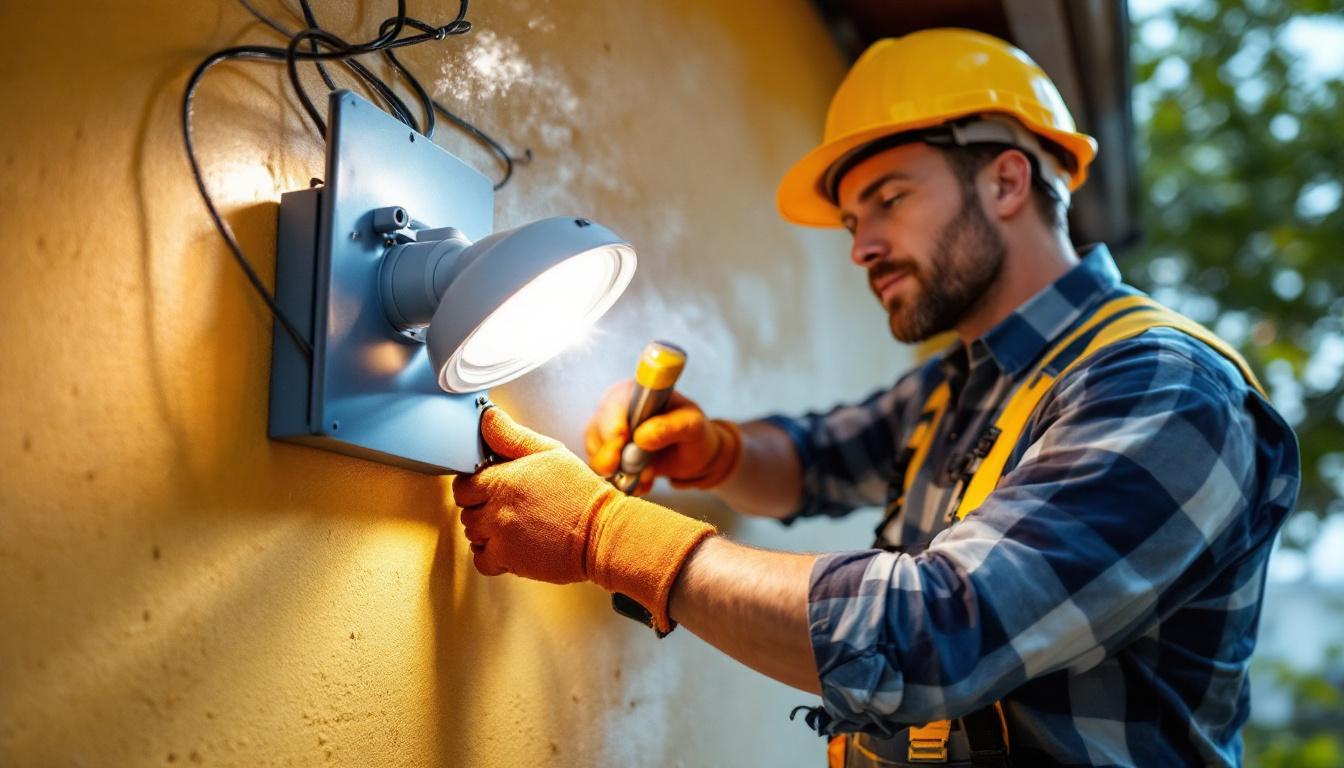
Proper installation of outdoor electrical covers is critical to ensure safety and functionality. Lighting contractors must adhere to best practices to avoid common pitfalls that can lead to issues down the line.
Site Assessment
Before installation, conduct a thorough site assessment. This involves evaluating the location of the electrical outlet, considering factors such as accessibility, exposure to weather, and proximity to water sources. A well-planned installation site can significantly reduce the risk of future problems. Additionally, it’s important to consider the potential for future landscaping changes or construction that could impact the electrical cover. For instance, if trees are planted too close to the installation site, their roots could eventually disrupt the electrical connections, leading to costly repairs. Therefore, taking the time to assess not just the immediate surroundings but also future developments can save both time and resources.
Follow Manufacturer Instructions
Each electrical cover comes with specific installation instructions provided by the manufacturer. It is essential to follow these guidelines closely to ensure proper functionality and compliance with safety standards. This includes using the correct tools and materials, as well as adhering to torque specifications when securing the cover. Furthermore, it’s advisable to familiarize yourself with any warranty conditions attached to the product, as improper installation could void these guarantees. Understanding the nuances of the product specifications can also help in selecting the right cover for specific environmental conditions, such as extreme temperatures or high humidity levels, which may affect the longevity of the installation.
Sealing and Weatherproofing
To enhance the durability of outdoor electrical covers, proper sealing and weatherproofing techniques should be employed. This may involve using silicone sealant around the edges of the cover to prevent moisture ingress. Additionally, consider using gaskets or O-rings as specified by the manufacturer to ensure a tight seal. Beyond just sealing, it’s also beneficial to regularly inspect the covers for signs of wear or damage, especially after severe weather events. Over time, UV exposure can degrade materials, making it essential to replace any compromised components promptly. Implementing a routine maintenance schedule can help identify potential issues before they escalate, ensuring that the electrical covers remain functional and safe throughout their lifespan.
Compliance with Electrical Codes
Adhering to local electrical codes is not only a legal requirement but also a best practice that ensures safety and reliability. Lighting contractors must stay informed about the latest codes and regulations that pertain to outdoor electrical installations. This vigilance not only protects the safety of the end-users but also enhances the contractor’s reputation in the industry, as clients are more likely to trust professionals who prioritize compliance and safety.
Understanding NEC Requirements
The National Electrical Code (NEC) outlines specific requirements for outdoor electrical installations. These codes dictate the types of covers that can be used, their installation methods, and the necessary safety features. Familiarity with NEC guidelines can help contractors avoid costly mistakes and ensure that installations pass inspections. Moreover, understanding these requirements can lead to more efficient project planning and execution, as contractors can anticipate potential challenges and address them proactively.
Local Amendments and Regulations
In addition to NEC requirements, local jurisdictions may have specific amendments or regulations that impact outdoor electrical installations. It is crucial for lighting contractors to be aware of these local codes, as they can vary significantly from one area to another. Engaging with local building authorities can provide valuable insights into compliance requirements. Additionally, contractors should consider joining local trade organizations or attending workshops that focus on regional electrical standards, as these resources can offer ongoing education and networking opportunities that keep them informed about changes in the regulatory landscape.
Furthermore, staying updated on local amendments can also help contractors identify opportunities for innovation within their projects. For instance, some jurisdictions may encourage the use of energy-efficient lighting solutions or smart technology integrations, which can not only enhance the functionality of outdoor spaces but also provide clients with long-term savings on energy costs. By embracing these advancements while adhering to compliance standards, contractors can position themselves as leaders in the industry, capable of delivering cutting-edge solutions that meet both regulatory and client expectations.
Maintenance and Inspection
Regular maintenance and inspection of outdoor electrical covers are essential to ensure their longevity and functionality. Lighting contractors should educate clients on the importance of routine checks and what to look for during inspections.
Signs of Wear and Tear
Over time, outdoor electrical covers may show signs of wear and tear due to exposure to the elements. Common indicators include fading, cracking, or warping of the cover material. If any of these signs are present, it is advisable to replace the cover to maintain safety and functionality.
Cleaning and Upkeep
Keeping outdoor electrical covers clean is an important aspect of maintenance. Dirt, debris, and organic matter can accumulate on the covers, potentially obstructing the seal and allowing moisture to enter. Regular cleaning with mild soap and water can help maintain the integrity of the cover and prolong its lifespan.
Enhancing Aesthetic Appeal
While functionality and safety are paramount, the aesthetic appeal of outdoor electrical covers should not be overlooked. Lighting contractors can choose covers that complement the design of the outdoor space, enhancing the overall look while maintaining safety standards.
Color and Material Selection
Outdoor electrical covers are available in various colors and materials, allowing for customization to match the surrounding environment. Consider using covers made from durable materials that can withstand harsh weather conditions while also blending seamlessly with the landscape.
Integrating with Landscape Design
Incorporating electrical covers into the overall landscape design can enhance both functionality and aesthetics. For instance, using decorative covers that match outdoor fixtures or integrating them into garden structures can create a cohesive look. This approach not only improves the visual appeal but also ensures that electrical components are safely and effectively protected.
Training and Education for Contractors
As the electrical and lighting industries evolve, ongoing training and education for contractors are essential. Staying updated on best practices, new products, and technological advancements can significantly enhance the quality of outdoor electrical installations.
Workshops and Certifications
Participating in workshops and obtaining certifications related to outdoor electrical installations can provide valuable knowledge and skills. Many manufacturers and industry organizations offer training programs that focus on the latest products and installation techniques, ensuring that contractors remain competitive in the field.
Networking with Industry Peers
Engaging with other lighting contractors and industry professionals can foster a culture of learning and knowledge sharing. Networking opportunities, such as trade shows and local industry events, allow contractors to exchange ideas and best practices, ultimately improving the quality of their work.
Conclusion
In conclusion, outdoor electrical covers are a critical component of safe and effective lighting installations. By understanding the types of covers available, adhering to installation best practices, and complying with electrical codes, lighting contractors can enhance the quality of their work. Additionally, regular maintenance, aesthetic considerations, and ongoing education play vital roles in ensuring the longevity and functionality of outdoor electrical installations. By prioritizing these best practices, contractors can not only meet client expectations but also contribute to a safer and more visually appealing outdoor environment.
Get Your Premium Outdoor Electrical Covers at LumenWholesale
Ready to elevate your lighting installations with the highest quality outdoor electrical covers? Look no further than LumenWholesale, where we offer an exceptional range of spec-grade lighting products at unbeatable wholesale prices. Our commitment to cutting out the middleman means you enjoy superior products without the inflated markups, ensuring your projects shine with reliability and performance. Plus, with free shipping on bulk orders, you can stock up on the best lighting solutions without worrying about hidden fees. Don’t compromise on quality or value—visit LumenWholesale today and discover the perfect blend of quality, affordability, and convenience for all your lighting needs.