Lighting plays a crucial role in the functionality and aesthetics of any space, particularly in commercial and industrial settings. Among the various types of lighting solutions available, low bay lighting stands out as a popular choice for many lighting contractors. This article delves into the significance of low bay lighting, exploring its features, applications, and the impact it has on lighting contractors’ projects.
Understanding Low Bay Lighting
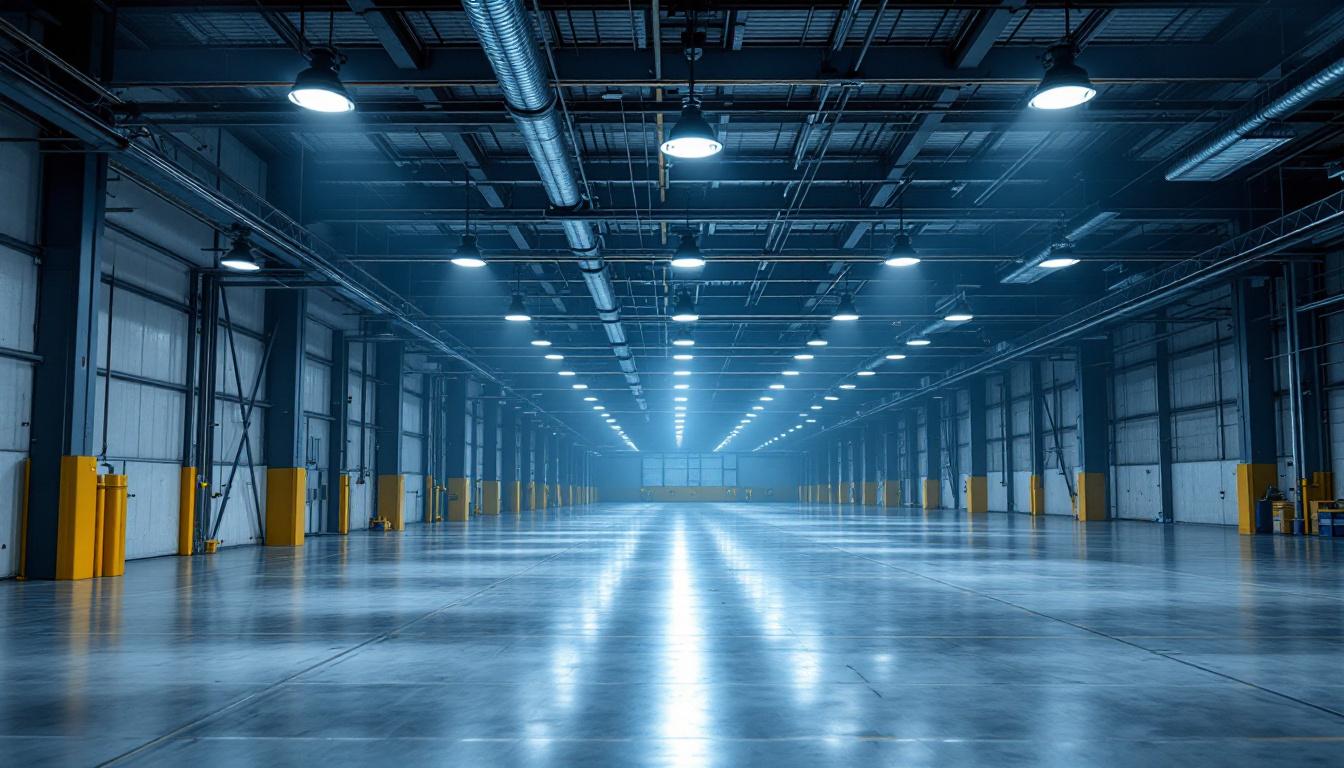
Low bay lighting is designed to illuminate spaces with ceilings that typically range from 8 to 15 feet in height. Unlike high bay lighting, which is used in areas with higher ceilings, low bay fixtures provide adequate illumination for tasks and activities in lower spaces. These fixtures are often used in warehouses, retail stores, gyms, and manufacturing facilities, where effective lighting is essential for safety and productivity.
Key Features of Low Bay Lighting
Low bay lighting fixtures come with several features that make them suitable for various applications. One of the most notable characteristics is their design, which often includes a wide beam angle to ensure even light distribution across the area. This feature minimizes shadows and enhances visibility, making it easier for workers to perform tasks efficiently.
Additionally, low bay lights are available in various styles, including LED, fluorescent, and metal halide options. LED low bay lights, in particular, have gained popularity due to their energy efficiency, longer lifespan, and reduced maintenance costs. These factors not only benefit the end-users but also provide lighting contractors with a compelling selling point. The advancements in LED technology have led to significant improvements in color rendering, allowing for a more accurate representation of colors in retail environments, which can influence customer purchasing decisions.
Applications of Low Bay Lighting
Low bay lighting is versatile and can be used in a variety of settings. In warehouses, it helps illuminate aisles and storage areas, ensuring that employees can navigate safely and locate items without difficulty. Retail spaces benefit from low bay lighting as well, as it enhances product visibility and creates an inviting atmosphere for customers. The strategic placement of these fixtures can also highlight promotional displays, drawing attention to specific products and encouraging sales.
Furthermore, gyms and fitness centers utilize low bay lighting to provide adequate illumination for exercise areas, ensuring that patrons can see clearly while engaging in their workouts. The effectiveness of low bay lighting in these environments underscores its importance in the projects undertaken by lighting contractors. Beyond gyms, low bay fixtures are also commonly found in schools and community centers, where they contribute to a well-lit environment conducive to learning and social interaction. The ability to adjust the intensity and color temperature of low bay lights can further enhance the ambiance, making spaces feel more dynamic and engaging for users.
Impact on Lighting Contractors’ Projects
The choice of low bay lighting can significantly influence the success of a lighting contractor’s project. From design considerations to installation and maintenance, understanding the implications of low bay lighting is essential for contractors aiming to deliver high-quality results.
Design Considerations
When designing a lighting layout that incorporates low bay fixtures, contractors must consider several factors. The height of the ceiling, the purpose of the space, and the specific tasks being performed all play a role in determining the type and number of fixtures needed. Proper spacing is crucial to achieve uniform light distribution and prevent dark spots that can hinder productivity.
Moreover, contractors should also take into account the color temperature of the lighting. Different color temperatures can evoke various moods and affect the overall ambiance of a space. For instance, cooler temperatures may be more suitable for industrial settings, while warmer tones might be preferred in retail environments to create a welcoming atmosphere. In addition, energy efficiency is becoming a paramount consideration; contractors should evaluate the lumen output per watt of the fixtures to ensure they are providing sufficient illumination while minimizing energy consumption.
Installation Challenges
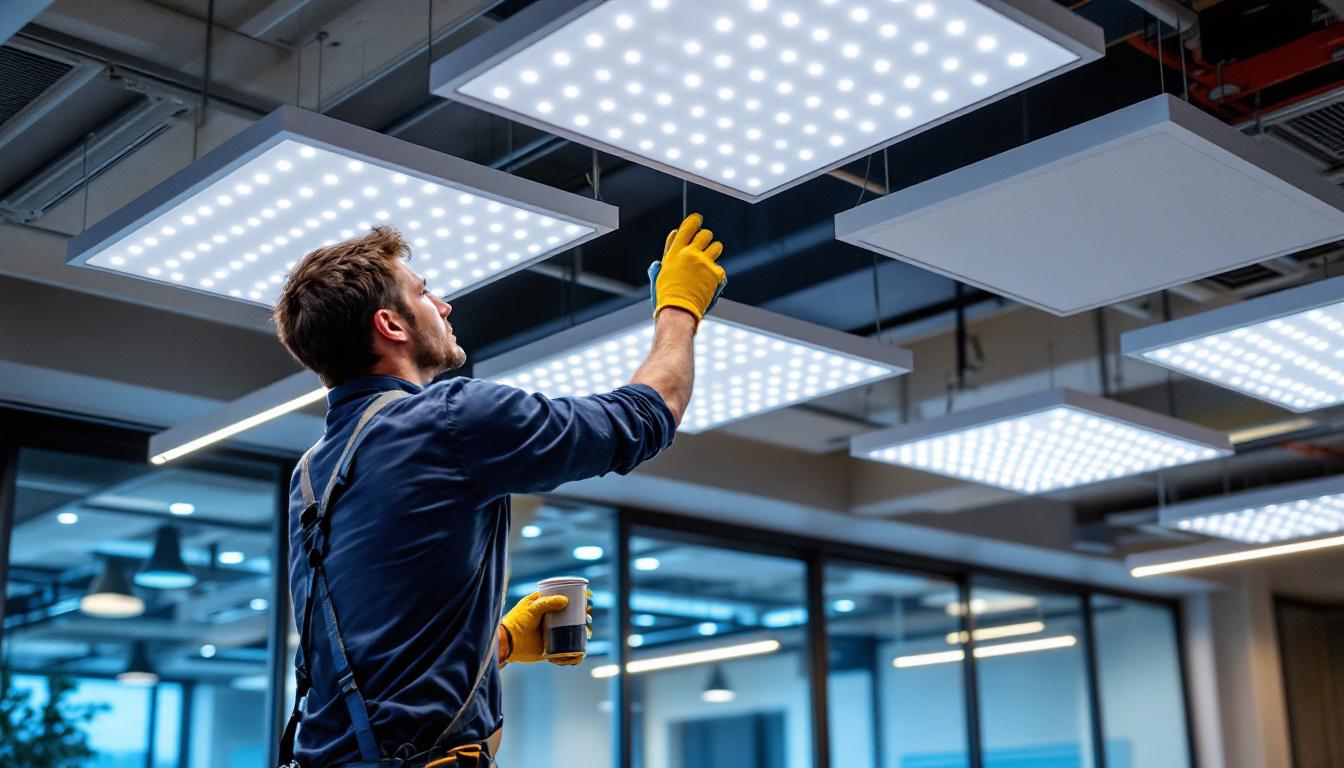
While low bay lighting can be an excellent choice for many projects, installation can present certain challenges. Contractors must ensure that the fixtures are mounted securely and positioned correctly to maximize their effectiveness. This often involves careful planning and coordination, particularly in spaces with existing infrastructure that may complicate the installation process. For example, navigating around ductwork, plumbing, or other overhead systems can require innovative solutions, such as custom mounting brackets or adjusting fixture layouts to accommodate these obstacles.
Additionally, contractors must be aware of local building codes and regulations that govern lighting installations. Compliance with these standards is essential to avoid potential legal issues and ensure the safety of the installation. Knowledge of these regulations can also enhance a contractor’s reputation as a reliable and knowledgeable professional in the field. Furthermore, staying updated on the latest advancements in lighting technology and installation techniques can provide contractors with a competitive edge, allowing them to offer cutting-edge solutions that meet and exceed client expectations.
Maintenance and Upkeep
Another aspect of low bay lighting that impacts lighting contractors is the maintenance and upkeep of the fixtures. While LED low bay lights require less frequent replacement compared to traditional lighting options, regular maintenance is still necessary to ensure optimal performance. This includes cleaning fixtures to remove dust and debris that can obstruct light output, as well as inspecting wiring and connections for any signs of wear or damage. Implementing a scheduled maintenance plan can help identify potential issues before they become significant problems, ultimately saving clients time and money.
By offering maintenance services, contractors can provide added value to their clients, ensuring that the lighting systems continue to operate efficiently over time. This not only fosters long-term relationships with clients but also opens up opportunities for repeat business and referrals. Additionally, contractors can educate clients on the importance of regular maintenance, empowering them to take an active role in preserving their lighting systems. This proactive approach not only enhances the longevity of the installations but also reinforces the contractor’s position as a trusted advisor in lighting solutions.
Energy Efficiency and Sustainability
In today’s environmentally conscious market, energy efficiency is a significant consideration for lighting contractors. Low bay lighting, particularly when utilizing LED technology, can contribute to substantial energy savings. LED fixtures consume significantly less power compared to traditional lighting options, which can lead to lower utility bills for clients and a reduced carbon footprint.
Incentives for Energy-Efficient Lighting
Many regions offer incentives for businesses that invest in energy-efficient lighting solutions. These incentives can take the form of rebates, tax credits, or grants, making it more appealing for clients to choose low bay lighting. Lighting contractors who are knowledgeable about these incentives can provide valuable guidance to their clients, helping them navigate the available options and maximize their savings.
By promoting energy-efficient solutions, contractors can position themselves as leaders in sustainability, attracting clients who prioritize environmentally friendly practices. This not only enhances the contractor’s reputation but also aligns with the growing demand for sustainable building practices across various industries.
Long-Term Benefits of Low Bay Lighting
Investing in low bay lighting offers long-term benefits for both clients and lighting contractors. For clients, the reduced energy consumption translates to lower operational costs, while the longevity of LED fixtures means fewer replacements and maintenance efforts. This can result in significant savings over time, making low bay lighting a wise investment for businesses.
For contractors, delivering energy-efficient lighting solutions can lead to increased client satisfaction and loyalty. Satisfied clients are more likely to recommend the contractor’s services to others, creating a positive feedback loop that can enhance the contractor’s business growth. Furthermore, as more businesses seek to adopt sustainable practices, contractors who specialize in low bay lighting will find themselves well-positioned to meet this demand.
Future Trends in Low Bay Lighting
The lighting industry is continually evolving, and low bay lighting is no exception. As technology advances, new trends are emerging that are likely to shape the future of low bay lighting solutions. Staying informed about these trends can provide lighting contractors with a competitive edge in the market.
Smart Lighting Solutions
One of the most significant trends in the lighting industry is the rise of smart lighting solutions. These systems allow for greater control over lighting settings, enabling users to adjust brightness, color temperature, and even scheduling through mobile apps or centralized control systems. Incorporating smart technology into low bay lighting can enhance its functionality and appeal to tech-savvy clients.
For lighting contractors, understanding how to integrate smart lighting solutions into their projects can open up new opportunities for innovation and customization. Clients are increasingly looking for ways to enhance their operational efficiency, and smart lighting can play a pivotal role in achieving this goal.
Enhanced Aesthetics and Design
As the demand for aesthetically pleasing environments continues to grow, low bay lighting fixtures are being designed with more emphasis on style and visual appeal. Manufacturers are creating fixtures that not only provide excellent illumination but also complement the overall design of a space. This trend allows contractors to offer clients a broader range of options that align with their design vision.
Contractors who stay ahead of these design trends can differentiate themselves in a competitive market, attracting clients who prioritize both functionality and aesthetics in their lighting solutions.
Conclusion
Low bay lighting is a vital component of many lighting projects, particularly in commercial and industrial settings. Its unique features and versatility make it an ideal choice for a variety of applications, while its impact on design, installation, and maintenance cannot be overstated. For lighting contractors, understanding the nuances of low bay lighting is essential for delivering successful projects that meet the needs of clients.
As the industry continues to evolve, staying informed about energy efficiency, smart technology, and design trends will be crucial for contractors looking to remain competitive. By embracing these developments, lighting contractors can enhance their service offerings, foster client satisfaction, and contribute to a more sustainable future in the lighting industry.
Illuminate Your Projects with LumenWholesale
Ready to elevate your lighting projects with the best in low bay lighting solutions? At LumenWholesale, we offer contractors an unbeatable combination of quality, affordability, and convenience. Our spec-grade lighting products meet the highest industry standards, ensuring that your installations shine with reliability and performance. Say goodbye to inflated markups and hello to hassle-free bulk buying with free shipping. Don’t compromise on your lighting needs—choose LumenWholesale for Wholesale Lighting at the Best Value and make every project a beacon of success.