5 Can Lights: vs. Alternatives, What Lighting Contractors Should Choose
When it comes to residential and commercial lighting, the choice of fixtures can significantly impact both aesthetics and functionality. Among the various options available, can lights—also known as recessed lights—have gained immense popularity. However, they are not the only choice. This article will delve into five types of can lights, compare them with alternatives, and provide insights to help lighting contractors make informed decisions.
Understanding Can Lights
Can lights are a staple in modern lighting design, offering a sleek, unobtrusive look that blends seamlessly into ceilings. They are available in various sizes and styles, making them versatile for different applications. Understanding the basics of can lights is essential for any lighting contractor looking to recommend the best solutions to their clients.
Types of Can Lights
There are several types of can lights available, each designed for specific applications. The most common types include:
- New Construction Can Lights: These are designed for installation in new builds and are typically mounted between ceiling joists.
- Remodel Can Lights: Ideal for retrofitting into existing ceilings, these fixtures come with clips that secure them in place without the need for extensive remodeling.
- IC Rated Can Lights: These fixtures are designed to be in contact with insulation, making them suitable for insulated ceilings.
Each type has its unique installation requirements and benefits, which can influence a contractor’s choice based on the project at hand. For instance, new construction can lights often come with more robust housing, allowing for better heat dissipation and longer bulb life, while remodel can lights provide flexibility in design for homeowners looking to update their spaces without major renovations. Additionally, IC rated can lights are crucial for energy efficiency, as they help maintain the integrity of the insulation layer in ceilings, preventing heat loss and reducing energy costs.
Benefits of Can Lights
Can lights offer several advantages that make them a popular choice among contractors:
- Space Efficiency: Their recessed design saves space and provides a clean, modern look.
- Versatility: Can lights can be used in various settings, from kitchens to living rooms, and can accommodate different bulb types.
- Directional Lighting: Many can lights are adjustable, allowing for focused lighting on specific areas or objects.
These benefits contribute to their widespread use, but it is essential to consider alternatives that may better suit specific needs. For example, while can lights are excellent for general illumination, they may not always provide the warm ambiance desired in a cozy reading nook or dining area. In such cases, combining can lights with other lighting solutions, such as pendant lights or wall sconces, can create a layered lighting effect that enhances the overall atmosphere of a space. Moreover, advancements in LED technology have further increased the appeal of can lights, offering energy-efficient options that last longer and produce less heat, making them an even more attractive choice for eco-conscious homeowners.
Exploring Alternatives to Can Lights
While can lights have their advantages, several alternatives can provide unique benefits depending on the application. Understanding these options is crucial for contractors who want to offer their clients the best possible lighting solutions.
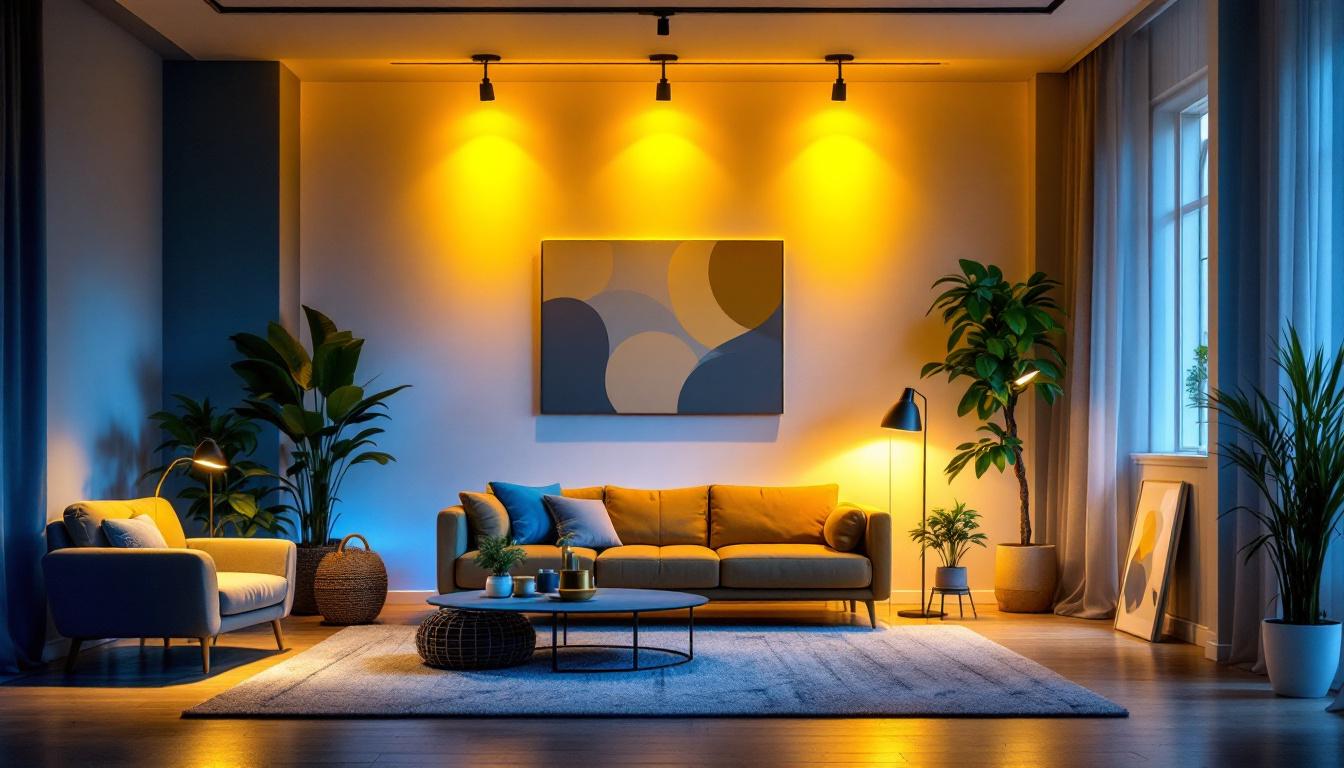
Track Lighting
Track lighting consists of a series of lights mounted on a track, allowing for flexibility in positioning. This type of lighting is especially popular in galleries and retail spaces where adjustable lighting is essential. The ability to direct light precisely where it is needed makes track lighting an invaluable asset in environments that require frequent changes in display or layout.
- Flexibility: Track lighting can be easily adjusted, repositioned, or added to, making it ideal for spaces that require changing layouts.
- Variety of Styles: Available in various designs, track lighting can complement different decor styles, from modern to industrial.
However, track lighting may not provide the same clean ceiling line as can lights, which can be a consideration in more minimalist designs. Additionally, the choice of bulb type can greatly influence the ambiance; LED options are energy-efficient and come in a range of color temperatures, allowing for customization of the lighting experience.
Pendant Lights
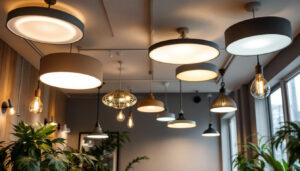
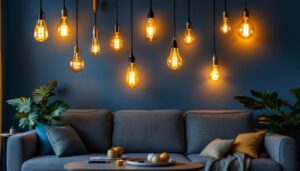
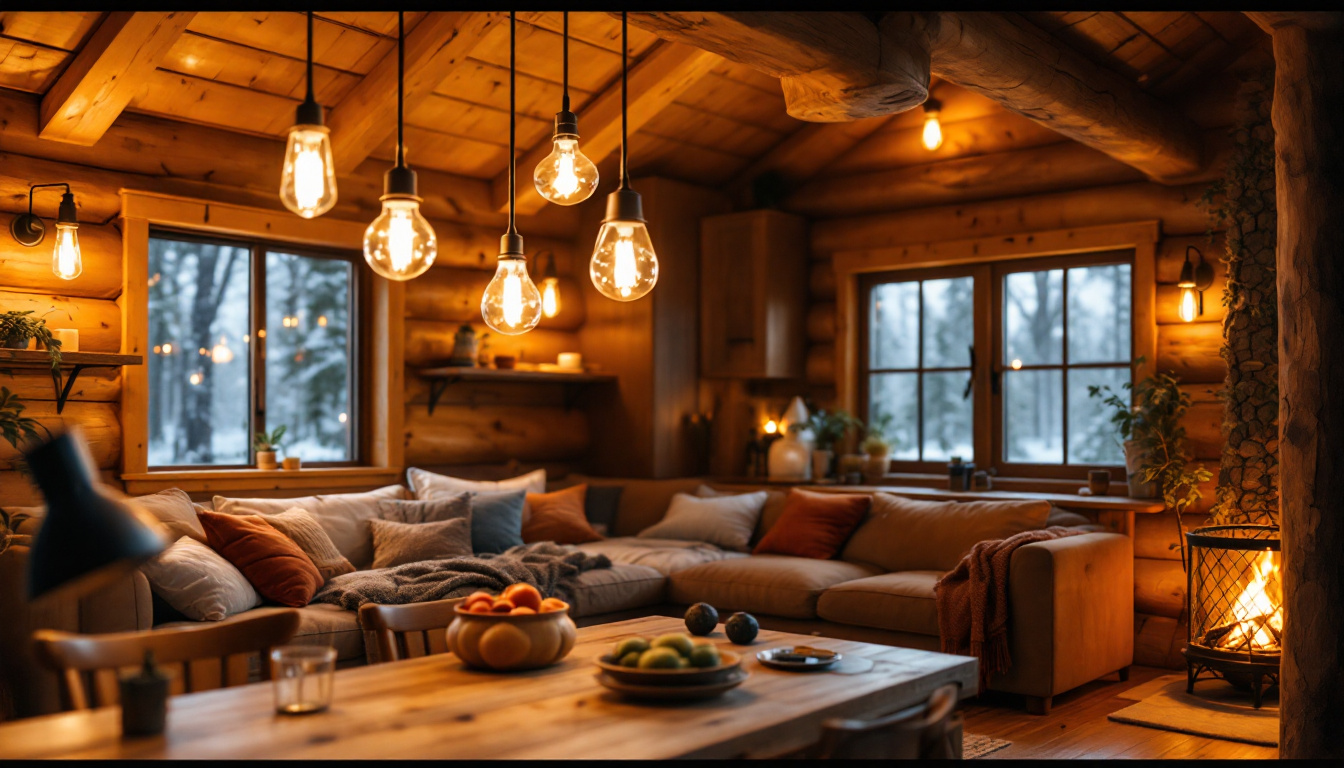
Pendant lights hang from the ceiling and can serve as both functional and decorative elements. They are often used over kitchen islands, dining tables, or entryways. The versatility of pendant lights means they can be found in a myriad of styles, from sleek and modern to rustic and vintage, making them suitable for various interior aesthetics.
- Design Element: Pendant lights can be a focal point in a room, adding character and style.
- Task Lighting: They provide direct light where needed, making them effective for tasks like cooking or reading.
While pendant lights can enhance the visual appeal of a space, they may not be suitable for low ceilings or areas where unobtrusive lighting is preferred. Furthermore, the height at which they are hung can dramatically affect both their functionality and the overall look of the room, requiring careful consideration during installation.
Wall Sconces
Wall sconces are fixtures attached to walls, providing ambient or accent lighting. They can enhance the atmosphere of a room and are often used in hallways, living rooms, and bedrooms. These fixtures can be particularly effective in creating layers of light, which is essential for achieving a well-balanced and inviting space.
- Ambient Lighting: Sconces can create a warm, inviting atmosphere by providing soft, diffused light.
- Space-Saving: They do not take up floor space, making them ideal for smaller areas.
However, wall sconces may not offer the same level of direct lighting as can lights, which can be a consideration in task-oriented spaces. Additionally, the choice of bulb and shade can significantly alter the mood of the room; for instance, using a frosted glass shade can soften the light, while a clear shade can provide a more focused beam. The placement of sconces can also play a crucial role in enhancing architectural features or artwork, drawing the eye to specific elements within the space.
Comparing Can Lights with Alternatives
When choosing between can lights and their alternatives, several factors come into play. Each option has its pros and cons, and understanding these can help contractors make the right choice for their projects.
Installation Considerations
Installation requirements can vary significantly between can lights and alternatives:
- Can Lights: Require cutting into the ceiling and may involve more complex electrical work, especially for new constructions.
- Track Lighting: Generally easier to install, as they can be mounted directly to the ceiling without cutting into it.
- Pendant Lights: Require ceiling mounts and may need additional electrical work, but are often simpler than can lights.
- Wall Sconces: Typically straightforward to install, requiring only wall mounts and electrical connections.
Contractors should consider the complexity of installation when recommending lighting options to clients, as this can impact project timelines and costs.
Lighting Quality and Aesthetics
The quality of light and the overall aesthetic appeal are critical factors in lighting design:
- Can Lights: Provide a clean, modern look and can be used to create even lighting throughout a space.
- Track Lighting: Offers versatility in directing light, but may not provide the same seamless look as can lights.
- Pendant Lights: Serve as decorative elements and can enhance a room’s style, but may create shadows if not positioned correctly.
- Wall Sconces: Add warmth and character, but may not provide sufficient light for tasks.
Contractors should assess the desired ambiance and functionality of each space to determine which lighting solution will best meet their clients’ needs.
Cost Considerations
Cost is an essential factor in any lighting project, and different options can vary significantly in price:
Initial Investment
The initial cost of fixtures and installation can influence a contractor’s choice:
- Can Lights: Generally have a higher upfront cost due to the need for housing and installation complexity.
- Track Lighting: Often more affordable, especially for larger spaces, as they can cover more area with fewer fixtures.
- Pendant Lights: Prices can vary widely based on design, but they can be cost-effective for specific applications.
- Wall Sconces: Typically less expensive than can lights, making them a budget-friendly option.
Contractors should provide clients with a clear understanding of the costs associated with each option to help them make informed decisions.
Long-Term Value
Beyond initial costs, long-term value is an important consideration:
- Can Lights: Offer energy-efficient options and can increase property value due to their modern appeal.
- Track Lighting: Provides flexibility, which can be advantageous for changing design needs over time.
- Pendant Lights: Can serve as statement pieces, potentially enhancing the overall value of a home.
- Wall Sconces: While often less expensive, they may require more frequent bulb replacements if not chosen wisely.
Evaluating the long-term benefits of each lighting solution can help contractors guide clients toward investments that will serve them well over time.
Conclusion: Making the Right Choice
Choosing the right lighting solution is crucial for any project, and understanding the strengths and weaknesses of can lights versus alternatives is vital for lighting contractors. Can lights offer a sleek, modern look and versatility, while alternatives like track lighting, pendant lights, and wall sconces provide unique benefits that may better suit specific applications.
Ultimately, the decision should be based on the specific needs of the space, the desired aesthetic, installation considerations, and budget constraints. By thoroughly evaluating these factors, contractors can provide clients with the best lighting solutions that enhance both functionality and design.
In a world where lighting plays a pivotal role in creating ambiance and functionality, staying informed about the latest trends and technologies is essential for lighting contractors. Whether opting for can lights or exploring alternatives, the right choice can significantly impact the success of any lighting project.
Illuminate Your Projects with LumenWholesale
Ready to elevate your lighting projects with the best in spec-grade fixtures? At LumenWholesale, we provide lighting contractors with an exceptional range of high-quality lighting products at wholesale prices that simply can’t be beaten. Our commitment to quality and affordability ensures that you can light up any space with confidence, knowing you’re backed by the highest industry standards. Make the smart choice for your next project and take advantage of our hassle-free bulk buying and free shipping. Discover the perfect fusion of quality, value, and convenience. Visit LumenWholesale now for Wholesale Lighting at the Best Value.