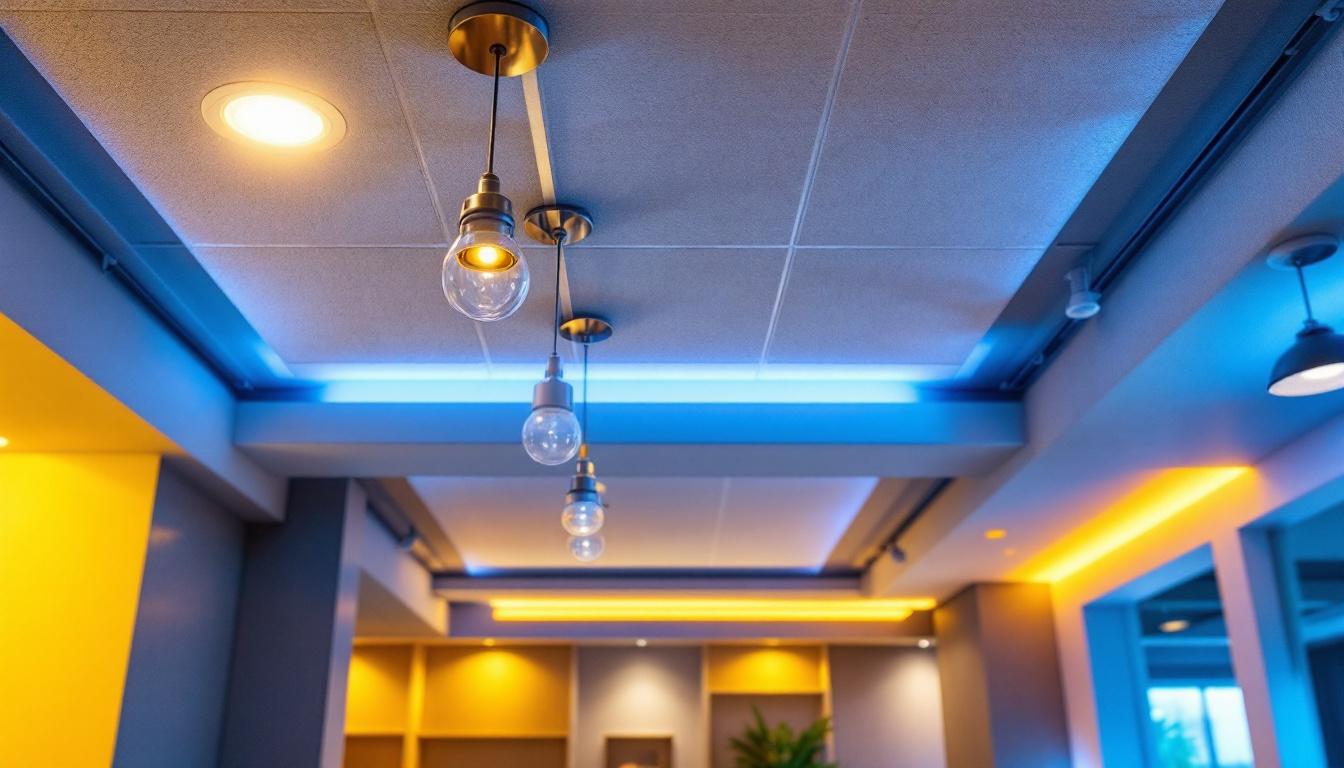
In the world of electrical installations, the 3 wire switch configuration is a common yet often misunderstood setup. For lighting contractors, understanding the nuances of this system is crucial for ensuring safety, efficiency, and client satisfaction. This guide aims to illuminate the key aspects of 3 wire switches, highlighting potential pitfalls and providing best practices for successful installations.
Understanding the 3 Wire Switch Configuration
The 3 wire switch system typically consists of three wires: a hot wire, a neutral wire, and a ground wire. This configuration is designed to control lighting fixtures from one or more locations, offering flexibility and convenience in residential and commercial settings.
In essence, the hot wire carries the electrical current to the switch, while the neutral wire returns the current to the electrical panel. The ground wire serves as a safety feature, preventing electrical shocks and ensuring the system’s integrity. Understanding the roles of these wires is fundamental for any lighting contractor.
Components of a 3 Wire Switch
To effectively work with a 3 wire switch, it’s essential to familiarize oneself with its components. The main elements include the switch itself, the wiring, and the light fixture. Each component must be compatible and correctly installed to ensure optimal performance.
Moreover, the type of switch used can vary. Standard toggle switches, dimmer switches, and smart switches all have unique wiring requirements. Therefore, contractors should always refer to the manufacturer’s specifications and installation guidelines to avoid any mishaps. Additionally, it’s worth noting that the quality of the components can significantly impact the longevity and reliability of the installation. Using high-grade materials can prevent issues such as overheating or electrical failures, which are often caused by inferior products.
Common Applications
3 wire switches are commonly used in various applications, from residential lighting to commercial installations. They are particularly advantageous in scenarios where multiple switches control a single light fixture, such as in hallways or large rooms.
Additionally, these switches are ideal for dimming applications, allowing for greater control over lighting levels. Understanding the specific needs of a project can help contractors determine the best use of 3 wire switches, ensuring that they meet both functional and aesthetic requirements. For instance, in a restaurant setting, the ability to adjust lighting can create a desired ambiance that enhances the dining experience. Similarly, in retail spaces, adjustable lighting can highlight products effectively, influencing customer behavior and sales. This versatility makes the 3 wire switch configuration a popular choice across various industries, emphasizing its importance in modern electrical design.
Potential Pitfalls in 3 Wire Switch Installations
Despite their advantages, 3 wire switches can present several challenges if not installed correctly. Awareness of these potential pitfalls can help contractors avoid costly mistakes and ensure a seamless installation process.
Improper Wiring Connections
One of the most common issues encountered during installation is improper wiring connections. Each wire must be connected to the correct terminal on the switch and fixture. Misconnections can lead to circuit failures, flickering lights, or even electrical hazards.
Contractors should always double-check their connections, using a multimeter to verify that the correct voltage is present at each point. This step is crucial, especially in complex installations where multiple switches and fixtures are involved. Additionally, it is advisable to label wires during the installation process to prevent confusion later on. A simple labeling system can save time and reduce the risk of errors when troubleshooting or making future modifications.
Neglecting Grounding Practices
Grounding is a critical aspect of electrical safety that is often overlooked. In a 3 wire switch configuration, the ground wire must be properly connected to both the switch and the fixture. Failure to do so can result in dangerous situations, including electrical shocks or fires.
Contractors should ensure that all grounding connections are secure and compliant with local electrical codes. Additionally, using high-quality grounding materials can enhance the overall safety of the installation. It is also worth considering the environmental factors that may affect grounding, such as moisture levels and soil conductivity, particularly in outdoor installations. These factors can influence the effectiveness of grounding systems and should be taken into account during the planning stage.
Ignoring Local Electrical Codes
Each region has its own set of electrical codes and regulations that govern installations. Ignoring these codes can lead to significant legal and safety issues. Lighting contractors must stay informed about the local codes that pertain to 3 wire switch installations.
Regular training and continuous education can help contractors stay updated on any changes to these regulations. Consulting with local authorities or experienced professionals can also provide valuable insights into compliance requirements. Furthermore, keeping a comprehensive reference library of local codes and standards can be beneficial. This resource can serve as a quick guide during installations and help ensure that all work meets the necessary legal and safety standards, ultimately protecting both the contractor and the client from potential liabilities.
Best Practices for Successful Installations
To mitigate potential pitfalls and ensure successful installations, lighting contractors should adhere to a set of best practices. These guidelines not only enhance safety but also improve efficiency and client satisfaction.
Thorough Planning and Design
Before starting any installation, thorough planning and design are essential. This phase includes assessing the project requirements, determining the optimal placement of switches and fixtures, and creating a detailed wiring diagram.
Contractors should also consider the aesthetic aspects of the installation, ensuring that the switches and fixtures complement the overall design of the space. A well-thought-out plan can streamline the installation process and minimize the risk of errors. Furthermore, engaging with clients during this planning stage can help clarify their vision and expectations, allowing for adjustments that align with their preferences. This collaborative approach not only enhances the final outcome but also builds a stronger client-contractor relationship.
Utilizing Quality Materials
Investing in high-quality materials is crucial for the longevity and safety of any electrical installation. This includes selecting reliable switches, durable wiring, and robust fixtures. Quality materials not only enhance performance but also reduce the likelihood of future issues.
Contractors should source their materials from reputable suppliers and verify that all components meet industry standards. This diligence can lead to more satisfied clients and fewer callbacks for repairs. Additionally, it is beneficial to stay informed about the latest advancements in lighting technology and materials, as innovations can offer improved energy efficiency and aesthetic appeal. By incorporating cutting-edge products, contractors can elevate their installations and provide clients with modern solutions that stand the test of time.
Conducting Post-Installation Testing
After completing the installation, conducting thorough testing is a vital step that should never be skipped. This process involves checking all connections, verifying the functionality of the switches, and ensuring that the lighting operates as intended.
Using a multimeter to test voltage levels and continuity can help identify any potential issues before the project is considered complete. Additionally, encouraging clients to test the system and provide feedback can foster trust and satisfaction. It is also advisable to document the testing process, including any adjustments made, as this can serve as a valuable reference for future maintenance or upgrades. Providing clients with a comprehensive overview of the installation, including warranties and maintenance tips, can further enhance their confidence in the work performed and promote long-term satisfaction with the installation.
Advanced Techniques for Enhanced Functionality
As technology continues to evolve, lighting contractors have access to advanced techniques and tools that can enhance the functionality of 3 wire switch installations. Incorporating these innovations can set contractors apart in a competitive market.
Smart Home Integration
With the rise of smart home technology, integrating smart switches into 3 wire configurations has become increasingly popular. These devices allow homeowners to control their lighting remotely, set schedules, and even adjust brightness levels through mobile applications.
Contractors should familiarize themselves with various smart switch options and their compatibility with existing wiring. Proper installation and configuration can lead to a more modern and appealing lighting solution for clients.
Dimmer Switch Installations
Dimmer switches are another excellent enhancement for 3 wire switch systems. They provide users with the ability to adjust lighting levels according to their preferences, creating a more versatile atmosphere.
When installing dimmer switches, it’s essential to ensure that they are compatible with the type of bulbs being used, as some dimmers may not work well with LED or CFL bulbs. Understanding the specifications of both the dimmer and the lighting fixtures can prevent issues and improve user experience.
Utilizing Wireless Technology
Wireless technology is revolutionizing the way lighting systems are designed and controlled. Wireless switches and remote controls can be integrated into 3 wire systems, offering users greater flexibility and convenience.
Contractors should explore various wireless options and consider how they can be incorporated into existing installations. This approach not only enhances functionality but can also appeal to tech-savvy clients looking for modern solutions.
Conclusion
The 3 wire switch configuration is a fundamental aspect of modern electrical installations, offering flexibility and control for lighting systems. However, it comes with its own set of challenges that lighting contractors must navigate to ensure successful projects.
By understanding the components, recognizing potential pitfalls, and adhering to best practices, contractors can enhance their installations and provide clients with reliable, efficient lighting solutions. Embracing advanced techniques and staying informed about industry trends will further elevate a contractor’s expertise and service offerings.
Ultimately, a well-executed 3 wire switch installation not only meets the immediate needs of clients but also contributes to the long-term safety and satisfaction of their lighting systems.
Get Your Premium Lighting Supplies at LumenWholesale
Ready to tackle your next 3 wire switch installation with confidence? Equip yourself with the best tools for the job at LumenWholesale. Our extensive selection of spec-grade lighting products ensures that you have access to reliable and high-performance materials for any project. Say goodbye to inflated markups and hello to unbeatable wholesale prices, all while enjoying the convenience of free shipping on bulk orders. Don’t compromise on quality or value—choose Wholesale Lighting at the Best Value and make LumenWholesale your go-to source for all your lighting needs.