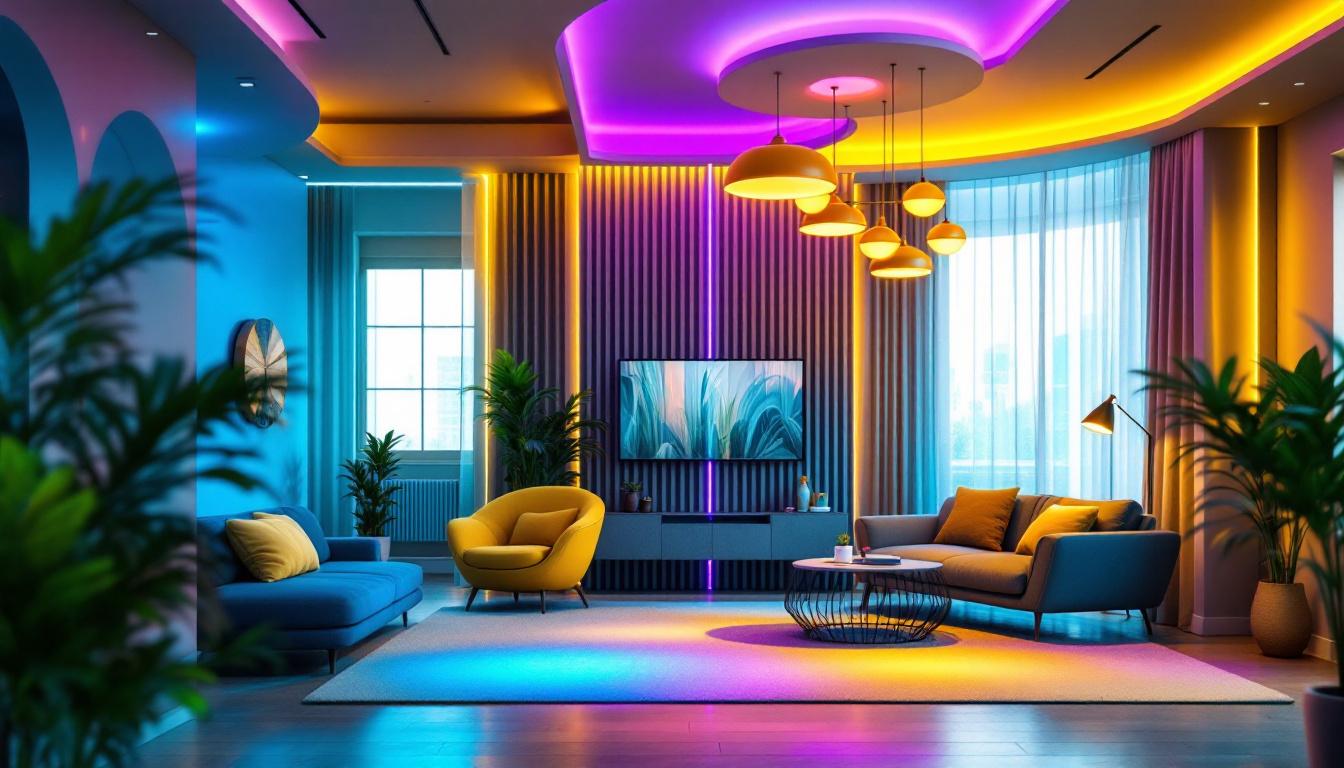
In the ever-evolving world of lighting technology, LED lighting that changes colors has emerged as a transformative solution for both residential and commercial spaces. For lighting contractors, understanding the intricacies of color-changing LED systems is essential to meet client demands and stay ahead in a competitive market. This article delves into the fundamental aspects of color-changing LED lighting, offering insights and practical knowledge that can enhance service offerings and client satisfaction.
Understanding Color-Changing LED Technology
Color-changing LED lights utilize a combination of red, green, and blue (RGB) diodes to create a vast spectrum of colors. By adjusting the intensity of each diode, these lights can produce millions of different hues, enabling dynamic lighting effects that can transform any space. This technology not only enhances aesthetics but also allows for practical applications in various settings, from homes to commercial spaces, making it a popular choice for modern lighting solutions.
The Basics of RGB Color Mixing
The RGB color model is foundational to color-changing LED technology. Each color is created by varying the intensity of the red, green, and blue components. By mixing these three colors in different proportions, lighting contractors can achieve a wide array of colors, from soft pastels to vibrant neons. Understanding this basic principle allows contractors to explain the technology to clients and help them visualize the possibilities.
For example, combining red and green at full intensity produces yellow, while mixing all three colors at full intensity results in white light. Additionally, subtle adjustments can create a range of shades that can evoke different emotions or set specific moods. This capability is particularly useful in environments like restaurants or theaters, where lighting can significantly impact the overall experience. By mastering RGB mixing, contractors can tailor lighting designs to meet the unique needs of each project.
Types of Color-Changing LED Lights
There are several types of color-changing LED lights available on the market, each suited for different applications. Some common types include:
- RGB LED Strips: Flexible and versatile, these strips can be used for accent lighting, under-cabinet lighting, and more. Their adhesive backing makes installation easy, allowing for creative placements that can highlight architectural features or create visual interest in any room.
- RGBW LED Bulbs: These bulbs include a white diode, allowing for a broader range of color temperatures and a more natural white light. This feature is particularly beneficial for spaces where true color rendering is essential, such as art studios or retail environments.
- Smart LED Lights: These lights can be controlled via smartphone apps or smart home systems, offering convenience and customization. Users can schedule lighting changes, sync lights with music, or even create dynamic light shows, making them ideal for parties or events.
Benefits of Color-Changing LED Lighting
Color-changing LED lighting offers numerous advantages that appeal to both contractors and their clients. Some of the most notable benefits include:
- Energy Efficiency: LEDs are known for their low energy consumption, making them an environmentally friendly choice. This efficiency not only reduces electricity bills but also contributes to a lower carbon footprint, aligning with the growing trend toward sustainability.
- Longevity: LED lights have a longer lifespan compared to traditional lighting options, reducing replacement costs. Many LEDs can last up to 25,000 hours or more, which means less frequent changes and less waste in landfills.
- Versatility: The ability to change colors allows for creative lighting designs that can enhance the mood and ambiance of any space. This adaptability makes them perfect for seasonal decorations, special occasions, or simply changing the atmosphere of a room with the click of a button.
Moreover, the integration of smart technology with color-changing LEDs has opened up new possibilities for automation and remote control. Homeowners can set their lighting to adjust automatically based on the time of day or their activities, creating a seamless and intuitive living environment. This level of customization not only enhances user experience but also promotes energy savings by ensuring lights are only used when needed.
Installation Considerations for Lighting Contractors
While color-changing LED lights offer exciting possibilities, proper installation is crucial to ensure optimal performance and client satisfaction. Here are some key considerations for lighting contractors:
Planning the Layout
Before installation, a well-thought-out plan is essential. Contractors should consider the intended use of the space, the desired lighting effects, and the placement of fixtures. For instance, accent lighting may require different placements compared to general illumination.
Additionally, understanding the client’s preferences and how they envision using the color-changing features will guide the design process. Engaging with clients during this stage fosters collaboration and ensures the final outcome aligns with their expectations.
Electrical Requirements
Color-changing LED systems often come with specific electrical requirements. Contractors must ensure that the existing wiring can support the new fixtures, particularly if multiple lights are installed in a single circuit. It may be necessary to upgrade wiring or add dedicated circuits to accommodate the increased load.
Furthermore, understanding the power supply requirements for RGB systems is essential. Some lights may require a compatible driver or controller to function correctly, and these components should be factored into the overall installation plan.
Control Systems and Compatibility
Many color-changing LED lights can be controlled through various systems, including remote controls, wall switches, and smartphone applications. Contractors should familiarize themselves with the different control options available and choose systems that best suit the client’s needs.
Additionally, compatibility with smart home systems is increasingly important. Many clients may desire integration with platforms like Google Home or Amazon Alexa, allowing for voice control and automation. Ensuring compatibility can enhance the overall user experience and add value to the installation.
Designing with Color-Changing LED Lights
Incorporating color-changing LED lights into design projects opens up a realm of creative possibilities. Lighting contractors can leverage these options to craft unique environments that resonate with clients’ visions.
Creating Ambiance
Color-changing LEDs can dramatically influence the ambiance of a space. For example, warm tones can create a cozy atmosphere in residential settings, while cooler tones can enhance focus in commercial environments. By understanding the psychological effects of color, contractors can guide clients in selecting the appropriate hues for their spaces.
Moreover, the ability to change colors allows for adaptability. A space can be transformed from a vibrant, energetic environment during the day to a calm, relaxing space at night with just a few clicks. This versatility is particularly appealing for venues like restaurants, event spaces, and homes.
Highlighting Architectural Features
Color-changing LED lights can be strategically used to highlight architectural features, artwork, or landscaping. By placing lights in specific locations, contractors can draw attention to focal points, creating visual interest and enhancing the overall design.
For instance, uplighting can accentuate the texture of a wall or the shape of a sculpture, while downlighting can create a dramatic effect on outdoor landscapes. The flexibility of color-changing LEDs allows for experimentation and innovation in design.
Seasonal and Event-Based Lighting
Another exciting application of color-changing LEDs is their ability to adapt to seasonal themes or special events. For example, a home can be illuminated in festive colors during holidays, while a commercial space can change its lighting to match seasonal promotions or events.
This adaptability not only enhances the aesthetic appeal but also allows businesses to create a memorable experience for customers. Contractors can work with clients to develop lighting plans that incorporate these dynamic changes, ensuring their spaces remain fresh and engaging throughout the year.
Maintenance and Troubleshooting
To ensure longevity and optimal performance, regular maintenance of color-changing LED systems is crucial. Lighting contractors should educate clients on the best practices for maintaining their systems.
Regular Inspections
Conducting regular inspections can help identify potential issues before they escalate. Contractors should recommend checking connections, ensuring that all components are functioning correctly, and looking for any signs of wear or damage.
Additionally, clients should be advised on how to clean fixtures properly. Dust and debris can accumulate, diminishing the effectiveness of the lighting. Simple cleaning methods can significantly enhance performance and longevity.
Troubleshooting Common Issues
Even with proper maintenance, issues may arise. Common problems include flickering lights, color inconsistencies, or complete failure of the system. Contractors should be prepared to troubleshoot these issues effectively.
For instance, flickering lights may indicate a loose connection or an incompatible dimmer switch. Understanding the common pitfalls can help contractors provide quick solutions and maintain client satisfaction.
Upgrading Systems
As technology continues to advance, clients may express interest in upgrading their existing color-changing LED systems. Contractors should stay informed about the latest innovations and be prepared to offer recommendations for enhancements.
This could include upgrading to more advanced control systems, integrating smart home features, or replacing outdated fixtures with newer, more efficient models. By providing upgrade options, contractors can help clients maximize their investment in lighting technology.
Conclusion
Color-changing LED lighting represents a significant advancement in the lighting industry, offering versatility, energy efficiency, and creative possibilities. For lighting contractors, understanding the technology, installation considerations, design applications, and maintenance practices is essential to deliver exceptional service and meet client expectations.
By staying informed about the latest trends and best practices, contractors can position themselves as experts in color-changing LED lighting, ultimately enhancing their business prospects and client relationships. Embracing this innovative technology not only elevates the quality of lighting projects but also opens doors to new opportunities in a rapidly changing market.
Illuminate Your Projects with LumenWholesale
Ready to elevate your lighting projects with the vibrant versatility of color-changing LED lights? At LumenWholesale, we provide lighting contractors with the highest quality, spec-grade lighting products at prices that can’t be beaten. Say goodbye to local distributor markups and hello to our extensive selection that meets rigorous industry standards. With free shipping on bulk orders, you can trust that you’re getting premium lighting solutions at the best value, with no hidden fees. Make your next project shine with the perfect blend of quality, affordability, and convenience. Visit LumenWholesale today for Wholesale Lighting at the Best Value.