Lighting plays a crucial role in enhancing the aesthetics and functionality of any space. For lighting contractors, understanding the nuances of track lighting and the various light bulb options available is essential for delivering optimal results to clients. This article provides expert advice on selecting the right light bulbs for track lights, ensuring that contractors can meet both design and performance expectations.
Understanding Track Lighting
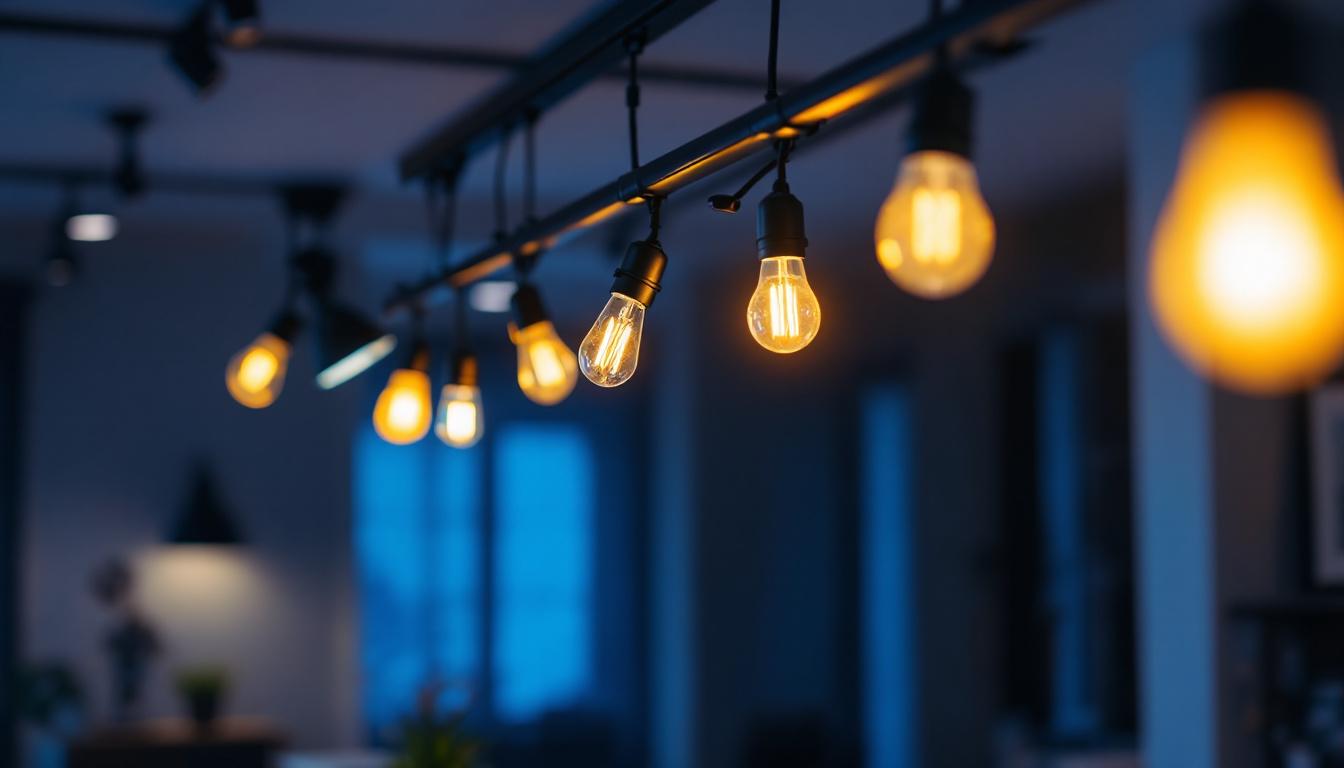
Track lighting is a versatile and popular choice for illuminating various environments, from residential spaces to commercial settings. It consists of a series of lights mounted on a track, allowing for adjustable positioning and direction. This flexibility enables contractors to highlight specific areas or features within a room, making it an ideal solution for galleries, retail stores, and homes. The aesthetic appeal of track lighting also plays a significant role in its popularity; it can serve as both a functional light source and a design element that enhances the overall decor of a space.
One of the key advantages of track lighting is its ability to accommodate different types of light bulbs. However, selecting the right bulb can be a daunting task, given the multitude of options available in the market. Understanding the different types of bulbs and their characteristics is essential for making informed decisions that align with the client’s needs. Additionally, the choice of bulb can affect not only the ambiance of the space but also energy consumption and maintenance costs over time, making it a critical consideration for both homeowners and business owners alike.
Types of Track Lighting Systems
Before diving into the specifics of light bulbs, it’s important to understand the different types of track lighting systems available. The two main categories are line voltage and low voltage systems. Line voltage systems operate at 120 volts and are compatible with standard household light bulbs. On the other hand, low voltage systems typically operate at 12 volts and require a transformer to step down the voltage. This distinction is crucial, as it influences not only the installation process but also the overall performance of the lighting system.
Low voltage systems often provide enhanced energy efficiency and a wider range of bulb options, including halogen and LED. Understanding the differences between these systems will help contractors choose the appropriate bulbs that not only fit the physical track but also meet the electrical requirements. Moreover, low voltage systems tend to produce less heat, making them a safer choice in environments where heat buildup could be a concern, such as in art galleries where delicate materials are displayed.
Common Light Bulb Options
When it comes to light bulbs for track lighting, several options are commonly used. Each type offers distinct benefits and drawbacks, making it imperative for contractors to assess the specific needs of their projects. The choice of bulb can significantly impact the quality of light, energy efficiency, and even the longevity of the lighting system itself, which is why a thorough understanding of these options is essential.
- Incandescent Bulbs: These traditional bulbs provide warm, inviting light and are widely available. However, they are less energy-efficient and have a shorter lifespan compared to newer technologies. Their warm glow is often favored in residential settings, creating a cozy atmosphere in living rooms and bedrooms.
- Halogen Bulbs: A type of incandescent bulb, halogen lights are more energy-efficient and have a longer lifespan. They produce a bright, white light that enhances color rendering, making them suitable for art galleries and retail spaces. Their ability to focus light allows for dramatic effects, drawing attention to specific products or artworks.
- LED Bulbs: LED technology has revolutionized lighting with its exceptional energy efficiency and long lifespan. Available in various color temperatures, LEDs can mimic the warm glow of incandescent bulbs or provide cooler, more modern lighting options. Additionally, their low heat output and durability make them an ideal choice for high-traffic areas, reducing the need for frequent replacements.
Factors to Consider When Choosing Light Bulbs
Selecting the right light bulb for track lighting involves several considerations. These factors not only affect the performance of the lighting system but also influence the overall aesthetic and functionality of the space.
Color Temperature
Color temperature is measured in Kelvin (K) and indicates the warmth or coolness of the light emitted by a bulb. For residential spaces, bulbs in the range of 2700K to 3000K provide a warm, inviting ambiance. In contrast, cooler temperatures, such as 4000K to 5000K, are often preferred in commercial settings where bright, clear light is necessary.
Contractors should consider the purpose of the space and the desired mood when selecting color temperatures. Additionally, it’s essential to ensure consistency in color temperature across different fixtures to create a cohesive lighting design.
Lumen Output
Lumen output measures the brightness of a light bulb. The higher the lumen count, the brighter the light. When selecting bulbs for track lighting, contractors must assess the intended use of the space and the amount of light required.
For example, a retail store may need higher lumen output to highlight products effectively, while a residential space may require softer lighting for a cozy atmosphere. Understanding the lumen requirements will guide contractors in choosing the appropriate bulbs to achieve the desired brightness.
Energy Efficiency
Energy efficiency is a critical consideration for both environmental impact and cost savings. LED bulbs are the most energy-efficient option, consuming significantly less power than incandescent or halogen bulbs while providing the same or greater light output.
Incorporating energy-efficient bulbs not only reduces electricity bills for clients but also aligns with sustainable practices. Contractors should educate clients on the long-term benefits of investing in energy-efficient lighting solutions, which can lead to substantial savings over time.
Compatibility with Track Lighting Fixtures
Not all light bulbs are compatible with every track lighting fixture. It is essential for contractors to ensure that the selected bulbs fit the specific track system being used. This includes considering the base type, wattage, and any additional features that may be required.
Base Types
Track lighting fixtures typically use specific base types, such as GU10, MR16, or PAR. Each base type has its unique characteristics and requires corresponding bulbs. Contractors should familiarize themselves with the various base types and ensure that the bulbs chosen are compatible with the fixtures being installed.
Wattage Considerations
Wattage refers to the amount of energy a bulb consumes. It is crucial to adhere to the wattage limits specified by the track lighting system to prevent overheating and potential damage. Exceeding the recommended wattage can lead to safety hazards and decreased lifespan of the bulbs.
Contractors should always check the specifications of the track lighting system and choose bulbs that fall within the recommended wattage range. This ensures both safety and optimal performance of the lighting installation.
Installation Tips for Lighting Contractors
Proper installation of track lighting is essential for achieving the best results. Here are some tips to ensure a successful installation process.
Planning the Layout
Before installation, it is important to plan the layout of the track lighting system. Consider the areas that need illumination and the specific features that should be highlighted. This planning stage will help determine the number of fixtures needed and their placement.
Using a lighting design software or creating a simple sketch can aid in visualizing the layout and ensuring that all areas are adequately lit. Additionally, it allows for adjustments before any physical installation takes place.
Testing the System
Once the track lighting is installed, it is crucial to test the system before finalizing the project. This includes checking the functionality of each fixture, ensuring that the bulbs are properly seated, and verifying that the desired brightness and color temperature are achieved.
Testing the system allows contractors to make any necessary adjustments and address potential issues before completing the installation. This step is vital for ensuring client satisfaction and delivering a high-quality lighting solution.
Maintenance and Replacement of Bulbs
Signs of Burnout
Light bulbs have a finite lifespan, and it is important to recognize the signs of burnout. Flickering lights, dimming brightness, or complete failure to illuminate are common indicators that a bulb needs replacement. Contractors should advise clients on how to identify these signs and encourage them to replace bulbs promptly to maintain consistent lighting quality.
Proper Disposal
With the rise of energy-efficient lighting solutions, proper disposal of light bulbs has become increasingly important. Contractors should educate clients on the appropriate disposal methods for different types of bulbs, especially for LEDs and compact fluorescent lamps (CFLs), which may contain hazardous materials.
Encouraging clients to recycle their old bulbs not only supports environmental sustainability but also promotes responsible practices within the community.
Conclusion
Choosing the right light bulbs for track lighting is a critical aspect of any lighting contractor’s work. By understanding the different bulb types, considering essential factors such as color temperature and lumen output, and ensuring compatibility with track systems, contractors can deliver exceptional lighting solutions that meet their clients’ needs.
Furthermore, proper installation, maintenance, and education on bulb replacement will enhance the longevity and performance of track lighting systems. Ultimately, a well-informed contractor can provide clients with not only beautiful lighting but also energy-efficient and sustainable solutions that stand the test of time.
Get Your Track Lighting Bulbs at LumenWholesale
Ready to elevate your lighting projects with the right track lighting bulbs? Look no further than LumenWholesale for a vast selection of spec-grade lighting products at unbeatable wholesale prices. Our commitment to quality and affordability ensures that you can provide your clients with energy-efficient and sustainable lighting solutions without breaking the bank. Take advantage of our hassle-free bulk buying and free shipping to get the best value for your lighting needs. Discover wholesale lighting at the best value and make LumenWholesale your go-to source for premium lighting products.