Low voltage track lighting has become an essential component in modern lighting design, offering versatility and efficiency for various applications. For lighting contractors, understanding the intricacies of low voltage systems is crucial for delivering quality installations that meet client expectations. This article delves into the key aspects of low voltage track lighting, including its benefits, installation techniques, and best practices.
Understanding Low Voltage Track Lighting
Low voltage track lighting operates on a voltage of 12 to 24 volts, making it a safer and more energy-efficient alternative to traditional line voltage systems. The reduced voltage not only minimizes the risk of electrical shock but also allows for longer runs of lighting fixtures without significant voltage drop.
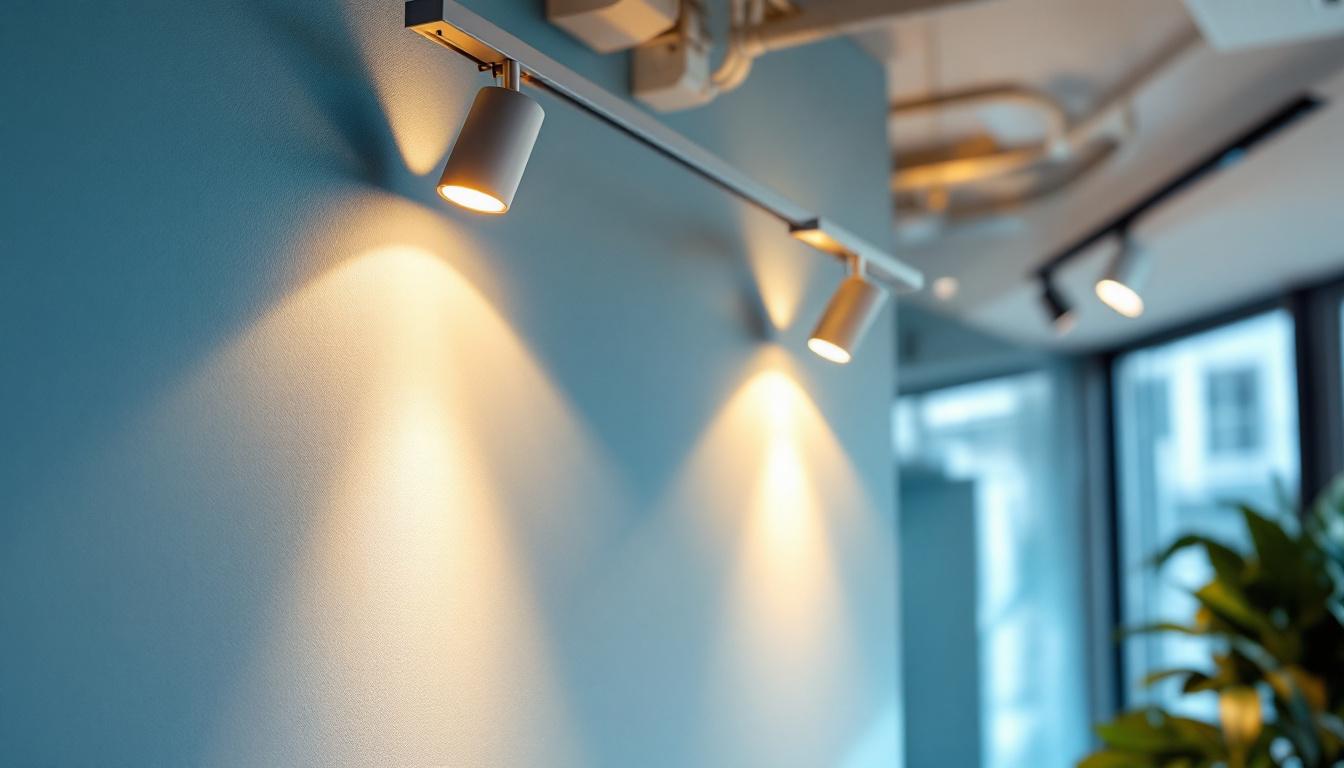
Track lighting systems consist of a track, which is mounted to the ceiling or wall, and a variety of fixtures that can be positioned anywhere along the track. This flexibility makes low voltage track lighting ideal for both residential and commercial applications, as it can easily adapt to changing design needs. For instance, in a home, track lighting can be adjusted to highlight artwork or architectural features, while in a commercial setting, it can be repositioned to accommodate seasonal displays or new product lines.
Components of Low Voltage Track Lighting
To effectively work with low voltage track lighting, it is essential to understand its main components. These include the track, transformers, fixtures, and connectors.
The track serves as the backbone of the system, providing a pathway for electrical current and supporting the fixtures. Transformers are necessary to convert standard line voltage to low voltage, ensuring the system operates safely and efficiently. Fixtures come in various styles and types, including spotlights, floodlights, and pendant lights, allowing for creative lighting solutions. The choice of fixture can dramatically alter the mood of a space; for example, warm white spotlights can create an inviting atmosphere, while cooler tones may lend a more modern, sleek feel.
Connectors are used to join multiple tracks or to connect fixtures to the track. Understanding how these components work together is vital for successful installations and troubleshooting. Moreover, many modern systems now offer wireless connectors, which simplify the installation process and enhance the overall aesthetic by minimizing visible wiring. This innovation allows for a cleaner look, making it easier to integrate track lighting seamlessly into various design schemes.
Benefits of Low Voltage Track Lighting
One of the most significant advantages of low voltage track lighting is its energy efficiency. By using less electricity, these systems can reduce utility bills while providing ample illumination. Additionally, low voltage fixtures tend to have a longer lifespan compared to their line voltage counterparts, resulting in lower maintenance costs over time. This longevity is particularly beneficial in commercial environments where frequent bulb changes can disrupt business operations and incur additional labor costs.
Another benefit is the aesthetic flexibility that low voltage track lighting offers. With a wide range of fixture styles and the ability to position them anywhere along the track, contractors can create unique lighting designs that enhance the overall ambiance of a space. This adaptability is particularly valuable in retail environments, where lighting can significantly influence customer experience and product presentation. For example, adjustable fixtures can be directed to spotlight specific merchandise, drawing attention and encouraging purchases. Furthermore, the ability to dim low voltage track lighting allows for mood-setting, making it easier to transition from bright, vibrant settings during peak hours to softer, more intimate lighting during quieter times.
Installation Techniques
Proper installation of low voltage track lighting is critical to ensure safety, functionality, and longevity. Lighting contractors must be familiar with the best practices for installation, including planning, mounting, and wiring.
Planning the Layout
Before installation begins, it is essential to plan the layout of the track lighting system. This involves determining the desired locations for fixtures based on the specific lighting needs of the space. Considerations should include the type of activities that will occur in the area, the desired level of illumination, and any architectural features that may influence the lighting design.
Using a lighting design software or hand-drawn plans can help visualize the layout and ensure that the track is installed in the most effective manner. It is also important to account for any obstructions, such as ceiling fans or beams, that may interfere with the track’s placement. Additionally, think about the color temperature of the bulbs to create the desired ambiance; warmer tones can create a cozy atmosphere, while cooler tones are ideal for workspaces or areas requiring focus.
Mounting the Track
Once the layout is finalized, the next step is to mount the track. This process typically involves securing the track to the ceiling or wall using appropriate hardware. For ceiling-mounted systems, ensure that the track is attached to ceiling joists or other sturdy supports to prevent sagging or detachment.
It is advisable to use a level during installation to ensure the track is straight, as this will affect the appearance and functionality of the fixtures. Additionally, consider the height at which the track is mounted, as this will impact the distribution of light in the space. If the room has high ceilings, longer track lengths may be necessary to effectively illuminate the area, while in lower ceilings, a more compact setup can help avoid overwhelming the space.
Wiring and Connecting Fixtures
Wiring low voltage track lighting requires careful attention to detail. Begin by installing the transformer, which should be placed in a location that allows for easy access for future maintenance. Follow the manufacturer’s instructions for connecting the transformer to the power supply and track.
When connecting fixtures, ensure that they are compatible with the track system being used. Most low voltage tracks utilize a simple plug-and-play mechanism, but it is essential to verify the connection type to avoid any issues. After connecting the fixtures, test the system to ensure all components are functioning correctly before finalizing the installation. Furthermore, consider incorporating dimmer switches into the wiring setup; this allows for greater control over the lighting intensity, enabling you to adjust the mood of the space according to different activities or times of day. Lastly, always adhere to local electrical codes and regulations to ensure a safe and compliant installation.
Best Practices for Low Voltage Track Lighting
To achieve optimal performance and longevity from low voltage track lighting systems, contractors should adhere to several best practices throughout the installation and maintenance process.
Choosing the Right Fixtures
Selecting the appropriate fixtures for a low voltage track lighting system is crucial. Consider the intended use of the space and the desired aesthetic when choosing fixtures. For example, adjustable spotlights are ideal for highlighting artwork or architectural features, while pendant lights can create a warm atmosphere in dining areas.
Additionally, pay attention to the wattage and lumen output of the fixtures. Ensuring that the total wattage does not exceed the transformer’s capacity is essential for safe operation. Utilizing LED fixtures can further enhance energy efficiency and reduce heat output, making them a preferred choice for many applications.
Regular Maintenance and Upkeep
Regular maintenance is vital for ensuring the longevity and efficiency of low voltage track lighting systems. Contractors should advise clients on the importance of keeping fixtures clean and free from dust, which can diminish light output and create hotspots.
Additionally, it is essential to check connections and wiring periodically for signs of wear or damage. Promptly addressing any issues can prevent more significant problems down the line and ensure the system continues to operate safely and effectively.
Staying Updated on Industry Trends
The lighting industry is continually evolving, with new technologies and design trends emerging regularly. Lighting contractors should stay informed about the latest advancements in low voltage track lighting, including energy-efficient options, smart lighting systems, and innovative fixture designs.
Participating in industry conferences, workshops, and online forums can provide valuable insights and networking opportunities. By staying current with trends, contractors can offer clients the most up-to-date solutions and maintain a competitive edge in the market.
Common Challenges and Solutions
While low voltage track lighting offers numerous benefits, contractors may encounter challenges during installation and maintenance. Understanding these common issues and their solutions can help ensure successful projects.
Voltage Drop Issues
One of the most common challenges with low voltage systems is voltage drop, which can lead to uneven lighting and reduced fixture performance. This issue typically arises when the distance between the transformer and the fixtures is too great.
To mitigate voltage drop, contractors should calculate the total wattage of the fixtures and ensure that the transformer is appropriately sized. Additionally, using thicker gauge wire can help minimize resistance and improve overall performance.
Compatibility Concerns
Another challenge contractors may face is compatibility between different components of the low voltage track lighting system. Mixing and matching fixtures and tracks from different manufacturers can lead to connection issues and inconsistent performance.
To avoid compatibility problems, it is advisable to use components from the same manufacturer or ensure that the specifications match. This approach will help streamline the installation process and reduce the likelihood of future issues.
Conclusion
Low voltage track lighting presents a versatile and efficient solution for a wide range of lighting applications. For lighting contractors, understanding the components, installation techniques, and best practices associated with these systems is essential for delivering high-quality results. By staying informed about industry trends and addressing common challenges, contractors can enhance their expertise and provide exceptional service to their clients.
As the demand for energy-efficient and aesthetically pleasing lighting solutions continues to grow, low voltage track lighting will remain a popular choice in both residential and commercial settings. Embracing this technology can lead to successful projects and satisfied clients, ultimately contributing to a thriving lighting contracting business.
Get Your Premium Low Voltage Track Lighting at LumenWholesale
Ready to elevate your lighting projects with the efficiency and elegance of low voltage track lighting? Look no further than LumenWholesale for all your lighting needs. Our extensive selection of spec-grade lighting products ensures you have access to the highest quality options at wholesale prices that can’t be beaten. Say goodbye to local distributor markups and hello to superior lighting products that fit your budget. Plus, with free shipping on bulk orders, you can stock up on premium lighting solutions without worrying about hidden fees. Make your next project shine with the perfect blend of quality, affordability, and convenience. Discover the best value in wholesale lighting by visiting Wholesale Lighting at the Best Value today.