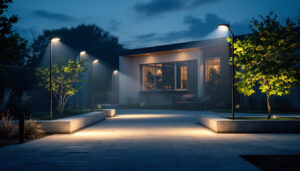
The flickering of lamps is a common issue that can frustrate homeowners and lighting contractors alike. Understanding the causes of lamp flickering is essential for effective troubleshooting and ensuring the longevity of lighting installations. However, this article will delve deeper into the future of lighting design and installation, exploring how advancements in technology and design principles will shape the industry.
Understanding Lamp Flickering
Before diving into future trends, it is crucial to understand what causes lamp flickering. Flickering can be attributed to several factors, including electrical issues, bulb compatibility, and even the design of the fixture itself. Identifying the root cause is vital for effective resolution and customer satisfaction.
Common Causes of Flickering
Electrical issues often top the list of reasons for flickering lamps. Loose connections, faulty wiring, or overloaded circuits can lead to inconsistent power supply, causing lights to flicker. Additionally, the type of bulb used can influence flickering. For example, LED bulbs may flicker if they are not compatible with the existing dimmer switches or if they are of lower quality.
Another factor to consider is the design of the lighting fixture. Some fixtures may not adequately accommodate specific bulb types, leading to flickering. Understanding these nuances can help lighting contractors provide better solutions to their clients. Furthermore, environmental factors, such as temperature fluctuations, can also play a role in how well a lamp functions. Extreme heat or cold can affect the electrical components of a lamp, leading to performance issues that manifest as flickering.
Impact on Lighting Design
As the industry evolves, the implications of flickering lamps extend beyond mere annoyance. Flickering can affect the ambiance of a space, impacting mood and productivity. Lighting designers must consider these factors when creating spaces, ensuring that both functionality and aesthetics are prioritized. In commercial settings, for instance, flickering lights can distract employees and even lead to decreased efficiency, while in residential spaces, they can create an unsettling atmosphere that detracts from relaxation and comfort.
Moreover, the rise of smart lighting technology introduces new dimensions to the flickering phenomenon. Smart bulbs, which can be controlled via apps or voice commands, may also experience flickering if not properly integrated with the home’s electrical system. As designers and consumers increasingly adopt these advanced lighting solutions, understanding the interplay between smart technology and traditional electrical systems becomes essential. This knowledge not only helps in troubleshooting flickering issues but also enhances the overall user experience, ensuring that lighting serves its intended purpose effectively.
The Evolution of Lighting Technology
Advancements in lighting technology have transformed the way spaces are illuminated. From incandescent bulbs to energy-efficient LEDs, the evolution of lighting has been marked by significant innovations. These advancements not only improve energy efficiency but also enhance the overall quality of light. The journey of lighting technology reflects broader changes in society, including shifts toward sustainability and the integration of technology into everyday life.
Smart Lighting Solutions
One of the most significant trends in lighting technology is the rise of smart lighting solutions. These systems allow for greater control over lighting, enabling users to adjust brightness, color, and even timing through mobile applications or voice commands. Smart lighting can also be programmed to respond to environmental changes, such as natural light levels, further enhancing energy efficiency. This adaptability not only creates a more comfortable living environment but also contributes to significant energy savings over time.
For lighting contractors, integrating smart lighting solutions into installations presents both opportunities and challenges. Understanding the technology and its compatibility with existing systems is vital for successful implementation. Additionally, educating clients on the benefits and functionalities of smart lighting can lead to increased customer satisfaction and loyalty. As more homeowners and businesses seek to incorporate smart technology into their spaces, contractors who are well-versed in these systems will find themselves at a competitive advantage, able to offer tailored solutions that meet the unique needs of each client.
Energy Efficiency and Sustainability
As sustainability becomes a priority across various industries, lighting design is no exception. The push for energy-efficient solutions has led to the development of innovative products that consume less power while providing high-quality illumination. LED technology, for instance, has gained popularity due to its low energy consumption and long lifespan. Furthermore, advancements in solar lighting technology are making it possible to harness renewable energy sources, allowing for outdoor spaces to be illuminated without drawing from the electrical grid.
Lighting contractors must stay informed about the latest energy-efficient products and practices to meet client demands and regulatory requirements. By promoting sustainable lighting solutions, contractors can position themselves as leaders in the industry and contribute to a greener future. This commitment to sustainability not only appeals to environmentally conscious consumers but also aligns with global efforts to reduce carbon footprints. As regulations around energy consumption tighten, the ability to offer compliant and innovative lighting solutions will become increasingly essential for contractors looking to thrive in a competitive market.
Design Trends Shaping the Future
Lighting design is not just about functionality; it is also an art form that can significantly impact the aesthetics of a space. As design trends evolve, lighting plays a crucial role in creating ambiance and enhancing architectural features. The right lighting can transform a mundane area into a captivating environment, influencing mood and perception while highlighting the unique characteristics of the design.
Minimalism and Clean Lines
One prominent trend in lighting design is minimalism, characterized by clean lines and simple forms. Minimalist lighting fixtures often blend seamlessly into their surroundings, allowing other design elements to take center stage. This trend appeals to modern aesthetics and is particularly popular in residential and commercial spaces alike. The use of unobtrusive fixtures, such as recessed lights and pendant lamps with sleek designs, helps maintain a clutter-free look that is both sophisticated and functional.
For lighting contractors, understanding the principles of minimalist design can aid in selecting appropriate fixtures and placements. Collaborating with architects and interior designers can also lead to cohesive designs that meet client expectations. Additionally, the integration of smart lighting technology can enhance minimalist designs, allowing users to control brightness and color temperature effortlessly, further emphasizing the clean lines and simplicity that define this aesthetic.
Biophilic Design
Another emerging trend is biophilic design, which emphasizes the connection between nature and the built environment. This design philosophy incorporates natural elements and light into spaces, promoting well-being and productivity. Lighting that mimics natural daylight can enhance the ambiance and create a more inviting atmosphere. Incorporating features such as skylights or large windows not only floods the space with natural light but also connects occupants to the outside world, fostering a sense of tranquility and balance.
Contractors can leverage biophilic design by incorporating fixtures that emulate natural light patterns. This approach not only improves the aesthetic appeal of a space but also aligns with the growing demand for wellness-focused design. Furthermore, the use of organic materials in lighting fixtures, such as wood or stone, can enhance the natural feel of a space, creating a harmonious blend between the indoors and outdoors. The integration of greenery, such as living walls or indoor plants, alongside thoughtfully designed lighting can elevate the overall experience, making spaces feel more vibrant and alive.
The Role of Lighting Contractors in the Future
As the lighting industry continues to evolve, the role of lighting contractors will become increasingly important. Contractors must adapt to new technologies, design trends, and customer expectations to remain competitive in the market.
Continuous Education and Training
To keep up with the rapid pace of change in the industry, lighting contractors should prioritize continuous education and training. This can involve attending workshops, trade shows, and certification programs that focus on the latest technologies and design principles. Staying informed about industry developments will empower contractors to offer innovative solutions to their clients.
Moreover, understanding the intricacies of smart lighting systems and energy-efficient products will enable contractors to provide valuable insights and recommendations, ultimately enhancing customer satisfaction.
Building Strong Client Relationships
In a competitive market, building strong relationships with clients is essential. Lighting contractors should focus on understanding their clients’ needs and preferences, providing personalized solutions that align with their vision. Open communication and transparency throughout the installation process can foster trust and lead to long-term partnerships.
Additionally, offering post-installation support and maintenance services can further solidify client relationships, ensuring that customers feel valued and supported even after the project is completed.
Conclusion: Embracing the Future of Lighting
The flickering of lamps may seem like a minor inconvenience, but it serves as a reminder of the complexities involved in lighting design and installation. As the industry moves forward, understanding the causes of flickering and the advancements in technology will be crucial for lighting contractors.
By embracing new technologies, design trends, and sustainable practices, contractors can position themselves at the forefront of the lighting industry. The future of lighting design and installation is bright, and those who adapt to these changes will thrive in an ever-evolving landscape.
Ultimately, the goal is to create spaces that not only illuminate but also inspire. As the industry continues to innovate, lighting contractors will play a pivotal role in shaping the future of how we experience light in our environments.
Illuminate Your Projects with LumenWholesale
Ready to lead the charge in the future of lighting design and installation? At LumenWholesale, we provide lighting contractors with the high-quality, spec-grade lighting products you need to outshine the competition. Say goodbye to inflated markups and hello to unbeatable wholesale prices, comprehensive selections that meet rigorous industry standards, and the convenience of free shipping on bulk orders. Don’t let flickering lamps dim your project’s potential. Elevate your lighting solutions and discover the best value in wholesale lighting with LumenWholesale today.