Do LED Bulbs Generate Heat: Why it is Important for Lighting Contractors
In the world of lighting, the efficiency and functionality of light sources are paramount. Among the various options available, LED (Light Emitting Diode) bulbs have gained immense popularity due to their energy efficiency and longevity. However, a common question arises: do LED bulbs generate heat? Understanding this aspect is crucial for lighting contractors, as it impacts installation choices, energy consumption, and overall performance.
Understanding LED Technology
To grasp whether LED bulbs generate heat, it is essential to understand the technology behind them. LEDs work by passing an electric current through a semiconductor material, which then emits light. This process is fundamentally different from traditional incandescent bulbs, which generate light through heat. As a result, LED bulbs are often touted for their lower energy consumption and reduced heat output.
The Efficiency of LED Bulbs
One of the primary advantages of LED technology is its efficiency. LEDs convert a significant portion of electricity into light rather than heat. In fact, while incandescent bulbs convert only about 10% of energy into light, LEDs can convert up to 90% of energy into light. This efficiency not only reduces energy costs but also minimizes heat generation, making LEDs a safer option for various applications.
For lighting contractors, this efficiency translates into lower operational costs for clients. By recommending LED solutions, contractors can help clients save money on energy bills while providing superior lighting quality. This is particularly important in commercial settings where lighting can account for a substantial portion of energy expenses. Additionally, the longevity of LED bulbs—often lasting up to 25,000 hours or more—further enhances their cost-effectiveness, as fewer replacements are needed over time. This durability makes them an attractive option for businesses looking to reduce maintenance costs and downtime associated with changing bulbs frequently.
Heat Generation in LED Bulbs
Despite their efficiency, LED bulbs do produce some heat. However, the amount generated is significantly less than that of traditional bulbs. The heat produced by LEDs is primarily due to the driver circuitry and the semiconductor material itself. While the heat output is lower, it is still essential for contractors to consider how this heat can affect the overall performance and longevity of the lighting system.
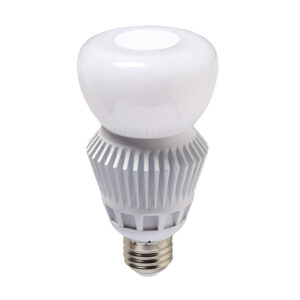
In applications where multiple LED fixtures are installed close together, the cumulative heat can become a concern. Proper ventilation and heat dissipation measures should be taken to ensure that the bulbs operate within their optimal temperature range. This is where the expertise of lighting contractors comes into play, as they can design and install systems that mitigate potential heat-related issues. Furthermore, advancements in LED technology, such as the development of heat sinks and improved thermal management systems, have been instrumental in enhancing the performance of LED lighting. These innovations help to further reduce the risk of overheating, ensuring that the lights maintain their brightness and efficiency over their lifespan. As the market continues to evolve, the integration of smart technologies with LED systems is also on the rise, allowing for better monitoring and control of heat output, which can lead to even greater energy savings and improved safety in various settings.
The Importance of Heat Management
Effective heat management is crucial for maximizing the lifespan and performance of LED lighting systems. Unlike traditional bulbs that can tolerate higher temperatures, LEDs are sensitive to heat. Excessive heat can lead to reduced efficiency, color shifting, and even premature failure of the bulbs. Therefore, understanding how to manage heat is vital for lighting contractors.
Impact on Lifespan
The lifespan of an LED bulb can be significantly affected by heat. Typically, LEDs are rated for tens of thousands of hours of use, but this rating is contingent on maintaining a suitable operating temperature. When LEDs are subjected to high temperatures, their lifespan can be drastically reduced. This is particularly relevant in enclosed fixtures or areas with poor ventilation.
Lighting contractors should prioritize the selection of high-quality LED products that come with adequate heat management features. Products with built-in heat sinks or those designed for specific applications can help ensure that the bulbs operate efficiently and last longer. By educating clients on the importance of heat management, contractors can build trust and enhance their reputation in the industry.
Design Considerations for Contractors
When designing lighting systems, contractors must consider the placement and configuration of LED fixtures to optimize heat dissipation. This may involve choosing fixtures with appropriate spacing, using reflective surfaces to direct light, or incorporating fans and ventilation systems in larger installations.
Moreover, understanding the thermal characteristics of different LED products can aid contractors in making informed decisions. Some LEDs are specifically designed for high-temperature environments, while others may be better suited for cooler conditions. By matching the right product to the application, contractors can ensure optimal performance and longevity.
In addition to product selection and placement, contractors should also be aware of the impact of ambient temperature on LED performance. For instance, in outdoor applications or unconditioned spaces, seasonal temperature fluctuations can pose challenges. Utilizing thermal management strategies such as thermal pads or heat-conductive materials can help mitigate these effects. Furthermore, incorporating smart lighting technologies that adjust brightness based on environmental conditions can enhance energy efficiency and reduce heat generation.
Finally, ongoing maintenance is a critical aspect of heat management. Regularly scheduled inspections can help identify potential issues such as dust accumulation on fixtures, which can impede heat dissipation. By implementing a proactive maintenance plan, contractors can ensure that LED systems continue to operate at peak efficiency, ultimately benefiting both the contractor’s business and the client’s investment in sustainable lighting solutions.
Client Education and Communication
For lighting contractors, educating clients about the heat generation of LED bulbs and the importance of heat management is essential. Many clients may not be aware of the nuances of LED technology and may assume that all lighting solutions are created equal. Providing clear and concise information can help clients make informed decisions and appreciate the value of professional guidance.
Addressing Common Misconceptions
One common misconception is that LED bulbs do not generate any heat at all. While they are indeed cooler than traditional bulbs, they still produce some heat that needs to be managed. Contractors should clarify this point to ensure that clients have realistic expectations regarding performance and installation requirements.
Additionally, clients may be concerned about the initial investment costs associated with LED lighting. By explaining the long-term savings on energy bills and maintenance costs, contractors can help clients see the bigger picture. Over time, the benefits of reduced heat generation and increased efficiency can lead to significant cost savings, making the initial investment worthwhile.
Providing Solutions
In addition to educating clients, lighting contractors should be prepared to offer solutions that address heat management concerns. This may include recommending specific fixtures, heat sinks, or installation techniques that enhance heat dissipation. By being proactive in providing solutions, contractors can position themselves as trusted advisors in the lighting industry.
Furthermore, offering ongoing support and maintenance services can help clients feel confident in their LED lighting choices. Regular check-ins to assess the performance of the lighting system can ensure that any heat-related issues are addressed promptly, further enhancing client satisfaction.
Moreover, it’s beneficial for contractors to share case studies or testimonials from previous clients who have successfully transitioned to LED lighting. By showcasing real-world examples of energy savings and improved lighting quality, contractors can build trust and demonstrate the tangible benefits of their recommendations. This not only reinforces the educational aspect but also helps clients visualize the positive impact of their investment in LED technology.
Contractors might also consider organizing workshops or informational sessions where clients can learn more about the latest advancements in LED technology, including smart lighting solutions that integrate with home automation systems. Such initiatives not only empower clients with knowledge but also foster a sense of community and engagement, making them more likely to return for future projects or referrals. By creating a dialogue around lighting choices, contractors can cultivate lasting relationships that extend beyond a single transaction.
Conclusion: The Role of Lighting Contractors
In conclusion, understanding whether LED bulbs generate heat and the implications for heat management is critical for lighting contractors. While LEDs are more efficient and produce less heat compared to traditional bulbs, they still require careful consideration in terms of installation and design. By prioritizing heat management, educating clients, and providing tailored solutions, contractors can ensure that their lighting systems perform optimally and meet the needs of their clients.
The transition to LED technology presents a unique opportunity for lighting contractors to showcase their expertise and enhance their service offerings. By staying informed about the latest advancements in LED technology and heat management practices, contractors can position themselves as leaders in the industry, ultimately benefiting both their business and their clients.
Illuminate Your Projects with LumenWholesale
Ready to elevate your lighting installations with the efficiency and heat management of LED technology? Look no further than LumenWholesale for all your lighting needs. We provide contractors with the highest quality, spec-grade lighting products at unbeatable wholesale prices. Say goodbye to middleman markups and hello to a vast selection of reliable, high-performance lighting that meets the most rigorous industry standards. Plus, with free shipping on bulk orders, you can secure premium lighting at the best value — transparently and conveniently. Don’t compromise on quality or cost. Discover wholesale lighting at the best value today and light up your projects with confidence.