Lighting contractors play a pivotal role in transforming spaces through effective illumination. Among the various lighting fixtures available, high hat lights, also known as recessed lights or can lights, have gained immense popularity in both residential and commercial settings. This article delves into the essential aspects of high hat lighting, providing valuable advice for lighting contractors to enhance their project outcomes and client satisfaction.
Understanding High Hat Lighting
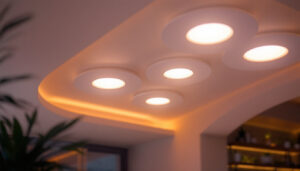
High hat lights are designed to be installed into a hollow opening in the ceiling, allowing the fixture to sit flush with the surface. This design not only saves space but also provides a sleek, modern look that appeals to many clients. Understanding the various components and functionalities of high hat lights is crucial for lighting contractors.
Components of High Hat Lights
High hat lights typically consist of several key components: the housing, trim, and bulb. The housing is the part that is installed into the ceiling and can vary in size and shape depending on the specific application. The trim is the visible part that finishes the look, and it comes in various styles, including baffle, reflector, and adjustable trims. Lastly, the bulb type can range from incandescent and halogen to LED, each offering distinct advantages. For instance, LED bulbs are increasingly favored for their energy efficiency and longevity, often lasting up to 25,000 hours compared to the shorter lifespan of traditional incandescent bulbs. This makes them a cost-effective choice in the long run, as they reduce both replacement frequency and energy bills.
Types of High Hat Lights
There are several types of high hat lights available, each suited for different applications. For instance, adjustable high hats are ideal for accent lighting, allowing contractors to direct light towards artwork or architectural features. On the other hand, fixed high hats provide general ambient lighting, making them suitable for larger areas. Furthermore, some high hat lights are designed for specific environments, such as wet-rated fixtures for bathrooms or outdoor spaces, ensuring safety and functionality in various settings. Understanding these differences helps contractors recommend the right type of high hat light for specific client needs, ultimately enhancing the overall design and utility of the space.
Benefits of High Hat Lighting
The benefits of high hat lighting are manifold. Firstly, they provide a clean and unobtrusive look, making them ideal for modern interiors. Secondly, they can enhance the perceived space in a room by eliminating bulky fixtures that can make a ceiling feel lower. Additionally, high hat lights can be used in conjunction with dimmers, allowing for customizable lighting solutions that can adapt to various moods and activities. The versatility of high hat lighting also extends to their ability to be integrated with smart home systems, enabling users to control lighting remotely or set schedules for automatic adjustments. This level of convenience not only adds to the functionality but also contributes to energy savings, as lights can be programmed to turn off when not in use. Moreover, the ability to mix and match different bulb types and trims allows for a personalized touch, ensuring that high hat lights can complement any design aesthetic, from minimalist to eclectic.
Installation Best Practices
Proper installation is critical to the performance and longevity of high hat lights. Lighting contractors must adhere to best practices to ensure a seamless installation process and optimal functionality.
Planning the Layout
Before installation, planning the layout of high hat lights is essential. This involves considering the size of the room, the height of the ceiling, and the intended use of the space. A well-thought-out layout not only improves aesthetics but also maximizes the effectiveness of the lighting. For instance, in a living room, spacing the lights evenly can create a warm and inviting atmosphere, while in a kitchen, strategically placing them over work areas can enhance visibility. Additionally, it’s important to consider the color temperature of the bulbs, as warmer tones can create a cozy ambiance, while cooler tones are often better suited for task-oriented areas. Utilizing software or apps designed for lighting design can also assist in visualizing the layout before making any physical changes, ensuring that the final result meets both functional and aesthetic expectations.
Safety Considerations
Safety should always be a top priority during installation. Contractors must ensure that all electrical connections comply with local codes and regulations. Utilizing the appropriate gauge wire and ensuring proper grounding can prevent electrical hazards. Additionally, it is crucial to consider the insulation around the housing, as overheating can lead to fire risks. Using IC-rated housings can mitigate this concern by allowing direct contact with insulation. Furthermore, it is advisable to turn off the power supply at the circuit breaker before beginning any installation work. This simple step can significantly reduce the risk of electric shock, ensuring a safer working environment. Regularly inspecting tools and equipment for wear and tear can also contribute to a safer installation process, as faulty tools can lead to accidents or improper installations.
Testing and Adjustments
After installation, testing the lights is a vital step. This includes checking for any flickering, dimming, or inconsistent brightness. Making adjustments during this phase can save time and resources in the long run. If adjustable trims are used, contractors should ensure they are correctly positioned to achieve the desired lighting effect. It’s also beneficial to conduct a thorough walkthrough of the space with the client to confirm satisfaction with the lighting setup. This not only allows for immediate feedback but also fosters a sense of collaboration and trust between the contractor and the client. In some cases, dimmer switches can be installed to provide flexibility in lighting levels, allowing users to customize the atmosphere according to their preferences. Additionally, documenting the installation process and any adjustments made can serve as a valuable reference for future maintenance or upgrades, ensuring that the lighting system remains functional and effective over time.
Choosing the Right Bulb
The choice of bulb can significantly impact the quality of light produced by high hat fixtures. Lighting contractors must be well-versed in the various bulb options available to provide the best recommendations to clients.
LED vs. Incandescent
LED bulbs have become increasingly popular due to their energy efficiency and longevity. They consume significantly less energy than incandescent bulbs and have a longer lifespan, making them a cost-effective choice for clients in the long run. However, some clients may prefer the warm glow of incandescent bulbs for specific applications. Understanding the pros and cons of each type allows contractors to guide clients effectively.
Color Temperature and CRI
Color temperature is another critical factor to consider when selecting bulbs. Measured in Kelvin (K), color temperature affects the ambiance of a space. For example, warmer tones (around 2700K) create a cozy environment, while cooler tones (above 4000K) offer a more energetic feel. Additionally, the Color Rendering Index (CRI) measures how accurately a light source displays colors. A higher CRI is essential for areas where color accuracy is crucial, such as art studios or retail spaces.
Wattage and Brightness
Contractors should also consider the wattage and brightness of the bulbs. Lumens measure brightness, and selecting the right lumen output is vital for achieving the desired lighting effect. For instance, a kitchen may require brighter lights for task-oriented work, while a bedroom may benefit from softer, ambient lighting. Educating clients on these aspects can lead to informed decisions that enhance their overall satisfaction.
Design Considerations
High hat lighting can significantly influence the overall design aesthetic of a space. Lighting contractors should pay attention to design elements to create cohesive and visually appealing environments.
Combining with Other Lighting Sources
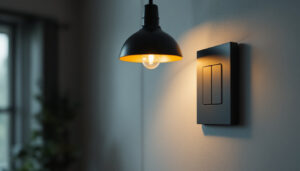
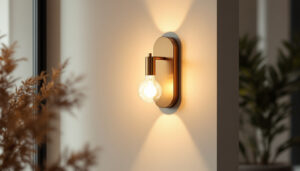
High hat lights should not be the sole source of illumination in a space. Combining them with other lighting sources, such as pendant lights, wall sconces, or floor lamps, can create a layered lighting effect. This approach enhances the functionality of the space while adding depth and interest to the design.
Architectural Integration
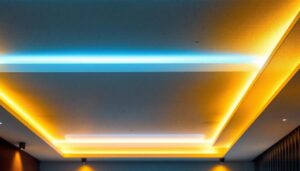
Integrating high hat lights into the architectural features of a space can elevate the overall design. For example, installing them in coves or along architectural lines can create dramatic effects that highlight the room’s structure. Contractors should collaborate with designers and architects to ensure that the lighting complements the overall vision of the project.
Adjustable Lighting for Versatility
Incorporating adjustable high hat lights allows for versatility in lighting design. These fixtures can be aimed to highlight specific areas or features, making them ideal for spaces that serve multiple purposes. For instance, a dining area may require focused lighting for meals, while the same space can be softened for entertaining. Educating clients on the benefits of adjustable lighting can enhance their experience and satisfaction.
Maintenance and Troubleshooting
Regular Cleaning
Dust and debris can accumulate on high hat lights, diminishing their brightness and effectiveness. Regular cleaning is necessary to maintain optimal performance. Contractors can advise clients on the best cleaning methods, such as using a soft cloth or a vacuum with a brush attachment to remove dust without damaging the fixtures.
Identifying Common Issues
Contractors should also educate clients on identifying common issues that may arise with high hat lights. Flickering lights may indicate a loose connection or a faulty bulb, while dimming could suggest an issue with the dimmer switch or the bulb itself. Providing clients with troubleshooting tips can empower them to address minor issues independently, saving time and resources.
When to Seek Professional Help
While many issues can be resolved with simple troubleshooting, some situations may require professional intervention. Contractors should emphasize the importance of seeking help for more complex electrical problems, such as wiring issues or frequent bulb failures. This guidance ensures that clients prioritize safety and maintain the integrity of their lighting systems.
Conclusion
High hat lights are a versatile and stylish lighting solution that can greatly enhance any space. For lighting contractors, understanding the intricacies of these fixtures—from installation and bulb selection to design considerations and maintenance—is crucial for delivering exceptional service. By following the advice outlined in this article, contractors can elevate their expertise, ensuring that clients receive the best possible lighting solutions tailored to their needs.
In a competitive market, staying informed about the latest trends and technologies in high hat lighting will not only improve project outcomes but also foster lasting relationships with clients. As lighting continues to evolve, embracing innovation and prioritizing quality will position lighting contractors as trusted experts in their field.
Get Your High-Quality High Hat Lights at LumenWholesale
Ready to elevate your lighting projects with the best high hat lights on the market? Look no further than LumenWholesale for a superior selection of spec-grade lighting products. Our commitment to quality and affordability ensures that you can provide your clients with reliable, high-performance lighting solutions without breaking the bank. Say goodbye to local distributor markups and hello to unbeatable wholesale prices, free shipping, and the convenience of bulk buying. Take the next step in lighting excellence and discover wholesale lighting at the best value today.