Fluorescent lighting remains a popular choice for both residential and commercial spaces due to its energy efficiency and long lifespan. For lighting contractors, understanding the best practices for installing fluorescent light fixtures is essential to ensure optimal performance and customer satisfaction. This article provides a comprehensive guide to the installation process, including essential tips and techniques that can enhance the quality of your work.
Understanding Fluorescent Lighting
Before diving into the installation process, it is crucial to understand how fluorescent lighting works. Fluorescent lights operate by passing an electric current through a gas, which produces ultraviolet light. This light then excites a phosphor coating on the inside of the bulb, emitting visible light. This technology provides a more efficient alternative to traditional incandescent bulbs, making it a preferred choice for many applications. Furthermore, fluorescent lighting is known for its ability to produce a high lumen output while consuming less wattage, making it a staple in both commercial and industrial environments where bright, consistent lighting is essential.
Types of Fluorescent Fixtures
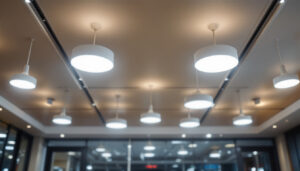
There are various types of fluorescent fixtures available, each suited for different applications. Common types include troffers, surface-mounted fixtures, and pendant lights. Troffers are often used in commercial settings, while surface-mounted fixtures are ideal for residential applications. Understanding the specific requirements of each type will enable contractors to recommend the best solution for their clients. Additionally, there are specialized fixtures such as high-bay and low-bay lights designed for warehouses and manufacturing facilities, which cater to the unique height and space considerations of these environments. The versatility of fluorescent fixtures allows for tailored lighting solutions that enhance both functionality and aesthetics.
Benefits of Fluorescent Lighting
Fluorescent lighting offers numerous benefits, including energy efficiency, cost savings, and a wide range of color temperatures. These lights consume less energy than incandescent bulbs and have a longer lifespan, which reduces replacement costs. Additionally, the variety of color temperatures allows contractors to create the desired ambiance in any space. Beyond these advantages, fluorescent lights are also known for their low heat emission, which can contribute to a cooler environment, particularly in settings with multiple fixtures. This characteristic not only enhances comfort but can also lead to savings on air conditioning costs during warmer months. Moreover, advancements in fluorescent technology have led to the development of dimmable options, providing even greater control over lighting levels and further enhancing their appeal in both residential and commercial applications.
Preparation for Installation
Proper preparation is key to a successful installation. Before starting the installation process, contractors should gather all necessary tools and materials. This includes the fluorescent fixture, mounting hardware, wiring tools, and safety equipment. Taking the time to prepare ensures a smoother installation process and minimizes the risk of errors. Furthermore, having a clear plan and understanding of the installation layout can significantly enhance efficiency and reduce the likelihood of unforeseen complications during the actual installation.
Tools and Materials Needed
For a successful installation, contractors should have the following tools on hand:
- Wire cutters and strippers
- Screwdrivers (flathead and Phillips)
- Drill with appropriate bits
- Voltage tester
- Safety goggles and gloves
In addition to tools, ensure that the correct materials are available, including the fluorescent fixture, ballast, and any necessary mounting brackets. Having everything ready will streamline the installation process and enhance efficiency. It is also advisable to check the specifications of the fluorescent fixture to ensure compatibility with the existing electrical system. This can prevent potential issues that may arise from mismatched components, such as flickering lights or inadequate illumination.
Safety Precautions
Safety should always be a top priority during any electrical installation. Before starting, ensure that the power is turned off at the circuit breaker to prevent electric shock. Use a voltage tester to confirm that no electricity is flowing to the fixture. Additionally, wearing safety goggles and gloves can protect against any accidental injuries during the installation. It’s also wise to have a first-aid kit readily available in case of minor injuries. Furthermore, working in a well-ventilated area can help mitigate any risks associated with dust or debris that may be disturbed during the installation process, ensuring a safer working environment.
Step-by-Step Installation Process
The installation of a fluorescent light fixture can be broken down into several key steps. Following these steps carefully will help ensure a successful installation that meets industry standards.
Step 1: Turn Off Power
As previously mentioned, the first step in any electrical installation is to turn off the power at the circuit breaker. This is a critical safety measure that protects both the contractor and the building occupants. Once the power is off, use a voltage tester to verify that the circuit is de-energized.
Step 2: Remove Existing Fixture
If replacing an existing fixture, carefully remove it from the ceiling or wall. This typically involves unscrewing the fixture from its mounting bracket and disconnecting the wiring. Take note of how the old fixture was wired, as this will aid in connecting the new one.
Step 3: Install the Mounting Bracket
Once the old fixture is removed, install the new mounting bracket according to the manufacturer’s instructions. Ensure that it is securely fastened to the ceiling or wall, as this will support the weight of the fluorescent fixture. Use a level to ensure that the bracket is straight, as an uneven installation can affect the fixture’s performance.
Step 4: Connect Wiring
With the mounting bracket in place, it’s time to connect the wiring. Start by stripping the ends of the wires to expose the copper. Connect the black (or red) wire from the fixture to the black wire in the electrical box, and the white wire from the fixture to the white wire in the box. If there is a ground wire, connect it to the grounding screw on the fixture.
It is essential to ensure that all connections are secure and properly insulated with wire nuts. Loose connections can lead to flickering lights or even electrical fires.
Step 5: Secure the Fixture
After completing the wiring, carefully lift the fluorescent fixture into place and secure it to the mounting bracket. Ensure that all screws are tightened and that the fixture is stable. This step is crucial for both safety and aesthetics, as a loose fixture can cause damage over time.
Step 6: Install Bulbs and Ballast
Once the fixture is securely mounted, install the fluorescent bulbs and ballast according to the manufacturer’s instructions. Ensure that the bulbs are properly seated in their sockets to avoid flickering or failure. If the fixture requires a specific type of ballast, verify that it is compatible with the bulbs being used.
Step 7: Restore Power and Test
After everything is securely in place, restore power at the circuit breaker. Turn on the light switch to test the fixture. If everything is functioning correctly, the fluorescent light should illuminate without any flickering. If there are issues, double-check the wiring and connections to ensure everything is properly installed.
Common Issues and Troubleshooting
Even with careful installation, issues can arise with fluorescent light fixtures. Being aware of common problems and their solutions can help contractors address concerns promptly and efficiently.
Flickering Lights
Flickering fluorescent lights can be a frustrating issue, often caused by loose connections or faulty bulbs. If flickering occurs, check the wiring connections to ensure they are secure. Additionally, inspect the bulbs for any signs of damage or wear. Replacing the bulbs may resolve the issue if they are old or defective.
Dim Lighting
If the fluorescent fixture appears dim, it may be due to an incompatible ballast or insufficient wattage. Verify that the ballast is rated for the bulbs being used, and consider upgrading to a higher wattage if necessary. Ensuring that the fixture is clean and free of dust can also improve light output.
Buzzing Noises
Buzzing sounds from fluorescent fixtures can indicate a problem with the ballast. If the ballast is faulty, it may need to be replaced. Additionally, ensure that the fixture is securely mounted, as vibrations can also cause buzzing noises.
Maintenance Tips for Fluorescent Fixtures
Regular maintenance of fluorescent light fixtures is essential for ensuring their longevity and performance. Contractors should advise clients on proper care and maintenance practices.
Cleaning the Fixtures
Dust and dirt can accumulate on fluorescent fixtures, reducing their light output. Regularly cleaning the fixtures with a damp cloth can help maintain brightness and efficiency. Ensure that the power is turned off before cleaning to avoid any electrical hazards.
Replacing Bulbs and Ballasts
Fluorescent bulbs have a limited lifespan, and it is essential to replace them when they begin to dim or flicker. Additionally, if a ballast is showing signs of failure, it should be replaced promptly to prevent further issues. Keeping a stock of replacement bulbs and ballasts can help contractors address client needs quickly.
Conclusion
Installing fluorescent light fixtures requires careful planning, attention to detail, and adherence to safety protocols. By following the best practices outlined in this article, lighting contractors can ensure successful installations that meet client expectations. Understanding the technology behind fluorescent lighting, preparing adequately, and being aware of common issues will enhance the quality of work and build a strong reputation in the industry.
As energy-efficient lighting continues to evolve, staying informed about the latest advancements and techniques will further empower contractors to provide the best solutions for their clients. Embracing these best practices not only enhances the contractor’s skill set but also contributes to a more sustainable and efficient lighting future.
Get Your Premium Lighting Supplies at LumenWholesale
Ready to elevate your lighting installations with the best products on the market? Look no further than LumenWholesale for all your fluorescent fixture needs. We provide contractors with superior, spec-grade lighting solutions at prices that can’t be beaten. With our direct-to-contractor approach, you avoid unnecessary markups and enjoy the benefits of high-quality lighting at wholesale value. Plus, with free shipping on bulk orders, you can stock up on everything you need while keeping your costs down. Don’t compromise on quality or price. Visit LumenWholesale today and discover the ideal blend of performance, affordability, and convenience for your next project.