LED Strip Lights: Explained in 5 Minutes for Lighting Contractors
In the ever-evolving world of lighting technology, LED strip lights have emerged as a versatile and energy-efficient solution for various applications. For lighting contractors, understanding the nuances of LED strip lights can significantly enhance project outcomes and client satisfaction. This article aims to provide a concise overview of LED strip lights, their benefits, applications, and installation tips, all tailored for professionals in the lighting industry.
What Are LED Strip Lights?
LED strip lights, also known as LED tape lights, are flexible circuit boards populated with light-emitting diodes (LEDs). These strips come in various lengths and can be cut to fit specific dimensions, making them an adaptable choice for a multitude of projects. The flexibility of these strips allows them to be installed in tight spaces, curved surfaces, and even along intricate architectural features. Their low profile and lightweight design make them ideal for both residential and commercial applications, providing a sleek and modern lighting solution that can easily blend into any environment.
Moreover, LED strip lights are energy-efficient, consuming significantly less power than traditional incandescent or fluorescent lighting. This not only leads to lower electricity bills but also contributes to a reduced carbon footprint, making them an environmentally friendly choice. The long lifespan of LEDs, often exceeding 50,000 hours, means that they require less frequent replacement, further enhancing their cost-effectiveness over time. With the added benefit of minimal heat output, LED strips can be safely used in a variety of settings without the risk of overheating or fire hazards.
Types of LED Strip Lights
There are several types of LED strip lights available on the market, each designed for specific applications. The most common types include:
- Standard White LED Strips: These strips emit a consistent white light, available in various color temperatures ranging from warm white to cool white. They are perfect for general lighting needs, such as under-cabinet lighting in kitchens or as ambient lighting in living rooms.
- RGB LED Strips: Capable of producing multiple colors, RGB strips are popular for decorative lighting and mood settings. They can be controlled via remote or smart home systems, allowing users to change colors and brightness levels to suit different occasions, from vibrant parties to serene movie nights.
- RGBW LED Strips: These strips combine RGB functionality with a dedicated white LED, offering enhanced color mixing and a true white light option. This versatility makes them suitable for both decorative and functional lighting, providing the best of both worlds.
In addition to these common types, there are also specialized LED strip lights designed for specific environments, such as waterproof strips for outdoor use or high-density strips for areas requiring brighter illumination. Some strips are even equipped with features like dimmability and color-changing capabilities, allowing for a customized lighting experience. With the rapid advancements in LED technology, new innovations continue to emerge, expanding the possibilities for creative lighting solutions in homes, businesses, and public spaces.
Benefits of Using LED Strip Lights
LED strip lights offer a multitude of advantages that make them an attractive option for lighting contractors. Understanding these benefits can aid in making informed decisions on project specifications.
Energy Efficiency
One of the most significant advantages of LED technology is its energy efficiency. LED strip lights consume significantly less power compared to traditional incandescent or fluorescent lighting. This not only reduces energy costs for clients but also contributes to a smaller carbon footprint. In fact, switching to LED lighting can lead to energy savings of up to 80%, making it an economically and environmentally sound choice. Additionally, many utility companies offer rebates for businesses that upgrade to energy-efficient lighting, further enhancing the financial benefits of LED strip lights.
Longevity and Durability
LED strip lights have a longer lifespan than conventional lighting solutions, often lasting up to 50,000 hours or more. This longevity reduces the frequency of replacements and maintenance, providing a cost-effective solution for both contractors and clients. Unlike traditional bulbs, which can burn out suddenly, LED lights typically dim over time, allowing users to anticipate replacements before complete failure. Furthermore, they are built to withstand harsh conditions, making them ideal for both indoor and outdoor applications. Their resistance to shock and vibration ensures that they maintain performance even in challenging environments.
Versatility in Design
The flexibility of LED strip lights allows for creative applications in various settings. Whether it’s for accent lighting in residential spaces, task lighting in commercial environments, or even architectural highlights, the adaptability of these strips can meet diverse design needs. They can be easily cut to size and installed in a variety of locations, from under cabinets in kitchens to along staircases for safety. Additionally, LED strips come in a wide range of colors and color temperatures, enabling designers to create the perfect ambiance for any occasion. With the advent of smart technology, many LED strip lights can now be controlled via smartphone apps, allowing users to change colors and brightness levels with ease, further enhancing their versatility and appeal.
Applications of LED Strip Lights
LED strip lights can be utilized in a wide array of applications, making them a go-to choice for lighting contractors. Here are some popular uses:
Residential Lighting
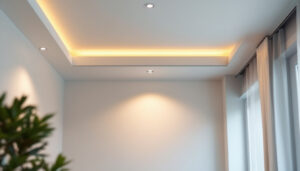
In residential settings, LED strip lights can enhance ambiance and functionality. They are commonly used in kitchens for under-cabinet lighting, in living rooms for accent lighting, and in bedrooms for mood lighting. Their ability to create a warm, inviting atmosphere makes them a favorite among homeowners.
Commercial Spaces
In commercial environments, LED strip lights can be employed for both practical and aesthetic purposes. Retail stores often use them to highlight merchandise, while offices may install them for task lighting. Their low profile and flexibility allow for seamless integration into various designs.
Architectural and Landscape Lighting
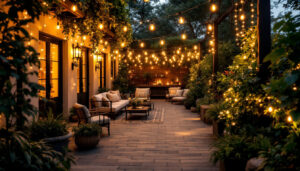
For outdoor applications, LED strip lights can illuminate pathways, gardens, and architectural features. They can be installed in various weather-resistant casings, ensuring durability and performance in outdoor settings. This versatility allows contractors to create stunning visual effects and enhance safety in outdoor spaces.
Installation Tips for LED Strip Lights
Proper installation is crucial to maximizing the performance and longevity of LED strip lights. Here are some essential tips for lighting contractors:
Choosing the Right Power Supply
When installing LED strip lights, selecting the appropriate power supply is critical. Each strip has specific voltage and current requirements, and using an incompatible power supply can lead to malfunctions or reduced lifespan. Always check the specifications of the LED strip before purchasing a power supply.
Adhesive and Mounting Options
LED strip lights typically come with an adhesive backing for easy installation. However, for long-term applications or in areas with high heat or humidity, additional mounting methods such as clips or channels may be necessary. Ensuring a secure fit will prevent the strips from peeling or falling off over time.
Heat Management
While LED strip lights are more efficient than traditional lighting, they still generate some heat. Proper heat dissipation is vital to maintain performance and prevent damage. Installing the strips on aluminum channels or heat sinks can help manage heat and prolong their lifespan.
Common Challenges and Solutions
Like any lighting solution, LED strip lights come with their own set of challenges. Being aware of these potential issues can help contractors address them effectively.
Color Consistency
One common challenge with LED strip lights is color consistency, especially when using multiple strips in a single installation. Variations in manufacturing can lead to mismatched colors. To mitigate this, it is advisable to source all strips from the same batch and manufacturer.
Voltage Drop
Voltage drop can occur in longer runs of LED strip lights, leading to dimmer sections at the end of the strip. To combat this issue, it may be necessary to use shorter runs or to inject power at multiple points along the strip to ensure even brightness throughout.
Waterproofing for Outdoor Use
For outdoor applications, ensuring that LED strip lights are waterproof is essential. Contractors should choose strips that are rated for outdoor use and properly seal any connections to prevent moisture ingress.
Future Trends in LED Strip Lighting
The landscape of LED technology is continuously evolving, and several trends are shaping the future of LED strip lighting. Staying informed about these trends can provide contractors with a competitive edge.
Smart Lighting Integration
As smart home technology becomes increasingly popular, the integration of LED strip lights with smart systems is on the rise. This allows users to control lighting remotely, set schedules, and customize color settings through mobile applications or voice commands. Contractors who familiarize themselves with these systems can offer enhanced solutions to clients.
Improved Color Rendering
Advancements in LED technology are leading to improved color rendering capabilities. Newer strips are designed to provide better color accuracy, making them suitable for applications where color fidelity is crucial, such as in art galleries or retail spaces.
Environmental Sustainability
With a growing emphasis on sustainability, manufacturers are focusing on creating LED products that are more environmentally friendly. This includes using recyclable materials and reducing harmful substances in production. Contractors can leverage these eco-friendly options to appeal to environmentally conscious clients.
Conclusion
LED strip lights represent a powerful tool for lighting contractors, offering versatility, energy efficiency, and a wide range of applications. Understanding the technical aspects, benefits, and installation best practices can empower contractors to deliver exceptional lighting solutions that meet the needs of their clients. As technology continues to advance, staying updated on trends and innovations will ensure that contractors remain at the forefront of the lighting industry.
By embracing the potential of LED strip lights, lighting contractors can enhance their service offerings and contribute to the development of innovative and sustainable lighting solutions in both residential and commercial projects.
Get Your Premium LED Strip Lights at LumenWholesale
Ready to elevate your lighting projects with the best LED strip lights in the market? Look no further than LumenWholesale, where we provide contractors with the highest quality, spec-grade lighting products at unbeatable wholesale prices. Say goodbye to local distributor markups and hello to superior lighting solutions that meet the highest industry standards. With LumenWholesale, you can enjoy the convenience of bulk buying with free shipping, ensuring you get the premium lighting you need at the best value — without any hidden fees. Make your next project shine with reliability and performance by choosing Wholesale Lighting at the Best Value from LumenWholesale.