In the realm of modern lighting solutions, luminaire light fixtures play a pivotal role in enhancing both functionality and aesthetics. As technology continues to evolve, so do the designs and applications of these fixtures, making them essential components in residential, commercial, and industrial settings. This article delves into the significance of luminaire light fixtures, exploring their various types, applications, and the trends shaping their future.
Understanding Luminaire Light Fixtures
A luminaire is more than just a light source; it encompasses the entire lighting unit, including the bulb, fixture, and any necessary components for installation. This comprehensive definition highlights the importance of considering both the technical and aesthetic aspects when selecting a luminaire for a specific application. The choice of luminaire can greatly influence not only the functionality of a space but also its overall ambiance, making it essential for designers and homeowners alike to understand the nuances of lighting.
Components of a Luminaire
Each luminaire consists of several key components that work together to deliver light effectively. The most prominent parts include:
- Light Source: This can be an LED, fluorescent, or incandescent bulb, each offering different levels of energy efficiency and light quality. LEDs, for instance, are known for their longevity and low energy consumption, while incandescent bulbs provide a warm glow that many find appealing.
- Fixture Housing: The outer shell that protects the internal components and helps direct the light. Materials can range from metal to plastic, each influencing the overall design and functionality. The choice of material not only affects durability but also plays a critical role in the aesthetic appeal of the luminaire, allowing it to blend seamlessly with various interior styles.
- Optics: These elements help control the distribution of light, ensuring it meets the specific needs of the space. Advanced optical designs can enhance light quality by reducing glare and improving uniformity, which is particularly important in settings such as offices or retail environments where visual comfort is paramount.
Types of Luminaires
Luminaires come in various forms, each designed for specific applications. Understanding these types is crucial for lighting contractors aiming to provide tailored solutions for their clients. The diversity in luminaire design allows for creative expression while fulfilling practical lighting needs.
- Recessed Luminaires: Installed into the ceiling, these fixtures offer a sleek, modern look and are ideal for spaces where headroom is limited. They create an unobtrusive lighting solution that can enhance architectural features while providing ample illumination.
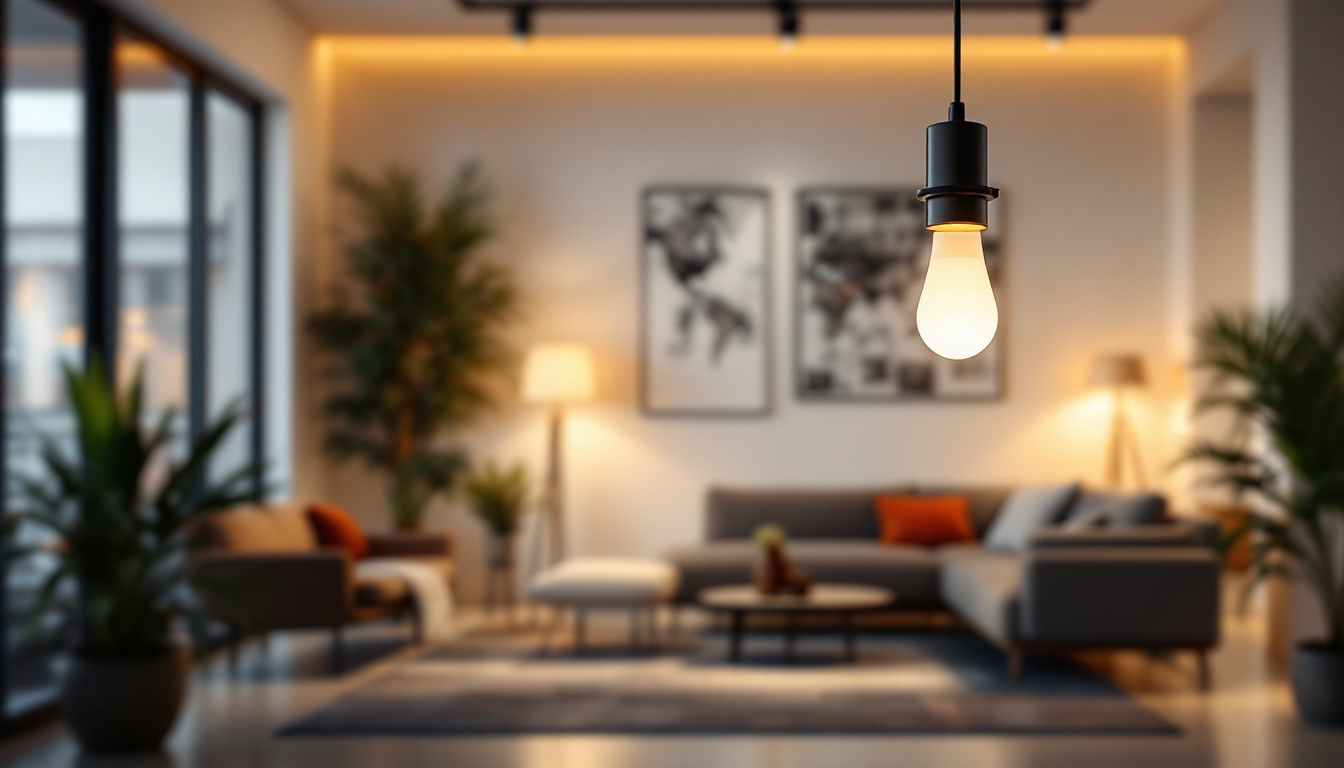
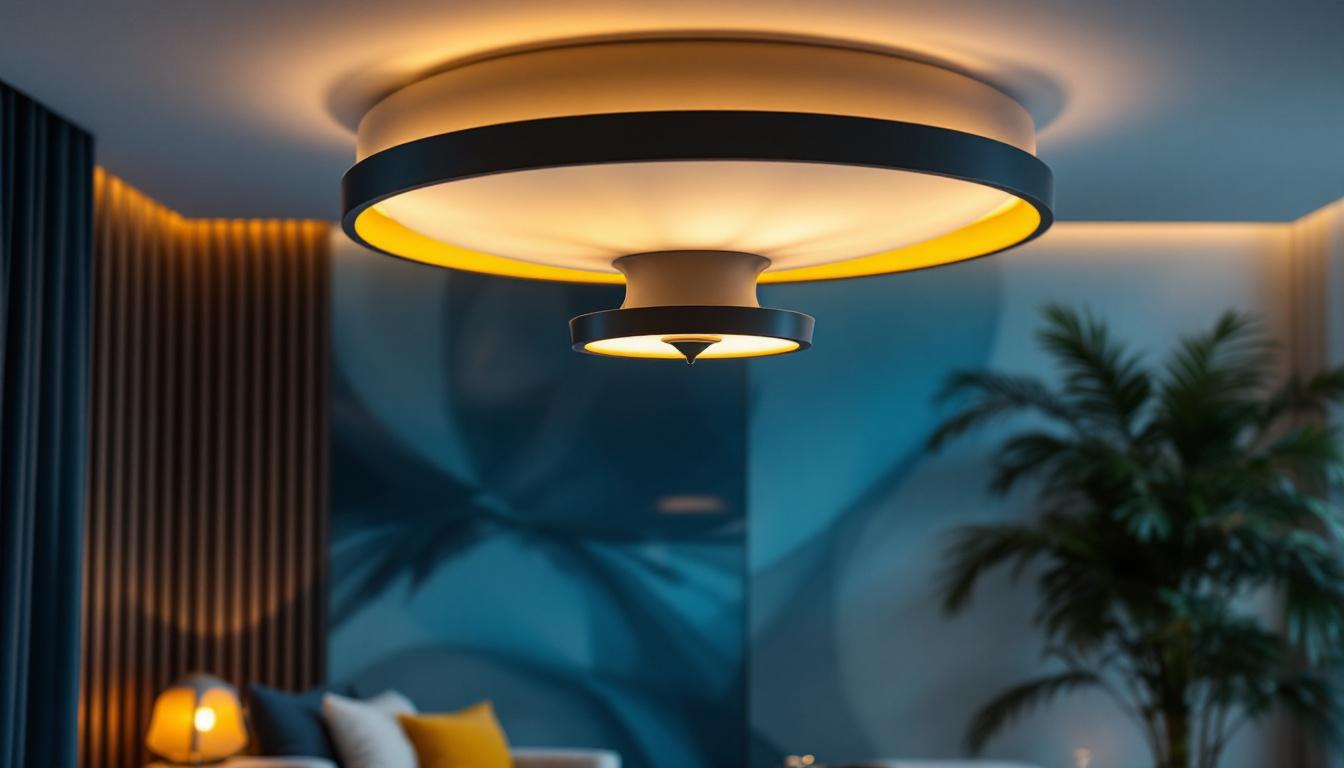
- Pendant Luminaires: Hanging from the ceiling, pendants serve both functional and decorative purposes, often used in dining areas or as statement pieces in commercial settings. Their versatility allows them to be used in clusters or alone, making them a popular choice for creating focal points in a room.
- Wall-mounted Luminaires: These fixtures are attached to walls and can provide both ambient and task lighting, making them versatile for various applications. They are particularly effective in hallways, staircases, and as accent lighting to highlight artwork or architectural details.
In addition to these common types, there are also specialized luminaires designed for outdoor use, such as floodlights and landscape lighting. These fixtures are built to withstand the elements while providing security and enhancing the beauty of outdoor spaces. Furthermore, smart luminaires equipped with connectivity features allow users to control lighting through apps or voice commands, adding a layer of convenience and customization that is increasingly sought after in modern homes and businesses.
As technology continues to evolve, the landscape of luminaires is also changing. Innovations such as tunable white lighting, which allows users to adjust the color temperature of the light, and integrated sensors that adapt to the surrounding environment are becoming more prevalent. These advancements not only improve energy efficiency but also enhance the user experience, making luminaires an integral part of smart building design and energy management strategies.
The Importance of Luminaire Selection
Selecting the right luminaire is crucial for achieving the desired lighting effect and ensuring energy efficiency. Lighting contractors must consider several factors when making their choices.
Functionality and Purpose
Understanding the primary function of the space is essential. For example, a luminaire in a retail environment must not only illuminate products effectively but also create an inviting atmosphere that encourages customer engagement. Conversely, in an office setting, the focus may be on reducing eye strain and enhancing productivity through adequate task lighting. In spaces like galleries or museums, the luminaire selection becomes even more critical, as the lighting must highlight artworks without causing damage or distortion. Here, adjustable fixtures can be employed to direct light precisely where it’s needed, allowing for a dynamic display that can be altered for different exhibitions.
Energy Efficiency and Sustainability
With growing awareness of environmental issues, energy efficiency has become a significant consideration in luminaire selection. LED technology, for instance, has revolutionized the industry by offering a longer lifespan and reduced energy consumption compared to traditional bulbs. Contractors must stay informed about the latest advancements in lighting technology to recommend sustainable solutions to their clients. Additionally, the integration of smart lighting systems can further enhance energy efficiency by allowing users to control lighting levels based on occupancy and natural light availability. These systems not only contribute to lower energy bills but also promote a more sustainable approach to lighting design, aligning with the increasing demand for eco-friendly solutions in both residential and commercial spaces.
Applications of Luminaire Light Fixtures
The versatility of luminaires allows them to be utilized in a wide range of applications, each requiring specific lighting solutions. Understanding these applications can help contractors tailor their offerings effectively.
Residential Applications
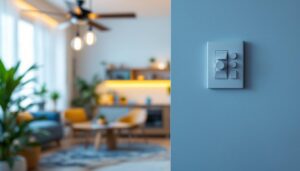
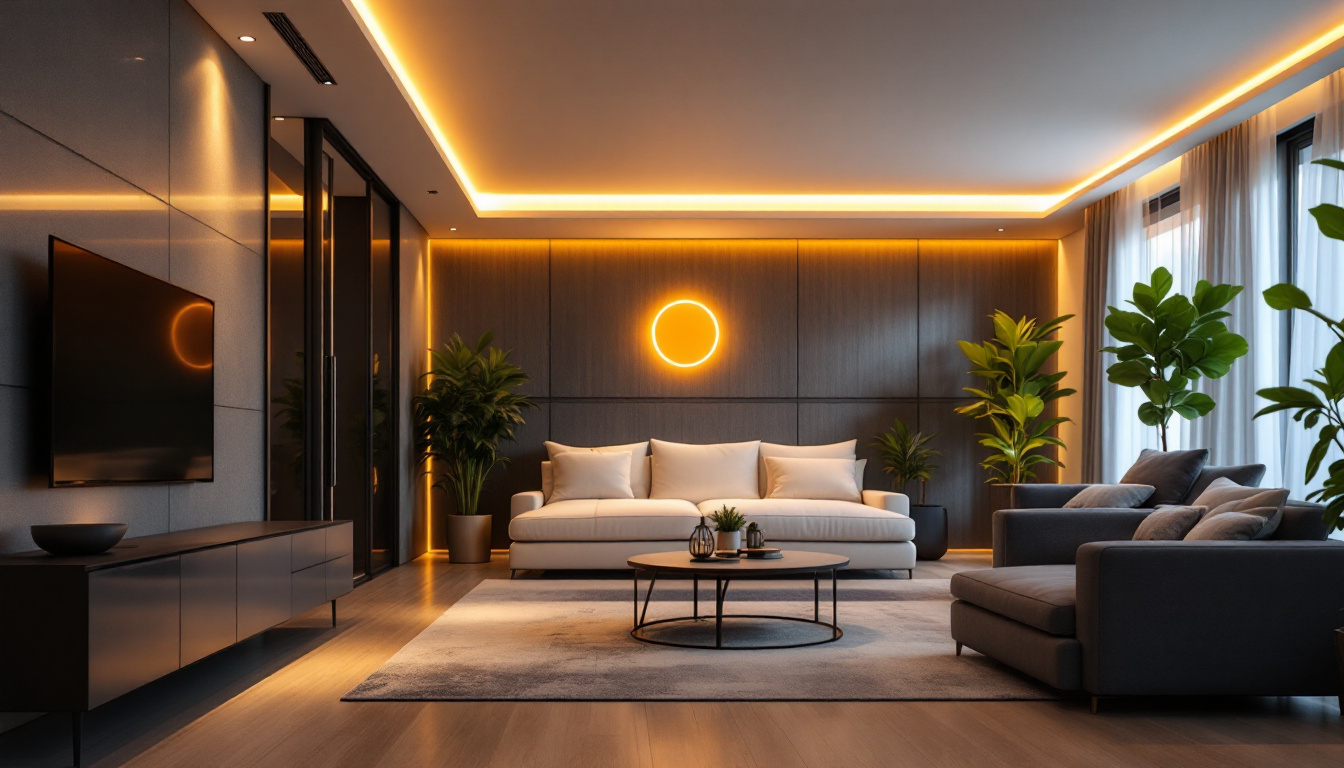
In residential settings, luminaires are essential for creating ambiance and functionality. Different rooms require different lighting strategies; for example, warm, soft lighting is often preferred in living areas, while brighter, cooler light may be more suitable for kitchens and workspaces. The use of dimmers and smart lighting systems can further enhance the versatility of residential luminaires. Moreover, the integration of LED technology has revolutionized home lighting, offering energy efficiency and a longer lifespan compared to traditional bulbs. Homeowners can now choose from a wide array of styles and designs, allowing them to express their personal taste while ensuring that each space is adequately illuminated.
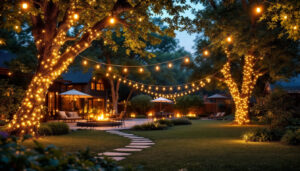
Additionally, outdoor luminaires play a critical role in enhancing the safety and aesthetic appeal of residential properties. Pathway lights, floodlights, and decorative lanterns not only illuminate walkways and entrances but also contribute to the overall curb appeal of a home. Smart outdoor lighting systems can be programmed to adjust automatically based on the time of day or occupancy, providing both security and convenience for homeowners.
Commercial Applications
In commercial environments, luminaires must balance aesthetics with functionality. Retail spaces often utilize accent lighting to highlight products, while office environments may require uniform lighting to ensure comfort and productivity. Additionally, energy-efficient luminaires can significantly reduce operational costs in commercial buildings, making them an attractive investment for business owners. The trend towards open office layouts has also influenced lighting design, with a growing emphasis on natural light and adjustable fixtures that cater to the diverse needs of employees.
Furthermore, the use of smart lighting controls in commercial applications allows for enhanced flexibility and energy management. These systems can be programmed to adjust lighting based on occupancy, time of day, or even the specific tasks being performed in a space. This not only improves energy efficiency but also creates a more dynamic and responsive work environment, ultimately contributing to employee satisfaction and productivity.
Industrial Applications
Industrial settings present unique challenges for lighting design. High ceilings, large spaces, and specific safety requirements necessitate robust and effective lighting solutions. Luminaires designed for industrial applications often feature durable materials and high lumen output to ensure adequate visibility and safety in work environments. Additionally, the use of explosion-proof fixtures is crucial in environments where flammable materials are present, ensuring compliance with safety regulations while providing reliable illumination.
Moreover, the advent of smart technology in industrial lighting is paving the way for enhanced operational efficiency. Sensors can be integrated into luminaires to monitor light levels and adjust accordingly, reducing energy consumption during non-peak hours. This not only lowers energy costs but also extends the lifespan of the lighting fixtures, making them a sustainable choice for industrial operations. As industries continue to evolve, the importance of effective lighting solutions will only grow, highlighting the need for innovative luminaire designs that meet the demands of modern workspaces.
Trends Influencing Luminaire Design
As the lighting industry evolves, several trends are shaping the design and functionality of luminaires. Staying abreast of these trends can help contractors provide innovative solutions to their clients.
Smart Lighting Technology
The rise of smart technology has transformed the way luminaires are designed and utilized. Smart lighting systems allow users to control their lighting through mobile applications or voice commands, offering unprecedented convenience and customization. This trend is particularly appealing in both residential and commercial applications, where energy savings and user experience are paramount.
Human-Centric Lighting
Human-centric lighting focuses on the impact of light on human well-being. This approach considers factors such as color temperature and intensity, aiming to mimic natural light patterns. By incorporating human-centric design principles, contractors can create spaces that promote health, productivity, and comfort, particularly in workplaces and educational environments.
Minimalist and Aesthetic Designs
As interior design trends lean towards minimalism, luminaires are also evolving to reflect this aesthetic. Sleek, unobtrusive designs that blend seamlessly with the environment are increasingly popular. This trend not only enhances the visual appeal of a space but also allows the light itself to take center stage, creating a more immersive experience.
Challenges in Luminaire Lighting Solutions
While the advancements in luminaire technology and design offer numerous benefits, challenges remain. Lighting contractors must navigate these obstacles to deliver optimal solutions to their clients.
Regulatory Compliance
Compliance with local and national lighting regulations can be complex. Contractors must ensure that their luminaire selections meet safety standards, energy efficiency requirements, and any specific regulations pertinent to the application. Staying informed about these regulations is crucial for successful project execution.
Integration with Existing Systems
Many projects involve retrofitting or upgrading existing lighting systems. Integrating new luminaires with older infrastructure can pose challenges, particularly in terms of compatibility and performance. Contractors must carefully assess the existing systems and plan for potential modifications to ensure a seamless transition.
Conclusion
Luminaire light fixtures are integral to modern lighting solutions, offering both functional and aesthetic benefits across various applications. As technology continues to advance, lighting contractors must remain informed about the latest trends and challenges in the industry. By understanding the importance of luminaire selection, energy efficiency, and the diverse applications of these fixtures, contractors can provide tailored solutions that meet the evolving needs of their clients.
In an ever-changing landscape, the role of luminaires will only continue to grow, making it essential for lighting professionals to embrace innovation and sustainability in their designs. By doing so, they can contribute to creating spaces that are not only well-lit but also enhance the quality of life for those who inhabit them.
Illuminate Your Projects with LumenWholesale
Ready to elevate your lighting solutions with the latest in luminaire technology? Look no further than LumenWholesale, where we provide contractors with the highest quality, spec-grade lighting products at unbeatable wholesale prices. Say goodbye to local distributor markups and hello to a vast selection of reliable, high-performance lighting that meets the most rigorous industry standards. Plus, with free shipping on bulk orders, you can ensure your projects shine without the burden of hidden fees. Don’t compromise on quality or value—choose LumenWholesale for the perfect blend of affordability and convenience. Discover our extensive range and take advantage of the best value in wholesale lighting by visiting Wholesale Lighting at the Best Value today.