As the demand for energy-efficient and versatile lighting solutions continues to grow, strip LED lighting has emerged as a popular choice among both residential and commercial projects. For lighting contractors, understanding the intricacies of strip LED lighting can enhance service offerings and improve client satisfaction. This guide delves into the essential aspects of strip LED lighting, providing valuable insights and practical tips for successful implementation.
Understanding Strip LED Lighting
Strip LED lighting, often referred to as LED tape or ribbon lighting, consists of a flexible circuit board populated with light-emitting diodes (LEDs). This type of lighting is available in various lengths, colors, and brightness levels, making it an adaptable option for numerous applications. Whether used for decorative purposes in homes or for functional lighting in commercial spaces, strip LEDs have gained popularity due to their versatility and ease of installation.
Components of Strip LED Lighting
To effectively work with strip LED lighting, it is crucial to understand its key components. These include:
- LEDs: The heart of the strip, these tiny lights emit brightness and color.
- Flexible Circuit Board: This board provides the structure for the LEDs and allows for bending and shaping.
- Power Supply: A transformer or driver is necessary to convert standard voltage to the low voltage required by the LEDs.
- Adhesive Backing: Many strips come with a sticky backing for easy installation on various surfaces.
Understanding these components is essential for installation, troubleshooting, and maintenance, ensuring contractors can provide comprehensive service to clients. Additionally, knowing the specifications of each component can help in selecting the right strip for specific environments, such as high-humidity areas or outdoor settings. For instance, waterproof strips are available for outdoor installations, providing durability against the elements.
Types of Strip LED Lighting
Strip LED lighting is available in various types, each suited for different applications:
- Single Color: These strips emit one consistent color, ideal for accent lighting.
- RGB: These strips can produce multiple colors and are often used for dynamic lighting effects.
- RGBW: This variant includes a dedicated white LED, allowing for a true white light in addition to color options.
Choosing the right type for a project is crucial, as it can significantly impact the final aesthetic and functionality of the lighting solution. For example, RGB strips are particularly popular in entertainment venues and gaming setups, where vibrant color changes can enhance the atmosphere. On the other hand, single color strips are frequently used in retail displays to highlight products without distraction. Furthermore, the ability to control these strips through smart home systems has opened up new possibilities for customization, allowing users to adjust brightness and color schemes with ease.
Applications of Strip LED Lighting
Strip LED lighting is incredibly versatile, making it suitable for a wide range of applications. Its adaptability allows contractors to offer innovative solutions that cater to various client needs.
Residential Use
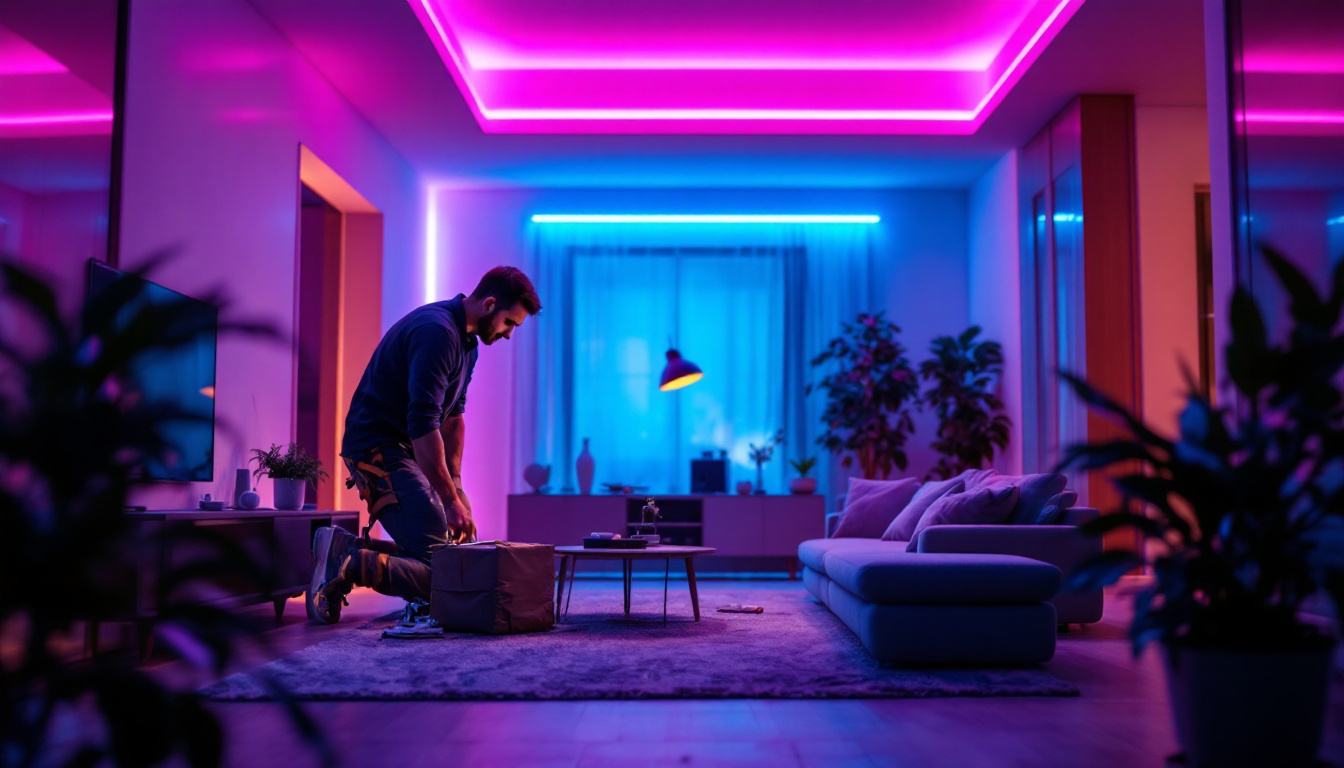
In residential settings, strip LED lighting can enhance ambiance and functionality. Common applications include:
- Under Cabinet Lighting: Provides task lighting in kitchens, enhancing visibility while cooking.
- Accent Lighting: Highlights architectural features, artwork, or decorative elements within a home.
- Backlighting: Creates a soft glow behind televisions or mirrors, adding depth and interest.
These applications not only improve aesthetics but also increase the overall value of the property. Additionally, strip LED lighting can be integrated into smart home systems, allowing homeowners to control the lighting remotely or set schedules for automatic adjustments. This level of customization not only enhances convenience but also promotes energy efficiency, as homeowners can easily turn off lights that are not in use or adjust brightness levels based on the time of day.
Furthermore, the color temperature of strip LEDs can be chosen to suit different moods and activities. Warmer tones can create a cozy atmosphere for family gatherings, while cooler tones may be more appropriate for focused tasks like reading or studying. This versatility in color and brightness makes strip LED lighting an essential tool for modern home design.
Commercial Use
In commercial spaces, strip LED lighting can be employed to create an inviting atmosphere while maintaining energy efficiency. Key applications include:
- Retail Displays: Enhances product visibility and draws attention to merchandise.
- Office Lighting: Provides ambient lighting that reduces eye strain and increases productivity.
- Hospitality Lighting: Sets the mood in restaurants and hotels, creating a welcoming environment for guests.
By utilizing strip LED lighting in commercial projects, contractors can help businesses achieve their branding and operational goals. Moreover, the longevity and durability of LED technology mean that businesses can save significantly on maintenance and replacement costs over time. This is especially beneficial in high-traffic areas where traditional lighting might require frequent changes.
Additionally, strip LED lighting can be used in innovative ways to enhance customer experiences. For instance, in restaurants, dynamic lighting can be adjusted throughout the day to reflect changing moods—from bright and energetic during lunch hours to soft and intimate during dinner service. In office environments, the ability to customize lighting can lead to improved employee satisfaction and well-being, ultimately fostering a more productive workplace. The integration of strip LED lighting into commercial design is not just about illumination; it’s about creating spaces that resonate with both employees and customers alike.
Installation Considerations
Proper installation is critical to the performance and longevity of strip LED lighting. Contractors must be aware of several key factors to ensure a successful installation.
Surface Preparation
Before installation, the surface must be adequately prepared. This includes:
- Cleaning: Remove dust, grease, and debris to ensure proper adhesion of the adhesive backing.
- Smoothing: Ensure the surface is smooth and free of imperfections that could affect the strip’s adhesion.
Taking the time to prepare the surface can prevent future issues, such as peeling or uneven lighting.
Power Supply Selection
Selecting the appropriate power supply is crucial for the performance of strip LED lighting. Considerations include:
- Voltage: Ensure the power supply matches the voltage requirements of the LED strip.
- Wattage: Calculate the total wattage needed based on the length of the strip and select a power supply that can handle the load.
Using an inadequate power supply can lead to dim lighting or even damage to the LEDs.
Wiring and Connections
Proper wiring and connections are essential for the functionality and safety of strip LED lighting installations. Understanding the wiring process can prevent common issues and ensure a smooth installation.
Connecting Strips
When connecting multiple strips, it is essential to:
- Use appropriate connectors: Ensure connectors are rated for the voltage and current of the strips.
- Maintain polarity: Connect positive to positive and negative to negative to avoid damage.
Failure to follow these guidelines can result in malfunctioning lights or even electrical hazards.
Testing the Installation
After installation, testing the system is crucial. This includes:
- Powering on the system: Check for any flickering or dim areas that may indicate poor connections.
- Verifying color consistency: Ensure that RGB strips display colors evenly across the length of the strip.
Thorough testing can help identify and rectify any issues before the project is completed.
Maintenance and Troubleshooting
Even with proper installation, strip LED lighting may require maintenance or troubleshooting over time. Being prepared for these scenarios can enhance client satisfaction and prolong the life of the lighting system.
Common Issues
Some common issues that may arise include:
- Flickering Lights: Often caused by inadequate power supply or poor connections.
- Uneven Brightness: This may indicate a failing LED or poor installation.
- Color Inconsistency: Particularly in RGB strips, this can be due to faulty connections or a malfunctioning controller.
Identifying these issues early can prevent further complications and ensure a reliable lighting solution.
Routine Maintenance
Regular maintenance can help extend the life of strip LED lighting. Recommendations include:
- Cleaning: Dust and clean the strips periodically to maintain brightness and appearance.
- Inspecting Connections: Regularly check connections for signs of wear or corrosion.
By implementing a routine maintenance schedule, contractors can help clients avoid costly repairs or replacements.
Design Considerations
When integrating strip LED lighting into a project, design considerations play a vital role in achieving the desired effect. Understanding how to effectively use strip lighting can enhance both functionality and aesthetics.
Lighting Layout
Planning the layout of strip LED lighting is crucial for achieving balanced illumination. Considerations include:
- Spacing: Determine the appropriate spacing between strips to avoid dark spots or overly bright areas.
- Layering: Combine strip lighting with other light sources to create depth and dimension in the space.
A well-thought-out lighting layout can significantly enhance the overall ambiance of a room.
Color Temperature
The color temperature of strip LED lighting can greatly impact the mood of a space. Options typically range from warm white to cool white. Consider the following:
- Warm White (2700K-3000K): Ideal for creating a cozy and inviting atmosphere, perfect for residential spaces.
- Cool White (4000K-5000K): Provides a more clinical and bright environment, suitable for offices and workspaces.
Choosing the right color temperature can enhance the functionality of the space while aligning with the client’s vision.
Conclusion
Strip LED lighting presents a wealth of opportunities for lighting contractors looking to expand their service offerings. By understanding the components, applications, installation considerations, and design strategies, contractors can provide clients with innovative and efficient lighting solutions. As the industry continues to evolve, staying informed about the latest trends and technologies will ensure that contractors remain competitive and successful in their endeavors.
With the right knowledge and skills, strip LED lighting can transform spaces, enhance aesthetics, and contribute to energy savings. By embracing this versatile lighting solution, contractors can meet the diverse needs of their clients while paving the way for a brighter, more sustainable future.
Get Your Premium Strip LED Lighting at LumenWholesale
Ready to elevate your lighting projects with the highest quality strip LED lighting? Look no further than LumenWholesale, where we provide contractors with spec-grade lighting products at unmatched wholesale prices. Say goodbye to local distributor markups and hello to our extensive selection that meets rigorous industry standards. With LumenWholesale, you can enjoy the convenience of bulk buying with free shipping, ensuring you get the best value without any hidden costs. Take the first step towards a brighter, more cost-effective future for your clients. Visit LumenWholesale today for wholesale lighting that blends quality, affordability, and convenience seamlessly.