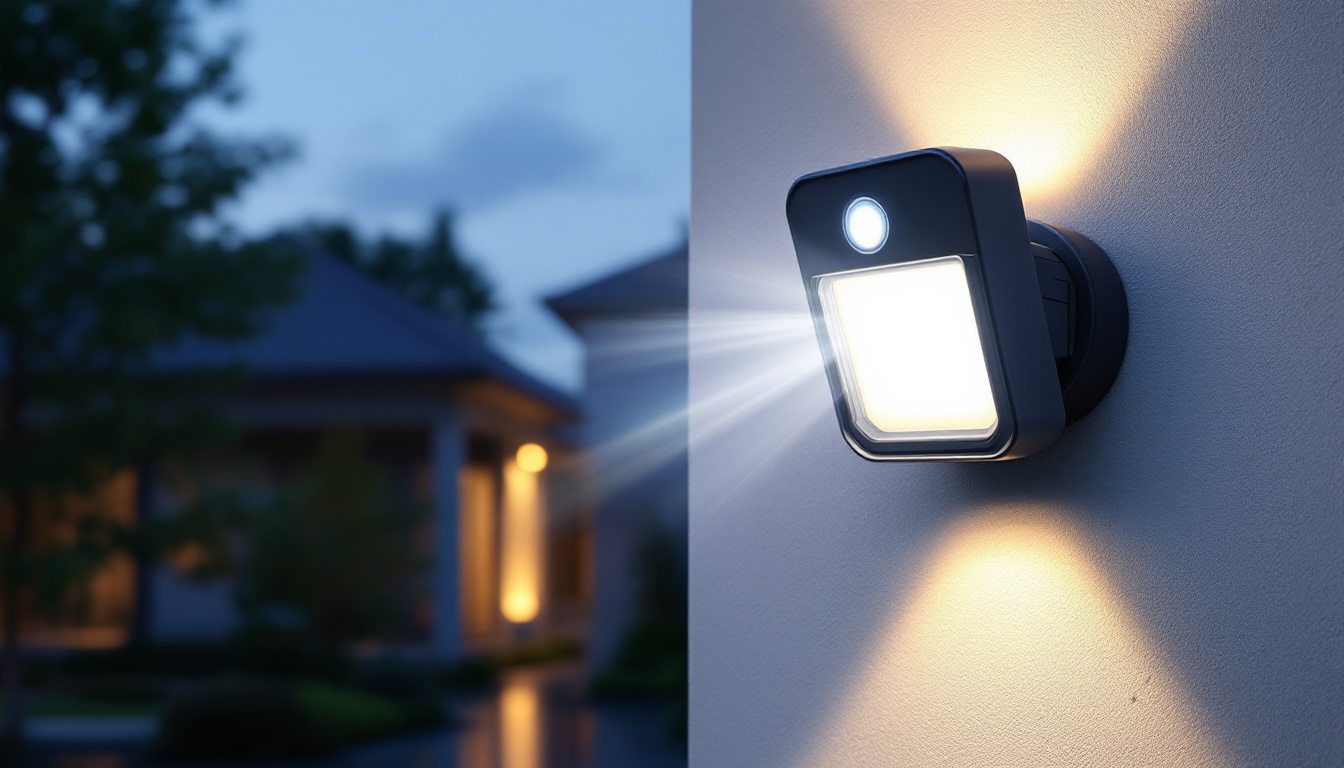
As the demand for enhanced security solutions continues to rise, the role of lighting contractors has become increasingly vital. One of the most effective tools in a contractor’s arsenal is the security light with a motion sensor. This guide delves into the intricacies of these systems, offering valuable insights for lighting contractors looking to expand their knowledge and services.
Understanding Motion Sensor Technology
motion sensor technology has evolved significantly over the years, offering a range of options for various applications. At its core, motion sensors detect movement within a specified range and activate lighting systems accordingly. This not only enhances security but also promotes energy efficiency. As the demand for smart home technology continues to rise, the integration of motion sensors into everyday devices has become increasingly common, allowing homeowners to enjoy greater convenience and control over their environments.
Types of Motion Sensors
There are primarily two types of motion sensors used in security lighting: passive infrared (PIR) and microwave sensors. PIR sensors detect heat emitted by objects, making them ideal for outdoor applications. They are commonly used in residential and commercial settings, providing reliable detection of intruders. Furthermore, these sensors can be designed to cover various angles and distances, ensuring that vulnerable areas are adequately monitored. This adaptability is crucial for homeowners looking to enhance their security without compromising aesthetics.
Microwave sensors, on the other hand, emit microwave pulses and measure the reflection of those waves. They are more sensitive than PIR sensors and can detect movement through walls and other obstacles. This makes them suitable for larger areas or environments where traditional PIR sensors may struggle. Their ability to penetrate barriers allows for a more comprehensive surveillance capability, making them ideal for warehouses, parking lots, and expansive outdoor spaces where traditional sensors might miss critical movements.
How Motion Sensors Work
Motion sensors operate based on specific detection principles. PIR sensors rely on the change in infrared radiation caused by a moving object, while microwave sensors utilize the Doppler effect to detect movement. Understanding these principles is crucial for contractors when selecting the appropriate sensor type for a given project. Moreover, advancements in technology have led to the development of dual-technology sensors that combine both PIR and microwave detection methods, significantly reducing the likelihood of false alarms while enhancing overall reliability.
Additionally, most motion sensors come with adjustable sensitivity settings, allowing contractors to customize the detection range and minimize false alarms. This flexibility is essential for ensuring that the system operates effectively in various environments. Some modern motion sensors even incorporate smart technology, enabling users to receive real-time alerts on their smartphones or integrate with home automation systems for seamless control. This evolution in motion sensor technology not only improves security but also enhances the user experience, making it easier to manage lighting and security from anywhere in the world.
Benefits of Security Lights with Motion Sensors
Integrating motion sensor technology into security lighting systems offers numerous advantages. For lighting contractors, understanding these benefits can help in effectively communicating value to clients.
Enhanced Security
The primary benefit of security lights with motion sensors is increased security. These lights activate when movement is detected, illuminating the area and potentially deterring intruders. The sudden burst of light can startle an intruder, making them think twice about proceeding.
Moreover, well-placed motion sensor lights can provide critical visibility in dark areas, such as driveways, backyards, and entry points. This not only protects the property but also enhances safety for residents and visitors. In addition to deterring potential threats, these lights can also assist in emergency situations, allowing homeowners to navigate their surroundings safely during power outages or unexpected incidents. The presence of motion sensor lights can create a sense of security, encouraging families to enjoy their outdoor spaces without fear of the dark.
Energy Efficiency
Energy efficiency is another significant advantage of motion sensor lights. Traditional outdoor lighting systems often remain on throughout the night, consuming unnecessary energy. In contrast, motion sensor lights only activate when needed, reducing energy consumption and lowering utility bills.
For clients concerned about their environmental footprint, promoting energy-efficient solutions can be a selling point. Highlighting the long-term savings associated with motion sensor lights can help contractors secure more projects. Additionally, many modern motion sensor lights are equipped with LED technology, which not only enhances their lifespan but also further decreases energy usage compared to incandescent bulbs. This combination of smart technology and energy efficiency positions motion sensor lights as a forward-thinking choice for eco-conscious homeowners, making them an attractive option in today’s market.
Choosing the Right Security Light with Motion Sensor
Selecting the appropriate motion sensor light involves several considerations. Lighting contractors should evaluate the specific needs of their clients and the environment in which the lights will be installed.
Consider the Environment
The installation environment plays a crucial role in determining the type of motion sensor light to use. For outdoor applications, lights must be weather-resistant and durable enough to withstand various conditions. Look for products with a suitable IP rating, indicating their resistance to dust and moisture.
Additionally, consider the area’s natural features. For instance, if the installation site has many trees or shrubs, a more sensitive sensor may be required to avoid false alarms triggered by wildlife. Understanding the unique characteristics of the installation site can guide the selection process.
Determine the Coverage Area
Another critical factor is the coverage area. Motion sensors have different detection ranges, typically measured in degrees and feet. For larger properties, contractors may need to install multiple lights to ensure comprehensive coverage.
Contractors should also consider the height at which the lights will be mounted. A higher installation may increase the coverage area but could also reduce the sensor’s effectiveness. Balancing height and range is essential for optimal performance.
Installation Best Practices
Optimal Placement
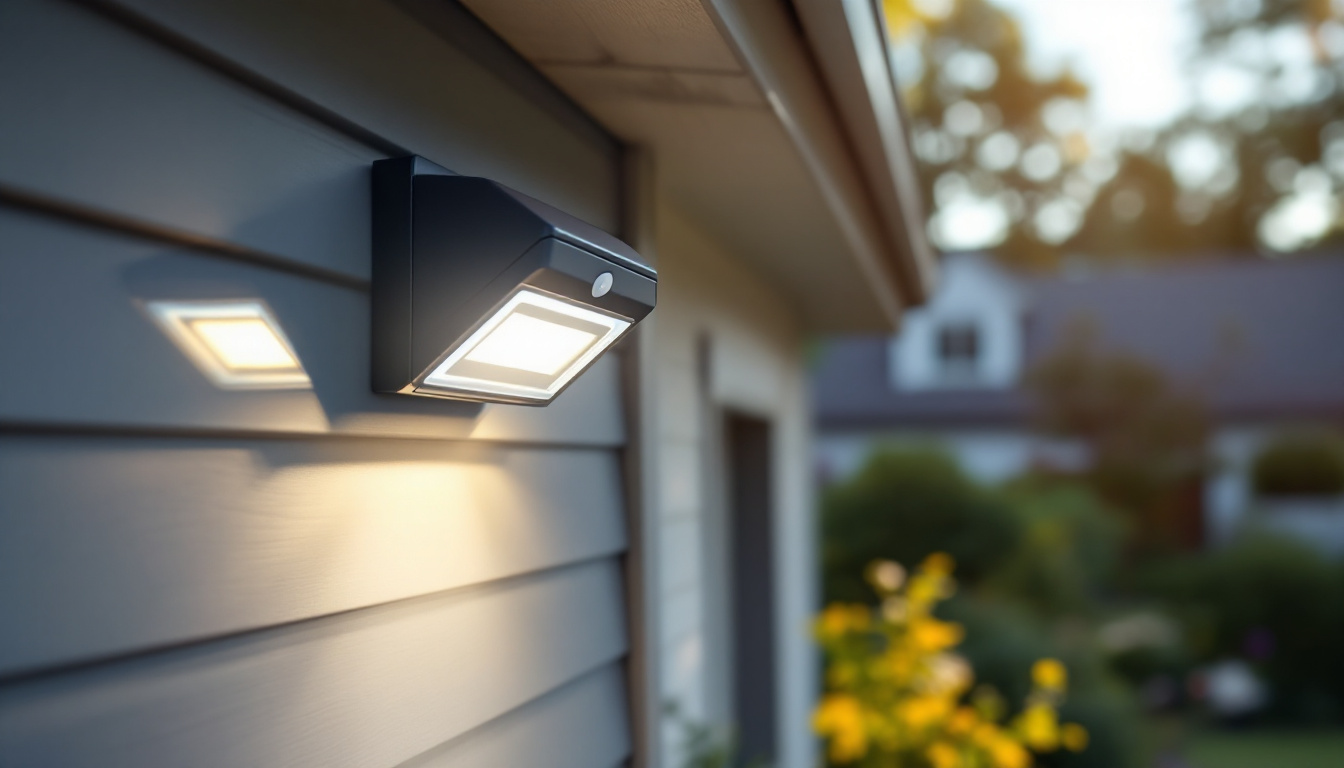
Placement of motion sensor lights is critical. They should be installed in locations that maximize their effectiveness, such as near entry points, driveways, and dark corners of the property. Additionally, positioning the lights at an angle can help broaden the detection range.
Contractors should also consider potential obstructions that could interfere with the sensor’s line of sight. Avoid placing lights near objects that could block movement detection, such as fences or large plants.
Wiring and Power Supply
When installing security lights, proper wiring and power supply are essential. Ensure that the lights are connected to a reliable power source, and consider using LED lights for their energy efficiency and longevity.
For areas where running electrical wiring is challenging, solar-powered motion sensor lights can be an excellent alternative. These lights harness solar energy during the day and operate independently, reducing installation complexity.
Maintenance and Troubleshooting
Routine Checks
Encourage clients to test the motion sensors periodically. This can help identify any malfunctions early, ensuring that the security system remains reliable and effective.
Troubleshooting Common Issues
Even with regular maintenance, issues may arise with motion sensor lights. Common problems include false alarms, lights not turning on, or sensors being overly sensitive.
Future Trends in Security Lighting
Smart Home Integration
One of the most significant trends is the integration of security lights with smart home systems. Many modern motion sensor lights can now connect to home automation systems, allowing users to control their lighting remotely via smartphone apps.
Energy Management Systems
Energy management systems are also becoming increasingly popular. These systems allow homeowners to monitor and control their energy usage more effectively. By integrating motion sensor lights into these systems, contractors can provide clients with a comprehensive solution for managing energy consumption.
Conclusion
Security lights with motion sensors are an essential component of modern security systems. For lighting contractors, understanding the technology, benefits, installation practices, and future trends is crucial for providing clients with effective solutions.
By staying informed and adapting to the evolving landscape of security lighting, contractors can enhance their service offerings and meet the growing demand for advanced security solutions. Embracing these technologies not only benefits clients but also positions contractors as leaders in the industry.
Get Your Premium Security Lighting at LumenWholesale
Ready to elevate your lighting projects with the most advanced security lights with motion sensors? Look no further than LumenWholesale. Our commitment to quality and affordability ensures that you have access to the best spec-grade lighting products without the hefty price tag. With LumenWholesale, you can confidently meet the growing demand for sophisticated security solutions, backed by the convenience of free shipping on bulk orders. Don’t let middleman markups dim your project’s potential. Wholesale Lighting at the Best Value is just a click away. Partner with us and shine a light on excellence for all your lighting needs.