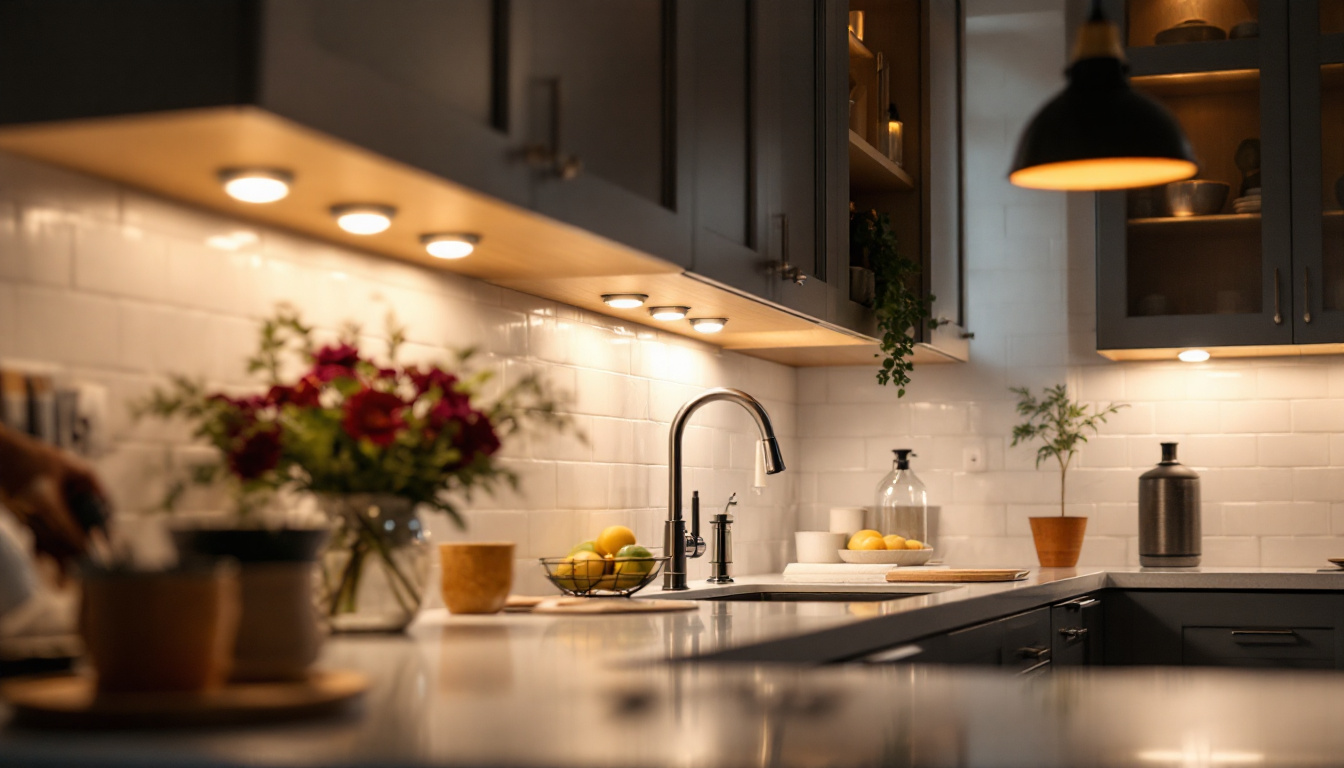
under cabinet lighting has become an essential element in modern kitchen design, offering both functional and aesthetic benefits. For lighting contractors, mastering the art of under cabinet lighting can elevate their projects and satisfy clients’ demands for both efficiency and style. This article delves into the best practices, types of lighting, and installation techniques that can help contractors excel in this niche.
Understanding Under Cabinet Lighting
Under cabinet lighting serves multiple purposes, including enhancing visibility for tasks, adding ambiance, and highlighting design features. It is particularly popular in kitchens where workspaces require adequate illumination. However, understanding the nuances of these lighting solutions is crucial for successful implementation.
Benefits of Under Cabinet Lighting
One of the primary advantages of under cabinet lighting is its ability to eliminate shadows in work areas. By providing direct light where it is needed most, these fixtures improve functionality in kitchens, making meal preparation and cooking safer and more efficient. Additionally, under cabinet lights can create a warm and inviting atmosphere, enhancing the overall aesthetic of the space.
Moreover, under cabinet lighting can be energy-efficient, especially with the advent of LED technology. These lights consume less power and have a longer lifespan compared to traditional incandescent bulbs, making them a cost-effective choice for homeowners. The low heat output of LED lights also contributes to a cooler kitchen environment, which is particularly beneficial during hot cooking sessions.
Furthermore, the adaptability of under cabinet lighting extends beyond just kitchens. These fixtures can be effectively utilized in home offices, workshops, and craft areas, providing essential task lighting that enhances productivity. The ability to control the brightness and color temperature of these lights allows homeowners to create the perfect ambiance for any activity, whether it’s focused work or leisurely hobbies.
Types of Under Cabinet Lighting
Lighting contractors should be familiar with the various types of under cabinet lighting available on the market. The most common options include LED strip lights, puck lights, and fluorescent fixtures. Each type has its own set of advantages and ideal applications.
LED strip lights are versatile and can be easily cut to fit any length, making them perfect for custom installations. Puck lights provide focused illumination and can be installed in a variety of configurations, while fluorescent fixtures offer a broader light spread but may require more space. Understanding the strengths and weaknesses of each type will help contractors make informed decisions for their projects.
In addition to these traditional options, there is also a growing trend toward smart under cabinet lighting. These systems can be integrated with home automation technology, allowing users to control lighting through smartphones or voice commands. This innovation not only enhances convenience but also enables users to set schedules and adjust lighting based on their daily routines. As smart home technology continues to evolve, the integration of under cabinet lighting into these systems is likely to become even more prevalent, offering homeowners unprecedented control over their living spaces.
Choosing the Right Fixtures
When selecting under cabinet lighting fixtures, several factors must be considered to ensure optimal performance and client satisfaction. From brightness to color temperature, each element contributes to the overall effectiveness of the lighting solution.
Brightness and Lumens
Brightness is a critical factor in under cabinet lighting. Measured in lumens, the brightness level needed will vary depending on the specific tasks being performed in the kitchen. For general tasks, a range of 200 to 300 lumens per linear foot is typically recommended. However, for detailed work, such as chopping vegetables or reading recipes, higher lumens may be necessary.
Contractors should also consider the layout of the kitchen and the placement of the fixtures to ensure even distribution of light. This can help avoid dark spots and shadows that can hinder functionality. Moreover, the type of surface being illuminated can also affect how light is perceived; for instance, glossy surfaces may reflect light differently than matte finishes, which can influence the overall brightness and ambiance of the kitchen.
Color Temperature
Color temperature, measured in Kelvin (K), plays a significant role in the ambiance of the space. Warmer tones (2700K to 3000K) create a cozy atmosphere, while cooler tones (4000K to 5000K) offer a more modern and energetic feel. Lighting contractors should discuss with clients their preferences and the overall design theme of the kitchen to select the appropriate color temperature.
Additionally, some fixtures offer adjustable color temperatures, providing flexibility for different tasks and moods. This feature can be particularly appealing to clients seeking versatility in their lighting solutions. For example, a client might prefer a warm glow during family gatherings for a relaxed vibe, but switch to a cooler tone when preparing meals to enhance focus and visibility. Furthermore, integrating smart lighting systems can allow users to control brightness and color temperature through mobile apps or voice commands, adding a layer of convenience and modernity to the kitchen experience.
Installation Techniques for Under Cabinet Lighting
Proper installation is key to achieving the desired results with under cabinet lighting. Lighting contractors must be adept at various installation techniques to ensure that fixtures are securely mounted and provide optimal performance.
Planning the Layout
Before installation, it is essential to plan the layout of the lighting fixtures. This involves measuring the cabinet space and determining the best locations for the lights. Contractors should consider the height of the cabinets, the depth of the countertop, and the overall design of the kitchen.
Using a template or a mock-up can help visualize the placement of the fixtures. This step is crucial, as it can prevent costly mistakes and ensure that the lighting is both functional and aesthetically pleasing. Additionally, it’s beneficial to take into account the activities that will be performed in the kitchen, such as food preparation or entertaining, as these factors can influence the type and intensity of lighting required. For instance, areas where chopping and cooking take place may benefit from brighter, more focused lighting, while spaces designated for dining may require softer, ambient lighting to create a welcoming atmosphere.
Wiring and Power Supply
When installing under cabinet lighting, proper wiring and power supply are vital. Depending on the type of fixtures being used, contractors may need to run electrical wiring to each location. It is essential to adhere to local electrical codes and regulations to ensure safety and compliance.
For LED strip lights, many options come with plug-in power supplies, making installation simpler. However, for hardwired fixtures, contractors should be prepared to work with electrical boxes and switches. Ensuring that the power supply is adequate for the number of fixtures being installed is crucial to prevent flickering or failure. Additionally, it’s wise to consider the use of dimmer switches, which can enhance the versatility of the lighting setup. Dimmers allow homeowners to adjust the brightness according to their needs, whether it’s for a lively cooking session or a relaxed evening gathering. Moreover, integrating smart home technology can further elevate the functionality of under cabinet lighting, enabling remote control and customization through mobile devices or voice commands.
Enhancing Functionality with Control Options
Incorporating control options can significantly enhance the functionality of under cabinet lighting. Lighting contractors should consider integrating dimmers, timers, and smart home technology to provide clients with greater control over their lighting environment.
Dimmers and Timers
Dimmers allow users to adjust the brightness of their under cabinet lights, providing flexibility for various tasks and moods. Installing dimmer switches can enhance the overall experience of the kitchen, allowing for bright light during food preparation and softer light during entertaining.
Timers can also be beneficial, enabling homeowners to set their lights to turn on and off at specific times. This feature can enhance security and energy efficiency, as lights can be programmed to simulate occupancy when homeowners are away.
Smart Home Integration
With the rise of smart home technology, integrating under cabinet lighting into a smart home system can be an attractive selling point for clients. Smart lighting systems allow users to control their lights through mobile apps or voice commands, offering convenience and customization.
Contractors should be familiar with various smart lighting options and how to install them effectively. This knowledge can set contractors apart in a competitive market, appealing to tech-savvy homeowners looking for modern solutions.
Maintenance and Troubleshooting
Proper maintenance and troubleshooting are essential aspects of under cabinet lighting that contractors should be prepared to address. Understanding common issues and how to resolve them can enhance client satisfaction and establish a contractor’s reputation for reliability.
Common Issues
Some common issues with under cabinet lighting include flickering, dimming, and complete failure of fixtures. Flickering can often be attributed to loose connections or incompatible dimmer switches. Contractors should ensure that all connections are secure and that the dimmer switch is compatible with the type of bulbs being used.
Dim lights may indicate a need for a higher wattage power supply or could be a sign of aging bulbs. Regularly checking and replacing bulbs can prevent these issues from arising. In cases of complete fixture failure, contractors should be prepared to troubleshoot wiring issues or recommend replacement options.
Client Education
Educating clients on the maintenance of their under cabinet lighting is crucial. Providing them with information on how to replace bulbs, clean fixtures, and troubleshoot common issues can empower homeowners and enhance their overall experience. Consider creating a simple guide or offering a follow-up consultation to address any questions or concerns.
Conclusion
Mastering under cabinet lighting is an invaluable skill for lighting contractors. By understanding the various types of fixtures, installation techniques, and control options, contractors can provide clients with effective and aesthetically pleasing solutions. Additionally, being prepared to address maintenance and troubleshooting issues can establish a contractor’s reputation for excellence in the field.
As kitchens continue to evolve into multifunctional spaces, the demand for quality under cabinet lighting will only grow. By staying informed about the latest trends and technologies, lighting contractors can position themselves as experts in this essential aspect of home design.
Illuminate Your Projects with LumenWholesale
Ready to take your under cabinet lighting projects to the next level? At LumenWholesale, we provide lighting contractors with the highest quality, spec-grade lighting products at unbeatable wholesale prices. Say goodbye to local distributor markups and hello to a vast selection of reliable, high-performance lighting that meets the highest industry standards. Plus, with free shipping on bulk orders, you can stock up on premium lighting solutions at the best value — no hidden fees, no compromises. Elevate your lighting installations with the perfect blend of quality, affordability, and convenience. Discover the difference at LumenWholesale — Wholesale Lighting at the Best Value.