The Origins of the Lightbulb: A Foundation for Modern Lighting
The invention of the lightbulb marked a pivotal moment in human history, transforming how people live, work, and interact with their environments. While the exact date of its creation is often debated, it is widely recognized that the development of the incandescent lightbulb was a gradual process involving multiple inventors and innovations over time. Early experiments with electric light paved the way for the practical and commercially viable lightbulbs that revolutionized lighting design and installation.
Understanding the origins of the lightbulb is essential for lighting contractors, as it provides context for the evolution of lighting technology and the principles that continue to influence modern lighting solutions. The incandescent bulb, which produces light by heating a filament until it glows, laid the groundwork for subsequent advancements, including fluorescent, halogen, and LED lighting technologies.
Key Innovations Leading to the Lightbulb
Several inventors contributed to the development of the lightbulb, each improving upon previous designs. Early pioneers experimented with various filament materials, vacuum techniques, and electrical components to create a bulb that was both durable and efficient. These innovations culminated in a device that could be mass-produced and widely adopted, making electric lighting accessible to homes, businesses, and public spaces.
For lighting contractors, this history underscores the importance of innovation and adaptation in the industry. As lighting technology continues to evolve, staying informed about foundational principles and emerging trends is crucial for delivering cutting-edge solutions to clients. The journey of the lightbulb also highlights the interplay between science and creativity, as inventors like Thomas Edison and Joseph Swan not only relied on technical knowledge but also on their ability to envision how electric light could enhance daily life. Their collaborative efforts and competitive spirit spurred rapid advancements, leading to the establishment of electric lighting as a standard in urban planning and architectural design.
Moreover, the introduction of the lightbulb had far-reaching implications beyond mere illumination. It catalyzed the growth of industries related to electricity generation and distribution, creating jobs and stimulating economic development. As cities illuminated their streets and homes, nightlife flourished, and social activities expanded, marking a significant cultural shift. This transformation in society’s rhythm and lifestyle can still be felt today, as modern lighting continues to shape not only our physical spaces but also our social interactions and well-being.
Advancements in Lighting Technology: From Incandescent to LED
The journey from the original incandescent lightbulb to today’s advanced lighting systems highlights significant technological progress. Incandescent bulbs, while revolutionary, were limited by their energy inefficiency and relatively short lifespan. This spurred the development of alternative lighting technologies that offered greater efficiency, longevity, and versatility.
Fluorescent and Halogen Lighting
Fluorescent bulbs introduced a new method of producing light by exciting mercury vapor, resulting in higher energy efficiency compared to incandescent bulbs. Halogen bulbs, a variation of incandescent technology, improved brightness and lifespan by using halogen gas to protect the filament. Both technologies found widespread use in commercial and residential settings, offering lighting contractors more options for tailored installations.
Moreover, fluorescent lighting paved the way for compact fluorescent lamps (CFLs), which further reduced energy consumption and became a popular choice for homeowners looking to lower their electricity bills. The introduction of electronic ballasts also enhanced the performance of fluorescent lights, minimizing flickering and extending their operational life. Halogen bulbs, on the other hand, became a favorite in applications requiring high-intensity lighting, such as in automotive headlights and stage lighting, due to their ability to produce a bright, white light that closely resembles natural daylight.
The Rise of LED Lighting
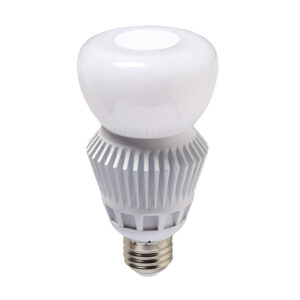
Light Emitting Diode (LED) technology represents the most significant leap in lighting innovation. LEDs consume a fraction of the energy used by incandescent and fluorescent bulbs and boast lifespans that can exceed 25,000 hours. Their compact size and low heat output enable versatile design applications, from intricate architectural lighting to large-scale commercial installations.
For contractors, LEDs offer numerous benefits including reduced maintenance costs, improved energy efficiency, and enhanced design flexibility. As LED technology continues to advance, integrating smart controls and connectivity, lighting professionals must adapt their skills and knowledge to meet evolving client demands. The integration of smart lighting systems allows for remote control, scheduling, and even mood setting, which can significantly enhance user experience in both residential and commercial spaces. Additionally, the ability to customize color temperatures and brightness levels has made LEDs a favorite among designers seeking to create specific atmospheres, whether it be a warm, inviting glow in a restaurant or a bright, focused light in a workspace.
Current Trends in Lighting Design and Installation
The lighting industry is undergoing rapid transformation, driven by technological innovation, environmental considerations, and changing consumer preferences. Lighting contractors play a critical role in navigating these trends to deliver solutions that are both aesthetically pleasing and functionally superior.
Smart Lighting Systems
Smart lighting integrates digital controls, sensors, and connectivity to enable dynamic lighting environments. These systems allow users to adjust brightness, color temperature, and scheduling remotely via smartphones or automation platforms. For commercial spaces, smart lighting can optimize energy use by responding to occupancy and natural light levels, resulting in significant cost savings.
Lighting contractors must be proficient in installing and programming these systems, ensuring seamless integration with building management systems and other IoT devices. This expertise positions contractors as valuable partners in creating intelligent, sustainable lighting environments.
Sustainability and Energy Efficiency
Environmental responsibility is a driving force behind modern lighting design. Energy-efficient lighting solutions reduce carbon footprints and comply with increasingly stringent regulations and building codes. Contractors are tasked with recommending and implementing lighting systems that meet or exceed these standards while maintaining performance and aesthetic quality.
Incorporating renewable energy sources, such as solar-powered lighting, and utilizing materials with low environmental impact are becoming standard practices. Additionally, retrofitting existing lighting installations with LED technology and smart controls is a cost-effective strategy for enhancing sustainability.
Human-Centric Lighting
Emerging research on the effects of light on human health and productivity has led to the development of human-centric lighting (HCL). This approach tailors lighting to support circadian rhythms, improve mood, and enhance visual comfort. Adjustable color temperatures and intensity levels mimic natural daylight patterns, promoting well-being in workplaces, healthcare facilities, and educational environments.
Lighting contractors must understand the principles of HCL to design and install systems that not only illuminate spaces but also contribute positively to occupants’ health and performance.
Challenges and Opportunities for Lighting Contractors
The evolving landscape of lighting design and installation presents both challenges and opportunities for professionals in the field. Contractors must balance technical expertise, regulatory compliance, and client expectations to succeed in a competitive market.
Keeping Pace with Technological Change
Rapid advancements in lighting technology require ongoing education and training. Contractors must stay current with new products, installation techniques, and software tools to offer innovative solutions. This continuous learning ensures that contractors can advise clients accurately and implement systems that maximize performance and efficiency.
Meeting Regulatory and Safety Standards
Compliance with electrical codes, safety standards, and environmental regulations is paramount. Contractors must navigate complex requirements related to energy efficiency, electromagnetic compatibility, and hazardous materials. Adhering to these standards protects clients, ensures project success, and mitigates legal risks.
Enhancing Client Relationships Through Consultation
Modern lighting projects often involve collaborative planning and customization. Contractors who engage clients in the design process, offering expert guidance on lighting effects, energy savings, and maintenance considerations, build trust and foster long-term partnerships. Effective communication and project management skills are as important as technical proficiency.
The Future of Lighting Design and Installation
Looking ahead, the future of lighting design and installation promises exciting developments that will further transform the industry. Innovations in materials science, digital technology, and sustainability will redefine how lighting contractors approach their work.
Integration with Smart Cities and IoT
Lighting infrastructure will increasingly integrate with smart city initiatives, contributing to urban efficiency, safety, and environmental monitoring. Connected lighting systems will interact with traffic management, public safety networks, and environmental sensors, creating responsive and adaptive urban environments.
Lighting contractors will need to develop expertise in networking, data analytics, and cybersecurity to support these complex systems and ensure their reliability and resilience.
Advanced Materials and Lighting Sources
Research into new materials, such as organic LEDs (OLEDs) and quantum dots, is expanding the possibilities for lighting design. These technologies offer advantages in flexibility, color rendering, and energy consumption. The adoption of such materials will enable innovative forms and applications, from transparent lighting panels to wearable illumination.
Personalization and User Experience
Future lighting solutions will emphasize personalization, allowing users to tailor lighting environments to their preferences and activities. Advances in artificial intelligence and machine learning will enable systems to learn user habits and optimize lighting automatically. This user-centric approach will enhance comfort, productivity, and energy efficiency.
Conclusion: Embracing the Evolution of Lighting
The creation of the lightbulb set in motion a continuous evolution of lighting technology that has reshaped human environments. For lighting contractors, understanding this history and staying attuned to current and future trends is essential for delivering innovative, efficient, and sustainable lighting solutions.
As the industry advances, contractors who embrace new technologies, prioritize sustainability, and focus on human-centric design will position themselves as leaders in a dynamic and growing field. The future of lighting design and installation is bright, illuminated by the legacy of the lightbulb and the promise of innovation.
Illuminate Your Projects with LumenWholesale
As you embrace the evolution of lighting and its promising future, partner with LumenWholesale to ensure your lighting projects shine with excellence. Our commitment to providing contractors with top-quality, spec-grade lighting products at unbeatable wholesale prices aligns with the innovative, efficient, and sustainable solutions you seek. With an extensive selection that meets the highest industry standards, LumenWholesale is your go-to source for reliable, high-performance lighting without the inflated markups. Enjoy the convenience of bulk buying with free shipping and no hidden fees. Elevate your lighting installations by choosing the perfect blend of quality, affordability, and convenience. Discover Wholesale Lighting at the Best Value today and light up your projects with confidence.