Understanding Wet Rated Light Fixtures: Definition and Importance
For lighting contractors, selecting the right fixture is crucial not only for aesthetic appeal but also for safety, durability, and compliance with electrical codes. Wet rated light fixtures are designed specifically to withstand direct exposure to water, making them indispensable in environments where moisture is a constant factor.
Wet rated fixtures are tested and certified to operate safely in conditions where water may come into direct contact with the fixture. Unlike damp rated or dry rated fixtures, wet rated options can handle rain, snow, or even direct water spray without compromising their integrity or electrical safety.
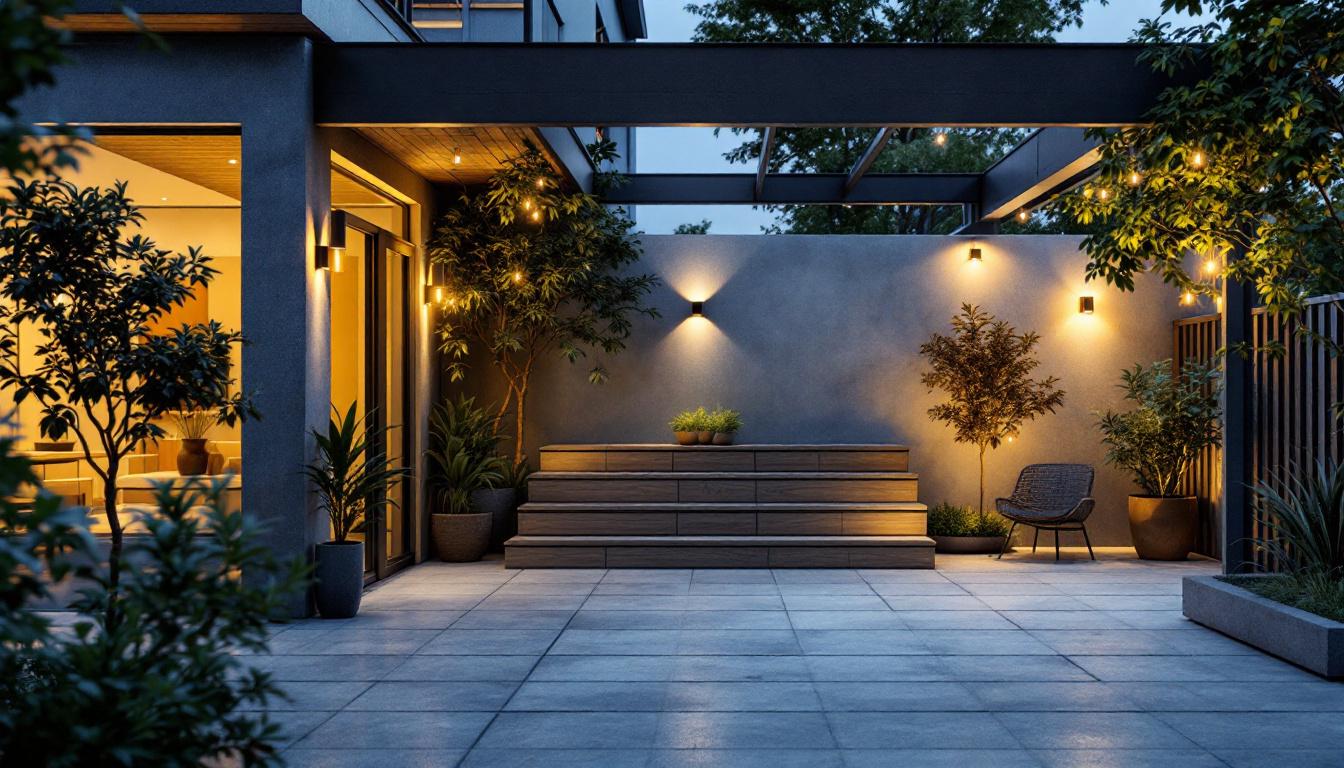
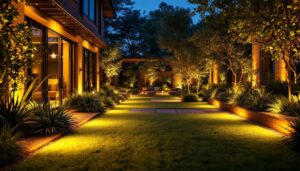
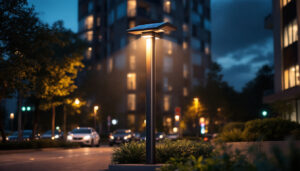
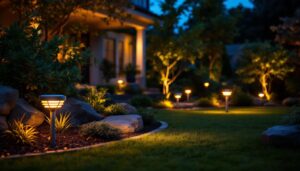
Understanding the distinctions between wet rated and alternative fixtures is essential for contractors to make informed decisions that meet client needs, ensure longevity, and adhere to safety standards. These fixtures are particularly important in outdoor settings such as patios, pools, and walkways, where exposure to the elements is inevitable. By using wet rated fixtures, contractors can help prevent electrical failures and reduce the risk of hazards such as short circuits or fire, which can arise from improper lighting installations in wet environments.
Moreover, the design of wet rated fixtures has evolved significantly, incorporating advanced materials and technologies that enhance both performance and energy efficiency. Many modern wet rated lights utilize LED technology, which not only provides bright illumination but also consumes less energy and has a longer lifespan compared to traditional incandescent or fluorescent bulbs. This shift towards energy-efficient solutions aligns with growing environmental concerns and the push for sustainable building practices, making wet rated fixtures a smart choice for both contractors and clients looking to minimize their carbon footprint while ensuring safety and functionality in wet areas.
Wet Rated vs. Damp Rated vs. Dry Rated: Key Differences
Wet Rated Fixtures
Wet rated fixtures are engineered to endure the harshest outdoor conditions. They are sealed against moisture ingress and often feature corrosion-resistant materials such as stainless steel, sealed glass, or specialized polymers. These fixtures are ideal for outdoor lighting, pool areas, fountains, and other locations where water exposure is unavoidable. Additionally, many wet rated fixtures are designed with enhanced durability to withstand extreme temperatures and UV exposure, ensuring that they not only function properly but also maintain their aesthetic appeal over time. This makes them an excellent choice for coastal areas or regions with heavy rainfall, where traditional fixtures might quickly deteriorate.
Damp Rated Fixtures
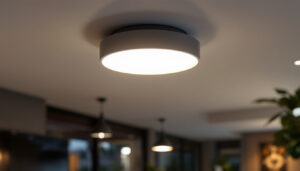
Damp rated fixtures can tolerate high humidity and occasional moisture but are not designed for direct water exposure. They are commonly used in covered outdoor spaces like porches, garages, or bathrooms where condensation or splashes might occur but heavy rain or water spray is unlikely. These fixtures often incorporate materials and finishes that resist rust and mildew, making them suitable for environments where moisture levels fluctuate. For instance, in a bathroom setting, a damp rated light fixture can provide both functionality and style, enhancing the overall ambiance while ensuring safety in a space prone to humidity.
Dry Rated Fixtures
Dry rated fixtures are intended for indoor use only, in environments free from moisture or humidity. These are the most common type of fixtures, suitable for living rooms, offices, and other dry spaces. While they may not be built to withstand moisture, dry rated fixtures can come in a wide variety of designs, styles, and finishes, allowing homeowners and designers to create unique and personalized spaces. Furthermore, many dry rated fixtures are equipped with energy-efficient technologies, such as LED options, which not only reduce energy consumption but also provide long-lasting illumination, making them a practical choice for everyday use.
Why These Differences Matter to Contractors
Choosing an incorrect rating can lead to fixture failure, safety hazards, and costly replacements. For example, installing a damp rated fixture in an uncovered outdoor area exposed to rain can result in water damage and electrical shorts. Lighting contractors must evaluate the installation environment carefully to select the appropriate rating. This involves assessing factors such as exposure to the elements, potential for moisture accumulation, and the specific needs of the space being illuminated. Additionally, understanding the differences in ratings allows contractors to advise clients on the best lighting solutions that not only meet aesthetic desires but also ensure safety and longevity, ultimately enhancing the value of the property.
Material and Design Considerations for Wet Rated Fixtures
Wet rated fixtures incorporate specific materials and design features to ensure resilience against water and environmental stressors. These fixtures are essential for outdoor lighting applications, where exposure to rain, snow, and humidity can significantly impact performance and safety. Understanding the materials and design elements involved in creating these fixtures can help consumers make informed choices that enhance both functionality and aesthetic appeal.
Corrosion Resistance
Materials like aluminum with powder coating, stainless steel, and certain plastics are common in wet rated fixtures. These materials resist rust and corrosion caused by moisture, salt, and chemicals often found in outdoor or poolside environments. Additionally, the choice of finish can play a crucial role; for instance, anodized aluminum offers an extra layer of protection against the elements, ensuring that the fixture maintains its appearance and structural integrity over time. This is particularly important in coastal areas where saltwater can accelerate corrosion, making the selection of high-quality materials a vital consideration for longevity.
Sealing and Gaskets
Effective sealing is critical. Wet rated fixtures use gaskets, silicone seals, and tight-fitting covers to prevent water ingress. The quality of these seals directly impacts the fixture’s longevity and safety. Manufacturers often conduct rigorous testing to ensure that these seals can withstand extreme weather conditions, including heavy rain and high winds. Moreover, the design of the fixture itself can contribute to its water resistance; fixtures with sloped surfaces encourage water runoff, further reducing the risk of moisture accumulation. This attention to detail not only enhances durability but also minimizes maintenance needs, allowing for a more reliable lighting solution.
Glass and Lens Options
Tempered glass or impact-resistant polycarbonate lenses are often employed to protect the light source from water and physical damage. These lenses also help maintain light quality while providing durability. In addition to their protective qualities, the design of the lens can influence the distribution of light, which is essential for creating the desired ambiance in outdoor spaces. Some fixtures come with frosted or diffused lenses that soften the light output, reducing glare and enhancing visibility. Furthermore, advancements in lens technology have led to the development of UV-resistant options that prevent yellowing and degradation over time, ensuring that the fixtures remain visually appealing and functional for years to come.
Energy Efficiency and Technology Trends in Wet Rated Lighting
Modern wet rated fixtures increasingly incorporate energy-efficient technologies such as LED lighting, which offer significant benefits for contractors and end-users alike.
LED Advantages
LED wet rated fixtures consume less power, have longer lifespans, and generate less heat compared to traditional incandescent or halogen bulbs. This reduces maintenance costs and energy bills, which is a compelling selling point for clients.
Smart Lighting Integration
Many wet rated fixtures now support smart controls, including motion sensors, dimmers, and remote operation via mobile apps. These features enhance functionality and user convenience, making them attractive options for residential and commercial projects.
Comparing Wet Rated Fixtures to Alternatives: Pros and Cons
Wet Rated Fixtures
- Pros: Superior durability in wet environments, compliance with safety standards, long lifespan, reduced maintenance.
- Cons: Typically higher upfront cost, may require specialized installation techniques.
Damp Rated Fixtures
- Pros: Lower cost than wet rated, suitable for semi-protected areas, easier installation.
- Cons: Not suitable for direct water exposure, higher risk of damage if misapplied.
Dry Rated Fixtures
- Pros: Widely available, lowest cost, simple installation.
- Cons: Unsuitable for any moisture exposure, potential safety hazards if used outdoors.
Regulatory and Code Compliance Considerations
Lighting contractors must be aware of local electrical codes and standards when selecting fixtures. The National Electrical Code (NEC) and Underwriters Laboratories (UL) provide guidelines and certifications that ensure fixtures are safe for their intended environments.
Wet rated fixtures typically carry UL wet location listings, which confirm they meet stringent testing for water exposure. Using fixtures without proper certification can lead to failed inspections, liability issues, and increased risk of accidents.
Contractors should always verify fixture ratings and certifications before installation, especially for commercial projects where compliance is rigorously enforced.
Installation Best Practices for Wet Rated Fixtures
Proper installation is vital to maximize the performance and safety of wet rated fixtures.
Site Assessment
Evaluate the installation site for exposure to rain, splash, humidity, and potential physical impacts. Understanding the environment helps determine the appropriate fixture rating and mounting method.
Proper Sealing and Wiring
Ensure all wiring connections are protected with waterproof connectors and that seals are intact. Use conduit and junction boxes rated for wet locations to prevent water ingress into electrical components.
Mounting and Positioning
Mount fixtures securely to prevent movement and water pooling. Position lights to minimize direct water spray where possible, even with wet rated fixtures, to prolong lifespan.
Cost Implications and Long-Term Value
While wet rated fixtures generally come with a higher initial price tag, their durability and reduced maintenance needs often result in lower total cost of ownership over time. Contractors should communicate these benefits to clients, emphasizing long-term savings and safety.
In contrast, choosing cheaper damp or dry rated fixtures for wet environments can lead to premature failure, increased labor costs for replacements, and potential liability for unsafe installations.
Case Studies: Successful Applications of Wet Rated Fixtures
Numerous projects demonstrate the advantages of wet rated fixtures. For instance, outdoor commercial plazas with heavy foot traffic and frequent rain exposure benefit from wet rated LED fixtures that maintain consistent illumination and require minimal upkeep.
Similarly, residential pool areas equipped with wet rated lighting enhance safety and ambiance without the risk of electrical hazards, providing peace of mind to homeowners and contractors alike.
Conclusion: Making the Right Choice for Your Projects
For lighting contractors, understanding the distinctions between wet rated, damp rated, and dry rated fixtures is fundamental to delivering safe, durable, and code-compliant lighting solutions. Wet rated fixtures, though often more costly upfront, offer unmatched protection and longevity in environments exposed to water.
By prioritizing fixture ratings, materials, and installation best practices, contractors can ensure successful project outcomes, satisfied clients, and a reputation for quality workmanship. Staying informed about evolving technologies and regulatory standards further empowers contractors to make the best choices in an increasingly competitive market.
Discover Unmatched Lighting Solutions with LumenWholesale
Ready to elevate your lighting projects with the highest quality wet rated fixtures? Look no further than LumenWholesale, where we provide contractors with spec-grade lighting products at the best wholesale prices. Our commitment to cutting out the middleman means you get the most competitive rates without sacrificing performance or quality. With our extensive selection that meets rigorous industry standards, you can confidently tackle any project, knowing you’re equipped with reliable, high-performance lighting. Plus, enjoy the convenience of bulk buying with free shipping, ensuring you get the premium lighting you need at the best value — without any hidden fees. Take the next step towards exceptional lighting by visiting Wholesale Lighting at the Best Value and experience the LumenWholesale difference today.