Understanding Vintage Lamp Bulbs: Aesthetic Appeal Meets Lighting Technology
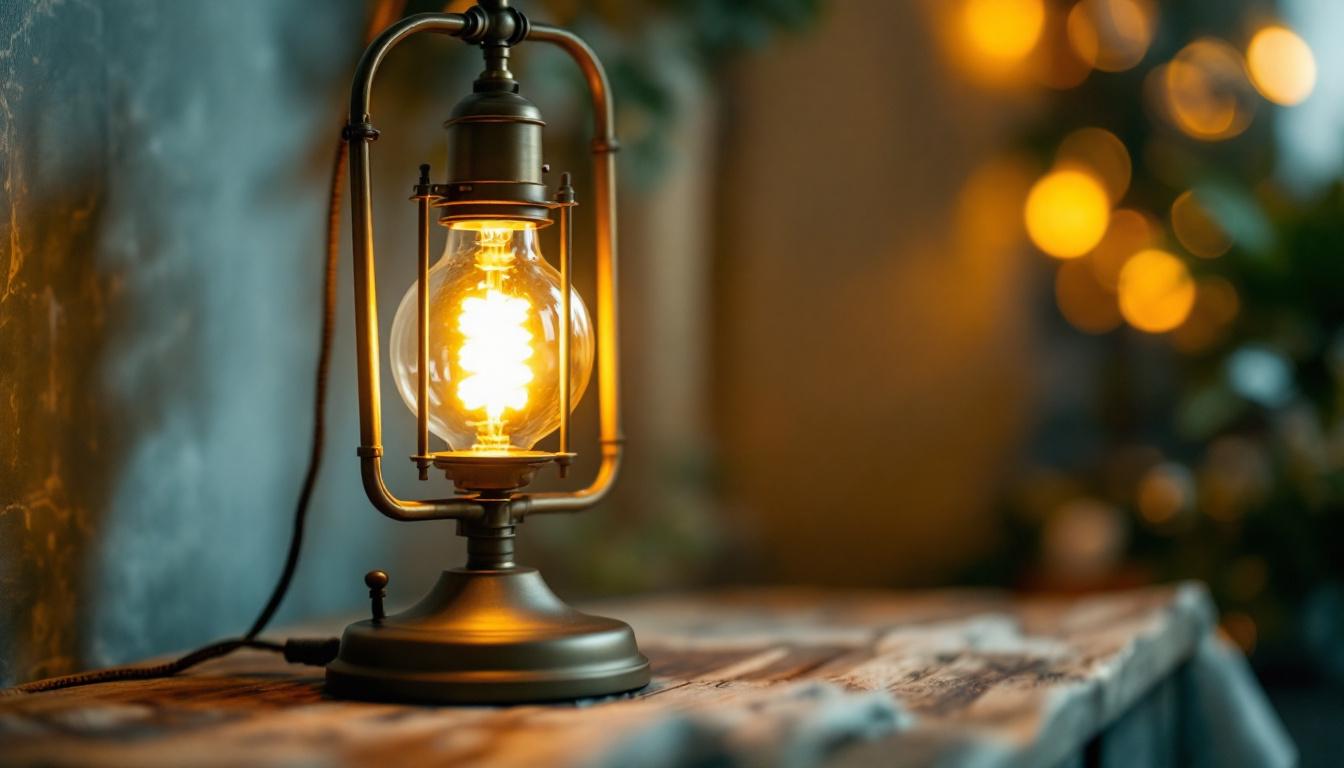
Vintage lamp bulbs, often recognized by their distinctive filament designs and warm amber glow, have surged in popularity among lighting contractors and interior designers alike. These bulbs, inspired by early incandescent lamps, offer a nostalgic charm that complements a variety of decor styles, from industrial to rustic and mid-century modern. However, beyond their aesthetic appeal, understanding their impact on energy efficiency is crucial for professionals tasked with balancing design goals and sustainability standards.
At their core, vintage bulbs are designed to replicate the look of traditional incandescent bulbs, featuring exposed filaments that create a soft, inviting light. This design choice, while visually appealing, often comes with trade-offs in terms of energy consumption and lifespan when compared to modern lighting technologies. For lighting contractors, the challenge lies in selecting bulbs that meet client expectations for ambiance without compromising on energy efficiency and operational costs.
Moreover, the resurgence of interest in vintage bulbs has led to a variety of options on the market, including LED alternatives that mimic the classic look while offering improved energy efficiency. These LED vintage bulbs maintain the same warm glow and filament appearance but consume significantly less power and have a much longer lifespan, making them an attractive choice for eco-conscious consumers. As designers and contractors navigate this evolving landscape, they must consider the balance between authenticity and innovation, ensuring that the vintage aesthetic does not come at the expense of modern sustainability practices.
In addition to their energy considerations, vintage lamp bulbs also play a significant role in setting the mood and tone of a space. The warm light emitted by these bulbs can create a cozy atmosphere, making them ideal for settings like cafes, restaurants, and homes where ambiance is key. Their unique designs can also serve as conversation starters, with many homeowners opting to showcase them as decorative elements in their lighting fixtures. As the trend continues to grow, understanding the nuances of vintage bulb technology will be essential for professionals looking to harness their charm while adhering to contemporary lighting standards.
Types of Vintage Lamp Bulbs and Their Energy Profiles
Incandescent Vintage Bulbs
Traditional vintage bulbs are typically incandescent, utilizing a tungsten filament that heats up to produce light. These bulbs are known for their warm color temperature, usually around 2200K to 2700K, which enhances the cozy atmosphere in residential and commercial spaces.
However, incandescent bulbs are notoriously inefficient. They convert less than 10% of the electrical energy into visible light, with the rest lost as heat. This inefficiency results in higher energy consumption and shorter bulb life, often around 1,000 hours. For lighting contractors, specifying incandescent vintage bulbs means accepting higher operating costs and more frequent replacements, which may not align with energy codes or sustainability goals. Despite these drawbacks, the nostalgic charm of incandescent bulbs continues to captivate homeowners and designers alike, often making them the preferred choice for creating a vintage aesthetic in spaces such as cafes, restaurants, and boutique shops. Their soft glow is particularly effective in settings where ambiance is paramount, allowing for intimate gatherings and a sense of warmth that modern lighting sometimes lacks.
LED Vintage Bulbs
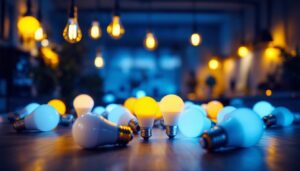
In response to the demand for vintage aesthetics combined with energy efficiency, LED vintage bulbs have become a popular alternative. These bulbs mimic the filament appearance using LED technology, often with filament-style LED arrays encased in clear or tinted glass.
LED vintage bulbs offer significant energy savings, consuming up to 80-90% less energy than incandescent counterparts. Their lifespan can exceed 15,000 hours, drastically reducing maintenance and replacement frequency. Additionally, LEDs emit less heat, contributing to safer installations and reduced cooling loads in indoor environments. The versatility of LED vintage bulbs also allows for a range of color temperatures, enabling designers to select the perfect hue to complement their decor. Furthermore, many LED vintage bulbs are now available with dimming capabilities, providing even greater control over lighting levels and enhancing the overall atmosphere of a space. For lighting contractors, LED vintage bulbs provide a compelling solution that satisfies both design and efficiency criteria. However, the initial cost is higher than incandescent bulbs, which requires consideration in project budgeting and client education.
Halogen Vintage Bulbs
Halogen bulbs represent a middle ground between incandescent and LED technologies. They use a halogen gas to increase efficiency and lifespan compared to traditional incandescents, producing a bright, crisp light with excellent color rendering.
While more efficient than incandescent bulbs, halogens still consume significantly more energy than LEDs and have a shorter lifespan. Their use in vintage-style lighting is less common due to these limitations and the growing emphasis on energy conservation. Nevertheless, halogen vintage bulbs are often favored for their ability to produce a high-quality light that enhances the colors and textures of materials in a space. This makes them a popular choice for art galleries and retail environments where product presentation is key. Additionally, halogen bulbs can be found in various shapes and sizes, allowing for creative installations that maintain a vintage look while providing the necessary brightness and clarity for specific applications.
Energy Efficiency Considerations for Lighting Contractors
Balancing Aesthetics and Energy Codes
Lighting contractors must navigate the intersection of client preferences, aesthetic requirements, and increasingly stringent energy codes. Many jurisdictions have adopted regulations that restrict the use of inefficient lighting technologies, including certain incandescent bulbs, to reduce overall energy consumption.
When specifying vintage lamp bulbs, contractors should verify local energy codes and standards such as those set by the Department of Energy or equivalent regulatory bodies. Compliance ensures that installations not only meet design expectations but also contribute to broader energy-saving initiatives.
Evaluating Total Cost of Ownership
Beyond upfront costs, the total cost of ownership (TCO) is a critical factor in bulb selection. This includes energy consumption, replacement frequency, maintenance labor, and disposal costs. Vintage incandescent bulbs, despite their lower initial price, often result in higher TCO due to their inefficiency and short lifespan.
Conversely, LED vintage bulbs, while more expensive initially, offer substantial savings over time. Lighting contractors should present clients with detailed cost comparisons that highlight long-term benefits, helping to justify the investment in energy-efficient vintage lighting solutions.
Impact on Building Energy Performance
Lighting accounts for a significant portion of a building’s energy use—up to 20-30% in commercial settings. Selecting energy-efficient vintage bulbs can contribute to reducing overall energy demand, lowering utility bills, and improving building energy performance metrics.
Furthermore, efficient lighting reduces heat output, which can decrease cooling loads and enhance occupant comfort. These factors are increasingly important in green building certifications such as LEED and WELL, where lighting quality and efficiency are key criteria.
Practical Applications and Case Studies
Hospitality Industry
The hospitality sector frequently employs vintage lamp bulbs to create inviting atmospheres in restaurants, hotels, and bars. In these environments, lighting design is integral to the guest experience, making the warm glow of vintage bulbs highly desirable.
Case studies have demonstrated that switching from incandescent vintage bulbs to LED vintage alternatives can reduce lighting energy consumption by up to 75%, with minimal impact on ambiance. Hotels report improved guest satisfaction alongside lower operational costs, illustrating the practical benefits of energy-efficient vintage lighting.
Residential Renovations
In residential settings, vintage lamp bulbs are often used to complement period architecture or to add character to modern interiors. Lighting contractors working on renovations must balance preserving historical aesthetics with modern energy standards.
LED vintage bulbs have proven effective in these applications, offering authentic looks with enhanced efficiency. Homeowners benefit from reduced electricity bills and less frequent bulb replacements, while contractors can ensure compliance with residential energy codes.
Retail Environments
Retail spaces utilize vintage lamp bulbs to create distinctive visual merchandising displays and enhance product appeal. The warm light enhances colors and textures, contributing to a positive shopping experience.
Energy-efficient vintage LED bulbs enable retailers to maintain this ambiance while controlling energy costs. Additionally, the longer lifespan reduces disruptions caused by bulb replacements, supporting continuous operations.
Future Trends and Innovations in Vintage Lighting
Smart Vintage Bulbs
The integration of smart technology with vintage bulb designs is an emerging trend. Smart vintage bulbs allow for dimming, color temperature adjustment, and remote control via mobile apps or voice assistants, providing enhanced flexibility without sacrificing style.
These innovations can further improve energy efficiency by enabling precise control over lighting levels and schedules, reducing unnecessary energy use. Lighting contractors should stay informed about these developments to offer cutting-edge solutions to clients.
Advancements in LED Filament Technology
Continuous improvements in LED filament technology are narrowing the gap between the visual qualities of incandescent and LED vintage bulbs. Enhanced filament designs produce more uniform light distribution and improved color rendering, making LED vintage bulbs virtually indistinguishable from traditional incandescent versions.
These advancements support wider adoption of energy-efficient vintage lighting, as clients increasingly prioritize both appearance and sustainability.
Recycling and Sustainability Considerations
As vintage bulb usage grows, so does the importance of sustainable disposal and recycling practices. Lighting contractors should advocate for responsible end-of-life management, particularly for LED bulbs that contain electronic components.
Promoting recycling programs and selecting bulbs with recyclable materials contribute to reducing environmental impact, aligning with the broader goals of energy efficiency and sustainability.
Conclusion: Integrating Vintage Lamp Bulbs with Energy Efficiency Goals
Vintage lamp bulbs offer a unique blend of nostalgic charm and lighting functionality that appeals to a wide range of applications. For lighting contractors, understanding the energy efficiency implications of different vintage bulb types is essential to delivering solutions that meet client expectations while adhering to regulatory and sustainability requirements.
While traditional incandescent vintage bulbs provide unmatched warmth and authenticity, their inefficiency and short lifespan present significant drawbacks. LED vintage bulbs emerge as the optimal choice, combining aesthetic appeal with substantial energy savings and longevity.
By carefully evaluating energy codes, total cost of ownership, and application-specific needs, lighting contractors can successfully integrate vintage lamp bulbs into projects that prioritize both design excellence and energy efficiency. Embracing ongoing innovations and sustainable practices will further enhance the value and impact of vintage lighting in the modern built environment.
Illuminate Your Projects with LumenWholesale
Ready to elevate your lighting projects with the perfect balance of vintage charm and energy efficiency? Look no further than LumenWholesale, where we provide lighting contractors with the highest quality, spec-grade vintage LED bulbs at unbeatable wholesale prices. Say goodbye to inflated markups and hello to superior lighting that meets the highest industry standards. With our hassle-free bulk buying and free shipping, you can ensure your projects shine brightly without breaking the bank. Discover the ideal fusion of quality, affordability, and convenience. Visit LumenWholesale now for Wholesale Lighting at the Best Value.